If you're reading this, you've likely spent countless nights researching eczema solutions while your child scratches their irritated skin. You've tried the steroid creams, experimented with every fragrance-free lotion, and maybe even invested in organic cotton everything. Yet here you are, still searching for answers that go deeper than symptom management.
What if the root cause of your child's eczema isn't something on their skin, but rather something missing from their cells?
The Fatty Acid Factor You Haven't Heard About
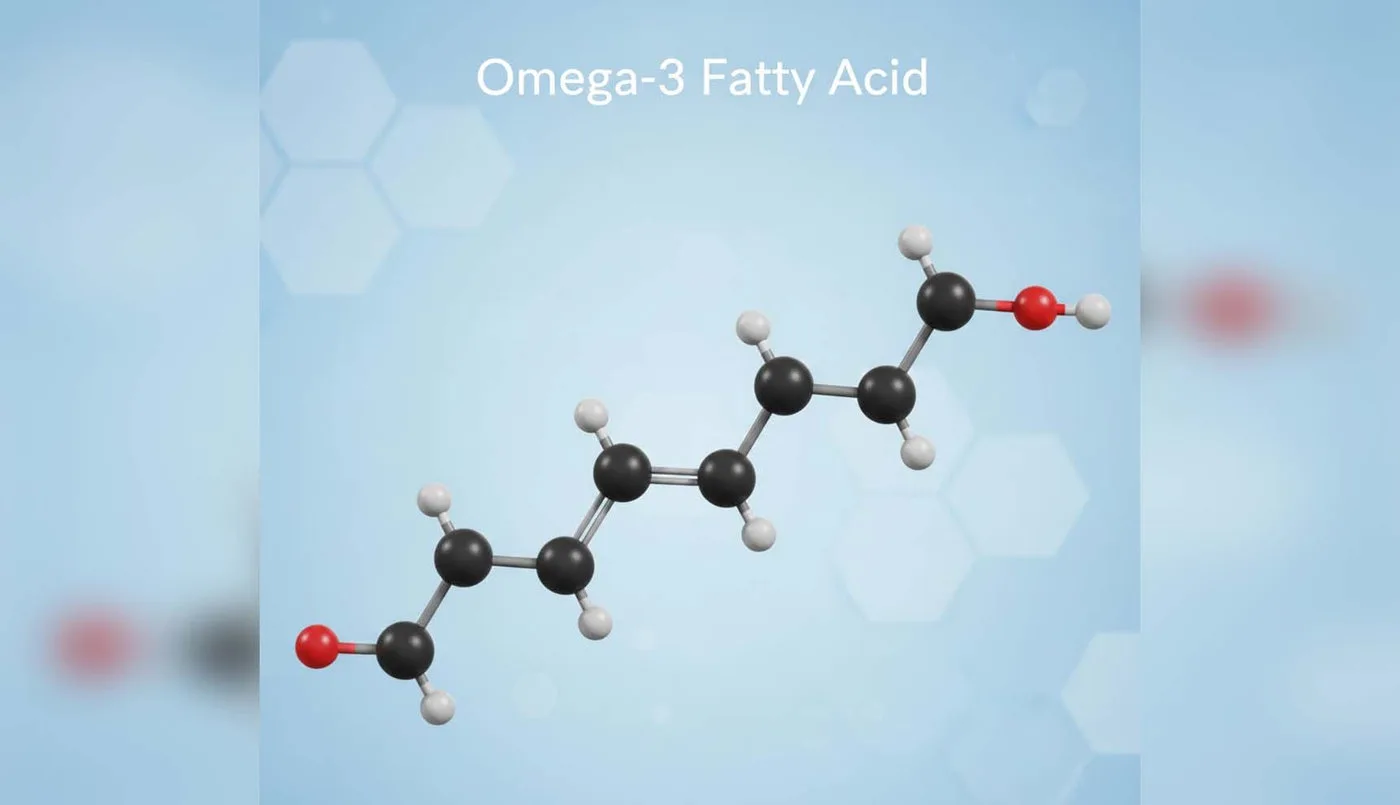
Recent research is revealing a compelling connection between omega-3 fatty acid status and atopic dermatitis. A groundbreaking Mendelian randomization study found that higher levels of omega-3 fatty acids, particularly DHA, were associated with a reduced risk of developing eczema. This isn't just correlation—the genetic analysis suggests a genuine causal relationship.
Think of omega-3s as essential building blocks for your child's skin barrier. When these critical fats are in short supply, the skin's protective function breaks down at the cellular level, leading to the inflammation, dryness, and relentless itching that characterize eczema.
What the Science Shows
In a rigorous clinical trial involving 52 children with atopic dermatitis, omega-3 supplementation combined with gamma-linolenic acid produced remarkable results after just four months. Children in the treatment group saw their eczema severity scores drop significantly, topical steroid use decreased dramatically, and parents reported improvements in itch intensity, sleep quality, and overall family quality of life.
The omega-3 connection may even start before birth. Research on prenatal nutrition shows that maternal omega-6 to omega-3 balance during pregnancy can influence whether a child develops eczema years later. Higher prenatal omega-6 fatty acids were associated with increased odds of childhood atopic dermatitis, particularly in families with a history of allergies.
The FADS Gene: Your Child's Fatty Acid Processing System
Here's where biohacking meets genetics. Research has identified a specific gene cluster called FADS (fatty acid desaturase) that plays a crucial role in how your child's body processes fatty acids. Variations in these genes can affect how efficiently the body converts dietary fats into the anti-inflammatory compounds that support healthy skin.
One particular genetic variant, rs174546 in the FADS gene cluster, appears to be a key player in the omega-3 and eczema relationship. This means some children may be genetically predisposed to need more omega-3s than others to maintain optimal skin barrier function.
Understanding this mechanism reinforces an important principle: biochemical individuality matters. Fatty acid needs can vary based on genetic makeup, which is why personalized approaches often work better than one-size-fits-all solutions.
Beyond Steroids: A Functional Approach
The conventional approach to eczema focuses almost exclusively on managing inflammation after it occurs—hence the endless prescriptions for topical steroids. But if omega-3 deficiency is contributing to your child's eczema at a cellular level, you're essentially trying to put out a fire while leaving the fuel source untouched.
A root cause approach considers several critical factors:
Dietary intake: Is your child getting adequate omega-3s from sources like wild-caught fatty fish, algae, or quality supplements? The modern Western diet is notoriously high in omega-6 fatty acids and low in omega-3s, creating an inflammatory imbalance.
Absorption and conversion: Even with adequate intake, some children may have difficulty converting plant-based omega-3s (ALA) into the active forms (EPA and DHA) their skin needs. This is where the FADS genes come into play, and why direct sources of EPA and DHA may be more effective.
Inflammatory balance: The ratio of omega-6 to omega-3 fatty acids influences inflammatory processes throughout the body, including the skin. Optimizing this ratio may be as important as absolute omega-3 intake.
Taking Action
If you're ready to take a functional approach, start by working with a practitioner who addresses root causes rather than simply prescribing more topicals. Focus on dietary sources first—wild-caught salmon, sardines, and mackerel provide pre-formed EPA and DHA. For plant-based families, algae-based DHA supplements offer a sustainable alternative.
When supplementing, quality matters enormously. Look for products that have been third-party tested for purity and potency, as oxidized fish oil can actually be pro-inflammatory. Be patient and consistent—the clinical trials showing significant improvements tracked children over several months.
The Bigger Picture
Understanding the omega-3 connection represents a fundamental shift in how we think about eczema. Instead of viewing your child's skin as the problem, we can recognize it as a messenger—signaling that something deeper needs attention at the cellular and metabolic level.
This doesn't mean abandoning all conventional treatments immediately. Steroids have their place in managing acute flares. But by addressing potential omega-3 deficiency alongside traditional care, you're working with your child's biology rather than against it.
For biohacking parents who want to optimize their children's health at the cellular level, the omega-3 and eczema connection offers a research-backed avenue worth exploring.
Sometimes, the most powerful interventions aren't the newest pharmaceutical creams—they're the essential nutrients that have been supporting human health for thousands of years.

Ready to Take Action?
Start with Assessment: Not sure where your child falls on the eczema severity spectrum? Take our free Eczema Quiz to get personalized insights into your child's eczema profile and receive practical tips tailored to their specific needs.
Optimize Their Omega-3 Status: If you're ready to address the omega-3 deficiency that may be contributing to your child's eczema, our pharmaceutical-grade Omega-3 Liquid is specifically formulated for families seeking root cause solutions. With high concentrations of EPA and DHA in an easy-to-dose liquid form, it's designed to support skin barrier function from the cellular level up. Dosing for all ages is available on the website.
The difference between managing symptoms and addressing root causes starts with giving your child's body what it actually needs to heal.
Note: This article is for informational purposes only and should not replace medical advice. Always consult with your child's healthcare provider before making significant changes to their treatment plan or starting new supplements.
Disclaimer:
Contributor content reflects the personal views and experiences of the author and does not necessarily represent the views of Biohack Yourself Media LLC, Lolli Brands Entertainment LLC, or any of their affiliates. Content is provided for editorial, educational, and entertainment purposes only. It is not medical or dental advice. Always consult qualified professionals before making health decisions. By reading, you agree to hold us harmless for reliance on this material. See full disclaimers at www.biohackyourself.com/termsanddisclaimers