

.jpg)

.jpg)


Glyphosate in Food Exposure: A Guide to Understanding Residues and Minimizing Them Over Time
- Jan 5
- 3 min read
Ken Swartz, MS JAN 2026
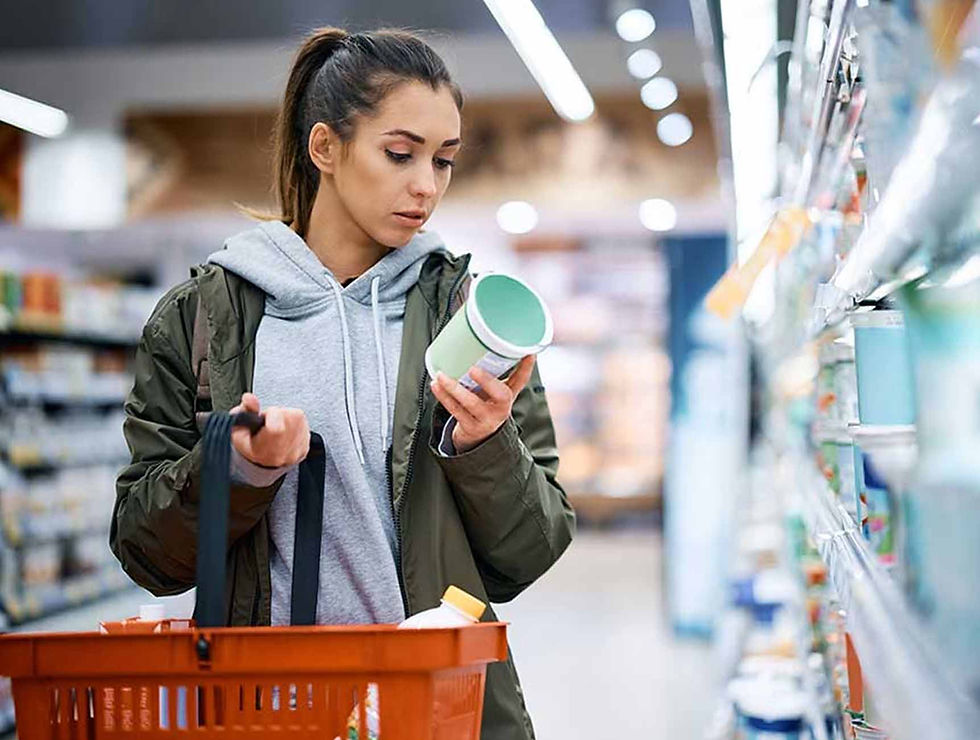
In today’s world, we think about more than calories and nutrients—we think about what’s riding along with our food. One name that comes up often is glyphosate, a widely used weed killer. It shows up in trace amounts across common crops, from oats to soy. Regulators keep exposure levels well below safety limits, but many people who like to stay proactive prefer to minimize them where they can.
This isn’t about fear—it’s about awareness and choice. When you understand where glyphosate shows up and how to read the labels in front of you, you can make food decisions that feel aligned with your lifestyle and values.

How Glyphosate Enters the Picture
Glyphosate has been around since the 1970s. It’s cost-effective and efficient for farmers, which is why it’s so widespread in modern agriculture. Once it’s applied, trace amounts can remain in the harvested food.
The EPA, USDA, and other global agencies test and monitor these levels every year, making sure they stay far below limits set for human consumption. Still, those who want to take greater control of their inputs often look for ways to go a step further.
Where You’ll Commonly Find It
USDA data shows that certain crops are more likely to contain glyphosate residues, including:
Oats and oat-based cereals
Wheat products like crackers, bread, and snack bars
Soybeans and tofu
Processed grains such as pasta and granola bars
Consumer groups have reported small amounts in non-organic chickpeas, hummus, and cereals as well.
These are everyday staples, which is why mindful consumers keep an eye out—not because the food is unsafe, but because they’d rather have a choice in how much of this chemical ends up in their diet.

Decoding the Labels
Because there’s no required “glyphosate” listing on packaging, labels are your best guide:
USDA Organic → Synthetic herbicides like glyphosate are not allowed.
Glyphosate-Free Certifications → Independent testing that verifies little to no detectable glyphosate.
Non-GMO → Doesn’t equal glyphosate-free; it only refers to the genetic makeup of the crop.
Smarter Food Strategies
If you want to steer clear of glyphosate where possible, here are a few practical steps:
Go organic when it fits your budget and lifestyle.
Seek verified glyphosate-free brands. The seal tells you testing was done.
Buy local, ask questions. Many small farms use organic practices, even if they’re not certified.
The Organic Difference
Organic farming avoids glyphosate and other synthetic herbicides. By design, that means organic oats, pasta, and soy are less likely to carry residues.
But “organic” isn’t a magic wand. Natural pesticides may still be used, and environmental drift can occur. What sets organic apart is the system—crop rotation, soil management, and yearly inspections that create a framework for transparency and accountability.
Balancing Pros and Cons
Why organic appeals:
Reduced use of synthetic herbicides
Farming methods that support soil and water health
Verified standards and audits
What to remember:
Higher cost and occasional fraud risk
Nutritional content is similar overall
Still not entirely chemical-free
Beyond Food: The Bigger Picture
Glyphosate runoff can influence soil microbes, water systems, and ecosystems. Choosing organic or glyphosate-free foods isn’t just about your body—it’s also about the environment you live in.
For those who like to approach life with intention, this bigger picture matters. What you eat, how it’s grown, and even the supplements you choose all become part of your personal system.
That’s where something like C60 Power comes in. Just as you choose organic oats to limit unnecessary inputs, you can choose targeted tools to support your overall approach. It’s less about a single product or label, and more about stacking habits and choices that add up over time.

Takeaway
Glyphosate is widely used but strictly regulated.
Labels like USDA Organic and glyphosate-free can help you minimize exposure.
Making small shifts—organic swaps, local purchases, or label awareness—gives you control.
In the end, it’s not about perfection. It’s about awareness, alignment, and stacking choices—from your food to your supplements—that support the lifestyle you’re building.
Disclaimer
*These statements have not been evaluated by the Food and Drug Administration. These products are not intended to diagnose, treat, cure, mitigate, or prevent any disease. Individual results may vary.
Disclaimer:
Contributor content reflects the personal views and experiences of the author and does not necessarily represent the views of Biohack Yourself Media LLC, Lolli Brands Entertainment LLC, or any of their affiliates. Content is provided for editorial, educational, and entertainment purposes only. It is not medical or dental advice. Always consult qualified professionals before making health decisions. By reading, you agree to hold us harmless for reliance on this material. See full disclaimers at www.biohackyourself.com/termsanddisclaimers


