

.jpg)

.jpg)


Ken Honda and the Emotional Currency of Money
- 1 hour ago
- 3 min read
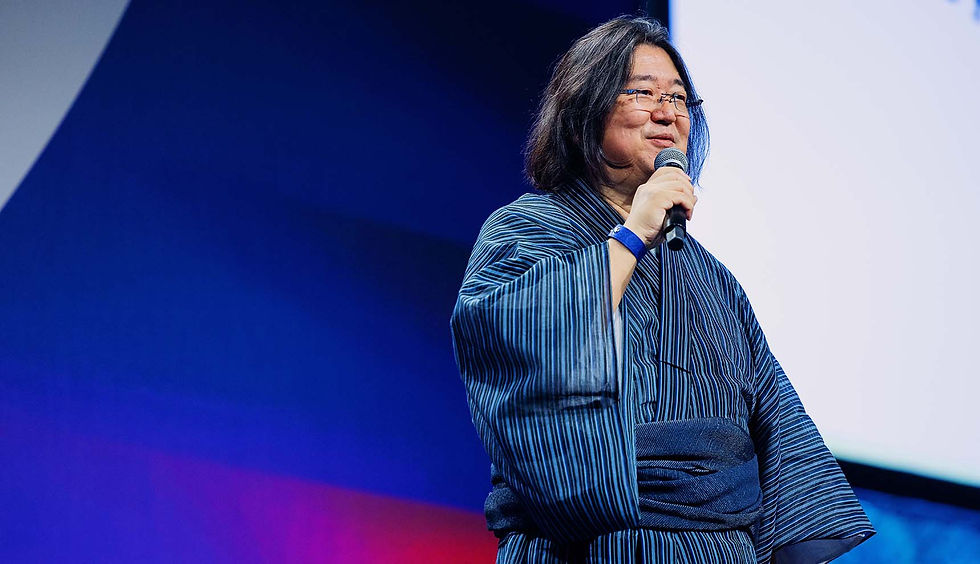
Ken Honda has spent more than three decades exploring a question that most people rarely pause to ask: What is our emotional relationship with money? Often called “Japan’s Zen Millionaire,” his work is not centered on wealth in the conventional sense, but on the inner state that shapes how money flows through our lives. At the core of his teaching is a simple but transformative idea that true prosperity begins with peace, not accumulation.
His philosophy aligns closely with the themes explored in "The New Woo", a feature-length documentary from Lolli Brands Entertainment that examines consciousness, energy, and the evolving science of human transformation. The film looks at how perspectives once dismissed are now being revisited through lived experience and measurable impact, offering a more integrated view of wellbeing and success.

Rethinking the Meaning of Wealth
Ken’s journey began along a traditional path in Japan, shaped by values of discipline, responsibility, and stability. He built a successful career as a management consultant before founding his own accounting and consulting firm. By external standards, everything was working. Yet internally, something felt incomplete.
That tension deepened when he received a large inheritance at a young age. Instead of freedom, it brought confusion and pressure, forcing him to confront his own beliefs and emotions around money. Through that experience, he uncovered a defining insight: money does not create who we are; it amplifies what already exists within us.
Fear, guilt, anxiety, and self-doubt often operate beneath the surface, quietly influencing financial decisions. When those patterns remain unexamined, they shape outcomes regardless of skill or knowledge. This realization became the foundation of his life’s work.
From Financial Success to Emotional Healing
Ken Honda has since written more than 120 books, including "Happy Money" and "True Wealth", many of which have become international bestsellers translated into over 50 languages and read by more than 8 million people worldwide. His work reaches far beyond financial literacy, focusing instead on emotional awareness and healing.
Central to his teaching is the concept of “money wounds”, unconscious patterns formed through childhood experiences, cultural conditioning, and personal history. By identifying and healing these patterns, individuals often find that their financial reality begins to shift naturally.
Rather than teaching people how to earn more, he helps them relate differently to what they already have. When gratitude, trust, and clarity replace fear and scarcity, money becomes less of a source of stress and more of a reflection of alignment.

A More Human Approach to Success
Ken’s work extends into broader themes of happiness, intuition, and purpose. He emphasizes that success does not need to come from pressure or struggle, but can emerge from flow, self-acceptance, and living in alignment with one’s natural rhythm.
This perspective challenges long-held models of achievement built on exhaustion and constant striving. In a rapidly changing world, he advocates for a shift toward emotional resilience, inner balance, and compassionate leadership as the foundation for sustainable success.
His contribution to "The New Woo" reflects this integration of the practical and the intuitive. By bridging emotional awareness with real-world outcomes, his work supports a growing movement toward a more holistic understanding of prosperity, one where happiness is not postponed, but experienced in the present, and where inner clarity becomes the starting point for everything that follows.
Disclaimer:
The information provided here is for entertainment and educational purposes only. It is not intended to substitute medical professional advice, diagnosis, or treatment. Always seek the advice of your physician or another qualified health provider with any questions you may have regarding a medical condition. More details: www.biohackyourself.com/termsanddisclaimers


