Normally, when you hear the words “no cure” uttered by a doctor, medical textbook, or healthcare professional, they usually refer to a rare disease where literature, testing, and research are scarce — a genetic mutation that affects only a handful of people.
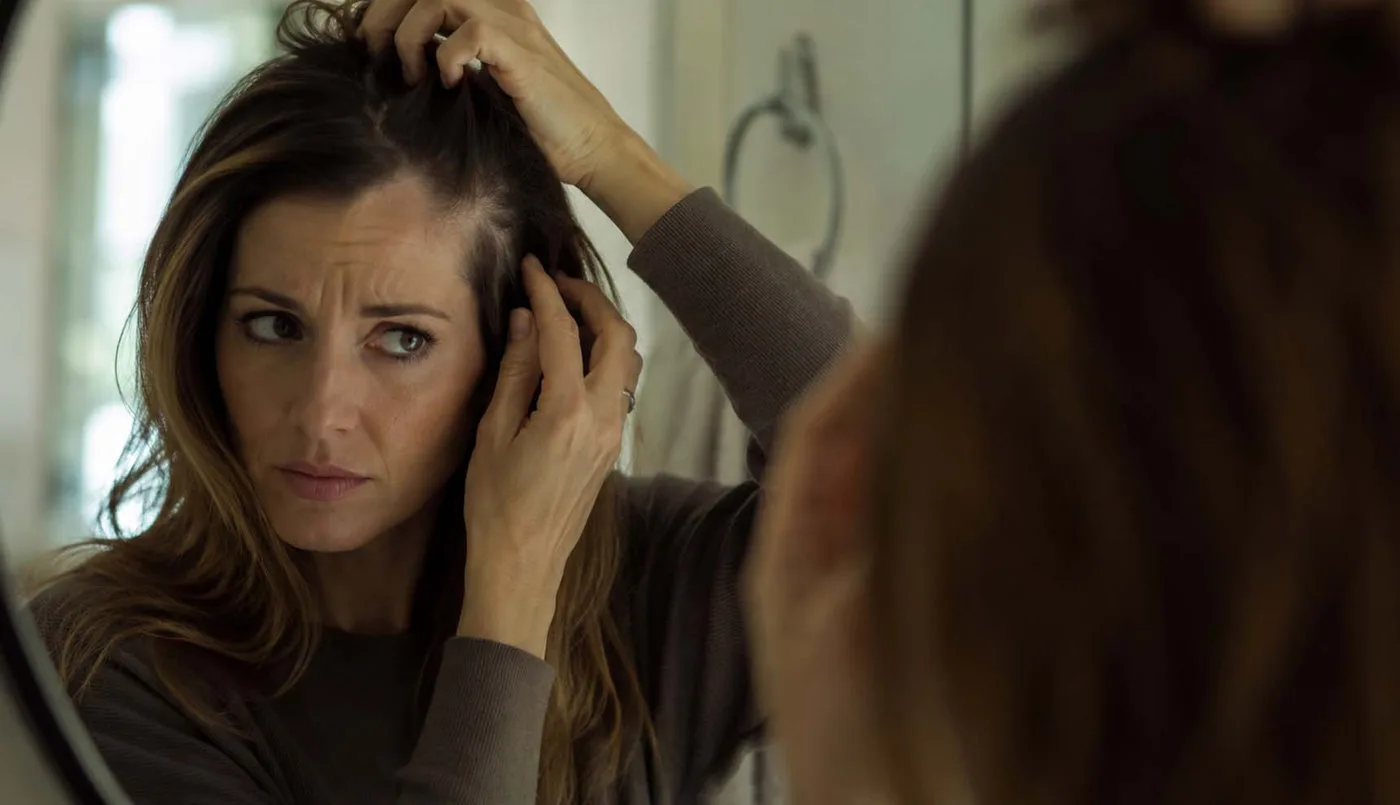
There came a time when I heard those same words while trying to understand the diagnosis my hairstylist had just mentioned to me: alopecia areata.
As I sat in the chair getting my highlights done, I immediately started searching online for anything remotely associated with a cure for alopecia areata. What lotion did I need? What topical treatment worked best?
Sadly, all the results came up short. Everything I saw online showed bald people living with patches and misery — the medications had failed them, the system had failed them, and they were left clinging to the words “no cure” from their doctors.
I saw that becoming my future unless I searched for an alternative.
In fact, “no cure” was a phrase I had grown accustomed to hearing. I first heard it when my uncle was diagnosed with a brain tumor at 24 years old. I questioned it then, and I still question it today. Does “no cure” simply mean no one has discovered a solution that works without medications or surgery? Does it mean we do not yet have enough research or updated information on the matter? Or perhaps it means we are not openly discussing how many diseases labeled as having “no cure” may actually require major diet and lifestyle changes.
At the time of this writing, autoimmune diseases have continued rising over the last couple of decades. No longer are we seeing only one or two people on television with alopecia — now we see children, men, and women of all ages, races, and ethnicities diagnosed regularly with alopecia areata, totalis, and universalis. Having one of the many autoimmune diseases almost feels normalized at this point. Alopecia areata, which causes circular bald patches on the scalp or beard, can progress to alopecia totalis, involving total scalp hair loss, or universalis, involving loss of all body hair.
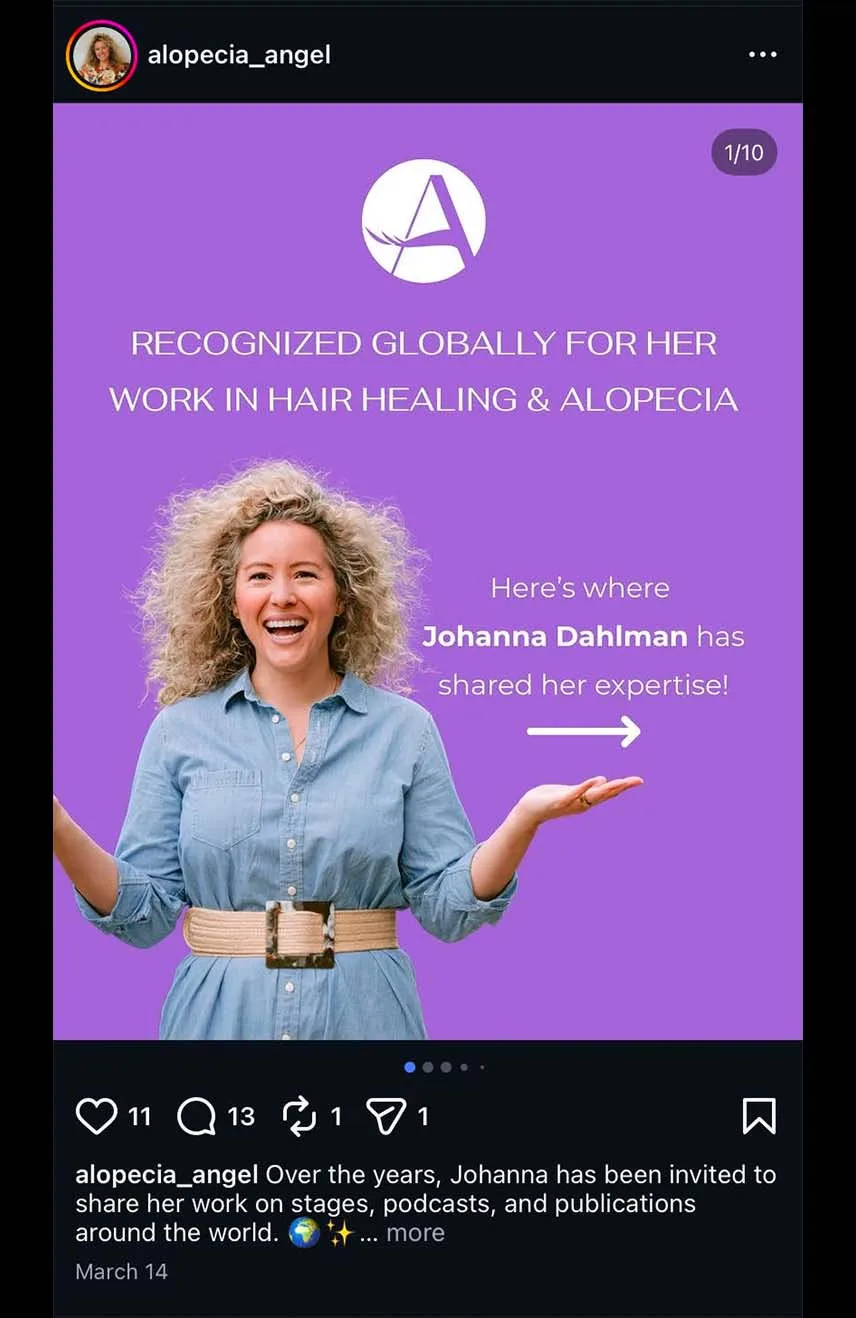
This is not a rare disease, nor is it something associated only with genetics. In my case, I am the only person in my family who has ever experienced it. It took me years to fully understand what was happening, but eventually I found healing through major diet and lifestyle changes — changes I now believe are foundational to true health.
It has been 10 years since I first experienced alopecia areata, and although stressful periods in life have never stopped, I have managed to keep it in remission naturally, without drugs or medications. Even after COVID, stressful moves across three countries within a year and a half, and my first pregnancy at 40, it never returned.
The process of researching, experimenting, and learning new health modalities taught me that the body is capable of far more healing than many people realize. It also taught me that internal health and external health are not always aligned.
What surprised me most was how few people realized they had options beyond conventional treatments. Most people believe what internet searches tell them or what their doctors recommend. At the time, I appeared to be the healthiest person among my family and friends. I was fit, athletic, and visibly healthy, yet I was the one developing an autoimmune condition and losing handfuls of hair daily while bald patches spread across my scalp.
I realized early on that “no cure” did mean no hope, no answers, or no solutions. It simply meant that healthcare systems and regulatory authorities had not identified one universal solution that worked for everyone in the same way.
That is the true definition of a cure.
During the most difficult part of my alopecia journey, I realized the phrase “no cure” often pushed people toward only a few options: medications, Minoxidil, wigs, or simply acceptance. Much like biohacking, I decided to explore what my body was capable of when fully supported and optimized to heal itself.
My approach was rooted in holistic and natural practices. Ironically, this same methodology also helped me become pregnant naturally on the first try at 40 years old. It is incredible what the body can accomplish when it is properly supported and when we become fully aware of the details influencing our health.
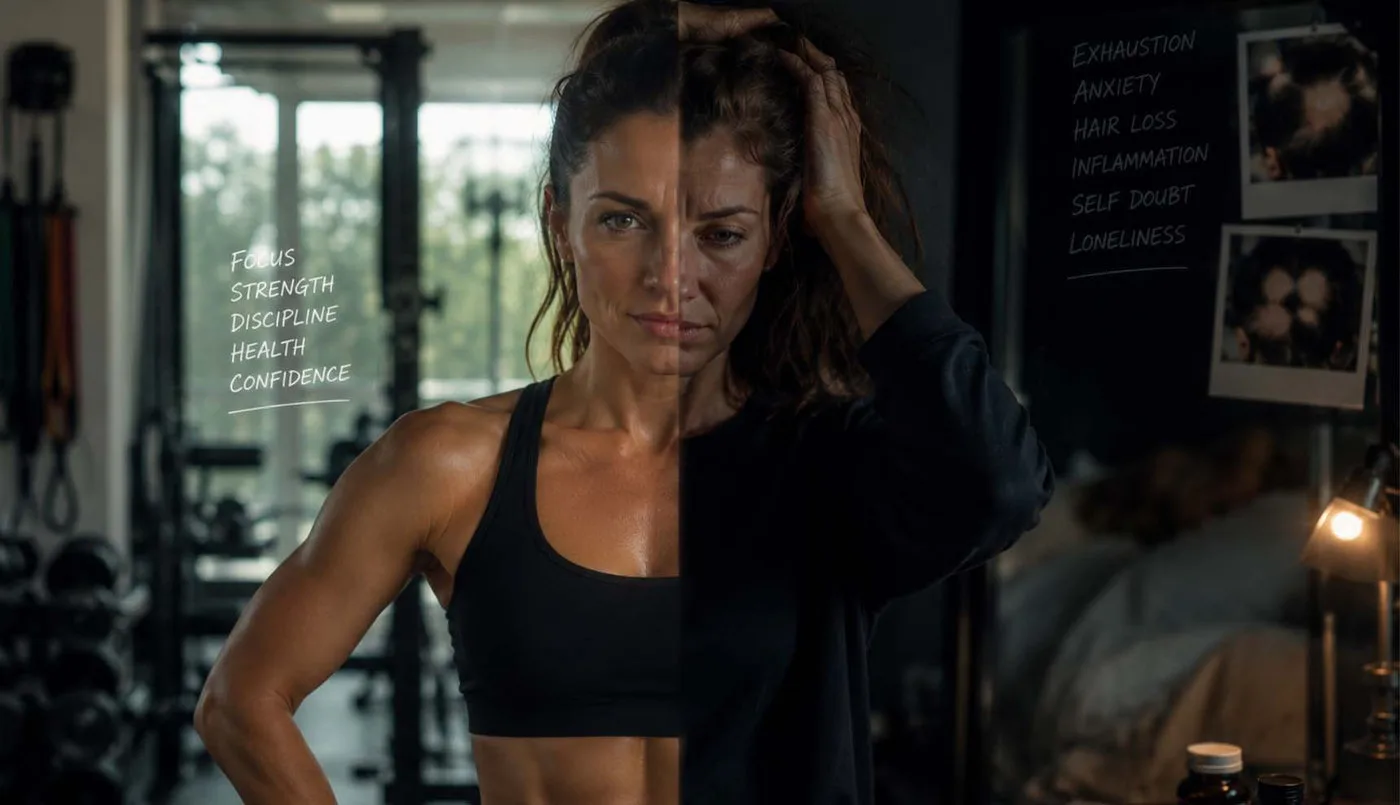
The process forced me to question every aspect of my well-being beyond the physical. I already exercised regularly, lifted weights, ran multiple times a week, and maintained what most people would consider excellent shape.
That created even more confusion because outwardly I appeared healthy, while internally I was dealing with alopecia alongside symptoms like dry eyes, dry skin, anxiety, depression, fatigue, memory loss, and lethargy.
I visited specialists and doctors across different states and even Europe, but the experience ultimately left me searching for answers on my own. It was not easy, but it was worth it.
The result was not only living alopecia-free, but also understanding my triggers, blind spots, and the importance of viewing health holistically — mentally, emotionally, physically, and internally.
The fragmented approach we often see in healthcare is not enough if we truly want to thrive and continue improving our bodies over time. As someone who deeply values the biohacking community and the belief that individuals can often do more for themselves than they realize, I fully embraced this path.
Looking back, I now see alopecia as a wake-up call that forced me to confront lessons I may have otherwise ignored.
For anyone navigating a “no cure” diagnosis, perhaps the answer begins with curiosity and a willingness to question the status quo.
A diagnosis is not destiny.
We can heal. We can improve. We can go into remission. And we can take greater control over our future.
A diagnosis does not determine the outcome of our lives. Sometimes it is simply an opportunity to search for deeper answers, alternative approaches, and a better understanding of what healing may truly look like.
Disclaimer:
Contributor content reflects the personal views and experiences of the author and does not necessarily represent the views of Biohack Yourself Media LLC, Lolli Brands Entertainment LLC, or any of their affiliates. Content is provided for editorial, educational, and entertainment purposes only. It is not medical or dental advice. Always consult qualified professionals before making health decisions. By reading, you agree to hold us harmless for reliance on this material. See full disclaimers at www.biohackyourself.com/termsanddisclaimers