Sponsored content
Recovery is often treated as a series of disconnected steps. You see one provider for pain, another for rehab, maybe try a recovery tool on the side, and somewhere along the way, the plan becomes fragmented.
Recover Pro Health & Wellness is built around a different model: one coordinated system where every part of your care works together. Instead of guessing what to do next, your recovery is guided by a team that shares the same plan, tracks your progress, and adjusts based on how your body responds.
It starts with a clear evaluation, then builds into a structured approach designed around your specific goals, whether that’s getting out of pain, returning from injury, or improving performance.
Services Within the Recover Pro Ecosystem
At the center of Recover Pro is a fully integrated network of services designed to connect into one cohesive plan rather than operate in isolation. Each service can stand alone, but its real value may come from how it’s layered together based on your condition, activity level, and long-term goals.
Musculoskeletal and rehabilitation services form the foundation. Physical and occupational rehabilitation focus on restoring strength, coordination, and real-world movement, especially after injury, surgery, or chronic flare-ups. Chiropractic care complements this by addressing alignment and movement patterns that may be contributing to pain or inefficiency, particularly in the spine and surrounding structures. Sports medicine ties these together, helping guide safe return-to-activity timelines while reducing the risk of re-injury.
Beyond structural care, wellness and recovery therapies are used to support how the body heals, adapts, and performs between sessions:
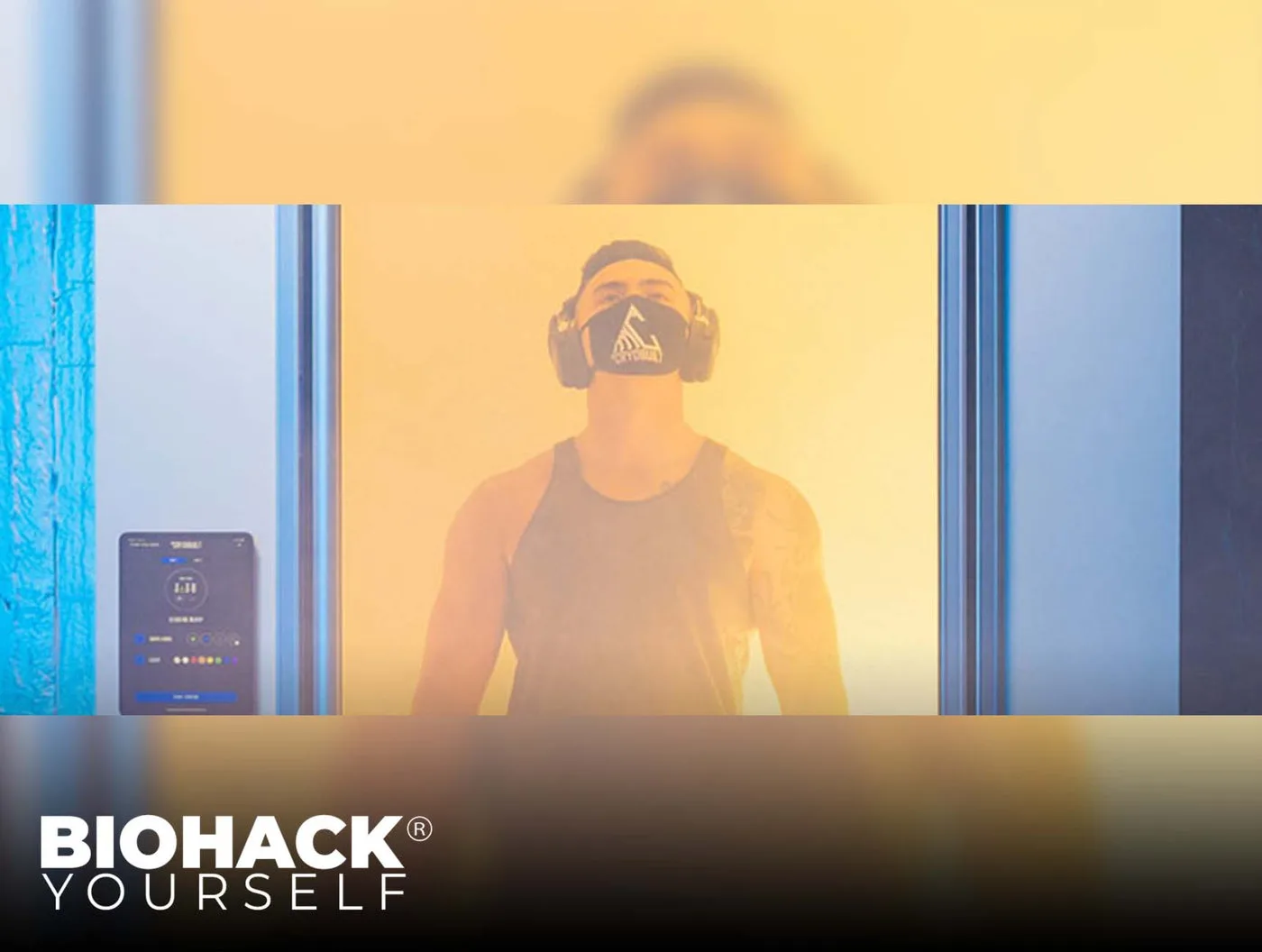
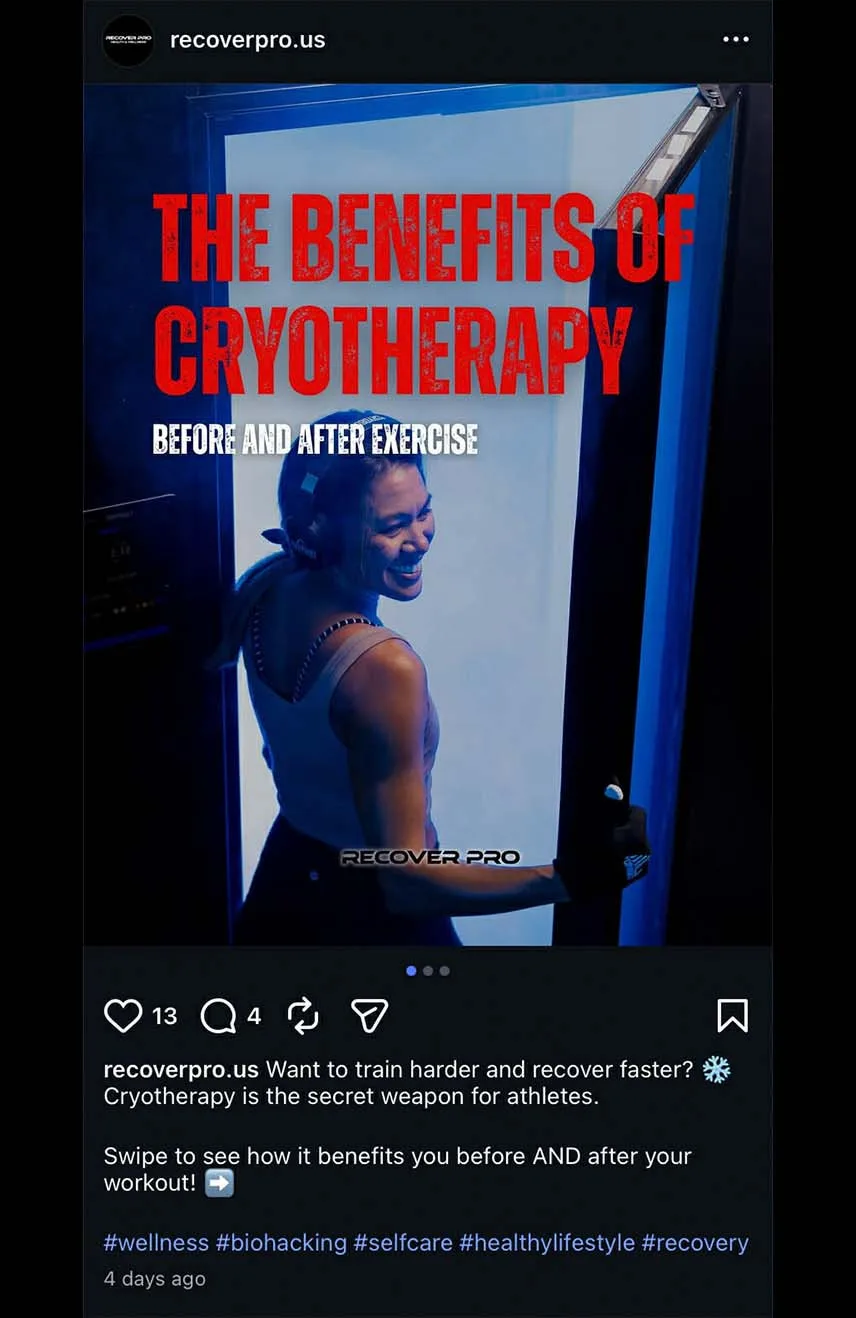
- Cryotherapy involves short exposure to extremely cold, nitrogen-free air that rapidly lowers skin temperature. This may help reduce inflammation, calm joint and muscle soreness, and stimulate the nervous system, making it useful after intense training or during periods of high physical stress.
- Red Light Therapy uses multiple wavelengths of light that penetrate different tissue depths. These wavelengths may support mitochondrial activity, circulation, and tissue repair processes, which could be helpful for lingering soreness, joint stiffness, or overall recovery support.
- Compression Therapy applies rhythmic, wave-like pressure through specialized sleeves. This sequential compression may help move fluid through the limbs, improve circulation, and reduce post-exercise soreness, often described as a massage-like sensation.
- Laser Therapy (Class IV) delivers focused light energy deeper into tissues than traditional surface-level treatments. It may help reduce inflammation and support healing in areas that are slow to recover, especially when combined with rehabilitation.
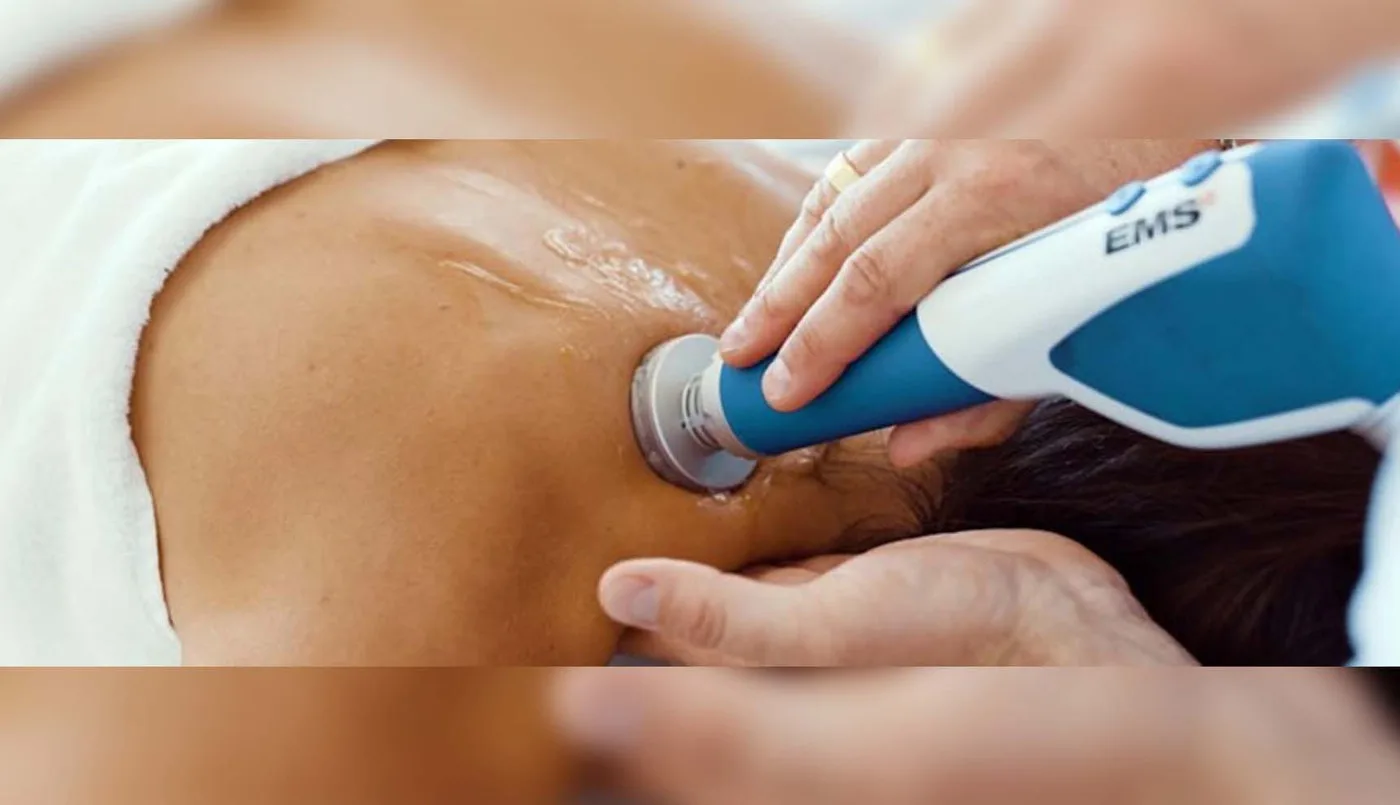
- Shockwave Therapy uses high-energy acoustic waves that penetrate into targeted tissues. This mechanical stimulation may promote blood flow and trigger the body’s natural repair response, particularly in chronic tendon issues or conditions that haven’t improved with other treatments.
- Vein Therapy addresses circulation-related concerns such as varicose veins or chronic venous insufficiency. Through minimally invasive techniques, it may help improve both function and comfort, especially for individuals experiencing leg heaviness, swelling, or fatigue.
These therapies are typically not used randomly. Instead, they are timed and integrated based on where you are in your recovery or training cycle. For example, one modality may be used to reduce inflammation early on, while another supports tissue repair or performance later in the process.
For those looking beyond recovery alone, performance and lifestyle services add another layer. Body composition scans like DEXA and InBody provide detailed insights into fat, muscle, and bone density, while exercise physiology testing evaluates how your body responds to effort.
These data points may help refine training intensity, recovery needs, and long-term planning. Lifestyle coaching then translates that information into sustainable habits around sleep, nutrition, stress, and movement.
What ties everything together is coordination. Your care team works from the same playbook, sharing insights and adjusting your plan as your body changes.

A More Structured Way to Approach Recovery
Recover Pro’s model reflects a broader shift in how recovery is being approached. Instead of reacting to pain as it appears, the focus moves toward understanding patterns, building a plan, and supporting the body through each phase.
For some, that may mean recovering from an injury without conflicting advice. For others, it could be about staying active, improving performance, or preventing small issues from becoming long-term limitations.
By bringing multiple disciplines into one system, recovery becomes less about trial and error and more about progress that is guided, measured, and continuously refined.
Recover Pro Health & Wellness is a featured brand in the Biohack Yourself Magazine Spring 2026 issue, available in stores and online on April 21, 2026.
Disclaimer:
Biohack Yourself Peer Review is an editorial, educational, and entertainment process for sponsored content. It is not a scientific peer review or regulatory evaluation. Please review our full Terms & Conditions and Legal Disclaimers