Sponsored content
In clinical and integrative wellness settings, the conversation around recovery and regeneration has been shifting. Practitioners are now using tools that can be integrated into real workflows, adjusted for individual needs, and used repeatedly without placing extra burden on the body. Hue Light USA has gained traction in this space because its systems combine two approaches that many clinics already value: photobiomodulation (PBM) and molecular hydrogen support, delivered in a way that is structured, targeted, and scalable.
Rather than positioning light therapy as a standalone add-on, Hue Light emphasizes frequency-guided PBM and pairing it with medical-grade hydrogen delivery. For clinicians, this creates an interesting model: two non-invasive tools that could support tissue recovery, nervous system regulation, and cellular resilience with minimal disruption to other therapies.
Why Practitioners Look Beyond Spectrum Alone
Most red and near-infrared PBM devices are built around wavelength selection. Hue Light builds on that foundation but adds a layer many practitioners find compelling: pulsed delivery at the seven Nogier frequencies, a system derived from Dr. Paul Nogier’s long-standing work in vibrational medicine. In practice, this means sessions are not only delivering light into tissue, but doing so at specific pulse rates associated with different tissue systems.
While research into pulsed PBM continues to evolve, clinics using frequency-based protocols report that pulsing may enhance the “signal clarity” of PBM sessions, especially for clients who are sensitive, inflamed, or recovering from complex injuries. Real-world integration is already underway, with clinics such as Brain Rejuvenation Clinic of Naples in Florida listing Hue Light USA’s Whole-Body Photobiomodulation Chamber in their service stack, and wellness practices like Luxurious Medi Clinic in the UK offering BAHI Therapy by Hue Light within their longevity and integrative wellness menu.
How Clinics Use Full-Body BAHI Chambers
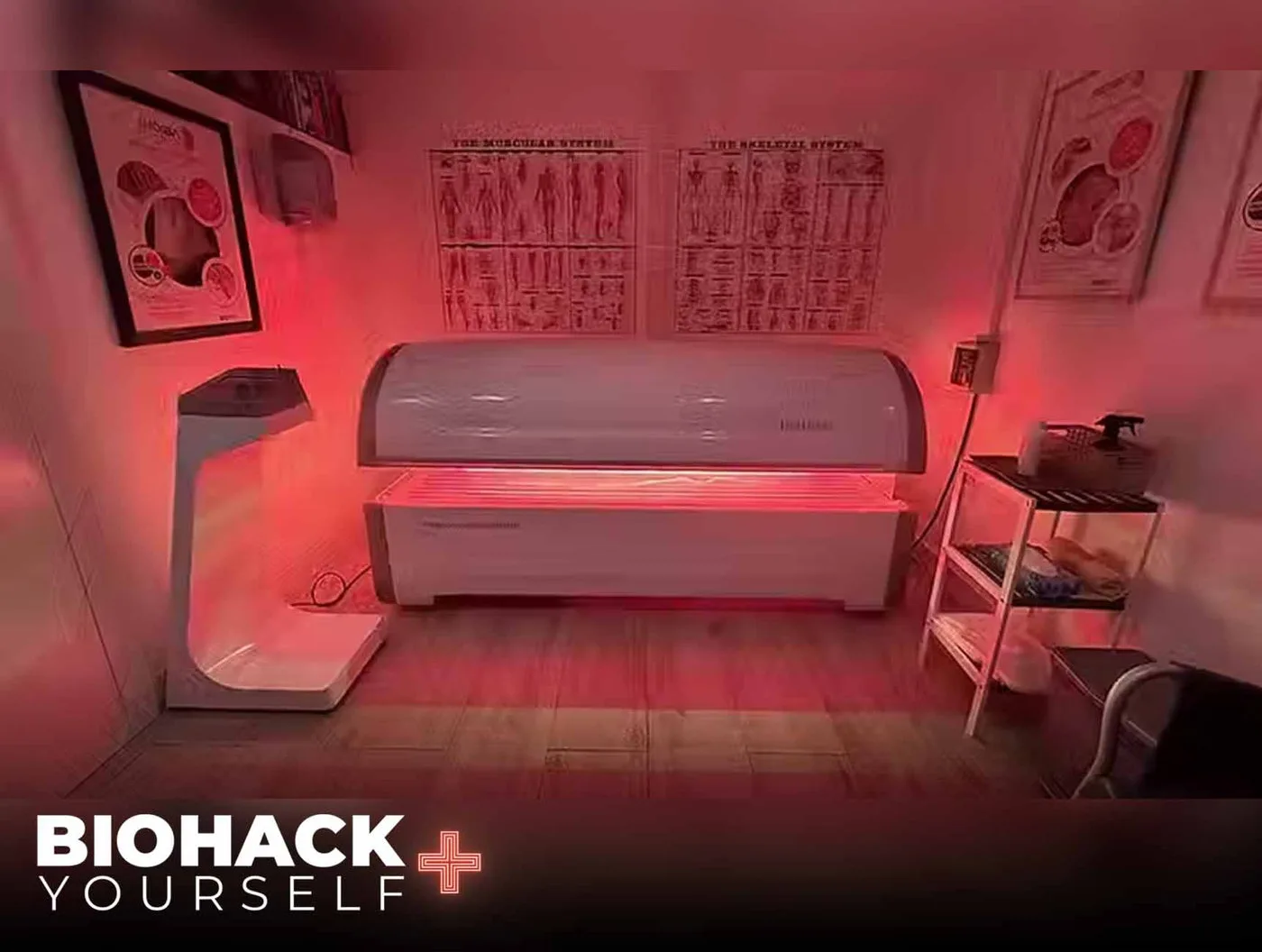
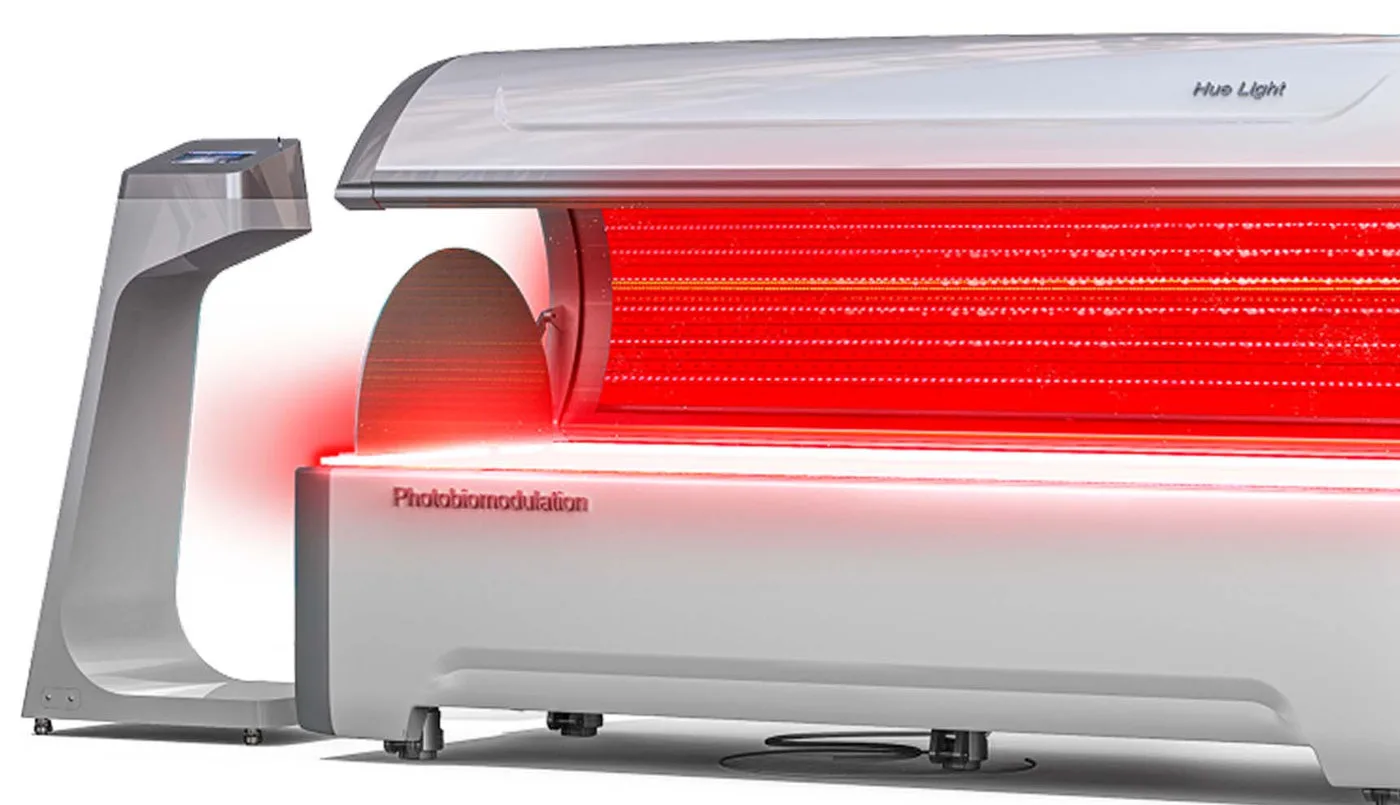
Hue Light’s full-body chamber is the flagship clinical tool for Blood Circulation, Antioxidant, Hormonal Balance, Immunity (BAHI) Therapy. In a facility setting, it is typically used as a short, controlled session that may support whole-system recovery. Common clinical uses include:
- Post-injury recovery support. Full-body pulsed PBM could assist clients working through soft tissue strain, repetitive stress patterns, or general rehabilitation. The aim is often to support circulation, cellular energy production, and comfort during recovery phases.
- Inflammatory load management. In integrative clinics, full-body PBM is sometimes added for clients dealing with lingering inflammation or high stress states, where gentle systemic stimulation may support regulation.
- Performance and readiness protocols. Athletic recovery rooms and sports medicine clinics may use the chamber between training blocks to help support muscle recovery and resilience without adding mechanical load.
Targeted Panels and Irradiators in Practice
Where the chamber supports systemic use, the targeted devices allow practitioners to build protocols with more specific anatomical intent. Here are some examples of how they are used.
- Localized tissue support. The full-body panel is frequently positioned over larger areas such as the back, legs, or shoulders. Practitioners may select it for clients needing broader coverage, especially in musculoskeletal or mobility-focused care.
- Breast and abdomen irradiators. These tools are often used in specialty wellness practices where clinicians want PBM exposure directed to specific regions. Protocols commonly focus on supporting tissue vitality, circulation, and comfort, particularly for clients seeking gentle, non-mechanical support in sensitive areas.
- Layered sessions. Some practitioners structure PBM in stages, beginning with a full-body exposure, followed by targeted pulsed light over problem areas. This sequencing may help clients feel more balanced and supported over time.
Hydrogen Support as a Complementary Clinical Tool
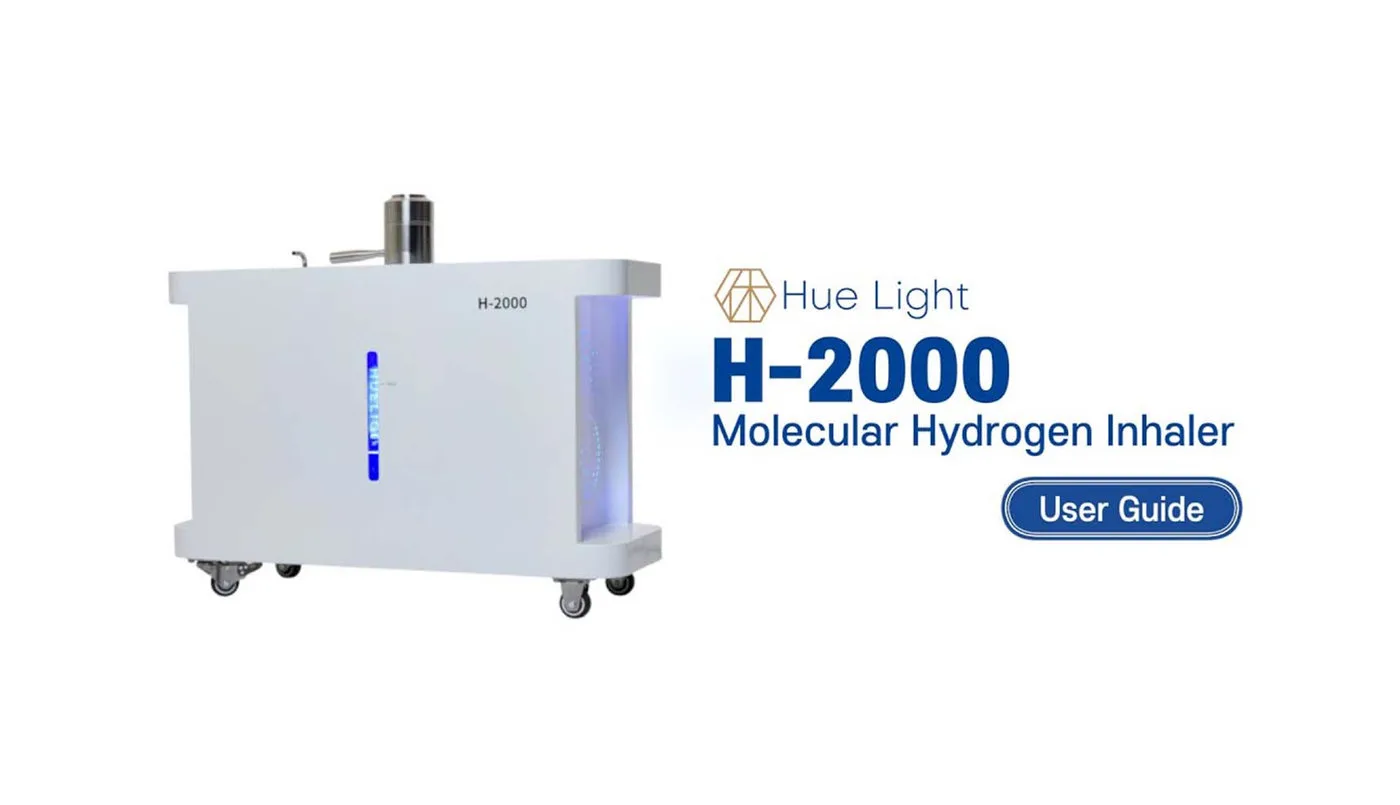
The second pillar of Hue Light USA’s clinical ecosystem is molecular hydrogen. In clinical circles, hydrogen is often discussed as behaving like a selective antioxidant that may support oxidative balance and cellular recovery. Hue Light’s medical-grade inhalation systems and nanobubble hydrogen bath tools bring this into clinic settings in a controlled way. Here’s how their partner practitioners tend to use hydrogen tools.
- Recovery and fatigue protocols. For clients reporting high training load, mental burnout, or slow recovery, hydrogen inhalation may be incorporated as a gentle support layer, often alongside PBM.
- Stress and sleep wellness programs. Some providers add hydrogen sessions when clients are working on nervous system down-regulation or sleep quality, as hydrogen may support relaxation and recovery readiness for certain individuals.
- Bath-based muscle and skin support. The nanobubble hydrogen spa device is commonly used in higher-end wellness clinics for clients seeking whole-body relaxation and a recovery-focused bathing experience.
A Practical Fit for Modern Facilities
From a clinical workflow perspective, Hue Light USA’s systems are designed to be easy to integrate. Sessions are short, scheduling is straightforward, and the modalities can sit alongside physiotherapy, regenerative protocols, or general wellness programming without competing with them.
For practitioners, the value is not only in the technology itself, but in its protocol flexibility. The combination of pulsed Nogier frequency PBM and hydrogen support gives clinics multiple ways to tailor care, respond to individual needs, and offer structured recovery sessions that may support better outcomes over time.
Hue Light USA is a featured brand in the Biohack Yourself Magazine Winter 2025/26 issue, available in stores and online on January 20, 2026.
Disclaimer:
Biohack Yourself Peer Review is an editorial, educational, and entertainment process for sponsored content. It is not a scientific peer review or regulatory evaluation. Please review our full Terms & Conditions and Legal Disclaimers