

.jpg)

.jpg)


Inside Greenberg Regenerative Medicine’s Approach to Repair-Focused, Non-Surgical Care
- Jan 13
- 4 min read
Updated: Feb 18
Biohack Yourself JAN 2026

If you’ve been living with joint pain, stubborn injuries, or post-concussion symptoms, you’ve probably heard the usual script: rest longer, manage the pain, maybe consider surgery if it doesn’t improve. Greenberg Regenerative Medicine offers a different approach. Instead of focusing only on masking discomfort, the clinic centers care around helping your body repair the tissue that’s driving the problem, whether that tissue is a ligament, tendon, cartilage surface, or part of the nervous system’s recovery loop.
Scott R. Greenberg, MD, leads the practice with a sports-medicine and regenerative-orthopedics lens. He’s treated everyone from everyday active adults to Olympic and professional athletes, and the clinic’s day-to-day work spans chronic pain, arthritis, sports injuries, and post-concussion syndrome.
For patients, the big idea is simple: you’re not being asked to “live with it.” You’re being evaluated on whether regenerative and integrative tools could help support strength, stability, and function.

Inside The Greenberg Method
Greenberg Regenerative Medicine uses a blend of regenerative injections and integrative therapies. These are selected based on your anatomy, your goals, and how your body is currently compensating. The clinic often combines modalities rather than treating them as isolated options. Key treatments include:
Stem cell–based procedures. These use your own mesenchymal-type cells and growth factors to help support repair in ligaments, tendons, joints, and cartilage. For some patients, this approach may reduce pain drivers and support healthier tissue over time.
VSEL therapy. Very Small Embryonic-Like stem cell therapy is a regenerative and longevity-focused service that uses cells from your own blood. It may help support tissue renewal and recovery capacity, and could fit patients exploring anti-aging support or help with symptoms tied to concerns like post-COVID, autoimmune conditions, chronic fatigue, insomnia, arthritis, chronic pain, skin aging, and hair loss.
Prolotherapy. A non-surgical injection technique intended to “signal” repair responses in connective tissue. It may help strengthen lax or injured ligaments and tendons, which could improve joint stability and reduce chronic strain.
Platelet-Rich Plasma (PRP). PRP is derived from your own blood and concentrated for growth-factor support. It’s used for a wide range of tendon, ligament, and joint issues, and may support recovery without adding synthetic drugs.
Integrative support (IV therapy). These tools may improve recovery capacity by helping support inflammation balance, circulation, nervous-system regulation, and musculoskeletal alignment, especially when pain is tied to multiple systems.
None of these approaches promises a one-size-fits-all outcome. The value is in personalization: choosing the right combination to match your injury pattern, lifestyle, and timeline.
Is This Right for You?
Regenerative orthopedics tends to attract people in a specific situation: you want to keep moving, but your body is holding you back. Maybe your knee pain makes every flight of stairs a negotiation. Maybe your shoulder won’t recover despite months of rehab. Maybe your concussion symptoms are lingering, and you’re tired of feeling foggy and fragile. In these contexts, Greenberg Regenerative Medicine may be worth exploring if you.
Prefer to avoid surgery unless it’s truly necessary
Seek an option that targets connective-tissue healing rather than only symptom control
Have tried standard conservative care with limited progress
Need a plan that supports performance, not just “getting by”
That’s also why the clinic sees a high volume of athletes, but the same principles apply to anyone who wants durable function in daily life.
Start With the Spot That’s Holding You Back
The clinic frames its work by starting with the body region that’s limiting you the most. Here’s how regenerative care is often positioned across common areas.
Knees. Knee pain often comes from cartilage wear, meniscus strain, or ligament instability. Regenerative injections may help support tissue repair and stability, so movement feels smoother and less guarded.
Feet and ankles. These joints absorb huge forces and are prone to tendon irritation and ligament micro-tears. Targeted regenerative work may help calm chronic inflammation patterns and support stronger push-off and balance.
Hips. Hip pain can reflect joint irritation, labral stress, or compensations from spine mechanics. Treatment may focus on restoring joint integrity and reducing overload that radiates into gait and posture.
Wrists and hands. Overuse, tendon strain, and small-joint arthritis can make daily tasks feel surprisingly hard. PRP or prolotherapy may help support tendon and joint resilience for grip, rotation, and fine motor control.
Elbows. Tennis elbow and golfer’s elbow are classic tendon-degeneration problems. Regenerative injections may help stimulate healthier tendon remodeling and reduce recurring flare-ups.
Shoulders. Rotator-cuff irritation or labral issues can limit sleep and overhead movement. Repair-focused protocols may help improve stability and reduce the “catching” or weakness that drives pain.
Head and neck. Persistent neck pain or post-injury headaches often tie into ligament strain and nervous-system sensitization. Treatment may combine regenerative support with integrative therapies aimed at helping reduce tension and restoring stability.
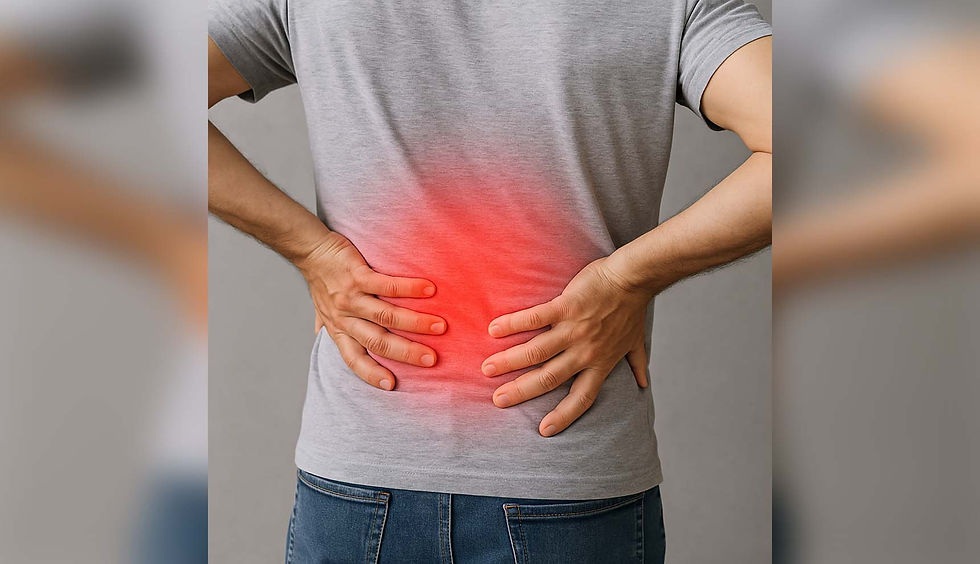
Back and spine. Chronic back pain frequently involves ligament laxity, disc irritation, and muscular guarding. Prolotherapy or PRP may help strengthen support structures and reduce mechanical overload.
Arthritis. Arthritis pain is not just “wear and tear;” it’s often a mix of inflammation, cartilage stress, and joint instability. Regenerative approaches may help improve the joint environment and support mobility when paired with smart rehab.

Putting It All in Perspective
Greenberg Regenerative Medicine is built for people who don’t want pain to be their identity. The clinic’s mix of regenerative injections and integrative care is designed to help your body repair, stabilize, and perform without defaulting immediately to surgery or long-term medication reliance.
If you’re considering this path, the most useful next step is a thorough evaluation with a trained regenerative provider. The goal isn’t to promise a perfect outcome. It’s to see whether your body has the right targets for repair, and whether a personalized regenerative plan could help you get back to doing what you love with fewer limits.
Greenberg Regenerative Medicine is a featured brand in the Biohack Yourself Magazine Winter 2025/26 issue, available in stores and online on January 20, 2026.
Disclaimer:
Biohack Yourself Peer Review is an editorial, educational, and entertainment process for sponsored content. It is not a scientific peer review or regulatory evaluation. Please review our full Terms & Conditions and Legal Disclaimers


