

.jpg)

.jpg)


You Spend a Third of Your Life in Bed. Is It Actually Helping You Recover?
- 1 hour ago
- 4 min read
Biohack Yourself JUL 2026

When people think about optimizing their health, they often focus on what happens during the day.
They improve their diet, upgrade their supplements, track their workouts, monitor their bloodwork, and invest in wearable devices that measure everything from heart rate variability to sleep stages.
Yet many overlook the place where recovery actually happens.
The bed.
Considering that most people spend roughly one-third of their lives sleeping, it is surprising how little attention is often given to the role a bed plays in overall health and wellness. While sleep trackers have become increasingly sophisticated, the physical environment where sleep takes place has remained relatively unchanged for many households.
That is beginning to change as a new generation of sleep technology focuses not just on measuring recovery, but actively supporting it.
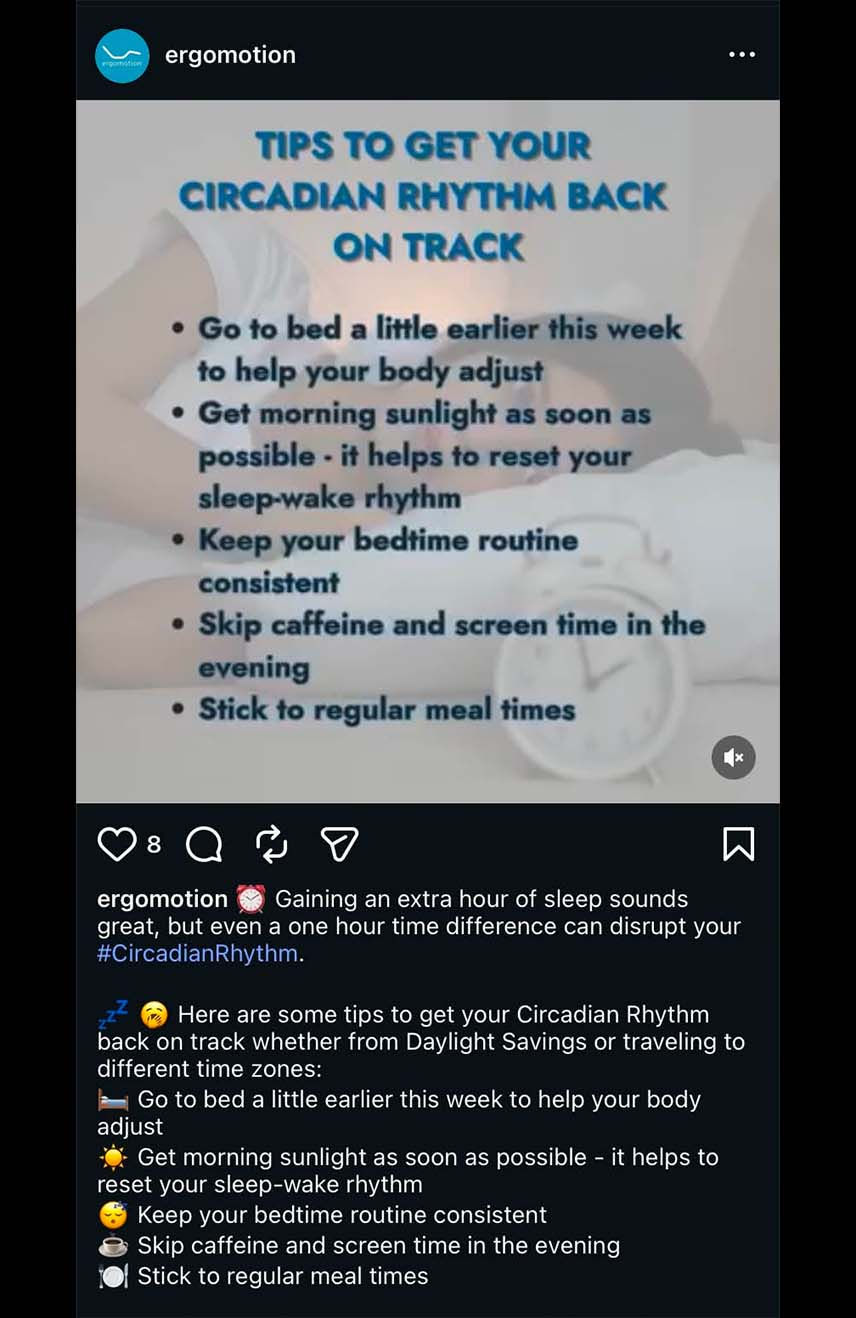
Sleep Is About More Than Getting Enough Hours
For many individuals, sleep quality remains frustratingly elusive.
Even when the recommended number of hours is achieved, it is still possible to wake up feeling tired, stiff, or unrested. Factors such as body positioning, circulation, comfort, snoring, nighttime movement, and physical discomfort can all influence how restorative sleep feels.
This is one reason sleep optimization has become such an important part of the wellness conversation. Researchers continue to explore the relationship between sleep quality and everything from recovery and cognitive performance to metabolic health and healthy aging.
The challenge is that better sleep is rarely the result of a single intervention.
The environment matters just as much as the habits.
Why Adjustable Beds Are Becoming More Popular
Traditional beds offer one sleeping position: flat.
The human body, however, is not always most comfortable that way.
Adjustable sleep systems allow users to elevate their head, feet, or both, creating customized positions based on individual preferences and needs. For some people, this may help reduce pressure on joints, improve overall comfort, support circulation, or create a more relaxing environment for reading, watching television, or winding down before bed.
Many adjustable bed users also report improvements in comfort related to snoring, swelling, acid reflux, and general sleep quality.
Rather than forcing the body to adapt to a fixed sleeping surface, adjustable systems allow the sleep environment to adapt to the individual.

When the Bed Becomes Part of Your Wellness Routine
The Dawn House Adjustable Hi-Low Smart Bed takes this concept a step further by integrating wellness-focused features directly into the bed itself.
Built-in health sensors passively monitor sleep activity and key health indicators throughout the night, providing users with insights through the Dawn House mobile app. Instead of requiring another wearable device, information is gathered directly from the sleep environment.
The system also incorporates automatic anti-snore technology, which gently raises the head section of the bed when snoring is detected. This allows the bed to respond automatically rather than simply recording what happened overnight.
Additional features such as underbed lighting, voice control, smartphone integration, and Rise to Wake functionality create an experience that feels more personalized than a traditional sleep setup.
The result is a bed designed not only for comfort, but for active participation in the recovery process.
Recovery Extends Beyond Sleep
One of the more unique aspects of the Dawn House system is its adjustable height functionality.
Unlike conventional adjustable bases that only change sleeping position, the Dawn House bed can raise or lower its overall height, making it easier to get into or out of bed.
This may be especially valuable for older adults, individuals recovering from injuries, people managing mobility challenges, or anyone who wants greater comfort and accessibility within their bedroom environment.
The optional support rail further enhances this functionality by providing additional stability and confidence when entering or exiting the bed.
These features highlight a broader shift occurring within the wellness industry. Recovery is no longer viewed exclusively through the lens of exercise, nutrition, or supplementation. Increasingly, people are looking at how their home environment can support long-term health, comfort, and independence.

A Better Sleep Environment May Support Better Recovery
While no single product can replace healthy sleep habits, the quality of the sleep environment can influence how well the body recovers each night.
The Dawn House Adjustable Hi-Low Smart Bed combines adjustable positioning, passive health monitoring, automatic anti-snore response, underbed lighting, voice controls, and accessibility-focused design into a single system designed around sleep and recovery.
As wellness continues to move beyond tracking and toward creating supportive environments, products like the Dawn House bed reflect a growing realization: improving sleep is not only about gathering more data.
It is also about creating a space that helps the body recover more effectively.
Because if you spend a third of your life in bed, it may be worth asking whether your bed is doing more than simply giving you a place to sleep.
Ergomotion is a featured brand in the Biohack Yourself Magazine Summer 2026 issue with Bryan Johnson on the cover, available in stores and online on July 27, 2026.
Disclaimer:
Biohack Yourself Peer Review is an editorial, educational, and entertainment process for sponsored content. It is not a scientific peer review or regulatory evaluation. Please review our full Terms & Conditions and Legal Disclaimers


