Sponsored content
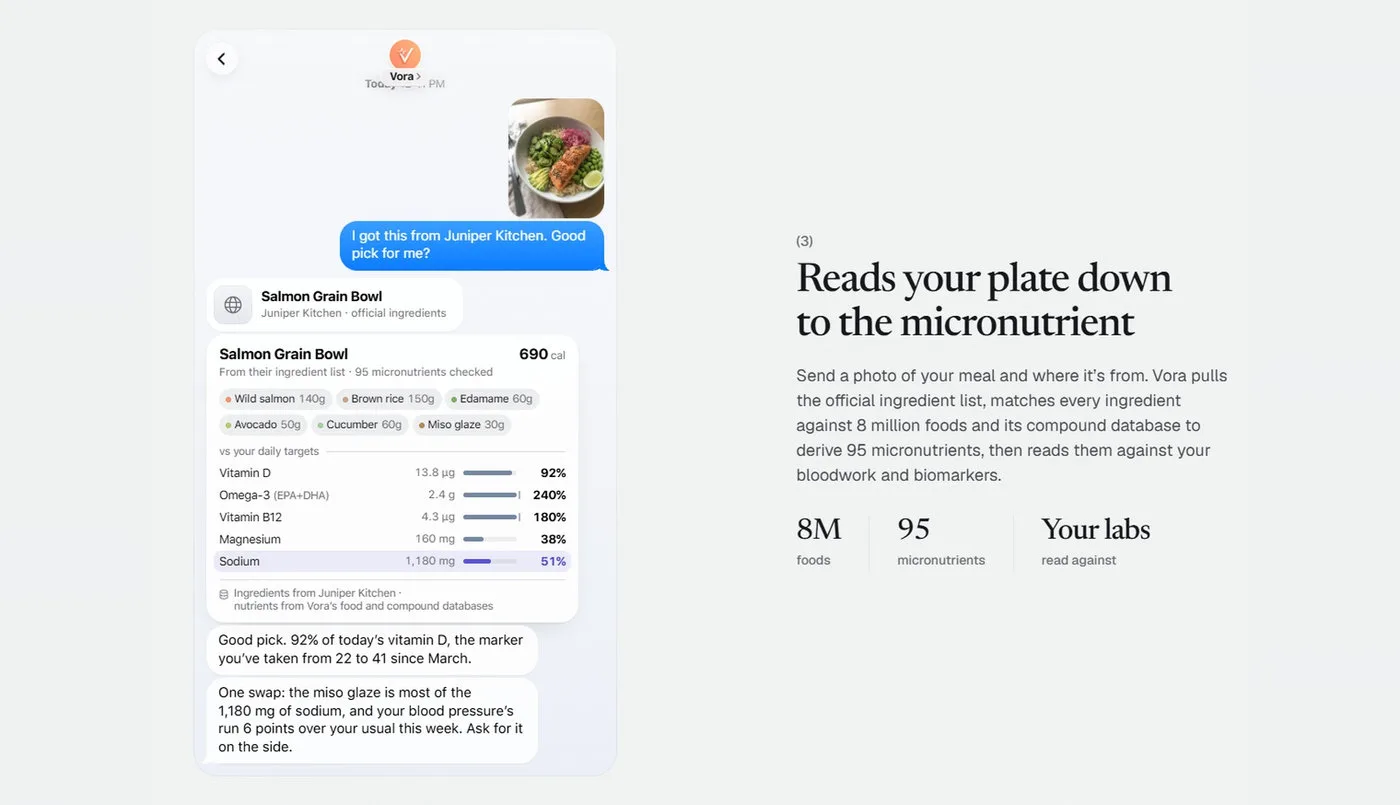
You order a salmon bowl for lunch. It has plenty of protein, healthy fats, and a reasonable number of calories.
You log it in your nutrition app, check your daily totals, and feel good about your choice.
But what about the nutrients you aren't tracking?
How much magnesium did you actually consume? Are you getting enough vitamin D? Could that seemingly healthy dressing contain more sodium than you expected?
Most nutrition apps can tell you how much you've eaten. Far fewer help you understand how those choices fit into your broader health picture.
And that distinction matters.
Because eating well isn't simply about staying within a calorie target. It's also about understanding what your body receives from the food on your plate.
Calories Tell You How Much, Not Everything You're Getting
Two meals can contain identical calories while providing very different nutritional profiles.
One might be rich in protein, fiber, vitamins, and minerals. Another might offer similar energy but fewer essential nutrients.
Neither calorie count tells the entire story.
Micronutrients such as magnesium, iron, vitamin B12, and vitamin D support numerous biological functions, including energy metabolism, nerve function, and maintaining healthy tissues.
Yet many people focus primarily on calories, carbohydrates, protein, and fat because those are the numbers their tracking apps emphasize.
Understanding micronutrient intake can add another layer of context, especially when considered alongside individual dietary needs and relevant laboratory results.
That's where Vora takes a more comprehensive approach to nutrition tracking.
What If Your Food Diary Could Understand Your Bloodwork?
Imagine taking a picture of your lunch and receiving more than a calorie estimate.
Vora is designed to analyze meals using food information, ingredient data, and an extensive nutritional database covering approximately eight million foods.
Its system can assess up to 95 micronutrients, helping users explore nutritional details that conventional food logging may overlook.
But the more interesting part is what happens when that information connects with other health data.
For example, someone monitoring vitamin D levels might benefit from understanding how much of the nutrient their meals provide alongside changes observed in their bloodwork.
Someone watching sodium intake could compare meals with broader health trends, rather than treating each food choice as an isolated event.
These comparisons don't establish that a particular meal caused a health change. They may, however, help people recognize patterns worth exploring.
Your Nutrition Doesn't Exist in Isolation
What you eat is only one part of your daily routine.
Sleep, physical activity, stress, and individual health circumstances can influence how you feel and perform.
Yet information about these areas often lives in completely separate places.
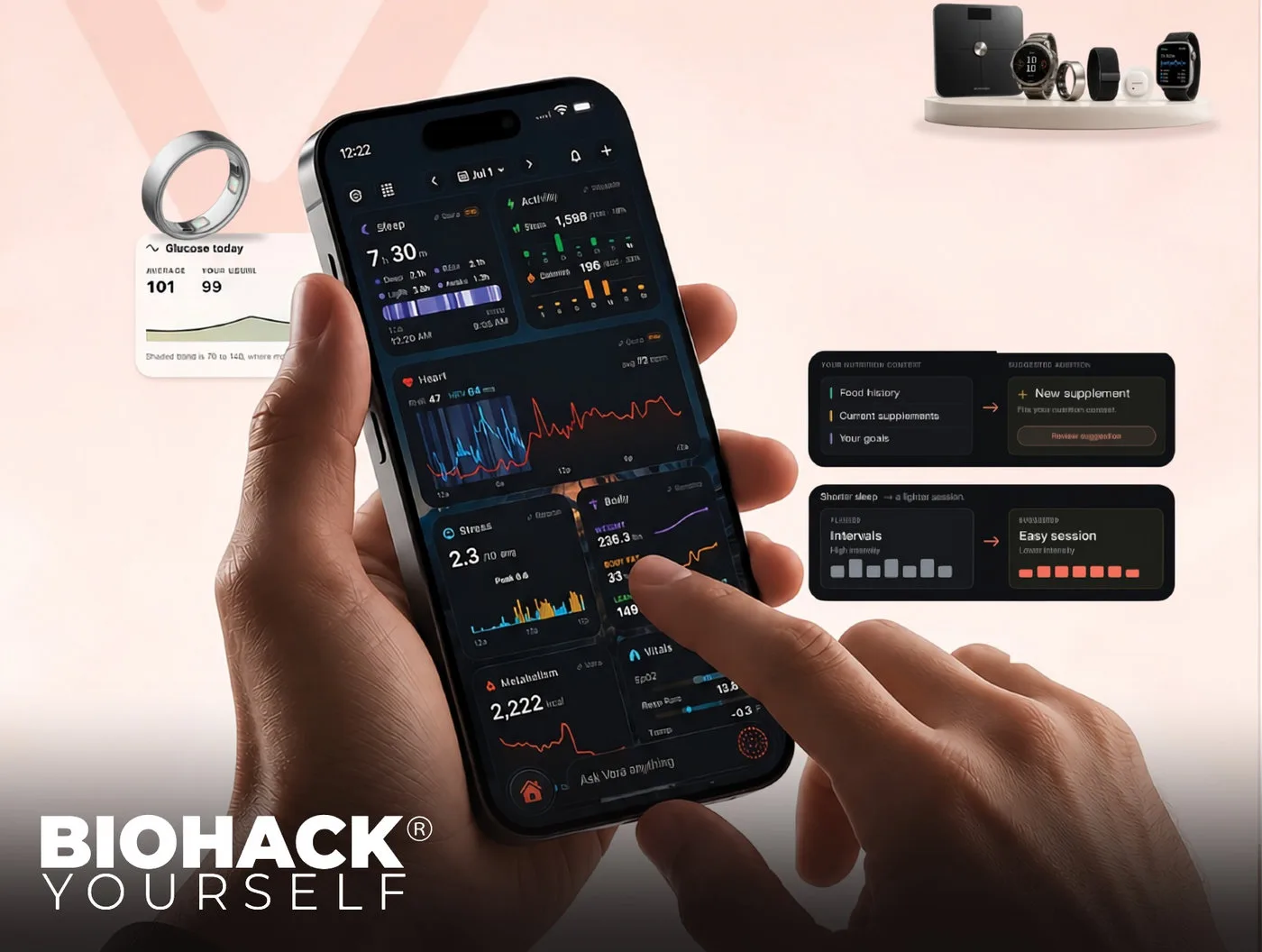
Your smartwatch tracks movement. Your smart ring monitors sleep. Your food app records meals. Your bloodwork sits in a patient portal.
Vora brings these sources together through integrations with numerous health platforms and devices, including Apple Health, Oura, WHOOP, Garmin, Fitbit, and compatible glucose monitors.
By viewing information in one place, users may find it easier to explore relationships between eating habits, recovery, activity, and health markers.
The goal isn't to turn every meal into a complicated scientific experiment.
It's to make the information you're already collecting more useful.
When Tracking Becomes Understanding
Consider someone who regularly wakes up during the night.
Their wearable records interrupted sleep, while their nutrition app shows what they ate the previous evening.
Viewed separately, neither record provides much explanation.
But comparing meal timing, glucose trends, and sleep patterns may reveal recurring associations worth investigating.
Vora is developing proactive insights that can bring these observations to users' attention, including planned messaging through iMessage and WhatsApp.
Rather than requiring people to manually examine every graph, the technology aims to highlight meaningful changes and provide supporting context.
These insights remain informational, not medical diagnoses. Blood glucose fluctuations, sleep disruptions, and abnormal laboratory results should be interpreted with qualified healthcare professionals.
A More Complete Picture of Everyday Health
Vora also allows users to bring laboratory results into their health tracking experience.
Instead of looking at a single blood test in isolation, they can follow markers across multiple tests and compare those trends with changes in nutrition, training, and other habits.
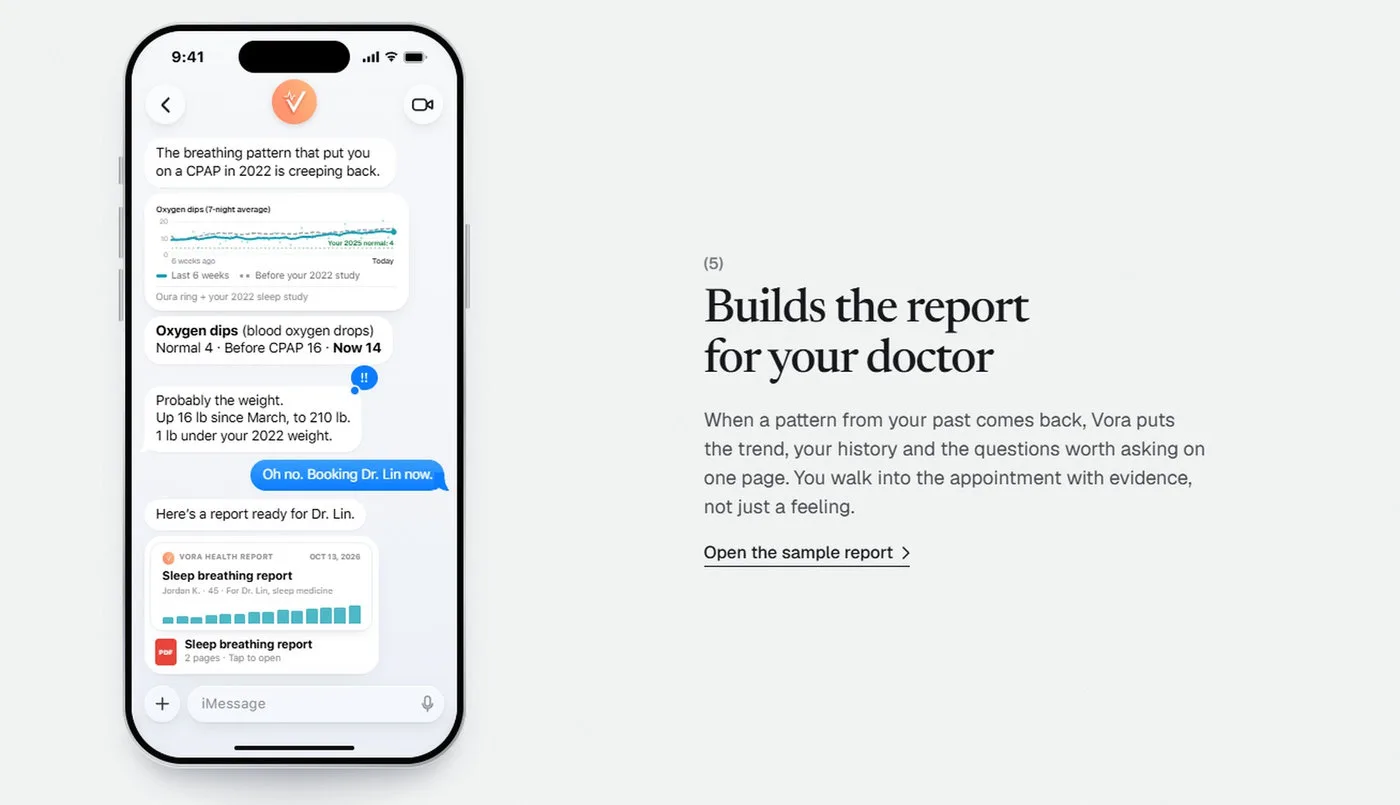
The platform can also organize relevant information into reports intended to support more productive conversations with healthcare providers.
That creates an opportunity to move beyond simply collecting numbers toward asking better questions about personal health.
The Next Step Beyond Counting Calories
Calories still matter. So do protein, carbohydrates, and fats.
But they're only part of the nutritional picture.
Understanding micronutrients, reviewing longer-term trends, and connecting food choices with other health information may help people make more informed decisions.
Vora brings those pieces together in a platform designed to make complex health data easier to navigate.
Because the most useful nutrition question isn't always how many calories were in your lunch.
Sometimes, it's what that lunch contributed to your health beyond the numbers you've been counting.
Vora is a featured brand in the Biohack Yourself Magazine Fall 2026 issue with Ashton Hall on the cover, available in stores and online on November 17, 2026.
Disclaimer:
Biohack Yourself Peer Review is an editorial, educational, and entertainment process for sponsored content. It is not a scientific peer review or regulatory evaluation. Please review our full Terms & Conditions and Legal Disclaimers