Sponsored content
Stress gets plenty of attention, but what happens after a stressful moment is just as important.
Finishing a difficult workout, closing your laptop, or sitting down at the end of the day does not necessarily mean your body has immediately shifted into recovery mode.
That transition is regulated largely by the autonomic nervous system. Increasing interest in this process has also brought technologies such as Pulse PEMF into the recovery conversation, alongside established practices including sleep, breathing exercises, movement, and relaxation.
Understanding how the body moves out of a heightened state offers a different way to think about recovery. Rest is not simply the absence of activity; it also involves physiological changes that allow the body to regulate and restore itself.
How the Nervous System Changes Gears
The autonomic nervous system controls processes that occur largely without conscious effort, including heart rate, digestion, and blood vessel activity. Two major branches help the body respond to changing demands.
The sympathetic nervous system is associated with the familiar "fight-or-flight" response. During periods of physical or psychological stress, it helps mobilize resources needed to respond. The parasympathetic nervous system plays a complementary role, supporting functions associated with rest, digestion, and energy conservation.
Healthy regulation involves moving between these states as circumstances change. Problems can arise when periods of demand are frequent and opportunities to downshift are limited.
Why Sitting Down Isn't Always Recovery
Modern stress rarely arrives one challenge at a time. Work can be followed by exercise, commuting, notifications, family responsibilities, and late-night screen exposure. Someone may technically stop working while remaining mentally stimulated or physically tense.
This is why deliberate recovery practices can matter. Slow breathing, meditation, gentle movement, sufficient sleep, and periods away from constant stimulation can provide opportunities for the nervous system to regulate after demanding experiences.
Recovery is therefore less about doing absolutely nothing and more about creating conditions that allow the body to transition away from sustained activation.
What HRV Reveals About Recovery
Heart rate variability, or HRV, is one way researchers examine autonomic regulation. HRV measures variations in the time intervals between heartbeats, rather than simply measuring how fast the heart is beating.
Certain HRV measurements are associated with parasympathetic cardiac activity, which has helped make HRV popular among athletes and people interested in recovery. However, HRV is influenced by sleep, breathing, exercise, illness, alcohol, medications, and measurement conditions, so it should not be viewed as a perfect standalone "recovery score."
Instead, HRV provides one useful window into how the autonomic nervous system is responding.
PEMF and the Autonomic Nervous System
Researchers have also begun investigating whether pulsed electromagnetic field therapy may influence autonomic activity.
In one small randomized, placebo-controlled pilot study involving 32 people with chronic musculoskeletal pain, researchers measured HRV before and after a single PEMF intervention. Several HRV changes in the treatment group were consistent with increased parasympathetic activity, although the researchers emphasized that the findings were preliminary.
More recent research has continued examining possible relationships between PEMF, autonomic regulation, sleep, and anxiety. However, PEMF devices can differ significantly in frequency, intensity, application, and treatment protocols. Findings involving one intervention therefore should not automatically be applied to every PEMF system.
The evidence remains developing, but it introduces an interesting area of research: whether electromagnetic stimulation may have a role in helping influence the physiological processes involved in relaxation and recovery.
Where Pulse PEMF Fits
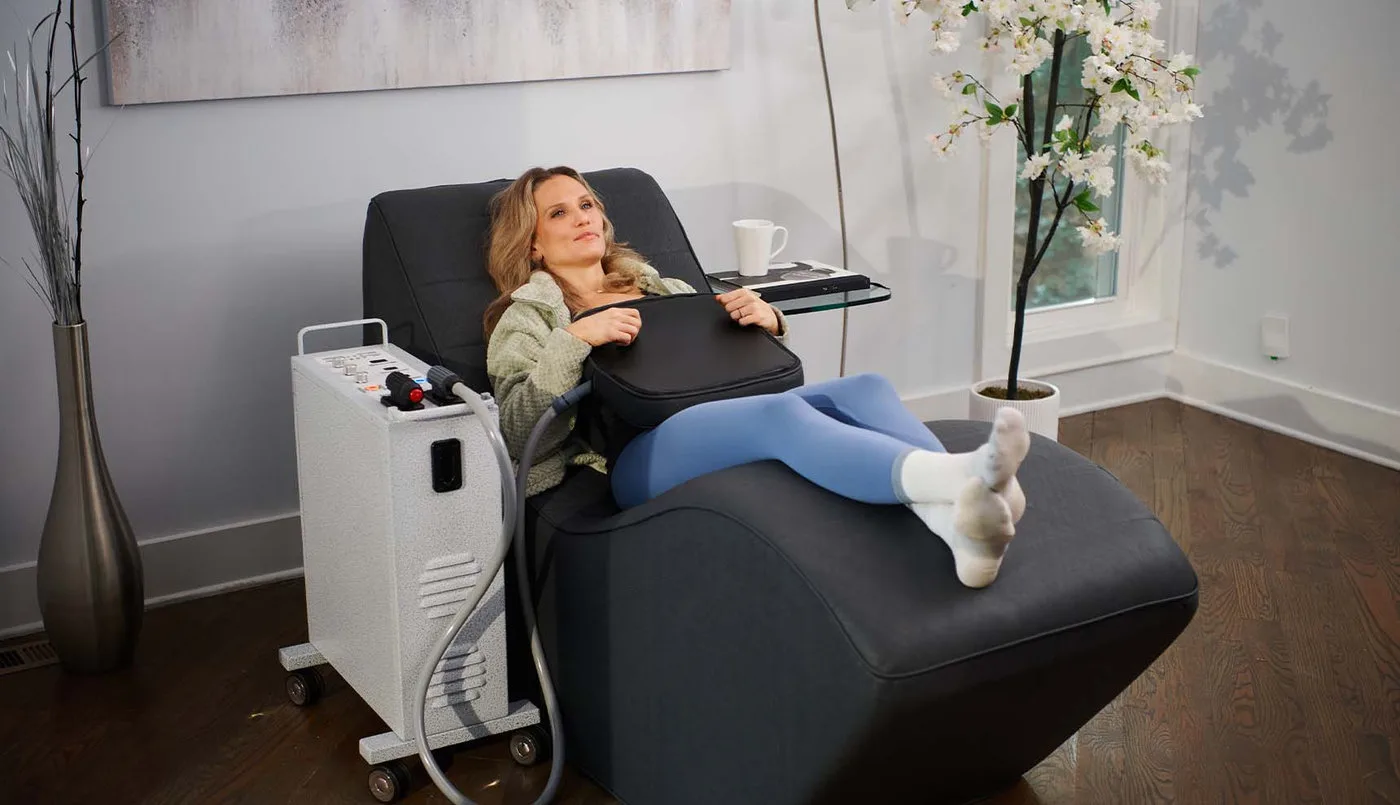
Pulse PEMF uses high-intensity pulsed electromagnetic field technology as part of its approach to wellness and recovery. The company includes relaxation and support for parasympathetic activity within its broader discussion of how PEMF may interact with the body.
A session can also provide something increasingly scarce in modern routines: dedicated recovery time. Rather than moving immediately from one demand to another, users spend a defined period focused on slowing down and allowing the body to transition.
PEMF is not a substitute for recovery fundamentals. Sleep, nutrition, appropriate exercise, movement, and stress management remain foundational. Instead, it represents another tool being explored within a larger shift toward making recovery more deliberate.
Getting Better at Coming Down
Performance culture has become remarkably good at helping people activate. Caffeine increases alertness, workouts challenge the body, and technology allows productivity to continue almost anywhere. The ability to transition in the opposite direction deserves equal attention.
Learning to downshift can involve surprisingly basic behaviors: slowing the breath, taking an easy walk, stepping away from screens, maintaining a consistent sleep routine, or deliberately creating periods without another demand waiting.
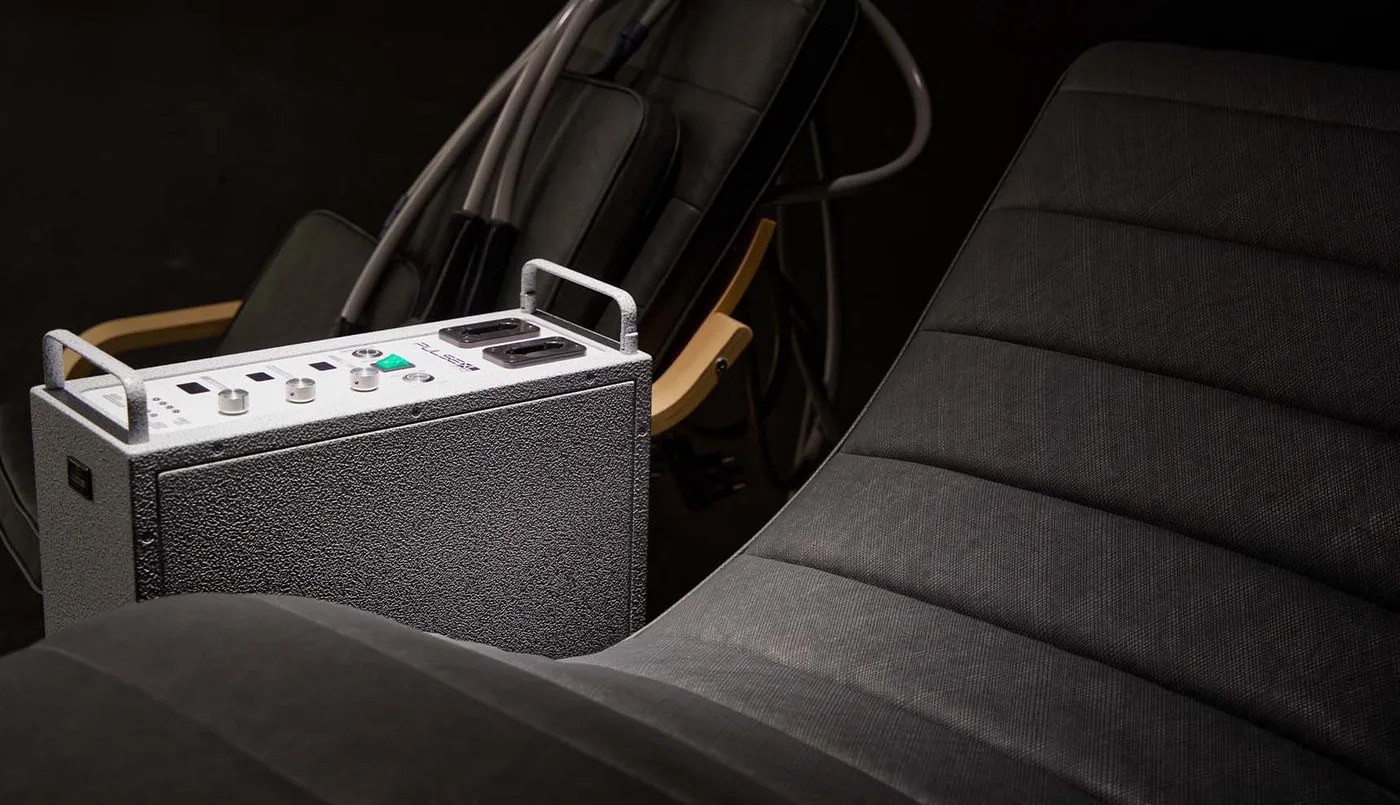
Technologies such as Pulse PEMF add another dimension to this evolving recovery landscape. As research into PEMF and autonomic regulation develops, the broader lesson is already useful: recovery does not begin simply because the stressful event ended. The body still has to make the transition.
Pulse PEMF is a featured brand in the Biohack Yourself Magazine Fall 2026 issue with Ashton Hall on the cover, available in stores and online on November 17, 2026.
Disclaimer:
Biohack Yourself Peer Review is an editorial, educational, and entertainment process for sponsored content. It is not a scientific peer review or regulatory evaluation. Please review our full Terms & Conditions and Legal Disclaimers