Sponsored content
A vivid dream can stay with you long after you wake.
Maybe it involved a familiar person in an unfamiliar place. Maybe the same situation has appeared several times. Or perhaps there was no obvious story at all, only an emotion that followed you into the morning.
Most of us eventually move on with our day.
But dreams can reflect emotions, memories, concerns, and experiences being processed during sleep. While interpreting them is not an exact science, paying attention to recurring themes may provide another way to reflect on what occupies your inner world.
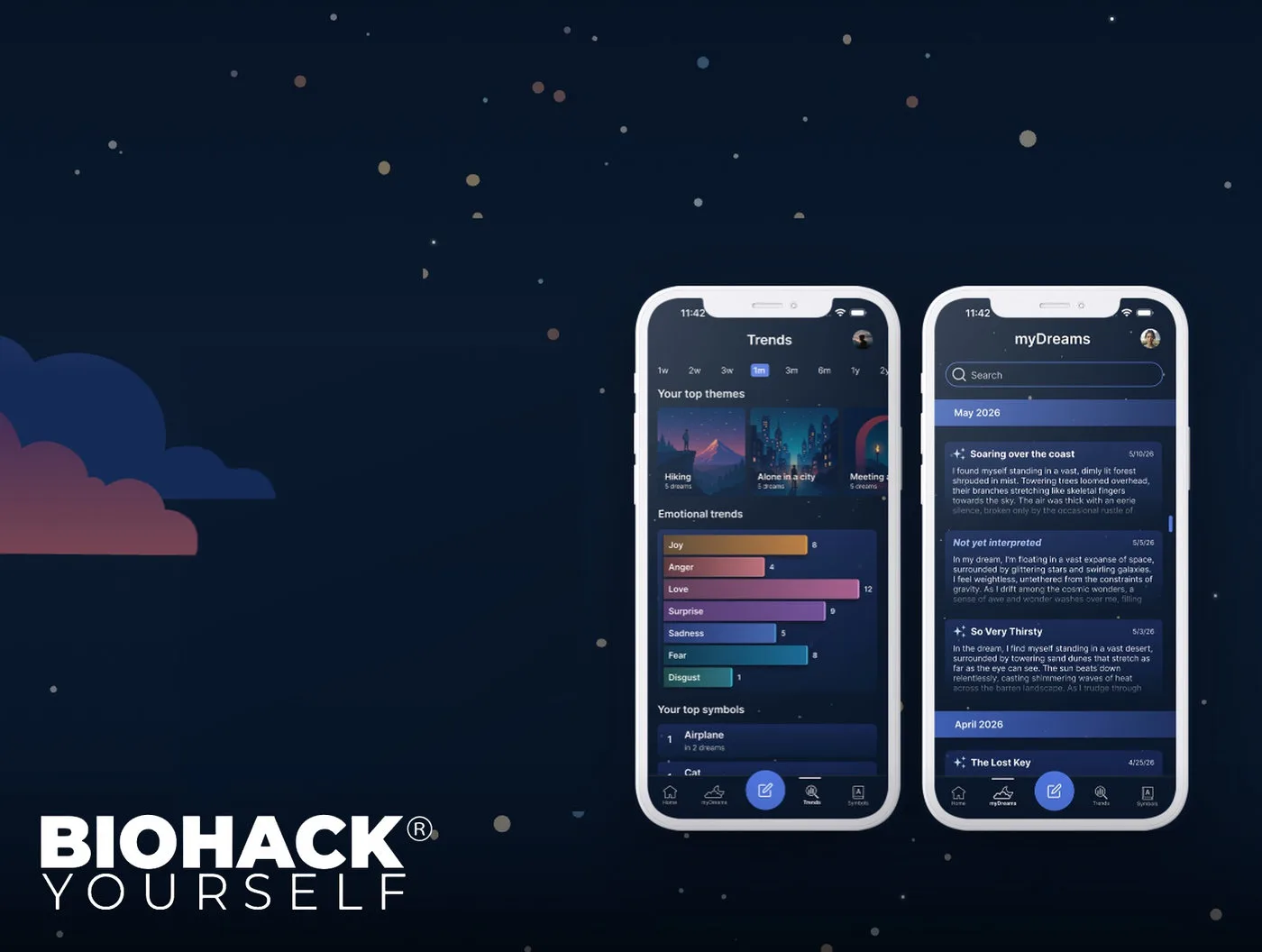
myDream was created to make that process easier, combining dream journaling with AI-powered interpretation and longer-term pattern tracking.
The First Challenge Is Remembering the Dream
Dreams can disappear remarkably quickly after waking.
That makes recording them one of the most useful first steps for anyone interested in exploring their dreams over time. The details that initially seem unforgettable can become difficult to reconstruct later in the day.
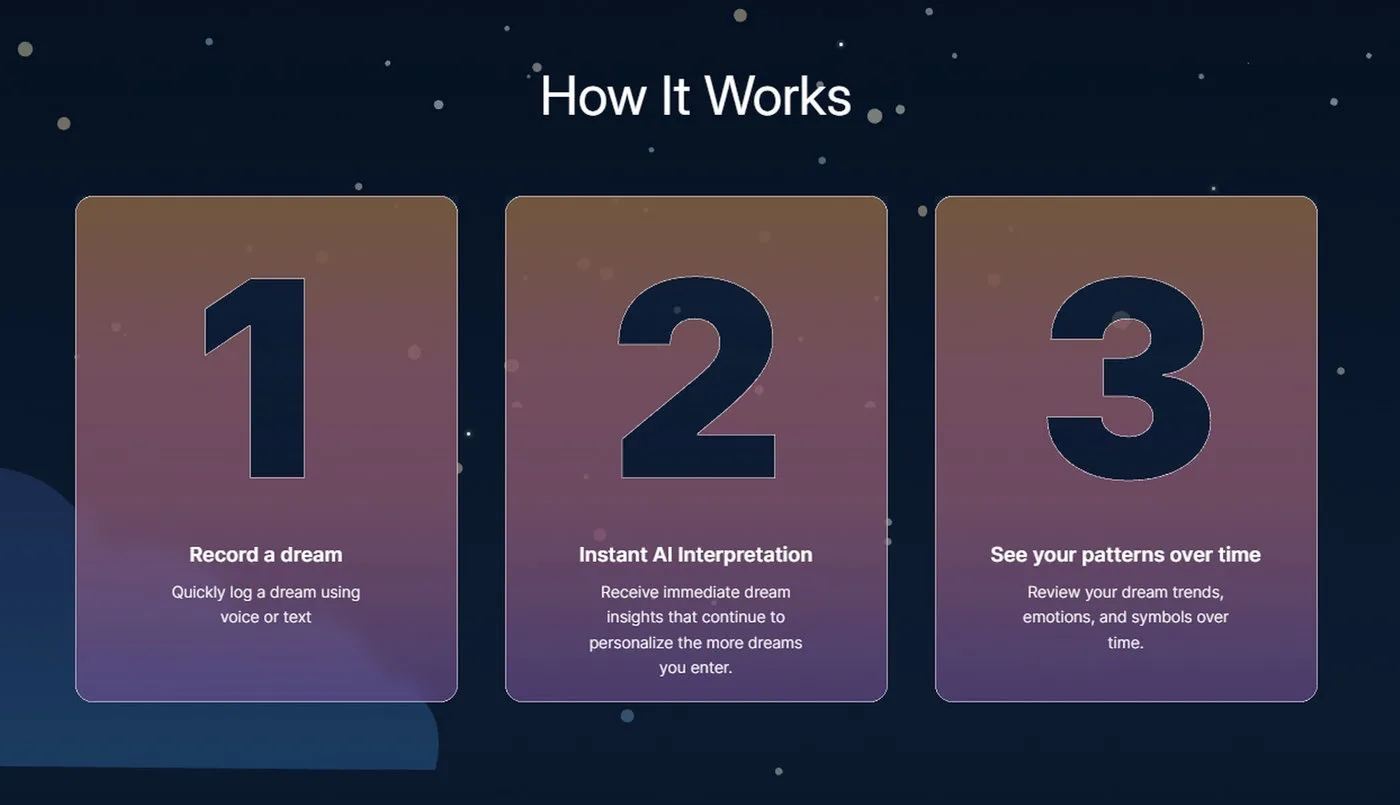
myDream lets users capture a dream through either voice or text, reducing the effort required to document it while the memory is still fresh.
Once entered, the dream becomes part of an ongoing personal record rather than an isolated experience.
This distinction matters because a single dream may be difficult to place in context. Patterns can become more interesting when you have weeks or months of entries to revisit.
AI Can Help You Look Beyond a Single Dream
After a dream is recorded, myDream provides an instant personalized AI interpretation.
Rather than simply presenting a generic definition for an individual symbol, the app is designed to consider the dream more broadly and provide insights that become increasingly personalized as more dreams are entered.
The goal is not to tell users that a particular object always means one specific thing.
Dreams are highly personal. The same image may carry completely different associations for two people depending on their memories, relationships, experiences, and current circumstances.
Instead, myDream is positioned as a tool for guided self-reflection, helping users consider possible emotions, themes, and connections they may not have noticed on their own.
The Bigger Picture Emerges Over Time
Perhaps the more interesting part of dream journaling is not what happened last night.
It is what keeps happening.
myDream allows users to review dream trends, emotional patterns, and recurring symbols over time. A repeated setting might become noticeable. Certain emotions may appear during particular periods of life. Similar themes could surface even when the individual dreams seem unrelated.
That turns the experience from a one-time interpretation into a longer-term record of your dream life.
The app's approach was shaped with guidance from psychiatrists, psychologists, therapists, and other dream experts. Their input helped inform areas including its interpretation framework, dream-symbol library, educational content, feature development, and user experience.
Experts provide ongoing guidance and accuracy validation as the platform develops.
Your Most Personal Thoughts Should Stay Personal
There is another consideration when asking technology to analyze something as intimate as a dream: privacy.
Dream entries can contain deeply personal details about relationships, fears, memories, ambitions, and experiences that someone may never share publicly.
myDream was built with a privacy-first approach, securely storing personal details and committing not to sell users' data.
That emphasis is especially relevant for an app designed to become more useful as users build a longer history of entries.
For dream journaling to become a genuine habit, people need to feel comfortable recording the details they might otherwise keep entirely to themselves.
The Idea Began With a Dream
The story behind myDream is fittingly connected to the experience the app is designed to explore.
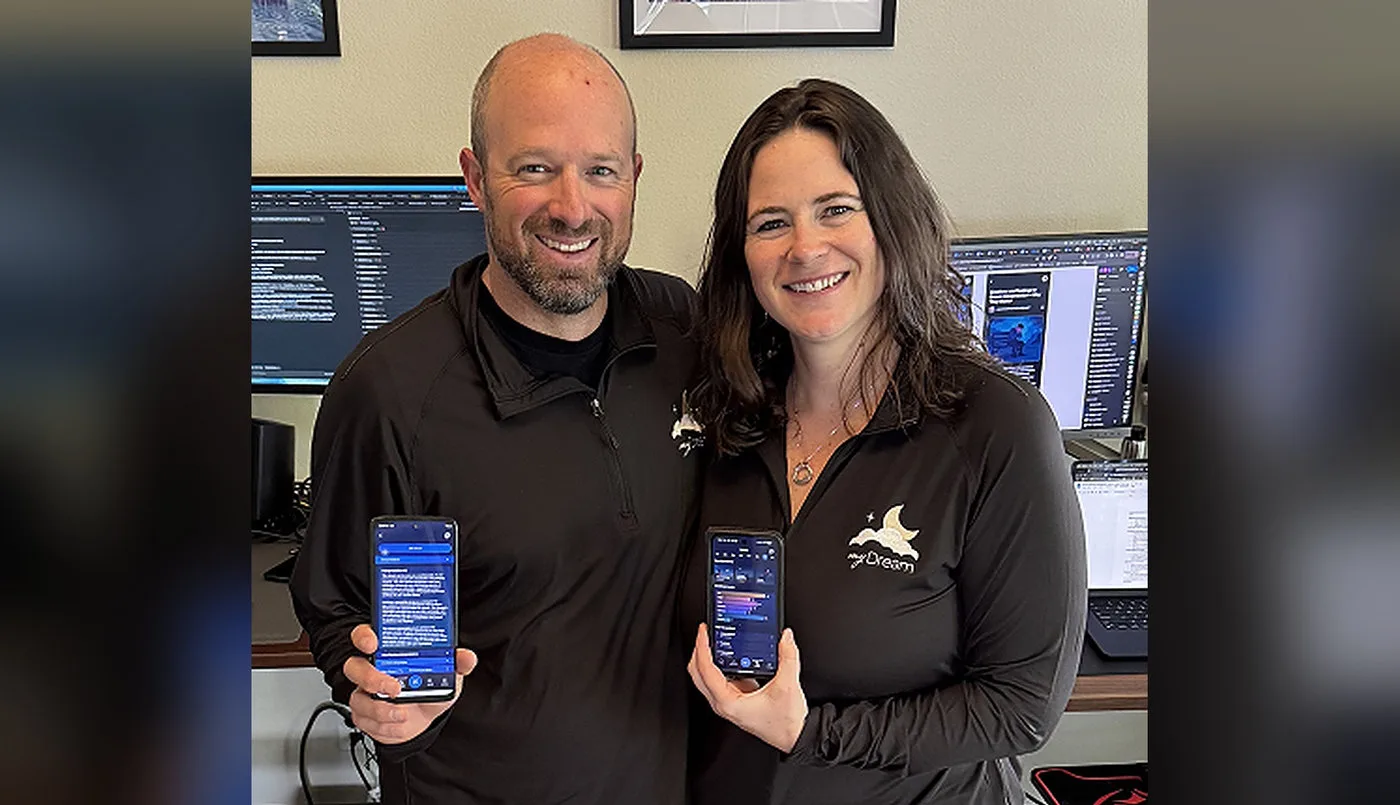
CEO Amy Perez had been working on major initiatives aimed at improving government services, while her husband, Joel, had built a career in technology.
A meaningful dream prompted Amy to reconsider the relationship between achievement and personal alignment. The couple eventually stepped away from their established careers, traveled, and began developing what would become myDream.
The result brings their backgrounds together: technology used not simply to provide information, but to help people examine something deeply personal.
A Different Kind of Morning Routine
Many morning routines begin by looking outward.
You check your messages, open social media, review your schedule, or start thinking about everything that needs to happen before the day is over.
Dream journaling offers a moment to look inward first.
With myDream, that can be as simple as speaking or typing what you remember, receiving an interpretation, and gradually watching themes develop across your entries.
No interpretation can definitively tell you what a dream means. But sometimes the value is in having a reason to examine it more closely.
Because the dream you almost forgot this morning might contain a thought, feeling, or pattern worth paying attention to.
myDream is a featured brand in the Biohack Yourself Magazine Fall 2026 issue with Ashton Hall on the cover, available in stores and online on November 17, 2026.
Disclaimer:
Biohack Yourself Peer Review is an editorial, educational, and entertainment process for sponsored content. It is not a scientific peer review or regulatory evaluation. Please review our full Terms & Conditions and Legal Disclaimers