Sponsored content
You've had another restless night.
Your mind keeps racing through tomorrow's responsibilities, your shoulders feel tense, and the thought of another exhausting day isn't helping.
Maybe you've tried adjusting your bedtime routine, cutting back on caffeine, or finding ways to manage stress.
But when anxiety, poor sleep, or persistent discomfort continue interfering with everyday life, finding relief can become frustrating.
Medication can be an important part of treatment, but it isn't the only approach available.
What if another option involved something you might not expect?
Gentle electrical stimulation.
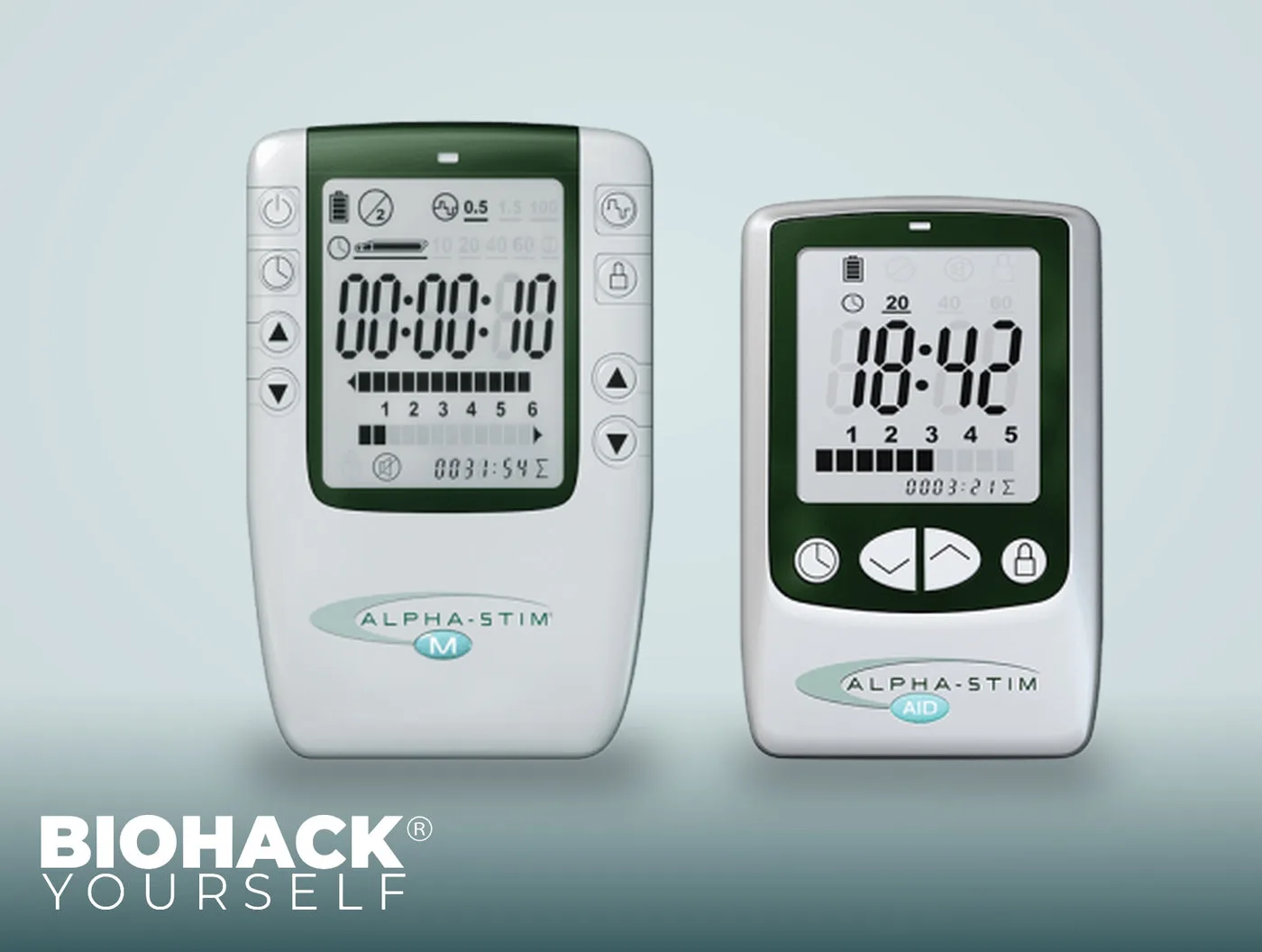
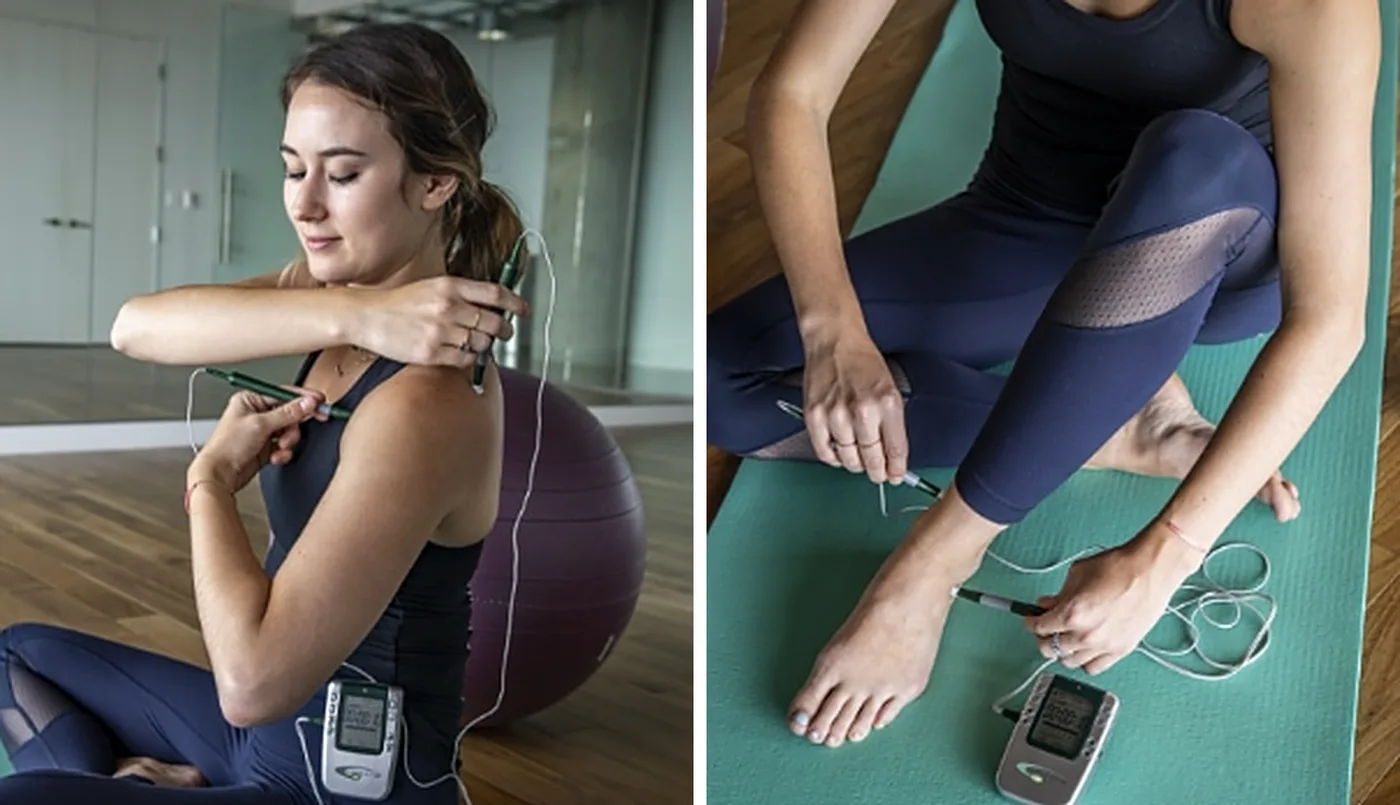
That's the technology behind Alpha-Stim, an FDA-cleared prescription medical device that uses cranial electrotherapy stimulation (CES) to help manage anxiety and insomnia, with a separate model designed to address pain.
When Your Mind and Body Both Need a Break
Anxiety doesn't always stay in your thoughts.
It can show up as muscle tension, difficulty concentrating, restlessness, or trouble falling asleep.
And when insomnia disrupts your nights, managing everyday stress may feel even harder.
Physical discomfort can complicate things further, creating a cycle where pain interferes with rest and poor sleep makes discomfort more difficult to tolerate.
These experiences can influence one another, which is why treatment often involves understanding more than one symptom.
Counseling, medication, sleep-focused interventions, and lifestyle changes may all play important roles.
But researchers have also explored whether noninvasive electrical stimulation could provide another way to influence nervous system activity.
How Can Electrical Stimulation Help?
Cranial electrotherapy stimulation uses low-intensity electrical currents delivered through electrodes positioned on the body.
Alpha-Stim uses a patented waveform delivered through small electrodes clipped to the earlobes.
During a session, the device delivers a gentle, rhythmic current intended to influence electrical activity associated with nervous system function.
Unlike medication, CES doesn't introduce a chemical substance into the body.
The treatment is also designed to be portable, allowing eligible patients to use the device at home under appropriate healthcare guidance.
Research has investigated CES for anxiety and sleep-related concerns, with some studies reporting improvements in symptoms.
However, findings vary across studies, and further high-quality research is needed to clarify which patients benefit most and how durable those benefits may be.
CES should therefore be understood as a treatment option to discuss with a healthcare professional, rather than a guaranteed solution.

Different Concerns, Different Devices
Alpha-Stim offers two devices designed for different treatment needs.
The Alpha-Stim AID is intended for anxiety and insomnia.
Its earclip-based design allows users to complete sessions without complicated equipment or physically demanding activities.
Treatment sessions may last between 20 minutes and an hour, depending on the prescribed protocol.
For people experiencing persistent discomfort, Alpha-Stim M offers additional functionality for managing acute, chronic, and post-traumatic pain.
The M model combines CES with microcurrent electrical therapy, providing different approaches for the conditions it is designed to address.
CES has also been explored for depression, although Alpha-Stim is not FDA-cleared for treating depression in the United States.
Both devices are prescription medical technologies in the United States, making professional evaluation an important part of determining whether they're appropriate.
Why Drug-Free Doesn't Mean Risk-Free
One appealing aspect of Alpha-Stim is that it doesn't rely on pharmaceutical ingredients.
That means it doesn't carry the same chemical-dependence considerations associated with certain medications.
However, drug-free doesn't automatically mean free of side effects or suitable for everyone.
Electrical stimulation devices have precautions and contraindications, and some users may experience unwanted effects.
People should review the device's instructions, discuss relevant medical conditions with their healthcare provider, and follow the prescribed treatment plan.
It's also important not to discontinue medication or other established treatments without professional guidance.
For many individuals, effective care may involve combining approaches rather than choosing only one.
Making Room for More Treatment Options
Managing anxiety, insomnia, or pain is rarely about finding one universal answer.
What works for one person may not work for another, and treatment decisions often depend on symptom severity, medical history, preferences, and individual circumstances.
Alpha-Stim represents one way medical technology is expanding those conversations.
Its noninvasive approach offers eligible patients an additional option that may fit alongside other clinician-recommended strategies.
And perhaps that's the most meaningful development.
Healthcare doesn't have to be limited to a choice between enduring symptoms and taking another medication.
Sometimes, progress begins with understanding what other evidence-informed options may be available.
Because feeling better isn't always about adding another pill. It can also be about finding an approach that makes sense for your individual needs.
Alpha-Stim is a featured brand in the Biohack Yourself Magazine Fall 2026 issue with Ashton Hall on the cover, available in stores and online on November 17, 2026.
Disclaimer:
Biohack Yourself Peer Review is an editorial, educational, and entertainment process for sponsored content. It is not a scientific peer review or regulatory evaluation. Please review our full Terms & Conditions and Legal Disclaimers