“You are what you eat” isn’t just a catchy saying—it’s science. What you put on your plate doesn’t just fuel your body for the day; it shapes how well you age. Nutrition has a profound influence on the cellular pathways that regulate growth, repair, and aging. Among the most important players in this process are mTOR (mechanistic target of rapamycin) and PI3K (phosphoinositide 3-kinase)—pathways that respond to nutrients and decide whether your body focuses on growth or maintenance.
The catch? While these pathways are essential for survival, their overactivation by certain dietary habits can accelerate aging and increase the risk of chronic diseases. The good news is that you can manage them—and your longevity—with the right nutrition. Let’s dive into how your diet impacts these key pro-aging pathways and what you can do to keep them in balance.

The Role of Nutrition in Pro-Aging Pathways
Before we dive into the "how-to," let’s first understand why pathways like mTOR and PI3K matter for longevity.
mTOR: The Growth Command Center
mTOR acts as your body’s growth regulator, responding to nutrient signals—especially protein and amino acids. When nutrients are abundant, mTOR tells your cells to grow and divide. While this is great for short-term needs like building muscle or healing wounds, chronically elevated mTOR activity suppresses autophagy—the process your cells use to clean up and recycle damaged parts. Without autophagy, cellular “junk” builds up, leading to inflammation, oxidative stress, and a faster aging process.
PI3K: The Nutrient Sensor
PI3K is like your metabolism’s middleman, amplifying signals from insulin, glucose, and other nutrients. It plays a major role in managing energy use, cell survival, and growth. However, chronic overactivation of PI3K—often triggered by diets high in refined carbs and sugar—leads to insulin resistance, inflammation, and cellular dysfunction. All of this contributes to aging and age-related diseases.
Foods That Inhibit Pro-Aging Pathways
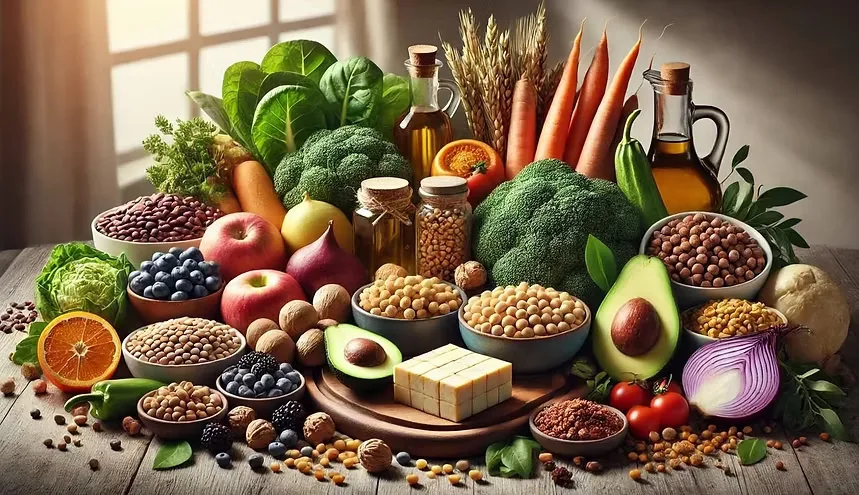
Certain foods and nutrients help balance mTOR and PI3K activity.
How Diet Activates or Inhibits mTOR and PI3K
Here’s the kicker: what you eat directly influences these pathways. Some foods amplify mTOR and PI3K activity, while others help regulate or even suppress them. Let’s break it down.
Foods That Activate Pro-Aging Pathways
Certain foods are known to overactivate mTOR and PI3K, contributing to inflammation, oxidative stress, and accelerated aging:
- Excess Animal Protein: Red meat and processed meats are rich in leucine, an amino acid that strongly activates mTOR. Regularly consuming high amounts of animal protein can lead to chronic mTOR activation.
- Refined Carbohydrates: Sugary snacks, white bread, and other high-glycemic foods spike insulin, which overactivates the PI3K pathway.
- Ultra-Processed Foods: Loaded with additives, unhealthy fats, and sugars, these foods promote both mTOR and PI3K activation while increasing systemic inflammation.
Foods That Inhibit Pro-Aging Pathways
On the flip side, certain foods and nutrients help balance mTOR and PI3K activity, promoting cellular repair and reducing the risk of age-related diseases:
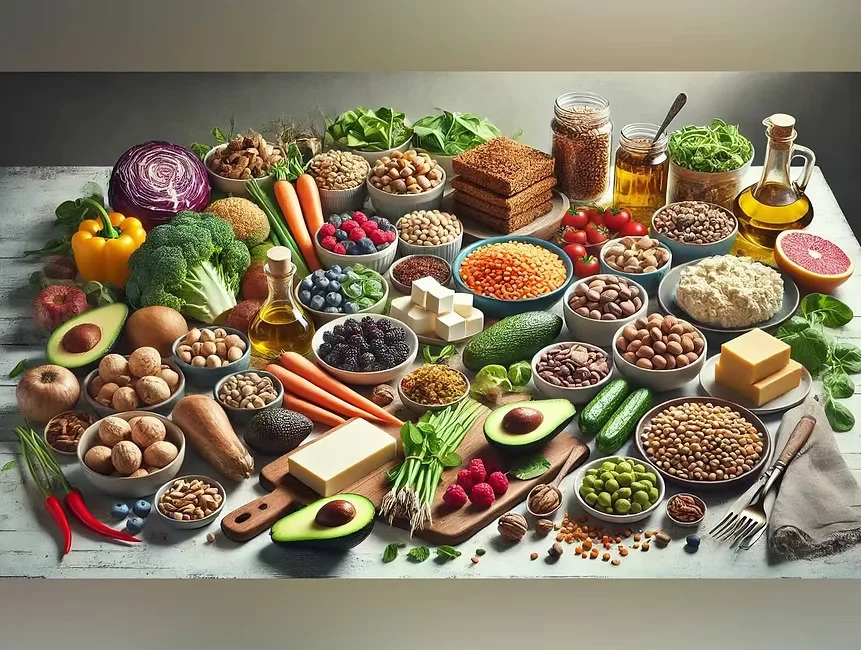
- Plant-Based Proteins: Lentils, chickpeas, and tofu provide essential amino acids but in lower amounts of leucine, leading to a more balanced activation of mTOR.
- Healthy Fats: Foods like avocados, olive oil, and nuts promote insulin sensitivity and help regulate the PI3K pathway.
- Low-Glycemic Carbohydrates: Whole grains, sweet potatoes, and legumes provide slow-digesting energy without spiking insulin.
- Antioxidant-Rich Foods: Leafy greens, berries, and cruciferous vegetables combat oxidative stress and inflammation, helping to offset the damage caused by nutrient signaling.
Practical Nutrition Tips to Manage Pro-Aging Pathways
Now that you know how your diet influences mTOR and PI3K, let’s explore some practical changes you can make to support longevity.
1. Embrace Intermittent Fasting
One of the most effective ways to downregulate mTOR and PI3K is through intermittent fasting. By creating periods of nutrient scarcity, fasting gives your cells a break from growth signals and allows autophagy to kick in.
- How to Get Started: Try a 16:8 fasting schedule (fast for 16 hours, eat during an 8-hour window) or experiment with 24-hour fasts once a week for deeper cellular repair.
2. Shift Toward a Plant-Based Diet
You don’t have to go fully vegan, but reducing your intake of animal protein in favor of plant-based options can help keep mTOR activity in check.
- What to Include: Incorporate beans, lentils, quinoa, and tofu as your primary protein sources. Focus on variety to ensure you’re getting all essential amino acids.
3. Prioritize Low-Glycemic Foods
Keeping your blood sugar stable is key to avoiding overactivation of PI3K. Opt for foods that release energy slowly, preventing insulin spikes.
- Best Choices: Swap white rice for quinoa, trade white bread for sprouted grain bread, and replace sugary snacks with fiber-rich options like nuts and seeds.
4. Add Antioxidant Powerhouses to Your Diet
Antioxidants neutralize free radicals, reducing oxidative stress and inflammation that can exacerbate pro-aging pathways.
- Foods to Focus On: Load up on leafy greens (spinach, kale), cruciferous veggies (broccoli, Brussels sprouts), and vibrant fruits like blueberries and raspberries.
5. Don’t Forget Healthy Fats
Incorporating healthy fats can support insulin sensitivity and reduce inflammation, balancing the PI3K pathway.
- What to Eat: Include olive oil, avocado, fatty fish (like salmon), and a handful of nuts or seeds daily.
6. Consider Fasting-Mimicking Supplements
If fasting isn’t feasible for your lifestyle, supplements like Mimio’s biomimetic formula can help mimic the benefits of fasting. These supplements target the same pathways (mTOR, PI3K) to promote autophagy and cellular repair, supporting longevity without requiring drastic dietary changes.

Fasting-Mimicking Supplements
Mimio’s biomimetic formula can help mimic the benefits of fasting.
The Longevity Diet: Finding Balance for a Longer Life
Balancing your diet isn’t about cutting out entire food groups or drastically restricting yourself—it’s about eating in a way that supports your body’s natural repair mechanisms while reducing unnecessary stress on your cells. Here’s a quick cheat sheet for feeding your longevity:
- What to Minimize: Excess animal protein, refined carbs, processed foods, and added sugars.
- What to Prioritize: Plant-based proteins, healthy fats, low-glycemic carbs, and antioxidant-rich vegetables and fruits.
- What to Add: Periodic fasting or fasting-mimicking supplements for a longevity boost.
By managing how you fuel your body, you can keep pathways like mTOR and PI3K in balance, reducing their pro-aging effects and helping your cells stay healthier for longer.
Nutrition as Your Longevity Ally
Food isn’t just fuel—it’s information for your cells. The choices you make at every meal send signals to critical pathways like mTOR and PI3K, determining whether your body focuses on growth or repair. By aligning your diet with your longevity goals, you can slow the aging process, reduce inflammation, and improve your overall health.
After all, longevity isn’t just about adding years to your life—it’s about adding life to your years. With the right nutrition, you can support your body’s natural ability to thrive, no matter your age.
Disclaimer:
Contributor content reflects the personal views and experiences of the author and does not necessarily represent the views of Biohack Yourself Media LLC, Lolli Brands Entertainment LLC, or any of their affiliates. Content is provided for editorial, educational, and entertainment purposes only. It is not medical or dental advice. Always consult qualified professionals before making health decisions. By reading, you agree to hold us harmless for reliance on this material. See full disclaimers at www.biohackyourself.com/termsanddisclaimers