Sponsored content
You have a cleanser you swear by. A moisturizer that never leaves your bathroom counter.
Maybe a vitamin C serum, retinol, eye cream, and a few other products you've collected after countless recommendations.
You've invested time, money, and effort into taking care of your skin.
But despite everything you're applying, you might still notice changes that your usual routine doesn't seem to address.
Fine lines become more noticeable. Skin doesn't feel quite as firm. The glow you used to take for granted takes a little more effort to maintain.
So you start looking for another product.
But what if the next step in your skincare routine isn't something you apply?
What if it's a technology you use?
Why Skincare Is Moving Beyond the Bottle
Traditional skincare has an important place in maintaining healthy skin.
Cleansers remove impurities. Moisturizers support the skin barrier. Sunscreen helps protect against ultraviolet damage, while ingredients such as retinoids and vitamin C can address specific concerns.
But skin aging is more complicated than what happens on the surface.
Over time, collagen production changes, skin elasticity declines, and the biological processes responsible for maintaining firmness and texture become less efficient.
Topical products can help manage some of these changes, but they aren't the only tools available.
That's why energy-based skincare technologies are attracting growing interest among people who want to complement their existing routines rather than continually add more products.
Red and near-infrared light therapy, in particular, has become an increasingly visible part of this conversation.
What Can Light Actually Do for Your Skin?
Light might seem like an unusual addition to a skincare routine, but its interaction with biological tissue has been studied for decades.
Photobiomodulation uses specific wavelengths of light to influence cellular processes. Researchers have investigated how red and near-infrared light may affect cellular signaling, mitochondrial activity, and processes associated with skin repair.
In skincare, these technologies are being explored for their potential to support improvements in the appearance of fine lines, skin texture, and firmness.
Unlike a moisturizer or serum, which delivers ingredients to the skin, light-based devices deliver controlled light energy.
The distinction matters because these approaches work differently.
However, results depend on factors such as wavelength, treatment intensity, exposure time, device design, and consistency. Not every red light device produces the same outcomes, and research on one system cannot automatically be applied to another.
For consumers, understanding those differences is becoming just as important as reading the ingredient list on a skincare bottle.
Bringing Advanced Skincare Technology Home
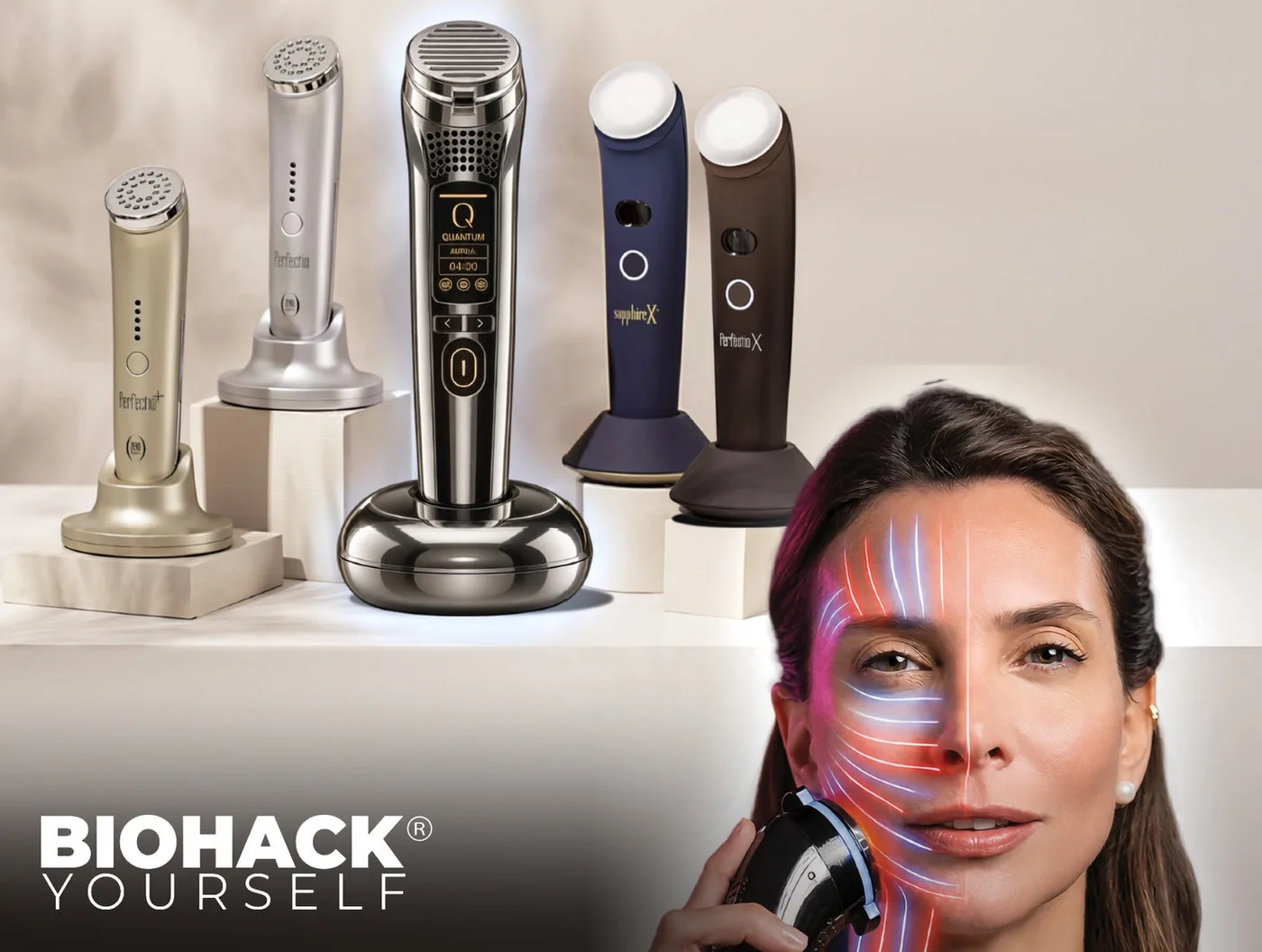
One company working within this evolving category is Zero Gravity, a beauty technology brand focused on developing professional-grade, energy-based devices for at-home use.
Rather than building its approach around another topical formula, Zero Gravity combines technologies such as red and near-infrared light, controlled heat, and other energy-based modalities across its product portfolio.
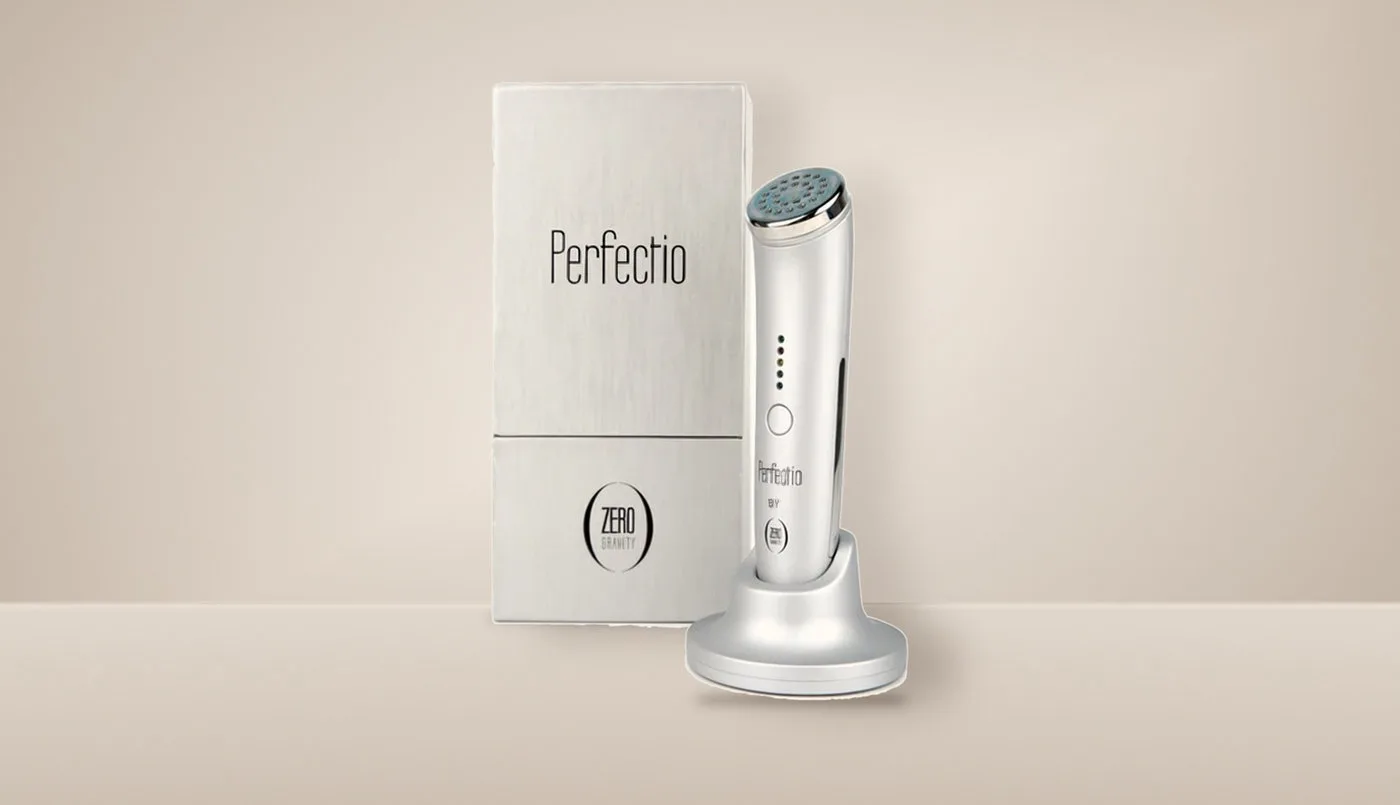
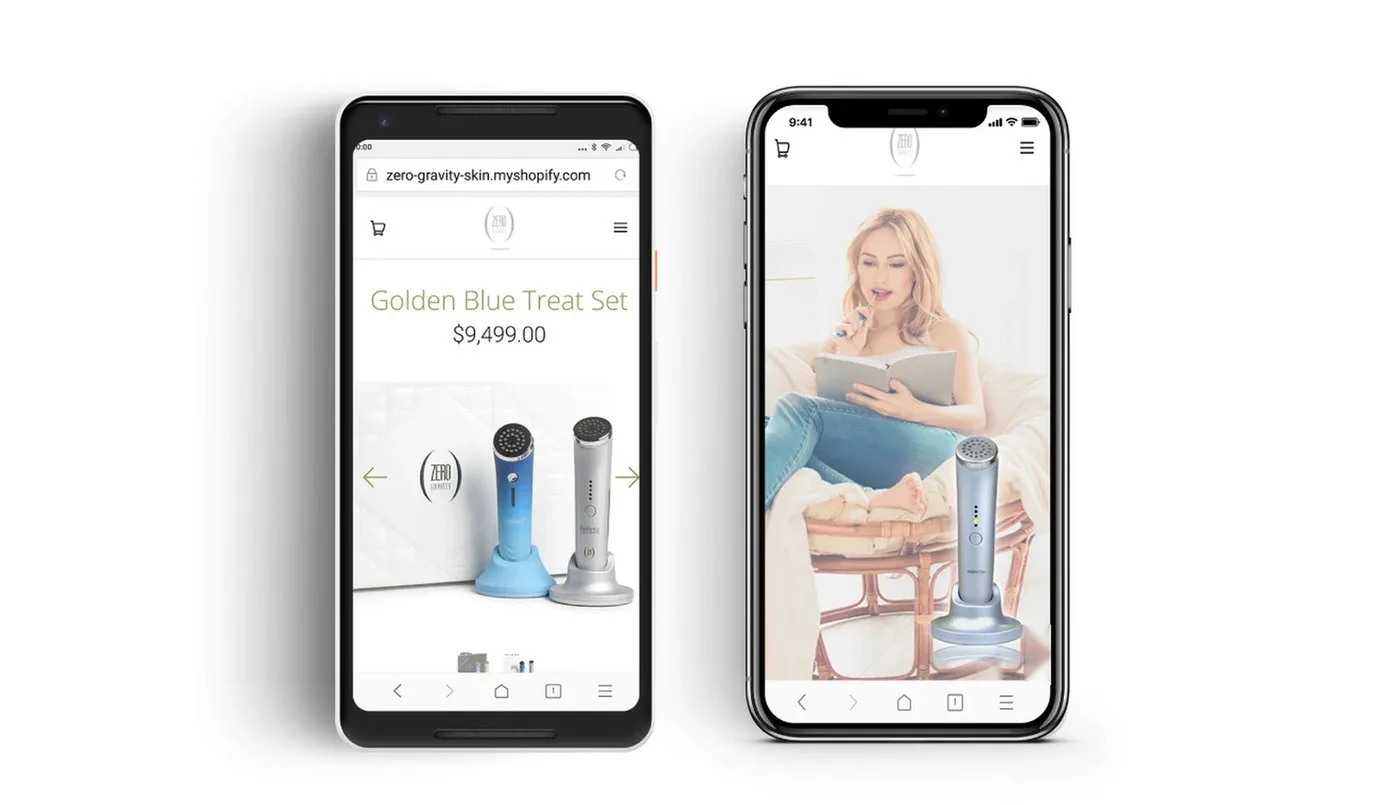
Its Perfectio™ device brings this philosophy into a handheld format.
Designed for facial skincare, Perfectio uses red and infrared LEDs operating within the 640–840 nm range alongside topical heat. The combination is intended to support the appearance of healthier, firmer-looking skin through regular use.
For someone already committed to a skincare routine, the appeal is straightforward.
Instead of replacing familiar products, a handheld device can become another step in the routine, one that focuses on delivering light energy rather than additional ingredients.
The brand also offers Perfectio Plus™, which incorporates additional infrared LEDs and combines light therapy with topical heat.
Both products reflect Zero Gravity's effort to bring sophisticated skincare technologies into a format designed for use outside a professional treatment setting.
The Science Behind the Beauty Conversation
As more advanced devices enter the consumer market, questions about scientific credibility are becoming increasingly important.
Zero Gravity has invested in clinical testing to evaluate the performance of its technology. The company reports that a study involving its Perfectio X device found improvements in skin elasticity and firmness, including an 18% increase after two weeks and a 42% increase after 24 weeks.
These are company-reported findings from a specific device and study, rather than guaranteed results for every user or every Perfectio model.
The brand's scientific positioning also includes an association with Professor George F. Smoot, who received the 2006 Nobel Prize in Physics for his work involving the cosmic microwave background.
While cosmology and skincare are very different disciplines, Zero Gravity describes the connection as a shared emphasis on precision, controlled energy delivery, and translating scientific principles into practical technologies.
That philosophy reflects a broader change in the beauty industry, where consumers are increasingly interested in how devices work, not simply what they promise.
A Skincare Routine That Adapts to You
Of course, even sophisticated technology has limited value if it becomes another expensive purchase that rarely gets used.
Consistency remains one of the biggest challenges in skincare.
Recognizing this, Zero Gravity developed the Perfectio app to help users organize their facial treatment routines.
The app considers factors such as age, skin type, and wrinkle concerns to generate a treatment schedule. It also provides guidance on treatment areas, session timing, and progress tracking.
For someone balancing work, family, exercise, and everything else competing for attention, having a structured routine may make it easier to incorporate a device into everyday life.
It also reflects another shift in modern beauty: personalization.
Rather than assuming everyone has the same concerns or needs the same approach, technology is making it easier to organize skincare around individual goals.
Your Next Skincare Investment Might Look Different
There's nothing wrong with enjoying a good serum or investing in a moisturizer that works for your skin.
The fundamentals still matter. Sun protection, gentle cleansing, appropriate active ingredients, and healthy daily habits remain central to effective skincare.
But the beauty industry is expanding beyond what comes in a bottle.
From handheld LED devices to more personalized treatment experiences, consumers now have additional ways to approach skin maintenance and visible signs of aging.
Zero Gravity is part of that evolution, offering technology designed to complement traditional skincare through its Perfectio product family and broader portfolio of energy-based devices.
The goal isn't necessarily to create a longer routine.
It's to make more informed decisions about the tools you choose and what they can realistically accomplish.
Because sometimes the next step in taking better care of your skin isn't finding another ingredient.
It's discovering an entirely different way to approach skincare.
Zero Gravity is a featured brand in the Biohack Yourself Magazine Fall 2026 issue with Ashton Hall on the cover, available in stores and online on November 17, 2026.
Disclaimer:
Biohack Yourself Peer Review is an editorial, educational, and entertainment process for sponsored content. It is not a scientific peer review or regulatory evaluation. Please review our full Terms & Conditions and Legal Disclaimers