Sponsored content. This piece is part of a paid partner package, which is how the magazine is funded. How we make money.
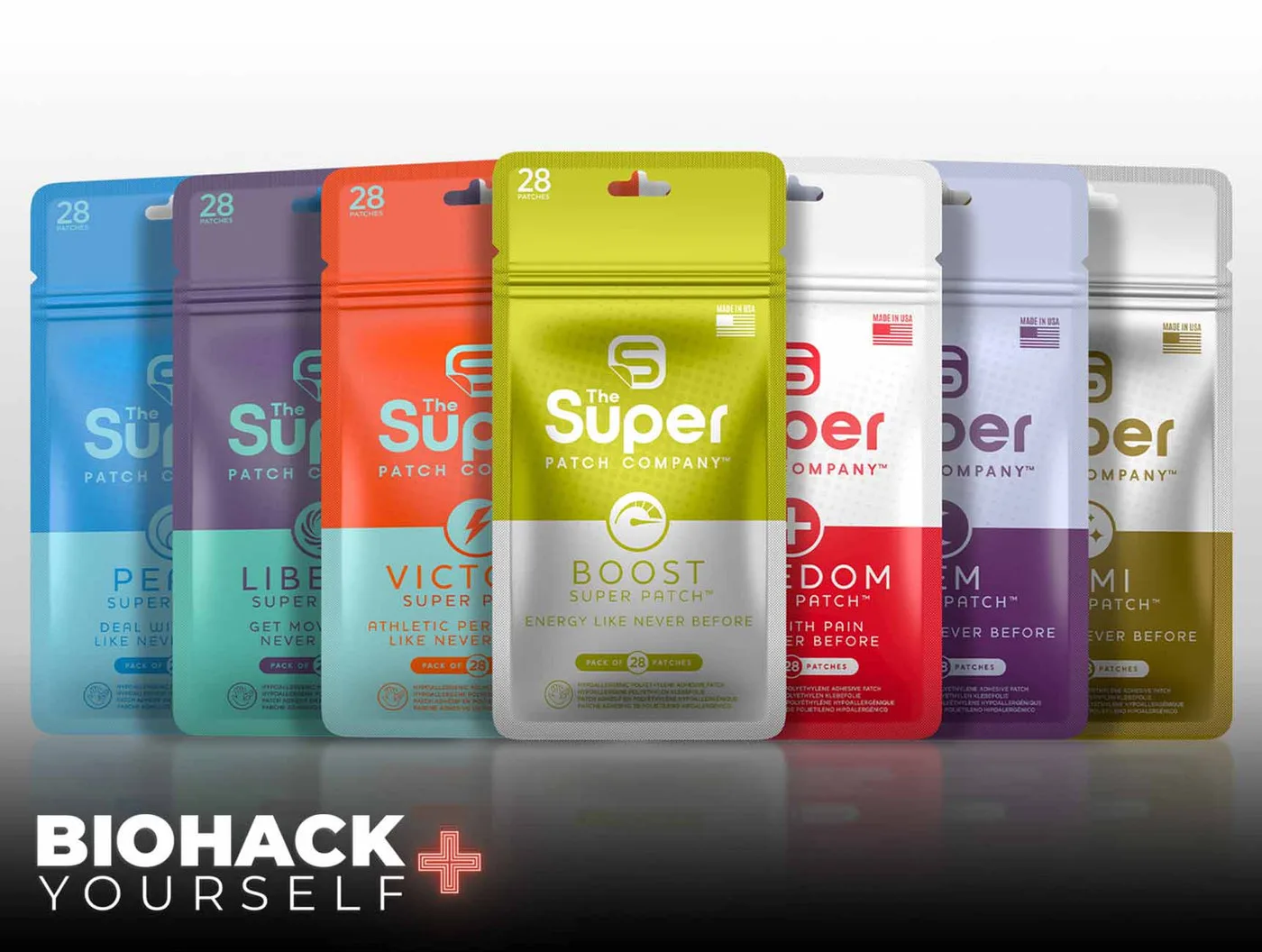
Super Patch is built around a simple idea: your skin can be a gateway to nervous-system signaling, and small haptic inputs may help nudge the brain toward better function. The company calls this Vibrotactile Technology (VTT), a patterned patch you place on the body so the ridged design can interact with touch receptors in the skin and send a sensory message upward into neural networks.
If you’re used to supplements, devices, or wearables that “add something” to the body, this is a different category. Super Patch does not deliver a drug, nutrient, or electrical current. The patches rely on a physical pattern and the body’s mechanosensory system, aiming to influence how the brain organizes signals tied to movement, discomfort, focus, calm, and sleep.
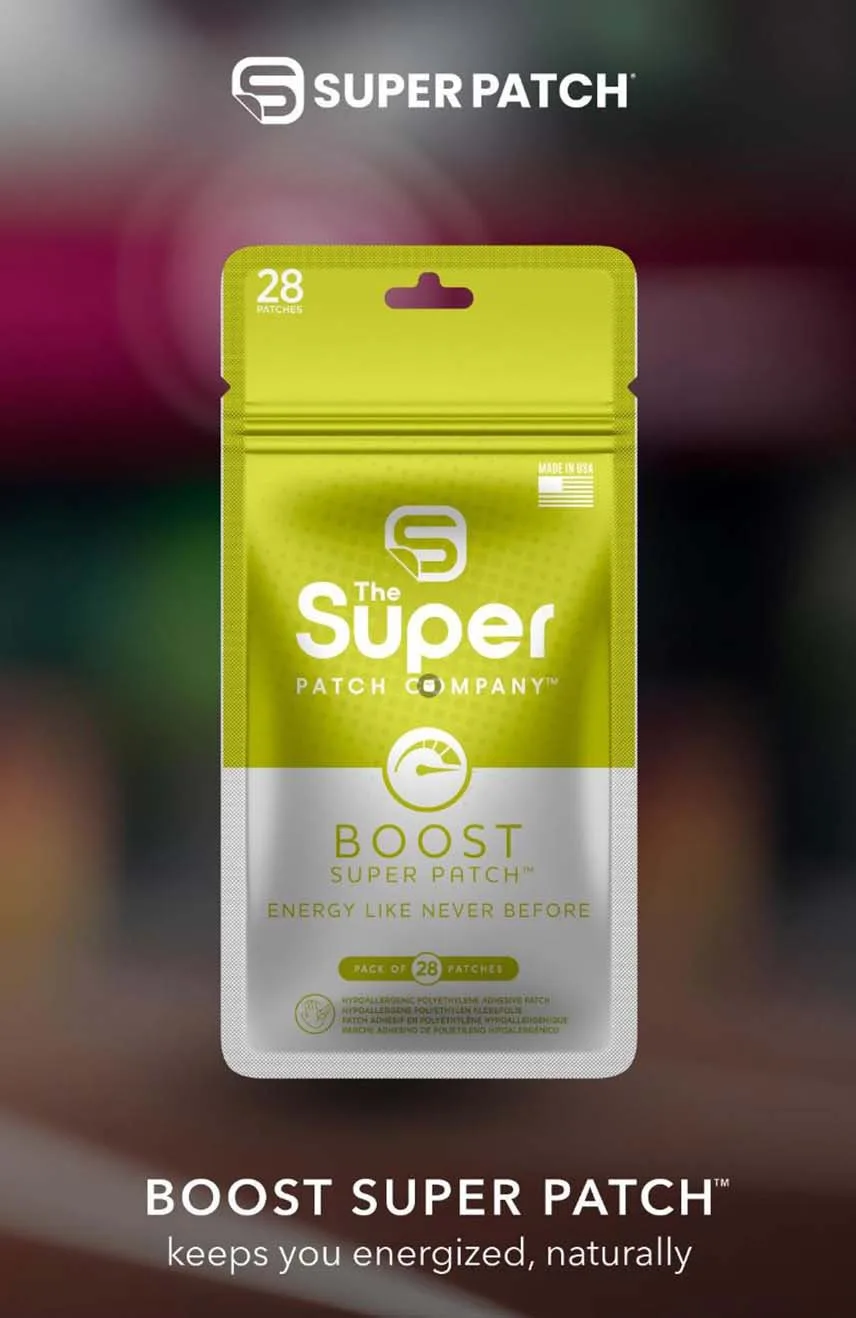
How the VTT Approach is Meant to Work
When a Super Patch sits on your skin, the patterned surface is intended to stimulate touch and pressure receptors. The company’s framework suggests this may trigger a chain of mechanotransduction and neural-network responses in the central nervous system, potentially shifting how the body regulates certain functions.
In practical terms, it is a tool that may support a faster “signal update” than you get from rest alone. Instead of forcing a change, the patches are positioned as gentle prompts that your nervous system might respond to over time, especially if you’re pairing them with good habits like rehab, training, or sleep hygiene.
What the Research Landscape Suggests so Far
Super Patch has commissioned and published multiple studies and observational trials across different use cases, including pain interference, mobility, balance, sleep quality, anxiety-related measures, and cognitive network changes. Many of these are early-stage, case-control, or real-world observational designs rather than large randomized trials, but they’re still useful for understanding where this tech might be heading.
VTT appears promising enough to keep clinicians and performance communities curious, while still leaving room for bigger independent trials to clarify who benefits most, how strongly, and under what conditions.
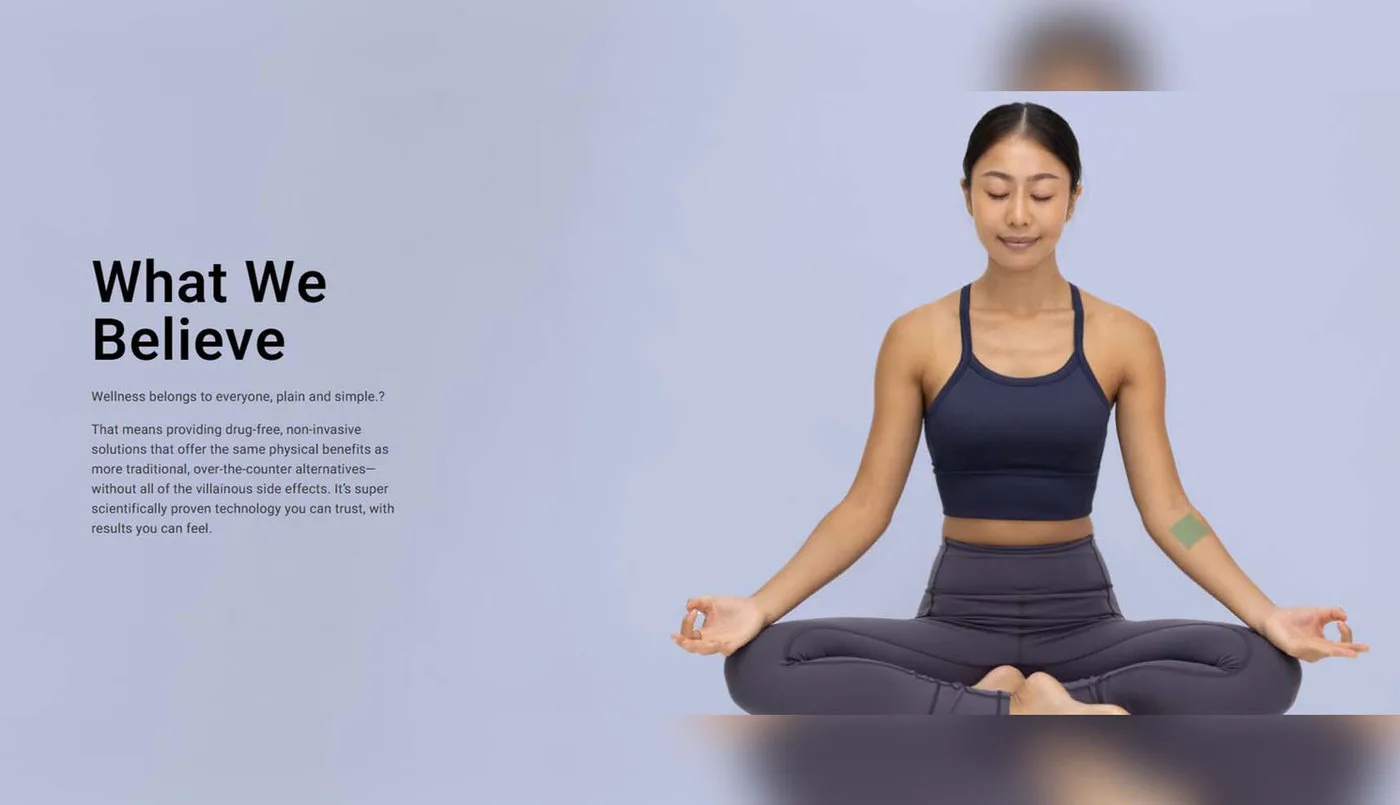
A Quick Guide to the Patch Lineup
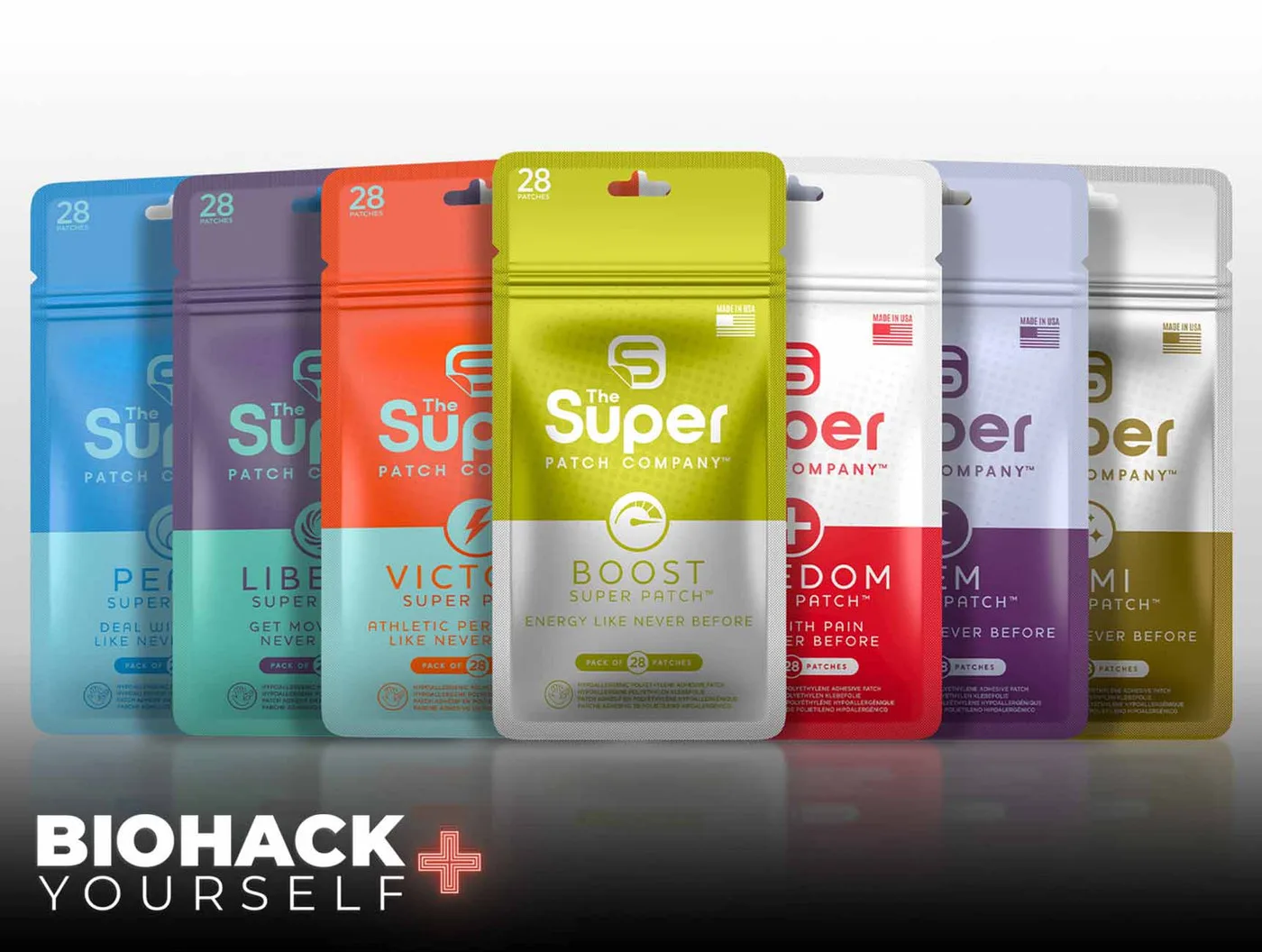
Super Patch offers different patterned patches for different goals. Think of them less like one-size-fits-all stickers and more like targeted neural prompts you can plug into specific parts of your routine.
- Liberty Patch - Designed around balance and stability. It may help improve your sense of steadiness, coordination, and directional control, which can matter for daily movement, aging well, or sports footwork.
- Focus Patch - Aimed at attention and mental clarity. The sensory input may support calmer cognitive processing and reduce the feeling of getting pulled in too many directions, especially in busy work or school environments.
- Freedom Patch - Positioned for minor muscle and joint discomfort related to training or day-to-day strain. The company suggests VTT may influence pain-network signaling and mobility comfort for some users.
- Victory Patch - Built for performance output such as strength, stamina, balance, agility, and recovery. Its pattern may support a cleaner neuromuscular “drive” during workouts, which could help you feel more coordinated and powerful in movement.
- REM Patch - Focused on sleep depth and rest quality. Early findings from internal and partnered studies suggest the patch may help support better sleep experiences and next-day energy for some people.
- Peace Patch - Intended for stress response and calm. VTT here is framed as a way that may help settle nervous-system arousal and support clarity under pressure.
- Ignite Patch - Oriented toward energy expenditure and weight-support routines. The company suggests this patterned input may support metabolic signaling when paired with nutrition and activity.
Where Super Patch Fits Best in Real Life
If you’re considering a VTT patch, the most useful mindset is “support layer,” not a shortcut. These patches are most interesting for people who already understand that the nervous system is trainable. In other words, the patch is a cue; your lifestyle is the amplifier. You might find this approach especially relevant if you’re:
- Rebuilding movement confidence after a period of inactivity,
- Trying to stay sharp in high-distraction days,
- Managing everyday aches from training or work,
- Dialing in sleep as a performance tool, or
- Looking for a low-lift way to steady your stress response.

Why This Approach Is Gaining Traction
Super Patch stands out because it’s not trying to be another supplement or wearable tracker. It’s aiming to use touch-based inputs to shape neural output, and the early research plus anecdotal uptake suggest that’s a lane worth watching.
If you’ve been looking for a non-invasive, drug-free way that may support how you move, recover, focus, sleep, or regulate stress, Super Patch offers a thoughtfully engineered option. As with any nervous-system tool, results can vary, but the mechanism and growing study base make it a credible addition to the broader conversation on sensory-driven wellness.
Super Patch is a featured brand in the Biohack Yourself Magazine Winter 2025/26 issue with Dr. Gabrielle Lyon on the cover, available in stores and online on January 20, 2026.
Disclaimer:
Biohack Yourself Peer Review is an editorial, educational, and entertainment process for sponsored content. It is not a scientific peer review or regulatory evaluation. Please review our full Terms & Conditions and Legal Disclaimers