Sponsored content. This piece is part of a paid partner package, which is how the magazine is funded. How we make money.
If you train hard, stay active, or simply refuse to let pain and stiffness become your baseline, you already know the truth: progress is limited less by effort and more by recovery. The body adapts during rest, not during the grind. Yet recovery is the area where modern life often fails us. Sleep gets shorter, stress stays high, old injuries linger, and even a disciplined plan can stall if your tissue is not bouncing back the way it used to.
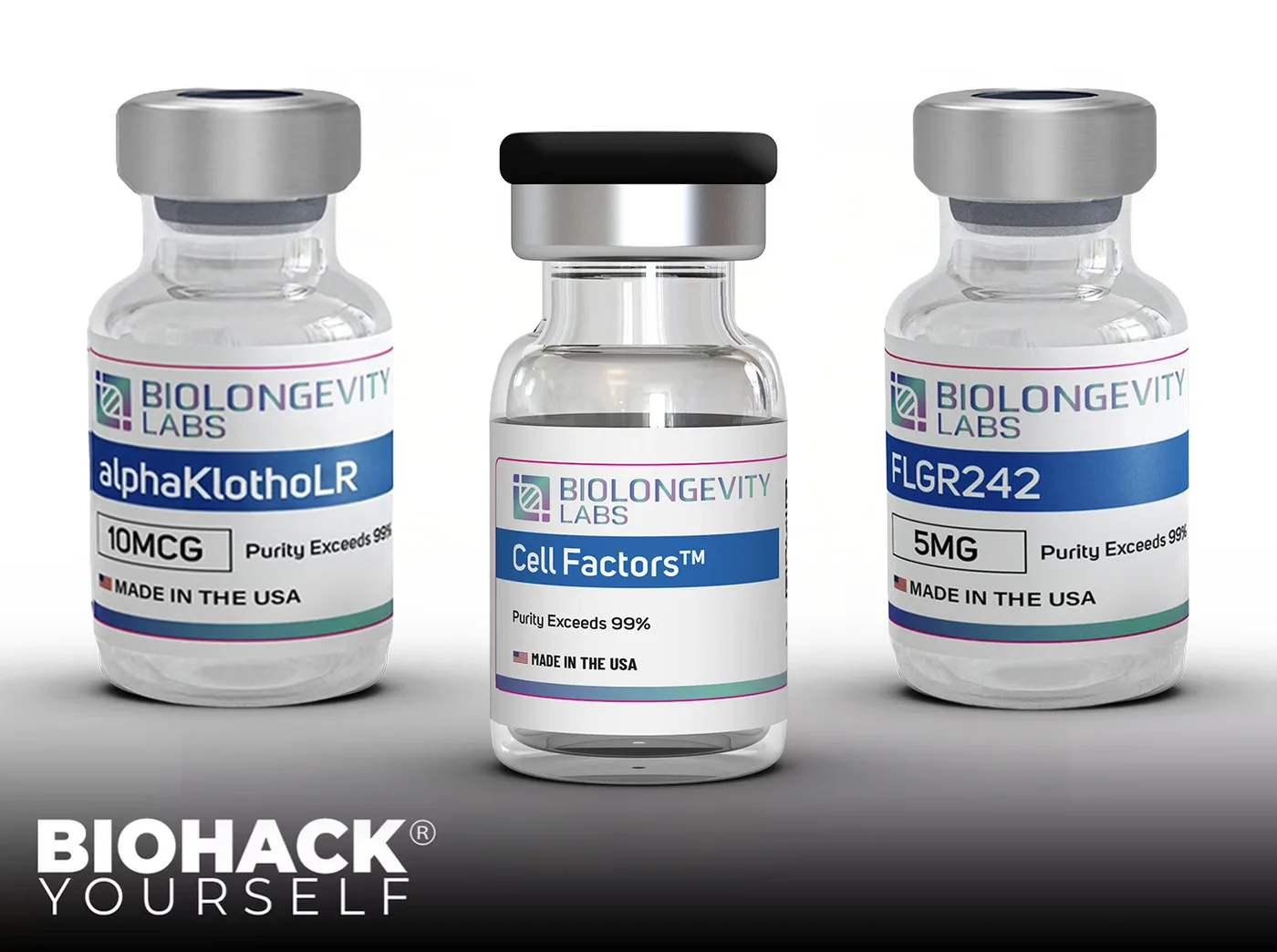
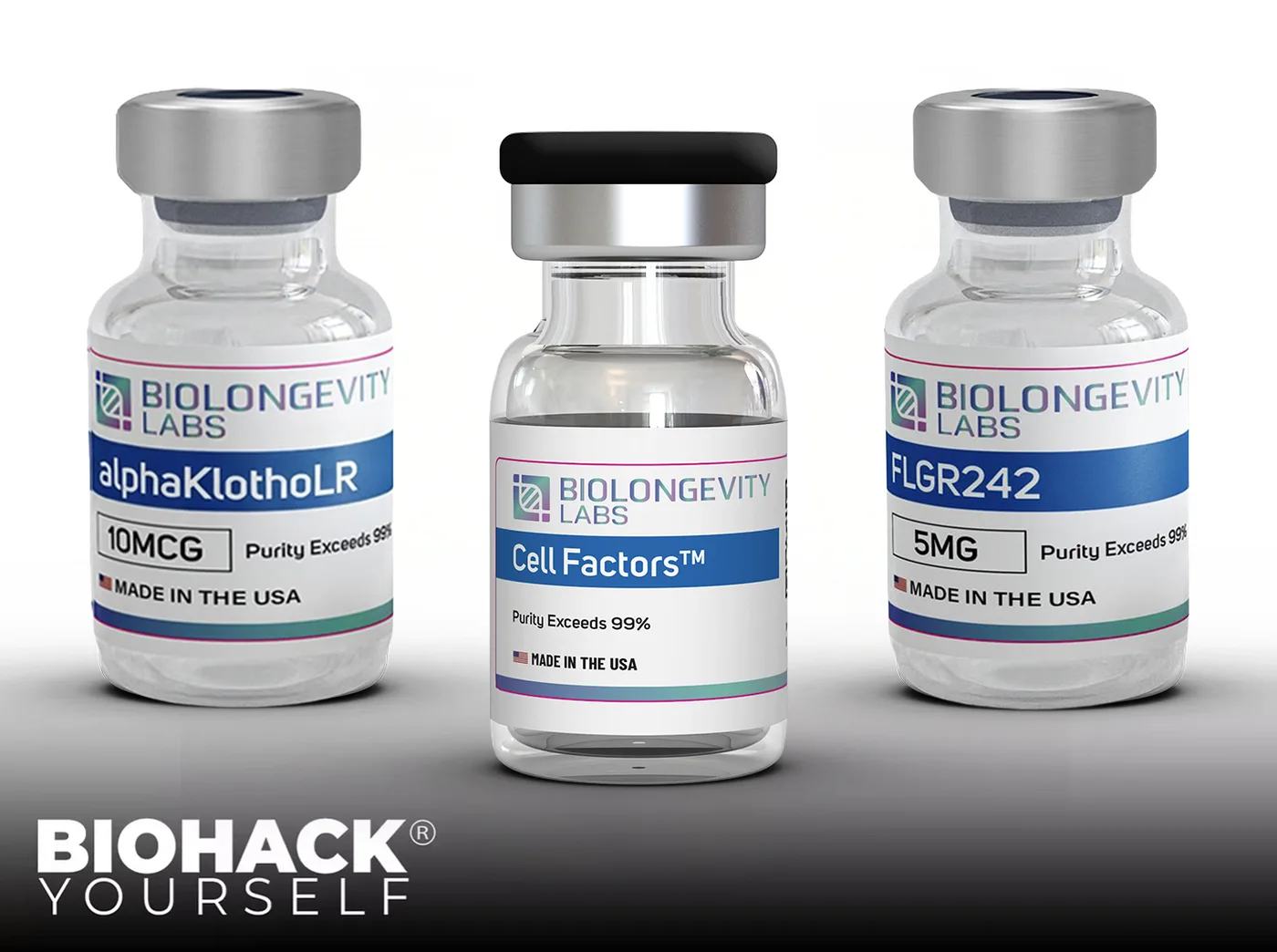
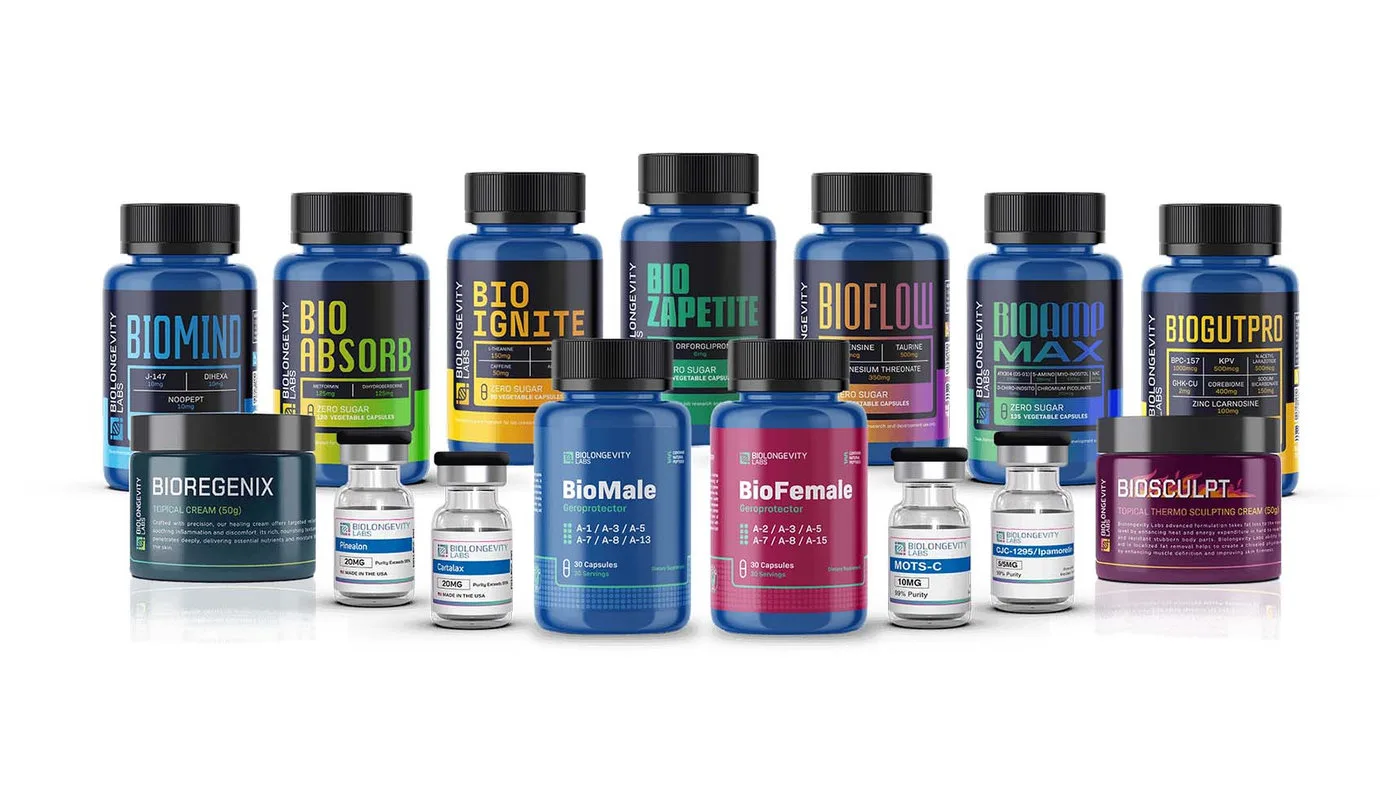
This is where peptides and bioregulators have started to matter to performance-focused people. Not as shortcuts and not as replacements for smart training, but as tools that may help the body repair more efficiently when you are already doing the right things. BioLongevity Labs has become part of this conversation by focusing on research-grade peptides, small molecules, and organ-specific bioregulators that are commonly used in recovery and resilience protocols.
Peptides as Repair Signals, Not Hype
Peptides are short chains of amino acids that function like messengers in the body. In performance and recovery circles, they are explored because certain peptides may support communication pathways involved in tissue repair, cellular regeneration, and inflammation balance. A useful way to think about them is this: they do not “do the work” for you. They may help your body do its work more clearly.
BioLongevity Labs positions its peptide offerings around that kind of signaling support. Instead of marketing a vague wellness boost, they frame peptides as targeted tools that may influence specific recovery-related pathways, especially in soft tissue, joints, and gut integrity. For a performance-minded reader, that matters. Recovery is not one system. There are many systems coordinating repairs at once.
Where Recovery Protocols Often Start
Most performance recovery discussions around BioLongevity Labs center on peptides that are already familiar in research and rehab settings. Two names show up repeatedly.
- BPC-157 is often explored for how it may support tissue repair, particularly in areas that take repetitive load, such as tendons, joints, and the gut lining. In practical recovery routines, people tend to consider it when they feel stuck in a long-tail injury phase, where progress is slow but still possible. The goal is commonly better tissue tolerance, not an overnight reset.
- BPC-157 plus TB-500 blends are discussed as a broader recovery layer. When paired, these peptides are often used with the intention of improving overall repair signaling rather than targeting only one spot. In other words, the stack may support the environment that healing needs, especially after overuse or chronic strain.
What Performance Users May Be Trying to Support
A recovery-first peptide routine is rarely about feeling invincible. It is more about staying durable and keeping progress alive. Most users are trying to support a few practical outcomes that serious trainees recognize immediately:
- Tissue resilience under load. Recovery peptides may support repair signals that help tendons, ligaments, cartilage, and muscle rebound from training, impact, or repetitive stress over time.
- Cleaner inflammation patterns. Instead of suppressing inflammation entirely, protocols may aim to help the body regulate it more efficiently, particularly in stubborn areas that flare after activity.
- Gut recovery as performance recovery. The gut is part of your training engine. If digestion, absorption, or lining integrity is compromised, recovery slows everywhere. Certain peptides may support gut repair pathways, which could indirectly support energy, nutrient use, and training tolerance.
- Cellular energy resilience. When recovery feels sluggish, it often tracks back to mitochondria and metabolic signaling. BioLongevity Labs also carries peptides used in longevity protocols that may support cellular energy pathways, which performance users view as foundational for repair.
These outcomes are not guarantees, and research continues to evolve. But these real-world goals explain why peptides keep appearing in recovery conversations among athletes, high performers, and people rebuilding function after injury.
Where Peptides Fit in Real Recovery
A recovery-first peptide approach only makes sense inside a bigger plan. If your sleep is poor, nutrition is inconsistent, or training volume is chaotic, peptides will not fix that. But if your foundation is solid and you are looking for a support layer that may sharpen repair signaling and reduce the drag of slow recovery, BioLongevity Labs fits that lane cleanly.
The deeper appeal here is precision. Instead of guessing at generic recovery aids, peptides and bioregulators offer a way to experiment with specific biological pathways. For performance-focused readers, that is the point: not a promise of transformation, but a chance to support the parts of recovery that determine whether you stay active, build capacity, and keep doing what you love longer.
BioLongevity Labs is a featured brand in the Biohack Yourself Magazine Winter 2025/26 issue with Dr. Gabrielle Lyon on the cover, available in stores and online on January 20, 2026.
Disclaimer:
Biohack Yourself Peer Review is an editorial, educational, and entertainment process for sponsored content. It is not a scientific peer review or regulatory evaluation. Please review our full Terms & Conditions and Legal Disclaimers