Sponsored content
Red light therapy has become almost as familiar as a sauna session.
You'll find glowing red panels in boutique fitness studios, full-body light beds in wellness centers, and handheld devices promising a convenient way to incorporate light therapy into your daily routine.
From the outside, the experience seems straightforward. You spend several minutes exposed to specific wavelengths of light, then get on with your day.
But here's something many people don't realize.
Two treatments that look nearly identical can use fundamentally different technologies.
One might rely on light-emitting diodes, commonly known as LEDs. Another might use therapeutic lasers designed to deliver light with different optical properties, power levels, and treatment parameters.
And while both belong to the broader world of light-based therapies, understanding those differences can help you make more informed decisions about what you're actually receiving.
The Red Glow Doesn't Tell the Whole Story
When most people hear the term red light therapy, they imagine the same thing: a panel or bed filled with glowing lights.
But the color alone tells you very little about how a device works.
LED devices produce light that generally spreads outward from its source. Therapeutic lasers, by contrast, produce coherent light, meaning the light waves have a more organized relationship with one another.
Laser beams can also be collimated, allowing them to remain more directionally focused.
These characteristics influence how light can be delivered to tissue.
However, coherence and collimation aren't the only factors that matter. Wavelength, power, energy density, treatment duration, and the tissue being targeted all affect how light interacts with the body.
An LED device isn't automatically ineffective because its light spreads, just as a laser isn't automatically better simply because it produces a more focused beam.
The appropriate technology depends on the intended application.
That's why understanding what happens beyond the visible red glow matters more than judging a treatment by its appearance.
When a Light Bed Is Actually a Therapeutic Laser
One company bringing attention to this distinction is Summus Medical Laser.
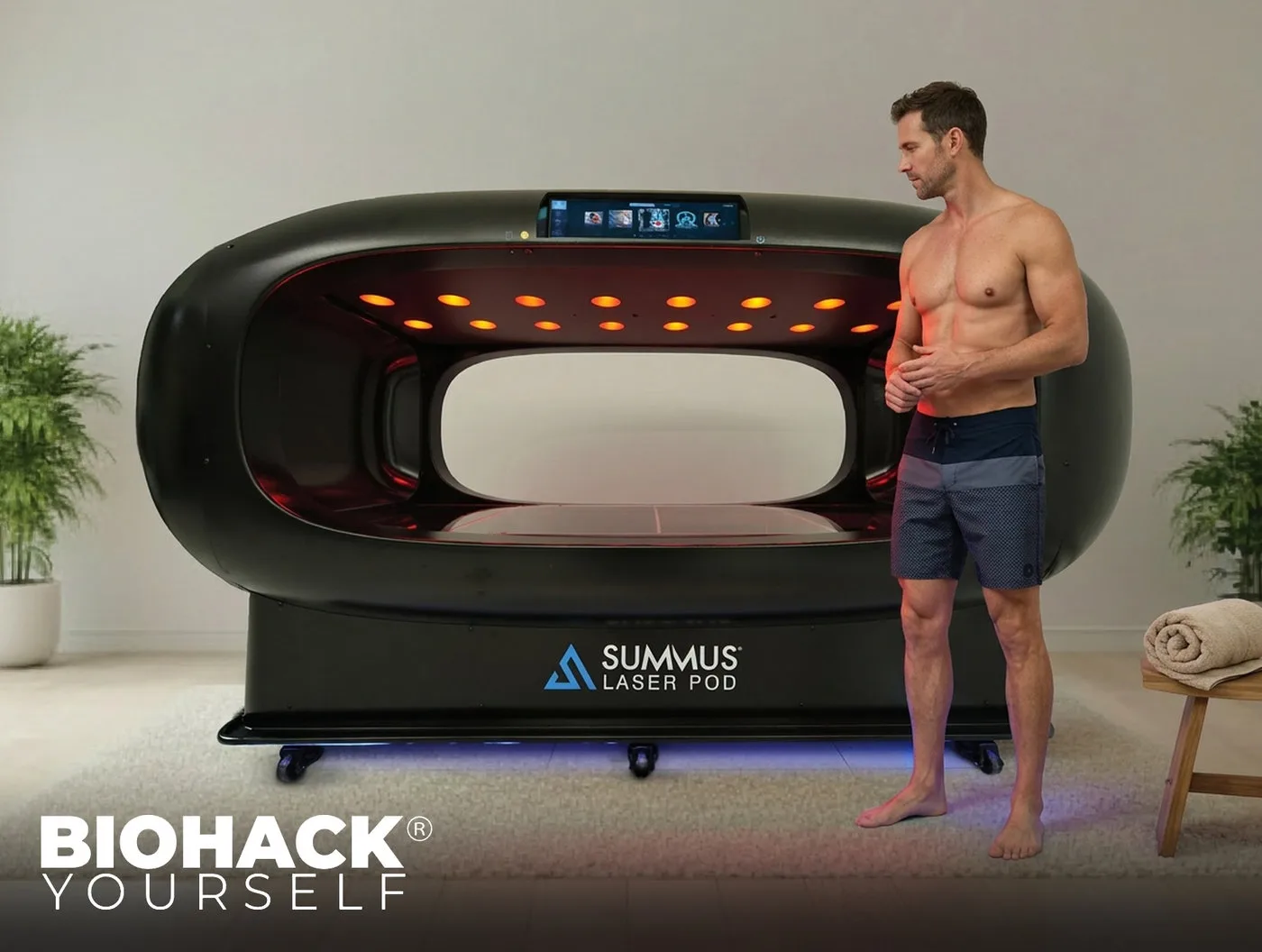
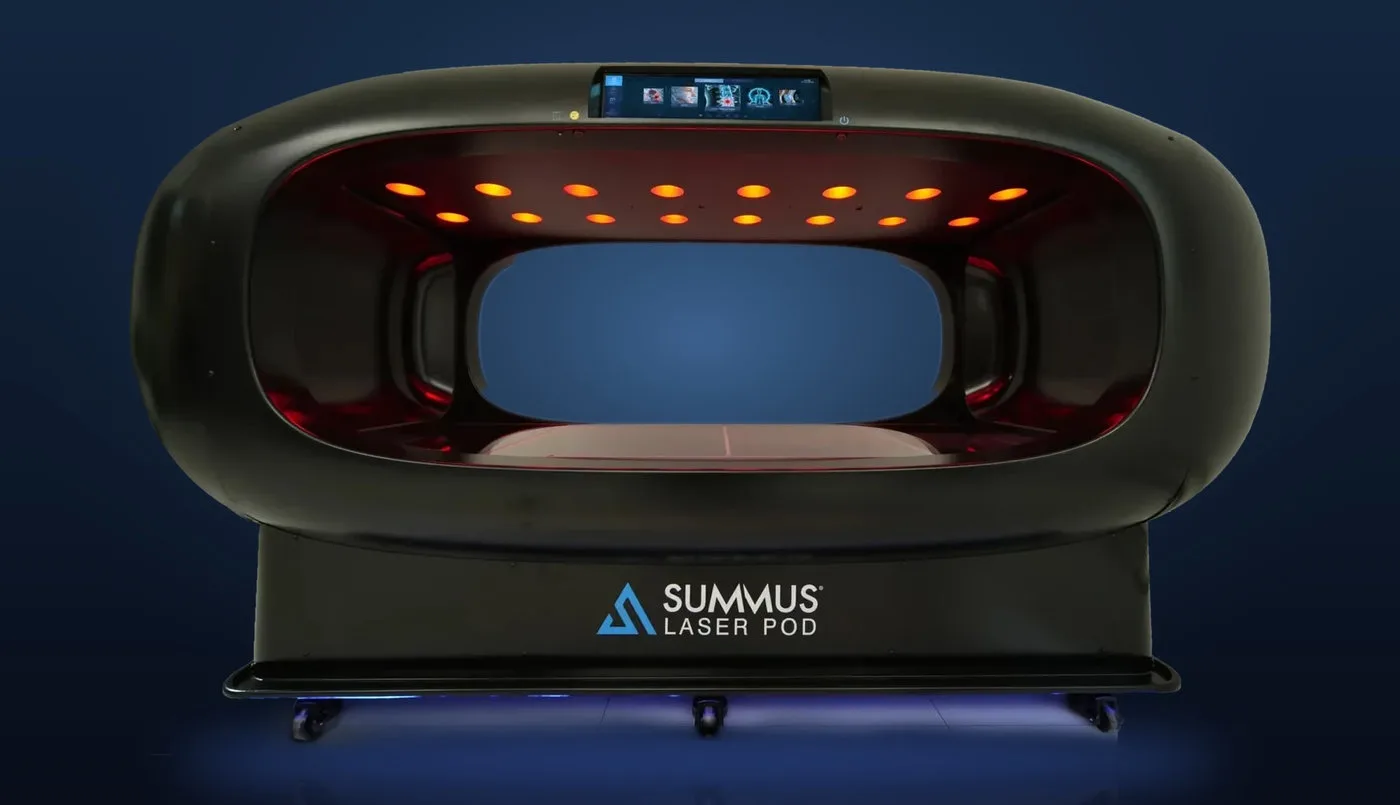
Its Summus Laser Pod resembles the enclosed light beds people may already recognize from wellness facilities.
But the technology inside is different.
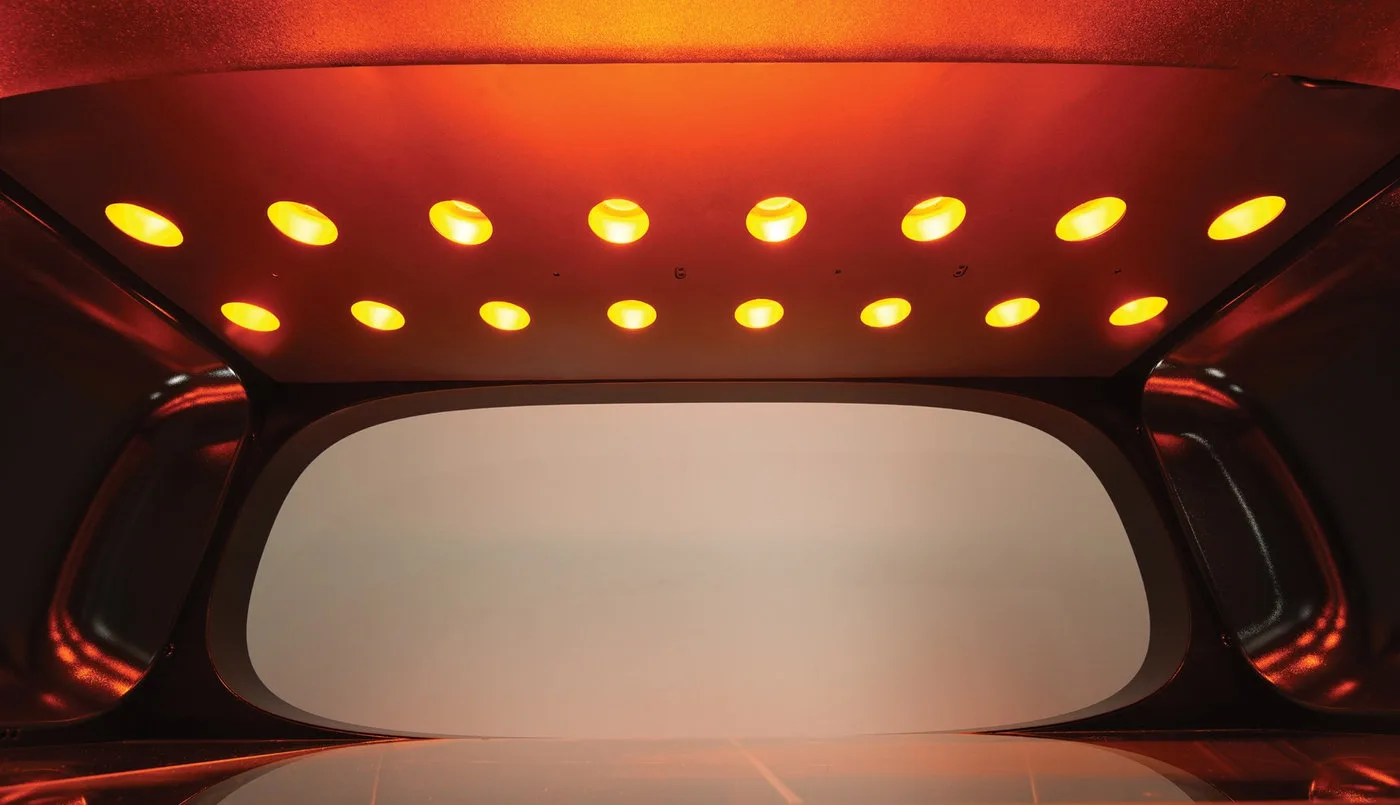
Rather than functioning solely as a conventional LED bed, the Laser Pod incorporates Class IV therapeutic laser technology designed to deliver light at controlled power levels.
The system combines visible light with therapeutic laser wavelengths and uses multiple synchronized lasers to provide full-body exposure.
According to Summus, the technology is designed to reach deeper tissue structures than conventional surface-oriented LED treatments.
That distinction is central to the company's approach.
Class IV refers to a laser's hazard classification under laser safety standards, reflecting its potential to cause injury without appropriate controls. It does not, by itself, establish that a device is more clinically effective than another type of light therapy.
The actual depth and distribution of light within tissue depend on multiple factors, including wavelength, tissue characteristics, and treatment parameters.
For someone considering light-based treatments, those details are worth understanding.
Why the Dose Matters as Much as the Device
Imagine taking a medication without knowing the dose.
Most people would immediately recognize why that matters.
Light-based treatments are different from medications, but the principle of appropriate dosing is still relevant.
In photobiomodulation, the biological effects of light depend partly on how much energy reaches the targeted tissue.
Too little exposure may produce no meaningful response. More exposure doesn't necessarily produce better results, either.
Researchers have observed that responses to light can vary according to dose, making treatment parameters an important consideration.
Summus designed its Laser Pod with this issue in mind.
The company describes a system that incorporates body mapping, customized dosing, and thermal monitoring to help manage energy delivery during treatment.
Its approach is intended to account for differences between individuals rather than assuming every person should receive identical exposure.
These engineering features may help standardize the treatment process, although their presence alone doesn't establish improved clinical outcomes.
For patients, the takeaway is simple: the number of lights inside a device is less informative than understanding how the treatment is delivered.
What Can Light Therapy Actually Help With?
Light-based therapies have been studied for a range of applications, including certain types of pain, tissue healing, and musculoskeletal conditions.
Some research suggests photobiomodulation may offer benefits in specific clinical settings, but the strength of evidence varies considerably by condition, device, and treatment protocol.
That's an important distinction in a wellness industry where broad promises about recovery, inflammation, and cellular optimization can sometimes overshadow the details.
The Summus Laser Pod is marketed for therapeutic applications involving temporary relief of minor muscle and joint pain, stiffness, and related indications described in its device labeling.
Its potential role should be evaluated within those intended uses rather than assuming that every proposed longevity or recovery benefit has been clinically demonstrated.
And while the device is designed to provide a noninvasive treatment experience, laser therapy still requires appropriate safety precautions and professional oversight.
Five Questions Worth Asking Before Your Next Session
You don't need to become an expert in laser physics to make a more informed choice.
But before booking a light therapy treatment, it helps to ask a few practical questions:
- Is the device LED-based, laser-based, or a combination of both? The answer helps clarify what technology is being used.
- What is the treatment intended to address? A general wellness experience and a treatment for a specific clinical concern aren't necessarily interchangeable.
- How is the dose determined? Ask whether treatment settings are standardized or adjusted according to individual needs.
- What evidence supports the intended use? Look for research relevant to the specific device, condition, and treatment protocol.
- What safety precautions are required? Appropriate screening, eye protection, and supervision may be necessary depending on the technology.
These questions matter whether you're considering a conventional red light panel, a full-body LED bed, or a therapeutic laser system.
Look Beyond the Light
As light therapy becomes more accessible, consumers have more choices than ever.
That's a positive development, but it also makes understanding the differences between technologies increasingly important.
The Summus Laser Pod illustrates how manufacturers are moving beyond familiar LED-based formats to develop systems with different optical characteristics, dosing capabilities, and intended therapeutic applications.
That doesn't mean everyone needs the most sophisticated device available.
It means choosing a treatment should involve more than recognizing a popular wellness trend.
Because two devices can produce a similar red glow while delivering very different treatment experiences.
And when it comes to light therapy, understanding what's behind that glow is where making an informed choice begins.
Summus Laser is a featured brand in the Biohack Yourself Magazine Fall 2026 issue with Ashton Hall on the cover, available in stores and online on November 17, 2026.
Disclaimer:
Biohack Yourself Peer Review is an editorial, educational, and entertainment process for sponsored content. It is not a scientific peer review or regulatory evaluation. Please review our full Terms & Conditions and Legal Disclaimers