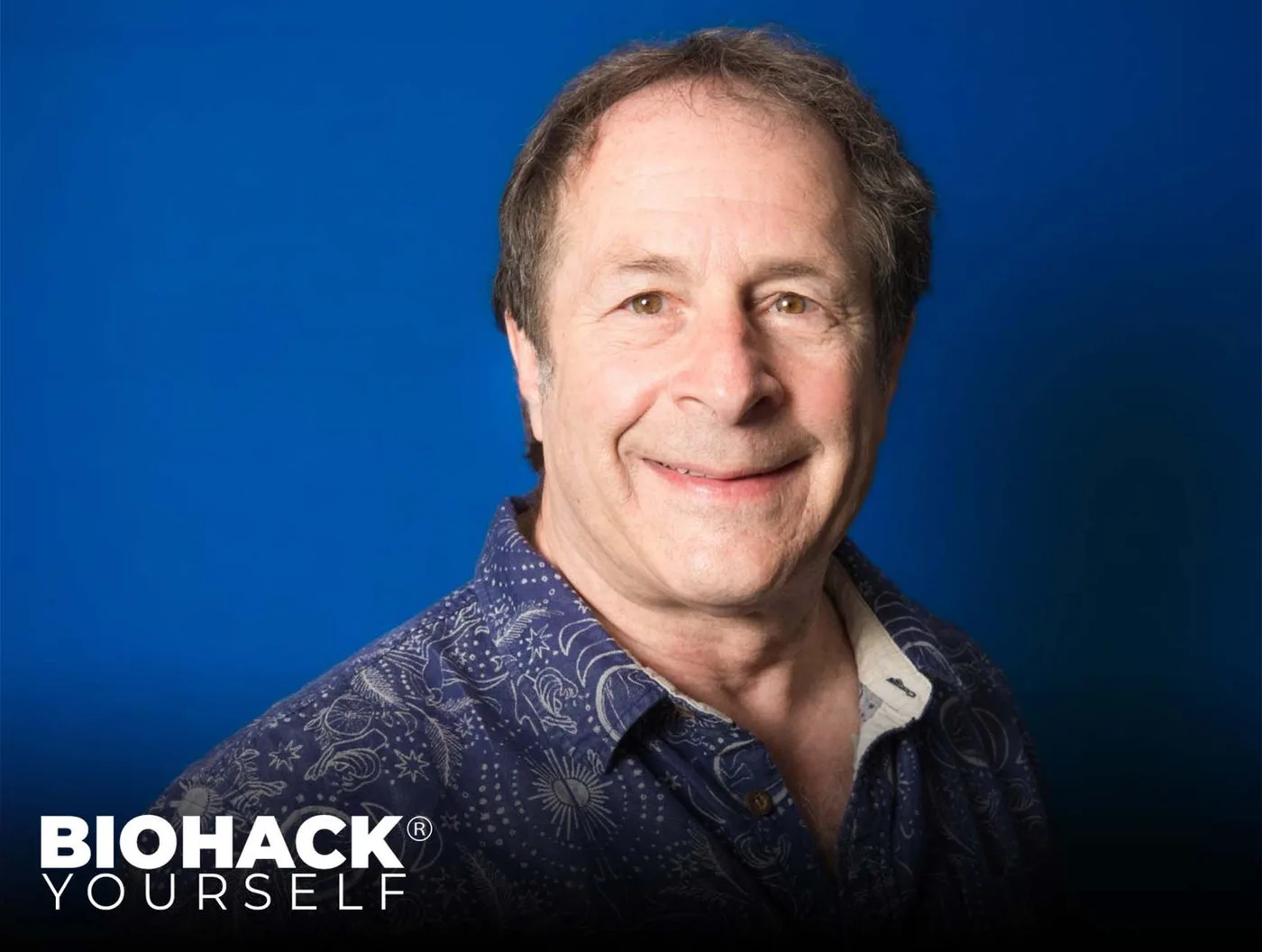
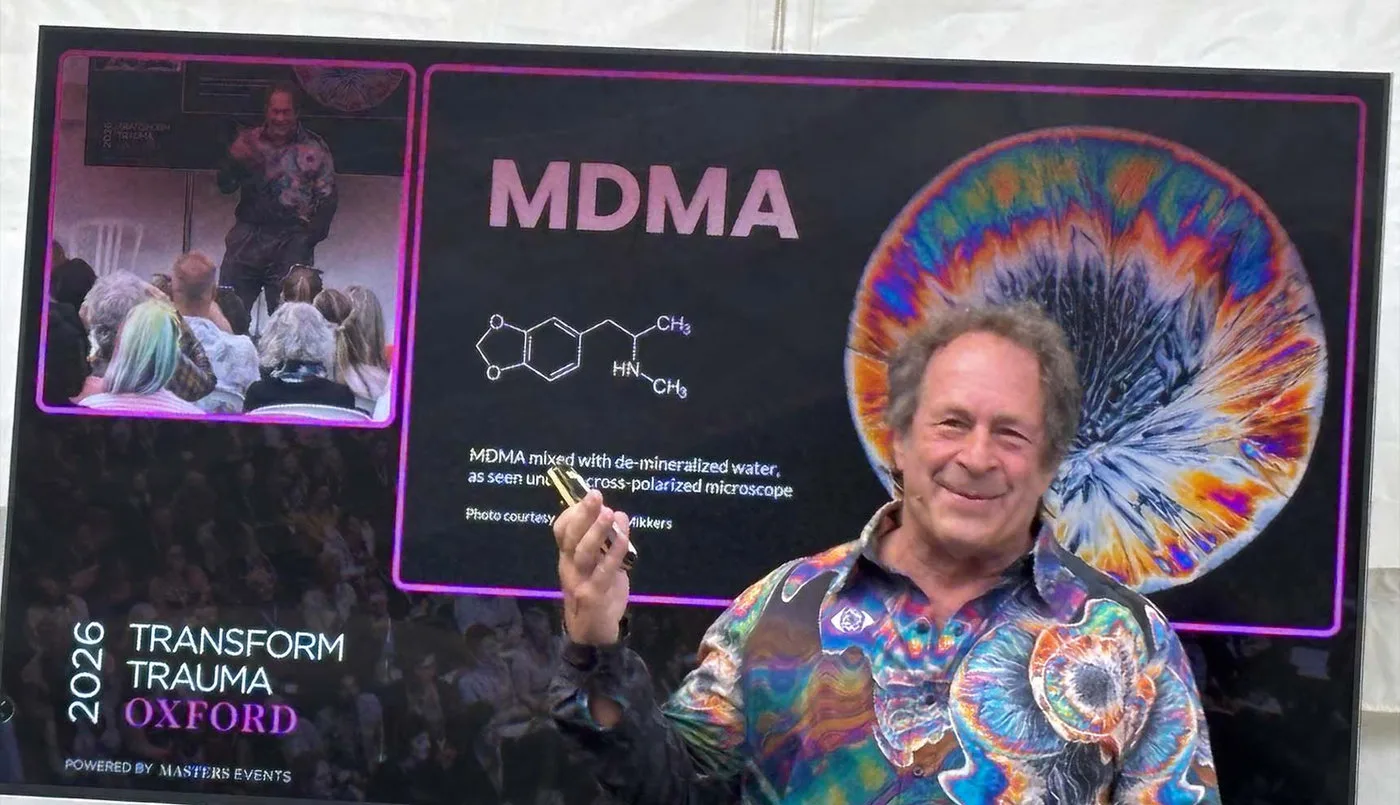
RICK DOBLIN, PH.D. is the founder and president of the Multidisciplinary Association for Psychedelic Studies (MAPS), the nonprofit organization he founded in 1986 to help develop medical, legal, and cultural contexts for people to benefit from psychedelics.
His interest in psychedelics began decades before psychedelic medicine reentered mainstream scientific and cultural conversations.
After first experiencing LSD in 1971, Doblin became interested in whether psychedelics, when approached responsibly and with appropriate support, could help people address trauma, explore consciousness, and experience a deeper sense of connection with themselves, others, and the world around them.
That conviction eventually became his life's work.
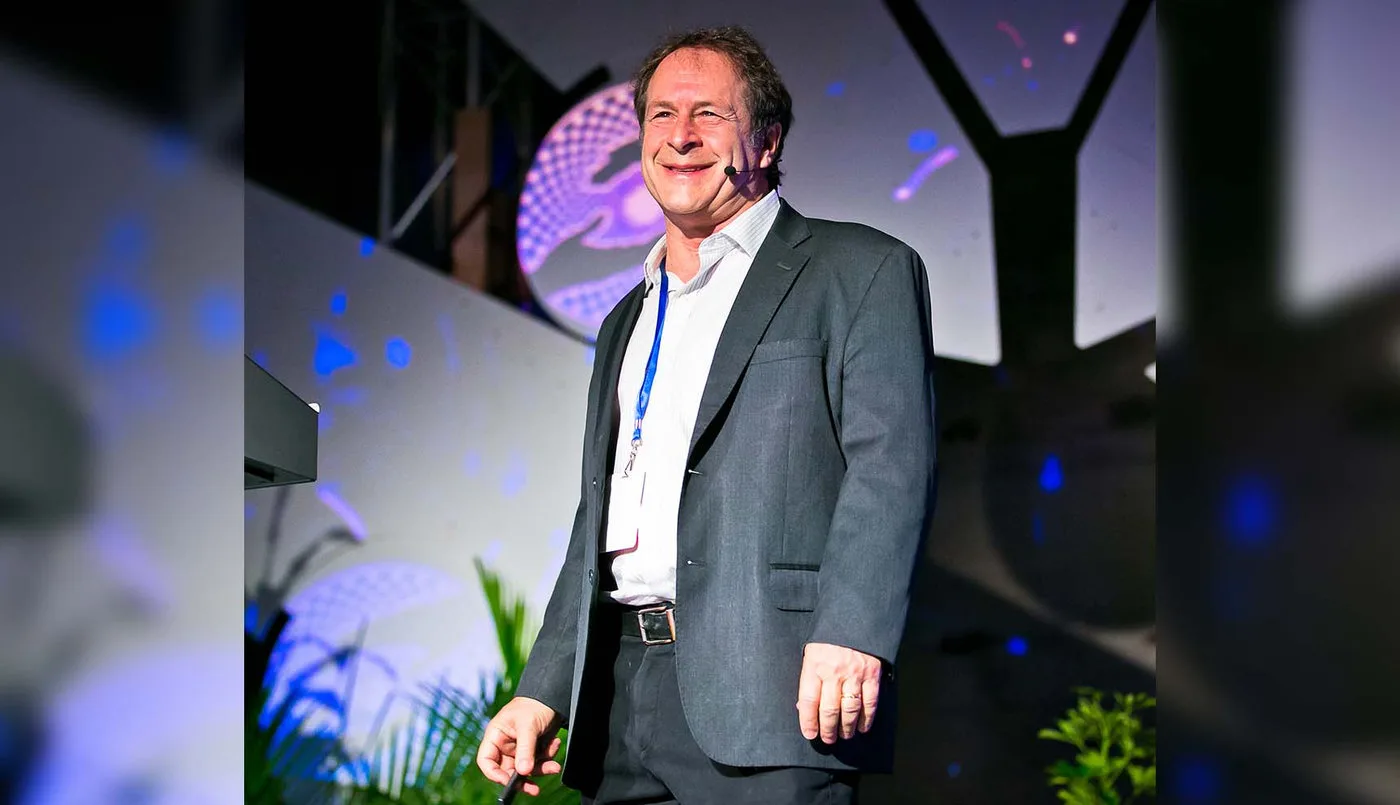
Doblin studied psychology at New College of Florida, where his undergraduate thesis was a 25-year follow-up to Walter Pahnke's Good Friday Experiment, a landmark study investigating whether psychedelics could catalyze experiences described as mystical or religious.
He later conducted a 34-year follow-up to Timothy Leary's Concord Prison Experiment. His exploration of nonordinary states of consciousness also led him to study with psychiatrist Stanislav Grof and become one of the first people certified as a Holotropic Breathwork practitioner.
As Doblin came to understand the barriers facing psychedelic research and therapeutic use, his focus expanded beyond individual experience. If psychedelics were ever going to be seriously studied and responsibly integrated into society, he believed the surrounding laws, institutions, scientific frameworks, and public policies would also need to evolve.
He pursued that work at Harvard's Kennedy School of Government, earning both a master's degree and a Ph.D. in Public Policy. His doctoral dissertation examined the regulation of the medical uses of psychedelics and marijuana.
MAPS emerged from this intersection of personal experience, scientific inquiry, therapy, policy, and social change.
Doblin founded the organization in 1986, one year after the U.S. Drug Enforcement Administration placed MDMA in Schedule I on an emergency basis. MDMA was later kept in Schedule I despite an Administrative Law Judge's recommendation that it remain available for therapeutic use under medical supervision.
Over the following four decades, MAPS has worked across psychedelic research, education, therapist training, drug policy reform, and efforts toward legal access. MAPS and the public benefit pharmaceutical company it helped create have also played a central role in the development of MDMA-assisted therapy for posttraumatic stress disorder and the broader reemergence of psychedelic science.
Yet Doblin's interest in psychedelics has never been limited exclusively to their potential role as medicines for people with psychiatric diagnoses.
His work also explores their potential in areas including personal growth, spirituality, creativity, relationships, self-awareness, and human connection.
At the center of that perspective is a willingness to bring together areas that are often treated as opposites.
Science and spirituality, in Doblin's view, do not necessarily have to compete as ways of understanding human experience. Psychedelics offer an unusual opportunity to investigate experiences that can be profoundly subjective, including those described as mystical or spiritual, through the tools of modern science.
For Doblin, taking these experiences seriously does not mean abandoning scientific rigor, critical thinking, or honest conversations about risk. Instead, it means creating room for careful investigation into experiences and possibilities that conventional frameworks have not always been equipped to explain.
His long-term goal has remained remarkably consistent: helping create a world in which people can legally and responsibly use psychedelics and other tools for healing, personal growth, and connection.
He believes this work has implications beyond individual well-being. Greater understanding of trauma, fear, connection, and consciousness may also contribute to conversations around some of society's broader challenges, including polarization and disconnection.
After more than five decades of engagement with psychedelics and four decades of working to move them from prohibition and stigma toward scientific study and responsible legal access, Doblin sees the next challenge as one of integration.
The question is no longer simply whether psychedelics can be useful. It is how society can integrate them wisely without losing either the scientific rigor or the deeper exploration of human potential that made the work worth pursuing in the first place.
Why "The New Woo"
Rick Doblin chose to participate in "The New Woo" because the documentary explores a conversation that has defined much of his life's work: what happens when ideas once pushed to the margins are examined with both openness and scientific scrutiny?
For decades, Doblin has worked at the intersection of worlds that were once widely considered incompatible: psychedelics and mainstream medicine, mystical experience and scientific research, and personal transformation and public policy.
His experience has shown him that ideas outside conventional thinking can sometimes contain genuine value. Bringing those ideas into broader society, however, requires more than belief. It requires curiosity alongside skepticism, evidence alongside openness, and a willingness to investigate extraordinary claims without abandoning critical thinking.
"The New Woo" creates an opportunity to bring that approach into a wider conversation about consciousness, healing, and human potential.
Doblin brings to that conversation more than five decades of personal and intellectual engagement with psychedelics, alongside four decades spent working to move psychedelic research from an environment shaped by prohibition and stigma toward careful scientific investigation and responsible legal access.
His participation reflects a broader principle that has guided his career: meaningful progress can happen when seemingly opposing worlds are given the opportunity to meet.
For Doblin, the future of psychedelic science is therefore not simply about demonstrating what these substances may be capable of doing. It is about learning how to integrate them responsibly into culture while preserving scientific rigor, acknowledging risks, and remaining open to the profound questions about consciousness and human experience that inspired the field in the first place.
Through "The New Woo", he contributes that perspective to a larger exploration of what may become possible when science, curiosity, healing, and the mysteries of human consciousness are allowed to share the same conversation.
Disclaimer:
The information provided here is for entertainment and educational purposes only. It is not intended to substitute medical professional advice, diagnosis, or treatment. Always seek the advice of your physician or another qualified health provider with any questions you may have regarding a medical condition. More details: www.biohackyourself.com/termsanddisclaimers