The only place in the human body where doctors can directly observe blood vessels and nervous tissue without surgery is the back of your eye.
Most people think an eye exam is about seeing better. But what if I told you that the back of your eye can reveal clues about your brain health, cardiovascular system, metabolism, and even how you're aging? As an optometrist, I've spent years looking into people's eyes. While many patients come in expecting a conversation about glasses or contact lenses, what surprises them is how much the retina can tell us about the rest of their body.
Embryonically, the retina is an extension of the brain and remains connected through the optic nerve, a part of our central nervous system. This combination makes the retina one of the most fascinating, and overlooked neural tissues. In fact, researchers demonstrated that AI could estimate a person's biological age from a single retinal photograph, with retinal age gaps associated with increased risk of mortality and chronic disease.
One of the Most Energy-Hungry Tissues
Your retina works around the clock. Every second, it converts light into electrical signals that travel to the brain, allowing you to recognize faces, navigate your environment, and make sense of the world around you. To do that, it requires an enormous amount of energy and has one of the highest metabolic demands in the body. It relies on a constant supply of oxygen and nutrients delivered through a network of tiny blood vessels. When those systems become compromised by poor circulation, inflammation, unstable blood sugar, or chronic stress, the retina feels the effects. This is one reason eye health and overall health are so closely connected.
Recently, a forty-year-old patient came in for what she thought was a routine eye examination. During her retinal evaluation, I discovered a Hollenhorst plaque lodged within a retinal blood vessel, a finding that can signal underlying carotid artery disease and increased stroke risk. She was referred urgently for medical evaluation, where further vascular testing and treatment were initiated to reduce her risk of a stroke.
I've had countless other healthy patients come in to discover signs of undiagnosed diabetes, uncontrolled hypertension, multiple sclerosis, or cardiovascular disease. In many ways the retina provides a real-time snapshot of our microcirculation.

Your Retina and Brain Age Together
Researchers are increasingly studying the retina as a reflection of brain health because the retina and brain share many of the same blood vessels, nerve cells, and biological processes. Studies have found strong associations between cognitive decline and changes within the retina. Signs include thinning of retinal nerve fiber layers, protein build up, and alterations in retinal blood flow. Some researchers now view the retina as one of the most promising frontiers in the search for earlier biomarkers of Alzheimer's disease because many of the same pathological changes occurring in the brain are also be reflected in the eye.
Every week, I sit across from several patients who are clearly fading from the conversation. They aren't fully attuned, and the culprit I know, is their eyes. Whether they are skipping out on wearing their glasses or leaving serious conditions like glaucoma, cataracts, or macular degeneration untreated, their world is blurring. And researchers consistently find that individuals with uncorrected vision loss face a 50% to 60% higher risk of developing cognitive decline and dementia. When we neglect our sight, we starve our brains of the stimulation required to stay sharp.
Don’t get me wrong, the eye isn't replacing neurological testing, but it’s becoming part of the conversation around brain health and healthy aging. And long before someone experiences noticeable memory problems, subtle changes may already be occurring within the visual system.

4 Ways to Support Retinal and Brain Health
The exciting part is that many of the same habits that support longevity, cognitive function, and metabolic health also benefit the retina.
1. Get Outside Daily
Natural outdoor light helps regulate circadian rhythms, supports dopamine release, and plays an important role in visual development and overall health. Aim for 1-2 hours a day, especially in the morning when possible.
2. Stabilize Blood Sugar
Prioritize protein-rich meals, build muscle through resistance training, and take short walks after eating.
Healthy glucose regulation benefits the retinal blood vessels and tissues that support vision.
3. Prioritize Sleep
Sleep is one of the most powerful recovery tools available. During sleep, the brain clears metabolic waste, restores energy reserves, and supports processes essential for cognitive performance and long-term health. The retina and our visual processing benefits from those same restorative processes.
4. Don't Skip Comprehensive Eye Exams
Eye exams provide assess our retinal health, blood vessels, and other structures that offer clues about overall wellness. Don’t skip your dilated retinal exam.
For decades, we've thought about eye care primarily through the lens of vision.
Can you see clearly? Do you need glasses?
But the future of health may require us to think differently.
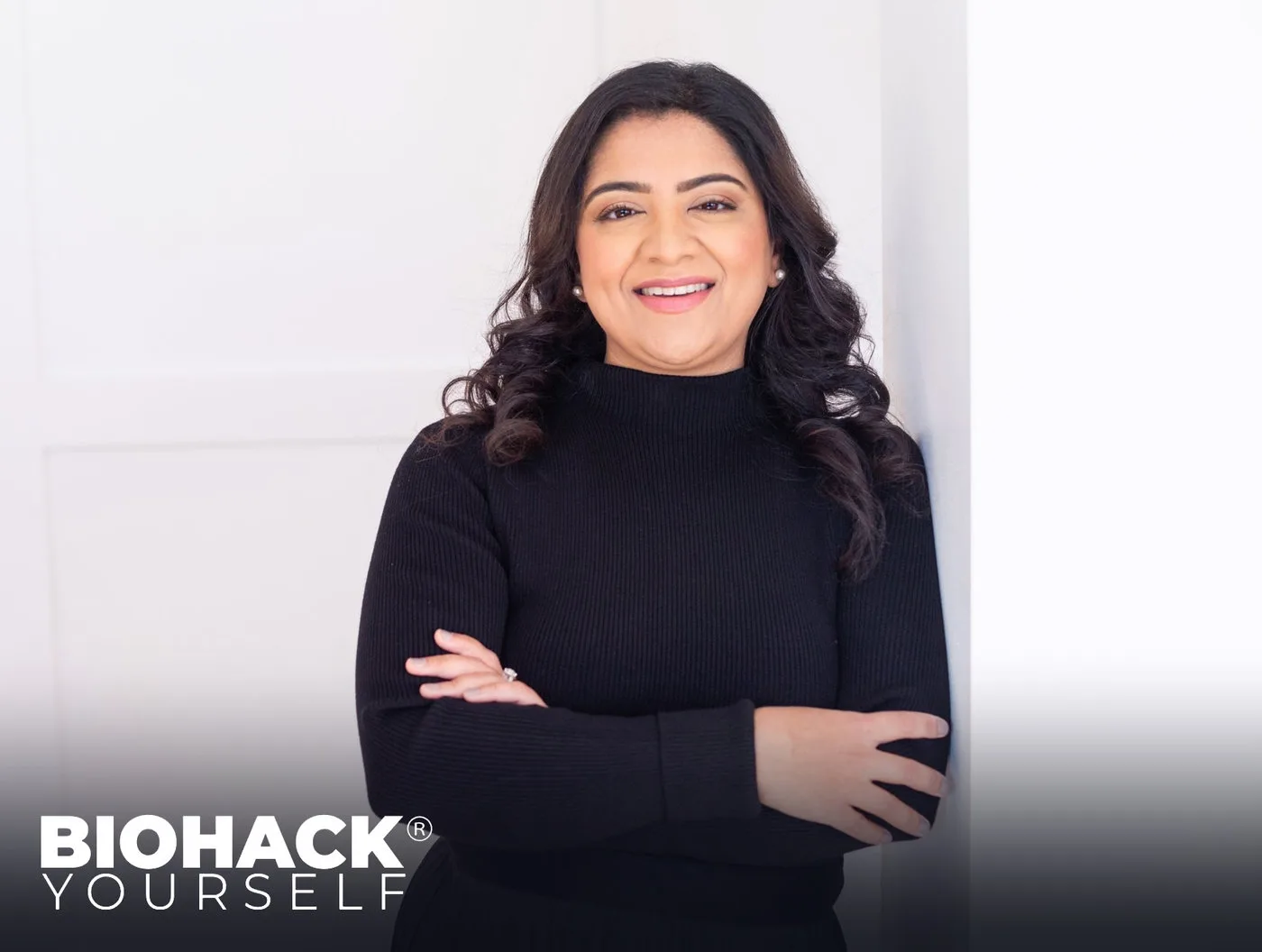
Dr. Meenal Agarwal is the author of the upcoming book "Stuck in a Flat World: How Screens Rewire Our Brains, Spatial Awareness, and Sense of Safety (Fall 2026)," which explores how digital environments are reshaping the brain, vision, and human behavior. She is a board-certified optometrist, entrepreneur, and host of the Uncover Your Eyes podcast, where she examines the intersection of neuroscience, eye health, longevity, and preventive medicine. Dr. Agarwal owns three practices in the Greater Toronto Area and is a leading voice on the eye-brain connection. Her work has been featured by TIME, CNN, Forbes, Fox News.
Instagram:
https://www.instagram.com/dr.meenalagarwal/
Join early access to the book:
https://www.drmeenal.com/book-waitlist-entry
Sign up for Dr. Agarwal’s Newsletter:
drmeenal.substack.com/subscribe
Dr. Meenal Agarwal is a featured contributor in the Biohack Yourself Magazine Fall 2026 issue with Ashton Hall on the cover, available in stores and online on November 17, 2026.
Disclaimer:
Contributor content reflects the personal views and experiences of the author and does not necessarily represent the views of Biohack Yourself Media LLC, Lolli Brands Entertainment LLC, or any of their affiliates. Content is provided for editorial, educational, and entertainment purposes only. It is not medical or dental advice. Always consult qualified professionals before making health decisions. By reading, you agree to hold us harmless for reliance on this material. See full disclaimers at www.biohackyourself.com/termsanddisclaimers