I could just as easily have called this article Things That Contribute in a Meaningful Way to Both Healthspan and Lifespan in Women, Yet Are Considered the Red-Headed Stepchildren of the Longevity Medicine Space, and Therefore Are Not Brought Up in Polite Conversation, and Coincidentally Are Also Not Studied, Because Why Would We Care About Such Things?
But that's a mouthful.
So I went with “The Big O.”
Just to clear that up early: ovaries. Not orgasms. (Though for the record, I'm a fan of both. And longevity medicine doesn't talk about either of them nearly enough.)
I spend a lot of time at longevity conferences. The word ovary almost never comes up. Which is strange, because the ovary may be the single most important organ in longevity science.
The Statistic Nobody Talks About
Across every culture, every continent, and every society that measures mortality, women outlive men by nearly five years. That's not a rounding error. It's the most underexplored question in the field.
Women are half the population. Outside of cancer, they receive about 1% of medical R&D spending. They are understudied, undertreated, and underestimated.
And yet they live longer.
When you find a group outperforming everyone with the deck this stacked against them, you don't tuck them onto the side stage. You build the main stage around them. What we learn from the longest-lived half of our species applies to the other half. Everyone wins.
Hardware vs. Software
A few years ago, Dena Dubal’s team from UCSF decoupled chromosomes from gonads in mice, engineering every combination of XX, XY, ovaries, and testicles, to find out what was actually driving female longevity.
Their findings were clean: XX beat XY. Ovaries beat testicles. The standard female-issue package (XX and ovaries) was the big winner.
Women came factory-installed with the gold standard.
But here's the catch with hardware: you can't change it. The actionable question isn't which combination is best. It's what software runs on top of that hardware. The programs that translate good hardware into long life.
Every one of those programs traces back to a single, ancient job: protecting the egg.
Whether or not she ever has children. Whether or not her eggs are still there. Evolution built her body as a precision system for protecting eggs, and that architecture is still running.
Why eggs? Because biology is obsessed with eggs. A woman is born with one to two million of them and releases maybe 400 in her lifetime. The rest die along the way. They cannot be replaced. Men produce 1,500 sperm per second. Renewable. Disposable.
Eggs are Fabergé eggs in a vault. Sperm are free samples at Costco.
Eggs are so finite, precious, and energetically expensive that evolution designed women around them… and that gives women a longevity edge.

The Three Programs
The egg-protection machinery shows up in three places that matter for aging:
Responsive mitochondria. Mitochondria are cellular power plants, and how well they handle stress is where aging actually gets decided. Here's the part most people don't know: every mitochondrion in your body was inherited from your mother's egg, which means evolution optimized them to respond to estrogen. Researchers call this the Mother's Curse, which tells me the researchers who named it were men.
That optimization means estrogen acts less like a fertility hormone and more like a cellular safety system. It doesn't show its hand on a chill Saturday. It shows up on a triple-booked Tuesday, when blood sugar is swinging and the body would love to lie down and file a formal complaint. That's when estrogen neutralizes reactive oxygen species, signals for upgrades, and keeps the cell running efficiently.
A hypervigilant immune system. Premenopausal women have stronger antibody responses, faster pathogen clearance, and a mosaic immune response courtesy of two X chromosomes. The Seal Team 6 of immune systems. The cost is autoimmune disease at two to ten times male rates. The reason: evolution couldn't afford a sloppy security detail when there's an egg, a fetus, or a baby to defend.
But the X chromosomes are only half the story. The ovary handles the other half. Its estrogen and progesterone calibrate this elite immune system. Estrogen acts as the Security Director, directing the response and reinforcing the perimeters. Progesterone is the Peacekeeper, telling the immune cells when the threat is resolved and it’s time to back off. This is why in menopause we see both weakened immunity and increased inflammation.
A connected brain. Women's stress response moves toward others, not away. UCLA researcher Shelley Taylor called it "tend and befriend" rather than fight or flight. Estrogen amplifies oxytocin. Even how we respond to oxytocin is different. She wants to spoon. He wants to check the perimeter.
Each of these systems is exquisitely tied to the ovary. Each depends on the hormonal environment the ovary creates. And each starts to change when the ovary does.
The Egg Model of Aging
Here's what nobody tells you.
Women don't age according to years. Women age according to eggs.
The cells surrounding each egg produce estrogen and progesterone, along with a host of other hormones and growth factors that keep the rest of the body running. Eggs aren't just reproductive cells. They're the manufacturing center for the entire hormonal environment that powers the three programs you just read about.
So when the eggs run out, the hormones stop. That's menopause.
It's not a slope. It's a cliff.
When the hormones fall off that cliff, the three protective programs falter simultaneously. Mitochondria less responsive. Immune system less precise. The brain shifts. And the diseases we call "aging" (metabolic disease, bone loss, heart disease, dementia) arrive together, because they were always being held back by the same hormonal system.
This is also why women who reach menopause later tend to live longer. More years of ovarian function means more years of the three programs running well.
The ovary is the pacemaker of aging in women. When it goes offline, aging invades in earnest.
I call this the Egg Model of Aging.
The real Big O isn't orgasms. It isn't even ovaries. It's the opportunity to take the longest-lived half of our species and finally study it like it matters.
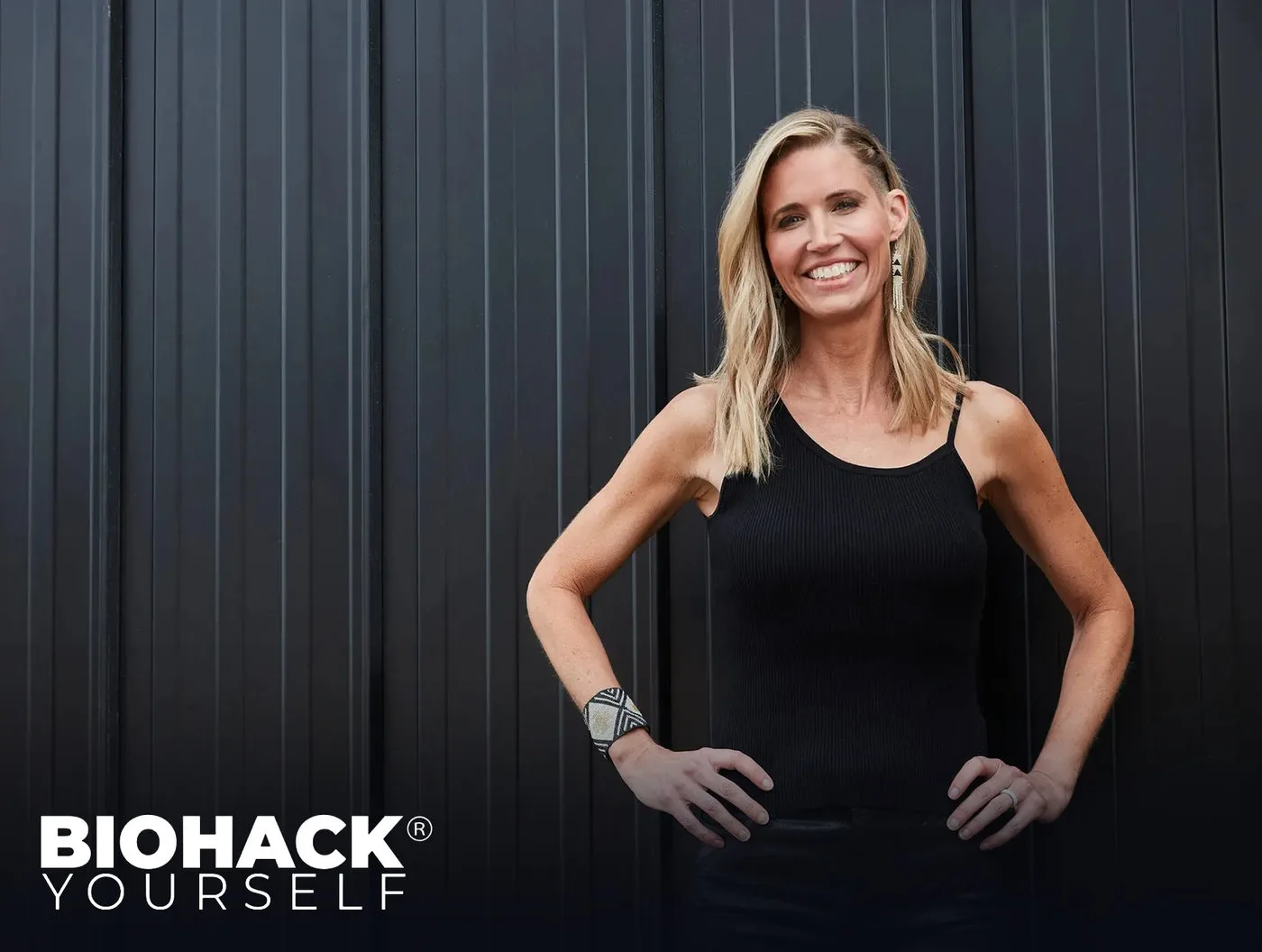
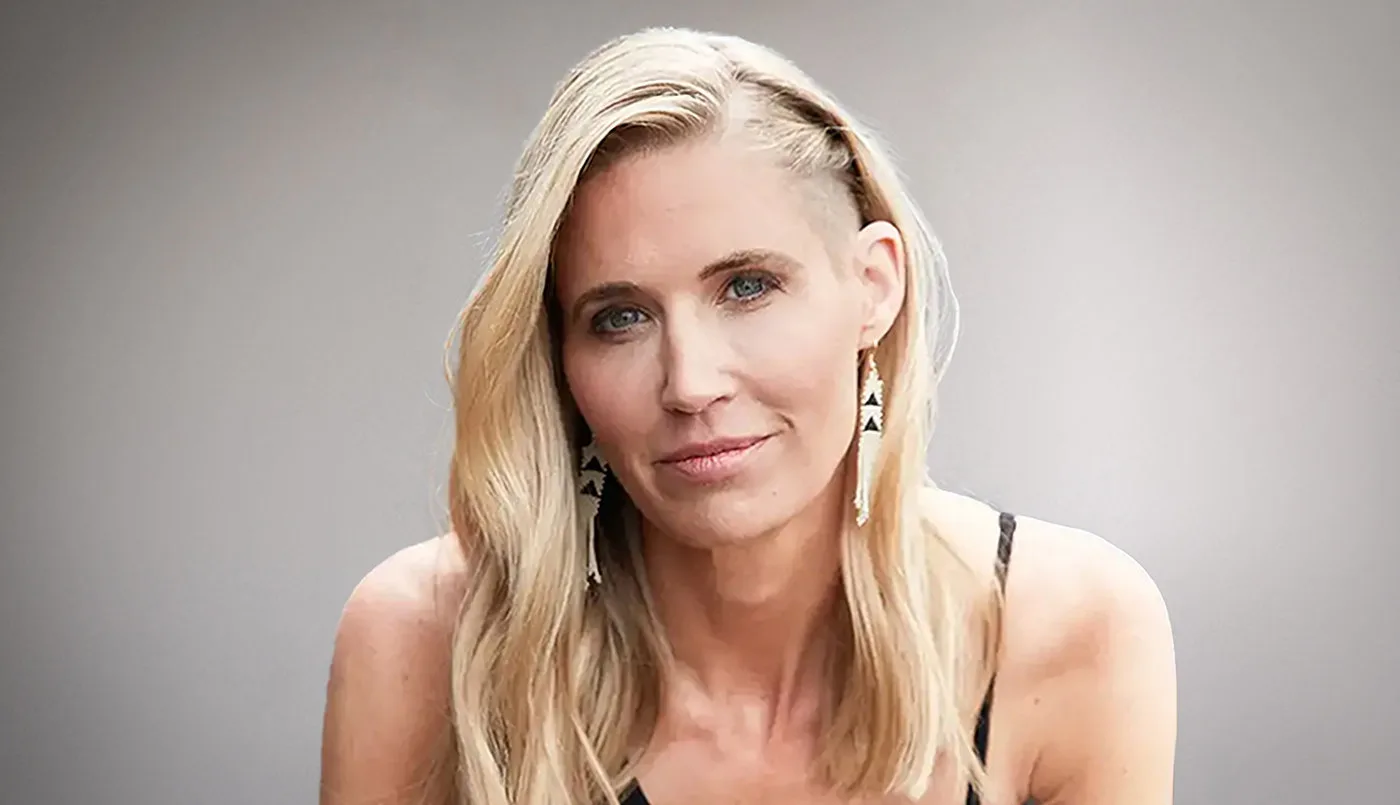
Dr. Amy Killen is a longevity and regenerative medicine physician and co-founder of Humanaut Health. Her book, The Female Longevity Curve*, will be published in early 2027. Get on the launch list at https://dramykillen.com/book/.
Dr. Amy Killen is a featured contributor in the Biohack Yourself Magazine Fall 2026 issue with Ashton Hall on the cover, available in stores and online on November 17, 2026.
Disclaimer:
Contributor content reflects the personal views and experiences of the author and does not necessarily represent the views of Biohack Yourself Media LLC, Lolli Brands Entertainment LLC, or any of their affiliates. Content is provided for editorial, educational, and entertainment purposes only. It is not medical or dental advice. Always consult qualified professionals before making health decisions. By reading, you agree to hold us harmless for reliance on this material. See full disclaimers at www.biohackyourself.com/termsanddisclaimers