For more than four decades, I've worked with everyone from professional athletes and UFC fighters to executives, first responders, and adults simply looking to stay active as they age.
One lesson has remained constant:
Inflammation is neither good nor bad.
It's essential.
Without inflammation, a cut wouldn't heal. A broken bone wouldn't repair. Muscles wouldn't adapt after exercise. Your immune system couldn't respond to infection.
Inflammation is one of the body's most important defense and repair mechanisms.
The problem begins when inflammation no longer turns off.
Acute vs. Chronic Inflammation
Think of acute inflammation as your body's emergency response team.
You sprain an ankle.
You strain a shoulder.
You recover from surgery.
Inflammation arrives quickly to protect tissue, remove damaged cells, and initiate repair. Once healing occurs, the inflammatory response naturally subsides.
That's healthy.
Chronic inflammation is different.
Instead of lasting days, it persists for months or years.
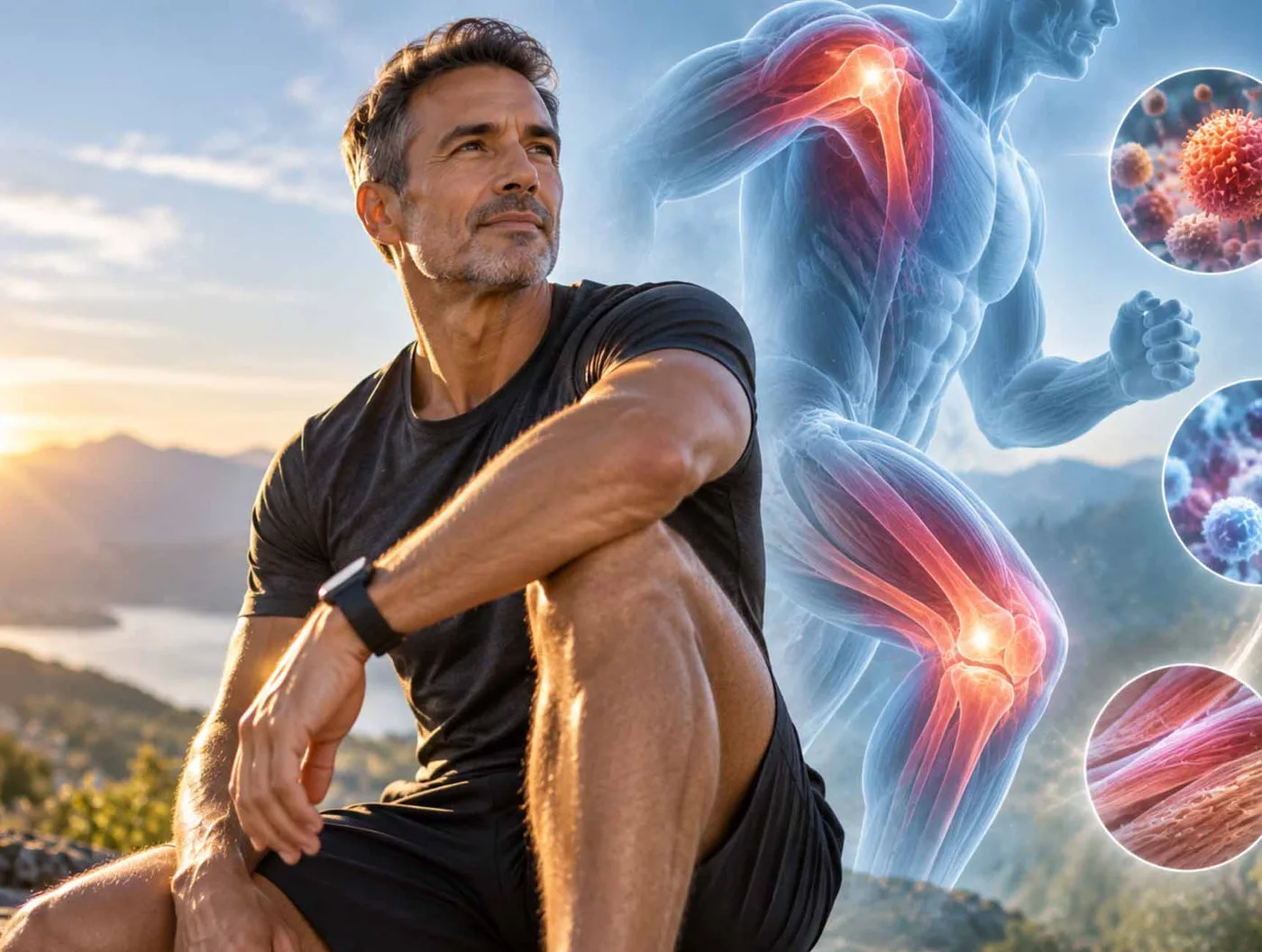
It can quietly affect joints, muscles, blood vessels, metabolism, the digestive tract, and even the brain.
Researchers continue to investigate chronic inflammation's role in conditions associated with aging, metabolic dysfunction, cardiovascular disease, neurodegenerative disorders, autoimmune diseases, and delayed recovery.
In many ways, chronic inflammation may be one of the biggest obstacles to healthy aging.
Why Recovery Matters More Than Ever
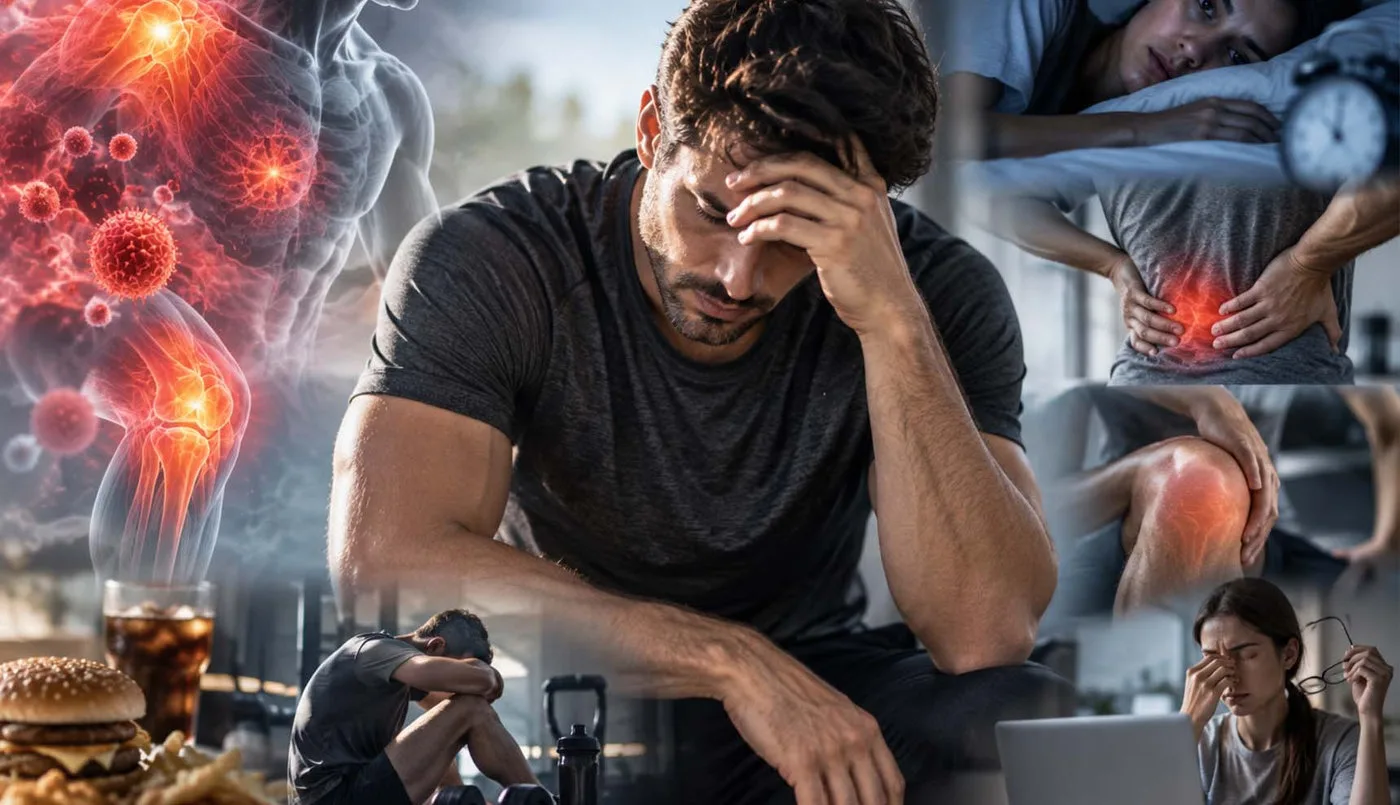
Every workout.
Every stressful day.
Every poor night's sleep.
Every processed meal.
Every injury.
Your body must recover from all of it.
Recovery isn't passive.
It's an active biological process requiring communication between billions of cells.
That communication is where regenerative medicine becomes especially interesting.
Peptides and the Science of Recovery
Peptides are naturally occurring chains of amino acids that function as signaling molecules throughout the body.
Rather than forcing biological processes, many peptides are being studied for how they support the body's own repair mechanisms.
Different peptides communicate with different tissues, allowing researchers to investigate highly targeted approaches to healing and recovery.
Here are several peptides receiving significant scientific attention.
BPC-157
One of the most widely discussed recovery peptides, BPC-157 is being investigated for its potential to support tendon, ligament, muscle, gastrointestinal, and soft tissue healing.
Researchers are studying how it may influence angiogenesis (the formation of new blood vessels), collagen production, tissue regeneration, and cellular repair.
Its broad range of investigation has made it one of the most recognized peptides in sports medicine and regenerative research.
Thymosin Beta-4 (TB-500)
TB-500 is a synthetic version of a naturally occurring fragment of Thymosin Beta-4, a protein involved in tissue repair and cell movement. Researchers are studying it for its potential role in supporting muscle recovery, connective tissue repair, flexibility, angiogenesis, and wound healing.
Because of its ability to influence cell migration and tissue remodeling, it has become an important area of regenerative medicine research.
KPV
Derived from alpha-melanocyte-stimulating hormone, KPV has gained attention for its potential anti-inflammatory properties.
Researchers are investigating whether KPV may help regulate inflammatory signaling while supporting gastrointestinal health, skin conditions, and immune balance.
Rather than simply suppressing inflammation, research is exploring how KPV may help support a balanced inflammatory response.
LL-37
LL-37 is a naturally occurring antimicrobial peptide produced by the immune system.
It plays an important role in the body's first line of defense against pathogens while also being studied for its role in wound healing, tissue repair, immune regulation, and biofilm disruption.
Researchers continue to investigate its broad applications in regenerative medicine and infection management.

Why Recovery Is Bigger Than One Molecule
No single peptide repairs the body.
The body heals through an incredibly coordinated network of biological communication involving immune cells, growth factors, hormones, connective tissue, blood vessels, and the nervous system.
Peptides are one part of that larger conversation.
They are tools—not miracles.
The Foundation Still Matters
One of the biggest misconceptions surrounding regenerative medicine is the belief that advanced therapies can replace healthy habits.
They cannot.
No peptide will consistently outperform:
- Quality sleep
- Resistance training
- Regular movement
- Proper nutrition
- Stress management
- Hydration
- Recovery between training sessions
These remain the foundation of long-term health and performance.
Regenerative therapies should be viewed as tools that may complement—not replace—a healthy lifestyle.
Looking Ahead
The future of healthcare isn't simply about treating injuries after they occur.
It's about creating an environment where the body can recover more efficiently, maintain healthy function, and remain resilient over time.
As researchers continue to study peptides and other biologically based therapies, we're learning more about how cellular communication influences inflammation, recovery, and healthy aging.
Understanding those biological signals may become one of the defining advances in regenerative medicine over the coming decade.
Key Takeaways
- Inflammation is essential for healing, but chronic inflammation may contribute to many age-related health challenges.
- Recovery depends on efficient communication between cells throughout the body.
- Peptides such as BPC-157, Thymosin Beta-4, KPV, and LL-37 are being studied for their potential roles in tissue repair, immune regulation, and recovery.
- Regenerative therapies are designed to support the body's natural biology, not replace it.
- Sleep, exercise, nutrition, hydration, and stress management remain the foundation of optimal health.
Disclaimer:
Contributor content reflects the personal views and experiences of the author and does not necessarily represent the views of Biohack Yourself Media LLC, Lolli Brands Entertainment LLC, or any of their affiliates. Content is provided for editorial, educational, and entertainment purposes only. It is not medical or dental advice. Always consult qualified professionals before making health decisions. By reading, you agree to hold us harmless for reliance on this material. See full disclaimers at www.biohackyourself.com/termsanddisclaimers