
Sunlight plays a fundamental role in human health. It regulates biological rhythms, supports vitamin production, and influences emotional well-being. Yet despite these benefits, ultraviolet (UV) radiation from the sun is classified as a known human carcinogen. Understanding how sun exposure affects the body — and how antioxidants help defend against cellular damage — allows individuals to make informed decisions about balancing benefits with risk.
Understanding Ultraviolet Radiation
Sunlight that reaches the Earth consists of visible light, infrared radiation, and ultraviolet radiation. UV radiation is categorized into UVA, UVB, and UVC wavelengths. UVC rays are filtered out by the atmosphere, but UVA and UVB penetrate the surface and affect human tissue.
UVA rays reach deeper layers of the skin and contribute significantly to premature aging, including wrinkles and reduced elasticity. They can also pass through window glass. UVB rays primarily impact the outer skin layers and are responsible for sunburn. Both forms of radiation damage cellular DNA and increase the likelihood of developing skin cancer.
Health Benefits of Moderate Sun Exposure
Although excessive exposure poses health risks, moderate sunlight provides measurable physiological benefits.
- Vitamin D Synthesis. Exposure to UVB radiation stimulates vitamin D production in the skin. Vitamin D plays a vital role in calcium absorption, bone strength, immune regulation, and inflammation control. Deficiency may lead to rickets in children and osteomalacia in adults. While dietary sources and supplements are available, sunlight remains a primary natural contributor to vitamin D synthesis.
- Mood Regulation. Sunlight also influences serotonin production, a neurotransmitter associated with emotional stability and well-being. Reduced daylight exposure, particularly during winter months, is associated with Seasonal Affective Disorder (SAD), a depressive condition characterized by fatigue and low mood.
- Circadian Rhythm Support. Natural light exposure helps regulate circadian rhythms, the internal biological clock that governs sleep-wake cycles. Regular daylight exposure promotes improved sleep quality and hormonal balance.
Risks of Excessive Sun Exposure
When sun exposure becomes prolonged or unprotected, health consequences increase significantly.
- Photoaging. Chronic UVA exposure accelerates photoaging by degrading collagen and elastin fibers that maintain skin structure. Over time, this leads to wrinkles, sagging, and hyperpigmentation.
- Sunburn and DNA Damage. Sunburn occurs when UV radiation causes inflammation and cellular injury. Although the body attempts to repair damaged DNA, repeated exposure increases the risk of permanent mutations. Even one blistering sunburn can elevate melanoma risk later in life.
- Skin Cancer. Skin cancer is the most commonly diagnosed cancer in the United States, affecting millions annually. The primary types include basal cell carcinoma, squamous cell carcinoma, and melanoma. Melanoma is particularly dangerous due to its ability to metastasize.
- Eye Damage. Ultraviolet radiation can damage the eyes and increase the risk of cataracts and other degenerative conditions. Sunglasses that block 100% of UVA and UVB radiation significantly reduce this risk.
- Immune Suppression. UV radiation can suppress certain immune responses in the skin. While controlled exposure is sometimes used therapeutically, chronic suppression may increase vulnerability to disease.
- Oxidative Stress and Cellular Damage. A central mechanism behind UV-related harm is oxidative stress. When UV radiation penetrates the skin, it generates reactive oxygen species (ROS). These unstable molecules damage DNA, proteins, and structural components such as collagen. The body combats oxidative stress using antioxidants, compounds that neutralize reactive oxygen species before they cause irreversible damage.
The Potential Role of Antioxidants in Sun Protection
Antioxidants may function as a secondary defense system that complements sunscreen and protective clothing.
- Vitamin C. Vitamin C supports collagen production and neutralizes UV-induced free radicals. Research published in Nutrients highlights its essential role in maintaining skin integrity and reducing oxidative damage.
- Vitamin E. Vitamin E protects cell membranes from oxidative injury. When combined with vitamin C, its protective effects are enhanced through synergistic interaction.
- Carotenoids. Carotenoids, including beta-carotene, accumulate in skin tissue and may reduce sensitivity to UV-induced redness. A review in The American Journal of Clinical Nutrition explains that carotenoids act as antioxidants capable of decreasing UV-related oxidative stress over time.
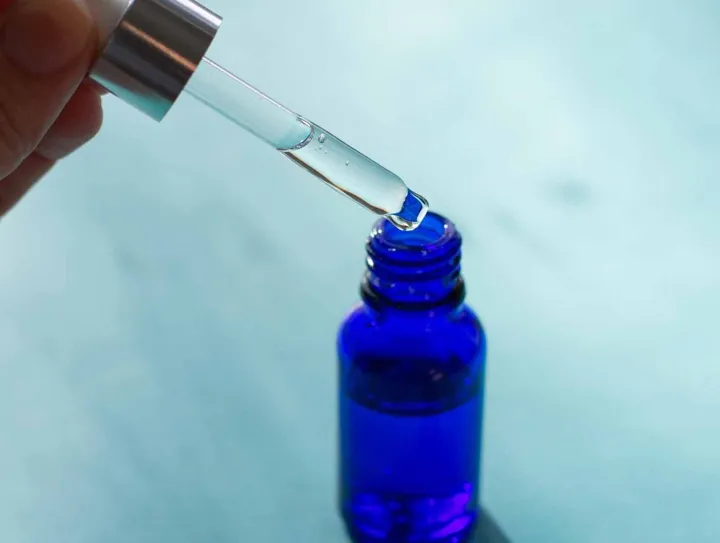
- Carbon 60 (C60). C60, or carbon 60, is a molecule composed of 60 carbon atoms in a spherical shape, resembling a soccer ball. Research has shown that C60 is an exceptionally powerful antioxidant, significantly more potent than vitamin C or E.
One of its most important properties is its ability to scavenge free radicals and neutralize oxidative stress, which plays a critical role in protecting skin cells from UV-induced damage. Some studies indicate that C60 may protect against UV-induced skin aging, promote a balanced immune response, and even enhance DNA repair mechanisms in skin cells.
Additionally, C60 has been found to promote overall cellular health, which could minimize the long-term risks of chronic UV exposure. As more studies emerge, C60's potential as an antioxidant for sun protection continues to gain attention in scientific circles.
It is important to emphasize that antioxidants do not replace sunscreen. Instead, they provide additional internal and topical support that strengthens the skin’s resilience against environmental stressors.
Examining Some Sun Protection Strategies
Health authorities recommend a multi-layered approach to sun safety, which reduces the risk of immediate skin damage and mitigates long-term effects such as photoaging and skin cancer. Emerging research suggests that antioxidants like C60 (Carbon 60) may offer additional internal protection against oxidative damage caused by UV radiation. Here’s how you can approach a healthy sun protection routine:
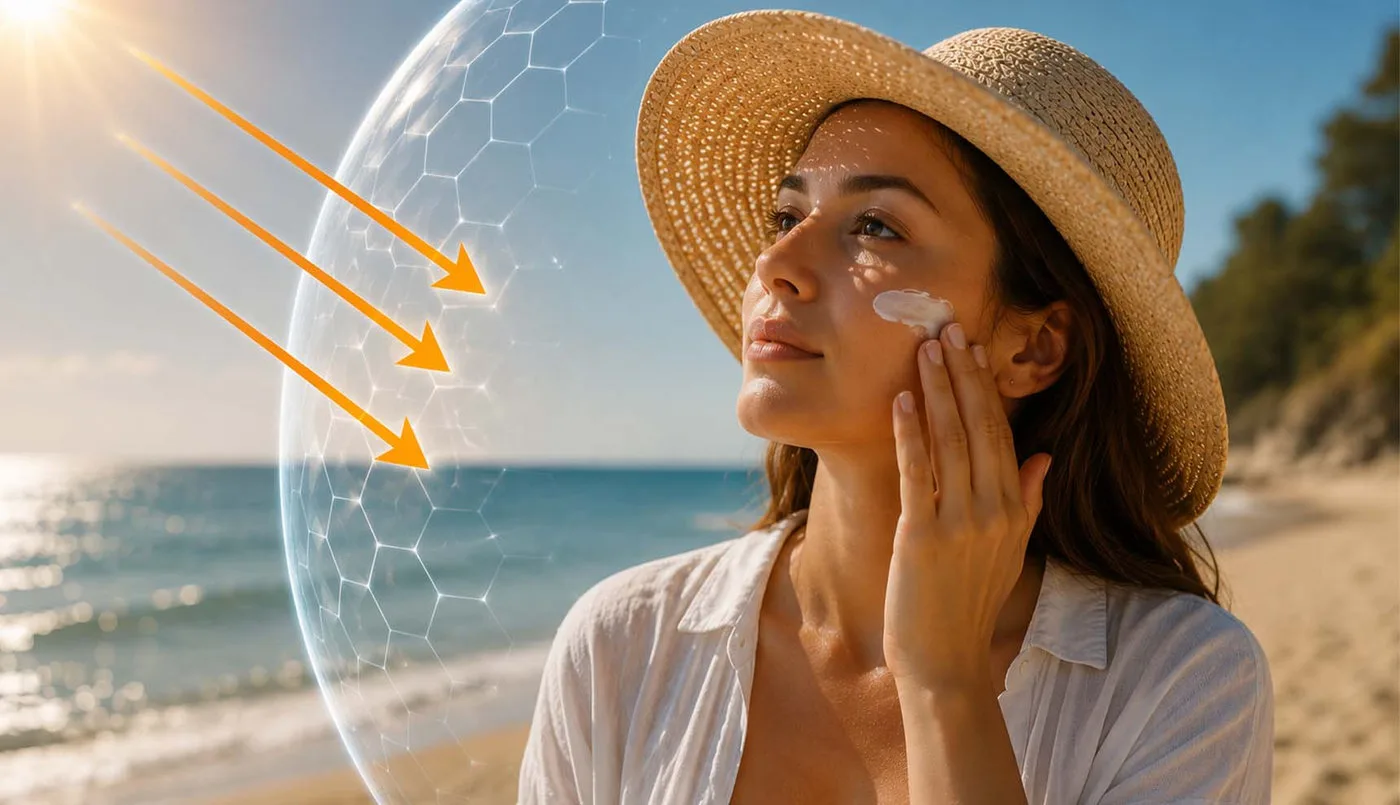
- Apply Broad-Spectrum Sunscreen with SPF 30 or Higher: Sunscreen remains one of the most effective tools for blocking UV radiation. Broad-spectrum sunscreens protect against both UVA and UVB rays, which are responsible for skin damage and aging. SPF (Sun Protection Factor) indicates the level of protection, with SPF 30 blocking approximately 97% of UVB rays. For optimal defense, apply a broad-spectrum sunscreen with SPF 30 or higher to all exposed skin. Reapply every two hours or more frequently if you are swimming or sweating.
- Reapply Sunscreen Every Two Hours During Outdoor Exposure: Sunscreen effectiveness diminishes over time due to sweat, water, and friction. For continuous protection, it is crucial to reapply sunscreen every two hours, even on cloudy days. Even “water-resistant” sunscreens require reapplication after swimming or excessive sweating. Applying sunscreen generously to all exposed areas ensures adequate protection.
- Check Daily UV Levels Using the Environmental Protection Agency’s UV Index: The UV Index measures the strength of ultraviolet radiation on a given day. The Environmental Protection Agency (EPA) provides daily UV index forecasts to help you gauge the intensity of sun exposure. On days with high UV levels, take extra precautions such as seeking shade, wearing protective clothing, or limiting sun exposure during peak hours (10 a.m. to 4 p.m.).
- Wear Protective Clothing, Hats, and UV-Blocking Sunglasses: Protective clothing serves as an effective physical barrier against harmful UV rays. Clothes with a high Ultraviolet Protection Factor (UPF) rating are especially effective. Long-sleeved shirts, wide-brimmed hats, and UV-blocking sunglasses provide critical protection for the skin and eyes. These items help prevent the harmful effects of UV radiation, including skin damage and eye conditions like cataracts.
- Seek Shade During Peak Sunlight Hours (10 a.m. to 4 p.m.): UV radiation is most intense between 10 a.m. and 4 p.m., so it’s important to minimize exposure during these hours. If you must be outside, try to stay in the shade under trees, umbrellas, or canopies. If shade is not available, use an umbrella or wear protective clothing to reduce direct exposure.
- Maintain a Diet Rich in Antioxidant-Containing Fruits and Vegetables: A diet rich in antioxidants plays a significant role in protecting skin health by neutralizing reactive oxygen species (ROS) generated by UV radiation. These antioxidants help reduce oxidative stress, which can lead to skin aging and damage. Foods rich in Vitamin C, Vitamin E, and carotenoids (like beta-carotene found in carrots, tomatoes, and leafy greens) can protect the skin from UV-induced damage while also promoting collagen synthesis to maintain skin integrity.
- Consider the Role of Carbon 60 (C60) as a Powerful Antioxidant: C60 (Carbon 60), a molecule made up of 60 carbon atoms arranged in a structure resembling a soccer ball, has gained attention for its antioxidant properties. This powerful molecule is known to neutralize free radicals and reduce oxidative stress more effectively than many other antioxidants, including vitamins C and E. By scavenging the reactive oxygen species (ROS) generated by UV exposure, C60 may help protect the skin from oxidative damage.

A Closer Look At C60 and Sun Exposure
C60 has demonstrated a particular ability to protect dermal fibroblasts—key cells in the skin’s response to UV damage. These cells play an important role in maintaining skin structure and function, as well as repairing UV-induced damage. C60’s antioxidant action may help mitigate the oxidative stress experienced by these fibroblasts, preserving skin health and preventing premature aging caused by repeated sun exposure.
Furthermore, C60 has been identified as part of a group of fullerene derivatives with powerful antioxidant capabilities, making it a potentially valuable addition to the skincare arsenal. It may support the body’s natural defenses against oxidative damage from various environmental stressors, including UV radiation, further supporting skin health.
While the evidence suggests that C60 may offer valuable internal protection against UV-induced damage, more research is needed to fully confirm its long-term effectiveness and safety as a skincare supplement. As with any emerging antioxidant, C60 should be used in conjunction with proven sun protection methods like sunscreen, protective clothing, and a diet rich in antioxidants rather than as a replacement for these established strategies.
Summary
Sun exposure presents both opportunity and risk. It supports vitamin D production, emotional well-being, and circadian rhythm regulation, yet it is also a confirmed carcinogen when exposure is excessive. The key to long-term health lies in balance: moderate sunlight paired with sunscreen use, protective clothing, UV awareness, and antioxidant support, including C60.
By understanding the science behind ultraviolet radiation and oxidative stress, individuals can enjoy the benefits of sun exposure while minimizing preventable harm.
*These statements have not been evaluated by the Food and Drug Administration. These products are not intended to diagnose, treat, cure, mitigate, or prevent any disease. Individual results may vary.
Disclaimer:
Contributor content reflects the personal views and experiences of the author and does not necessarily represent the views of Biohack Yourself Media LLC, Lolli Brands Entertainment LLC, or any of their affiliates. Content is provided for editorial, educational, and entertainment purposes only. It is not medical or dental advice. Always consult qualified professionals before making health decisions. By reading, you agree to hold us harmless for reliance on this material. See full disclaimers at www.biohackyourself.com/termsanddisclaimers