
Whether you are a novice or an expert athlete, you know that fueling your body with the right nutrients is essential, as well as knowing which supplements for athletes are key for optimal health and performance. In this article, we take a look at how important proper nutrition is to energy levels, muscle repair, and hydration, whether you’re training for competition, meeting daily fitness goals, or working physically demanding jobs. Balanced meals, coupled with targeted supplements (including Carbon 60), can help you optimize your training outcomes.
Getting Strategic — Nutritional Overview
Let’s start by stating that optimal nutrition is the foundation of both health and athletic performance. Even a well-designed training program cannot hit the mark if your energy intake and hydration are not consistent. You know that feeling, where after a workout you are feeling good, but then you feel like your energy crashed; well, that is most likely due to poor nutritional intake, including hydration. Ever had a workout where your legs felt fine, but your energy crashed? That’s often a nutritional issue, not a motivational problem.
Athletes need more than “healthy food.” You may think that all they need to do is eat clean and healthy, and though that is definitely part of the equation, athletes require sufficient energy, the right balance of carbohydrates, protein, and fats, and adequate vitamins, minerals, and fluids to train consistently and perform well. When these fundamentals are met, performance feels more stable, recovery improves, and fatigue-related setbacks decrease.
Some dietary supplements can help in certain situations, but it is important to speak with your healthcare provider and include your coach in these conversations. Your healthcare provider knows your health and medical needs, so do not start any supplements without their advice.
Supplements for athletes may be helpful to close the dietary gaps, as well as to support additional needs, but they do not replace a solid nutrition plan. The most reliable results come from consistent meals, practical hydration strategies, and nutrient timing that fits your schedule.
The Key Nutrients
Athletes need the same nutrients as everyone else—but the margin for error is smaller. Training burns more fuel, breaks down more tissue, and increases fluid and mineral losses through sweat. Even minor deficits can impact energy, recovery, and long-term performance.
A practical approach: energy first, meaning enough calories to support your activities, your macronutrients, second, and focus on the micronutrients next on your plate. Without adequate calories, no supplement for athletes can fully compensate. Low energy intake can increase injury risk and disrupt hormone balance.
Core Nutrients
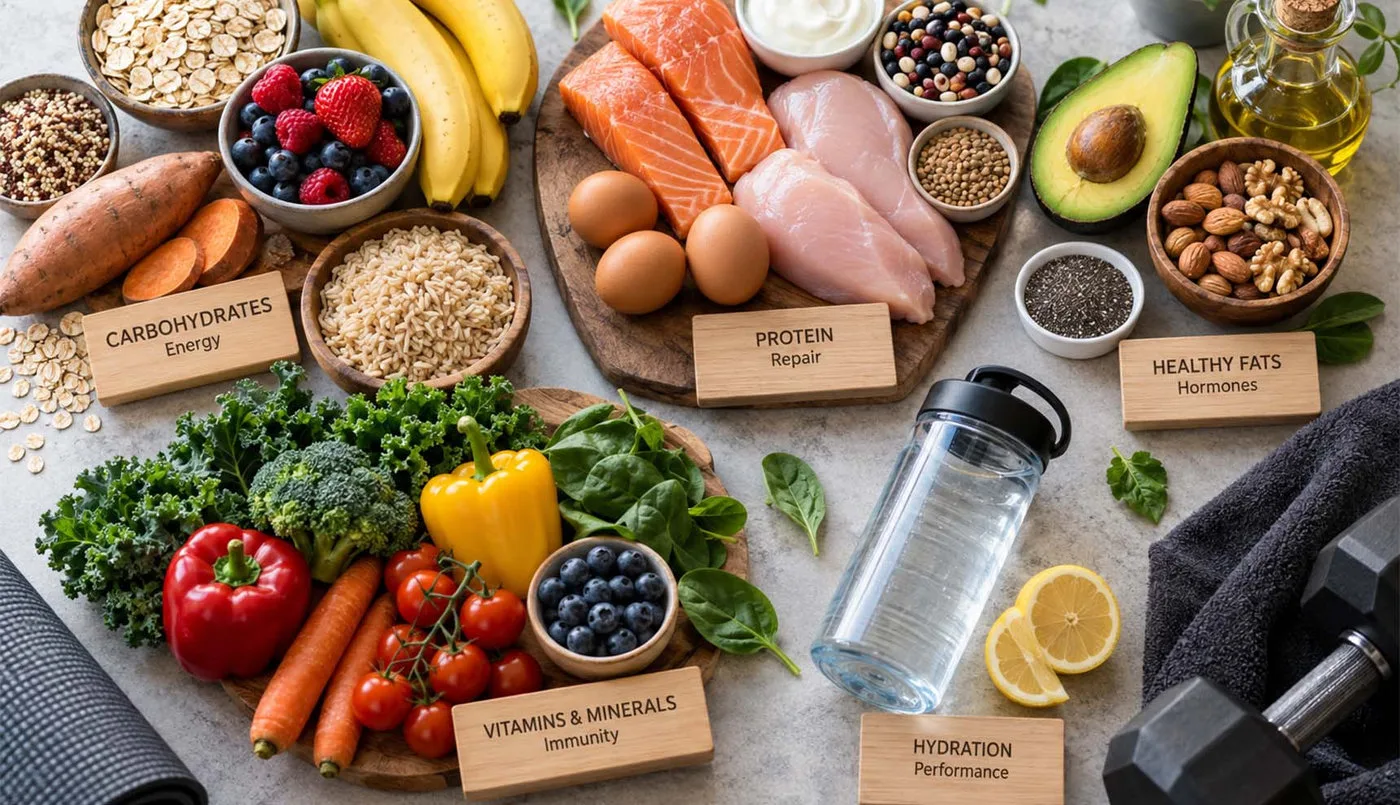
- Carbohydrates: Fuel high-intensity efforts and refill glycogen stores.
- Protein: Supports muscle repair, preserves lean mass, and enables adaptation.
- Micronutrient-rich organic fruits and vegetables: Provide vitamins and minerals for recovery and immune support.
- Healthy fats: Support hormones, brain health, and long-duration energy.
Some great food choices:
- Carbs: Rice, potatoes, whole-grain pasta, quinoa
- Protein: Chicken, turkey, tofu, Greek yogurt, eggs, beans
- Fats: Organic avocado, organic extra virgin olive oil, salmon, nuts
- Micros: Organic options including spinach, kale, berries, bell peppers
When the basics are covered, supplements like C60 can add an extra layer of antioxidant support for recovery and oxidative stress management.
The 3 Main Macros
Building plates that combine carbs, protein, and healthy fats—with timing matched to your workouts—makes energy, recovery, and performance feel more consistent. Simple, repeatable meals are often the most effective for long-term athletic success.
- Carbohydrates. Carbs are your body’s preferred fuel for high-intensity efforts like intervals, heavy lifting, tempo runs, and most team sports. They refill glycogen, your muscles’ stored “ready energy,” so when glycogen runs low, pace and power drop, and workouts feel harder than they should.
Practical athlete-friendly options: rice, potatoes, organic quinoa, whole-grain pasta, sweet potatoes, fruit, and legumes. Pairing carbs with colorful vegetables ensures you get extra micronutrients and antioxidants.
- Protein. Protein supports muscle repair, adaptation, and recovery, and helps preserve lean mass during heavy training periods. Spread protein across the day rather than saving it all for one meal. Most athletes do well with a protein source at each meal and often have a snack.
Easy recovery options: Greek yogurt, eggs, lean meats (chicken, turkey, beef), soy foods, beans, lentils, or a protein shake if whole food isn’t convenient. For post-workout recovery, aim for a mix of protein plus carbs to help muscles rebuild efficiently.
- Fats. Healthy fats are essential for hormone production, brain health, and long-duration energy, while also making meals satisfying. Very high-fat meals immediately before intense sessions may cause stomach discomfort, so save larger fat portions for meals farther from training. Always experiment with your intake to ensure that you know what you can safely tolerate without concern for GI issues.
Healthy choices include: salmon, tuna, avocado, nuts, seeds, olive oil, and nut butters. Try a meal like grilled salmon with roasted vegetables and a drizzle of organic olive oil, or a quinoa salad topped with avocado and seeds for balanced nutrition.
Check Off Your Micronutrients (Micros)
Micronutrients don't provide calories, but they run the "behind the scenes" systems that keep you training. When they're low, it often shows up as nagging fatigue, poor sleep, or slow recovery. Those signs have many causes, but nutrition is a common one.
Here are some areas to pay attention to:
Vitamins and Minerals
- Iron. Needed to carry oxygen in the blood. Low iron can make you feel like you're working twice as hard for the same pace. It's more common in menstruating athletes, endurance athletes, and those who avoid red meat. Testing ferritin and iron markers can clarify what's going on.
- Vitamin D. Supports bone health and muscle function. Since vitamin D status varies by sun exposure and skin tone, blood testing can be useful, especially in winter.
- Calcium and magnesium. Support bone strength and muscle contraction. Low intake over time can raise stress fracture risk, particularly if total calories are low.
- B vitamins and zinc. Support energy metabolism and immune function. When intake is low, athletes may notice frequent illness or poor appetite.
Electrolytes
Electrolytes matter too, especially sodium, potassium, and magnesium. Sodium is the big one for performance in the heat because it helps maintain fluid balance. Heavy sweaters, long sessions (often 60 to 90 minutes or more), and hot conditions are when electrolytes matter most.
Hydration basics are simpler than most people think: drink consistently across the day, start sessions already hydrated, and use fluids plus sodium when sweat losses are high.
Nutrition Ideas —Pre, During, and Post Workouts
Here are some quick and easy rules to reference when looking to support your workout and recovery.
Pre-workout (1–4 hours before)
- 3–4 hours: Normal meal with carbs + lean protein (e.g., turkey rice bowl, pasta with chicken)
- 1–2 hours: Lighter snack if sensitive (banana with yogurt, bagel with peanut butter)
- 30–60 minutes: Simple carb-focused options (sports drink, crackers, fruit)
During long sessions. Carbs help maintain output and prevent fatigue. Speak with your sports coach or Sports dietitian to see what your personalized nutrition plan looks like.
Post-workout recovery. Focus on glycogen replenishment, protein for repair, and fluids with electrolytes. Examples: chocolate milk, a banana, Greek yogurt with berries, smoothie with protein, rice bowl with lean meat or tofu. Any of these combinations can support a good mix of macros and some micros.
Sleep. An important component of feeling refreshed, while supporting repair and synthesis, is adequate sleep, which supports recovery. If you consistently under-sleep, recovery nutrition has to work harder. Aim for a routine you can repeat most nights because that's when repair hormones and tissue rebuilding do a lot of their work.
Supplements for Athletes
Food first is a reality check. Supplements can't replace consistent meals, adequate carbs, or enough total calories. Supplements for athletes can help fill gaps, support recovery, or enhance performance when diet and sleep are solid.
- Creatine monohydrate. Enhances strength, power, and repeated sprint performance for numerous athletes. Some individuals may experience slight water retention. Consistent use is key, as timing is less critical than regular intake.
- Protein powder. Not superior to whole foods, but it is convenient. It proves beneficial when appetite is diminished, during extensive travel, or when meeting protein goals through meals is challenging. Look for organic since that is considered a cleaner option.
- Vitamin D. Beneficial when a blood test indicates low levels.³ More is not necessarily better, so consider it a tool for addressing nutrient deficiencies rather than a performance enhancer. Vitamin D3, a fat-soluble nutrient commonly delivered in oil, works synergistically with vitamin K2 to support bone and cardiovascular health, and also immune function. This is important for athletes exposed to high skeletal stress and immune challenges. Vitamin D3 enhances calcium absorption and supports muscle function and immune regulation, while vitamin K2 helps direct calcium into bone and limit its deposition in soft tissues like arteries and kidneys.
- Omega-3s. May be advantageous if the consumption of fatty fish is insufficient. Research remains inconclusive regarding direct performance benefits, but omega-3s promote overall health and may alleviate soreness in certain situations.
- Multivitamins. If you are taking a multivitamin, be sure to check with your HCP to make sure you are not taking in amounts of certain vitamins like A, D, E and K, which are fat-soluble and not easily excreted like water-soluble vitamins. ⁵ But again, all supplements should be reviewed by your health provider to ensure there are no concerns for toxicity over time, no potential medication and nutrient interactions, or nutrient-nutrient interactions.
Safety First
The biggest risks with supplements aren't always side effects. Sometimes it's contamination, under-dosing, or banned substances that never appear clearly on the label. That's why third-party testing matters. In plain terms, it means an independent program checks whether the product contains what it claims, and screens for common contaminants.
C60 and Athletes
C60 (Carbon 60 fullerene) is gaining attention as a potential recovery and performance support. Research suggests it may act as a powerful antioxidant, neutralizing free radicals and minimizing oxidative stress linked to fatigue and muscle strain.
Positive takeaways for athletes:
- May support muscle recovery and help with muscle fatigue
- Works best when combined with solid nutrition, hydration, and sleep
- Studies show protective effects in skeletal muscle, suggesting potential long-term benefits

C60 Power Options: Supplements for Athletes
- C60 Power Organic MCT Coconut Oil – Quick-absorbing healthy fats support steady energy during training. Great choice for individuals watching their sugar and glucose levels, for diabetics, for anyone on a keto or high protein diet.
- C60 Power Organic Avocado Oil – Higher concentration of C60 in a digestion-friendly oil, providing antioxidant support and tolerable for many athletes. Great choice for anyone who is focused on gut health and digestive system repair. This oil is recommended for anyone who is new to taking C60 as a supplement as it is the easiest oil to digest.
- C60 Power Organic Extra Virgin Olive Oil – This formulation combines the potent antioxidant C60 with the natural health benefits of extra virgin olive oil for maximum purity, bioavailability, and support against oxidative stress. A preference for those who want to enjoy the benefits of a Mediterranean Diet. This oil is recommended for individuals who intermittent fast, as this is a great oil to break an intermittent fast with.
Summary
Building a strong foundation starts with adequate energy from carbohydrates to support high-intensity training, protein spread throughout the day to repair and maintain muscle, and healthy fats consumed strategically to support hormone balance, brain function, and sustained energy. Equally important are micronutrients like iron, vitamin D, magnesium, and B-vitamins, guided by testing to identify individual needs.
When these basics are in place, supplements such as creatine, omega-3s, and targeted antioxidants like C60 can further support recovery, support healthy oxidative balance, and support consistent performance. Ultimately, smart nutrition combined with proper sleep, hydration, and recovery routines ensures your body is ready to perform, adapt, and stay resilient over time.
Pick one upgrade this week, which can be focusing on a better pre-workout snack, a consistent post-workout meal, improved hydration, or safe C60 introduction. Then take a look at tracking your energy and how you feel, also track your sleep quantity and quality, and your training quality too. If fatigue, frequent illness, or injuries persist, consult your healthcare professional.
Disclaimer
*These statements have not been evaluated by the Food and Drug Administration. These products are not intended to diagnose, treat, cure, mitigate, or prevent any disease. Individual results may vary.
Disclaimer:
Contributor content reflects the personal views and experiences of the author and does not necessarily represent the views of Biohack Yourself Media LLC, Lolli Brands Entertainment LLC, or any of their affiliates. Content is provided for editorial, educational, and entertainment purposes only. It is not medical or dental advice. Always consult qualified professionals before making health decisions. By reading, you agree to hold us harmless for reliance on this material. See full disclaimers at www.biohackyourself.com/termsanddisclaimers