Everyone is talking about biohacking.
Cold plunges. Red light. Wearables. Peptides. Sleep trackers. Continuous glucose monitors. Sauna protocols. Supplements with names that sound like a Wi-Fi password at a wellness retreat.
And honestly, I get it. I love the idea of using science, data, and intention to improve health. That is a good thing.
But as an Integrative Pediatrician, I always come back to a question that almost no one in the longevity space is asking:
Why are we waiting until adulthood to talk about healthspan?
If we really care about longevity, resilience, metabolic health, brain health, immune health, emotional health, and performance, the conversation should not start at 45 when someone buys a wearable and realizes their sleep score is basically a cry for help.
It should start in childhood.
But here is the problem: when adults hear “biohacking for kids,” some imagine a toddler in a cold plunge wearing a glucose monitor while listening to a Huberman podcast on mitochondrial optimization.
Please don’t do that.
Children do not need childhood turned into a lab experiment. They do not need a supplement stack bigger than their lunchbox. They do not need parents chasing perfect metrics while their kid just wants to eat blueberries off the floor and show them a rock.
For kids, the best biohacks are usually the basics adults have forgotten.
Sleep. Sunlight. Movement. Real food. Nature. Emotional connection. Reduced toxic exposures. Nervous system regulation. Boredom. Dirt. Play. Family meals. A parent who looks them in the eye instead of at a phone.
Wild, I know. Groundbreaking stuff. Someone call Silicon Valley.
In my office, I see this every day. A parent brings in a child with stomachaches, anxiety, poor sleep, picky eating, eczema, constipation, behavior issues, or constant colds. They often come in looking for the advanced answer. A test. A supplement. A protocol. A root cause. And sometimes, yes, those things matter.
But more often than people expect, we start with the basics.
What time are they going to bed? Are they getting outside in the morning? How much protein are they eating at breakfast? Are they moving their body every day? How much ultra-processed food is sneaking in? Are they drinking enough water? Are they pooping? Are they on screens right before bed? Is the family living in a constant state of stress?
This is not glamorous medicine.
It does not make for a sexy Instagram reel.
“Get your child to bed on time” will never trend like “this one ancient mushroom your pediatrician doesn’t want you to know about.”
But it works.
Sleep is one of the most powerful “performance enhancers” children have. It supports learning, memory, emotional regulation, immune function, growth, and behavior. Adequate sleep is associated with better mental and physical health in children, and national recommendations for school-age children generally range from 9–12 hours for ages 6–12 and 8–10 hours for teens.
And yet, so many kids are exhausted. They are wired, dysregulated, moody, impulsive, and struggling to focus — and then we act shocked when a child who went to bed at 10:30 after two hours of YouTube shorts cannot calmly do long division the next morning.
That is not an attention problem. That is a biology problem.
Movement is another one. Kids are supposed to move. A lot. Children and adolescents ages 6–17 need at least 60 minutes of physical activity daily, and younger kids should be active throughout the day.
But modern childhood has become strangely still.
Sit in school. Sit in the car. Sit at dinner. Sit on the couch. Sit with an iPad. Then we wonder why their nervous systems are bouncing off the walls. Their bodies are not broken. Their bodies are underused.
Nature may be one of the most underrated pediatric biohacks we have. Outdoor play gives children movement, sunlight, sensory input, microbial exposure, creativity, risk assessment, and emotional regulation all at once. Try putting that in a capsule.
Food is another foundation. Not perfect food. Not fear-based food. Not “my child must eat liver mousse and fermented radishes or I have failed as a parent” food.
Just real food.
Protein. Healthy fats. Minerals. Fiber. Color. Family meals. Less ultra-processed stuff. Fewer blood sugar roller coasters. More foods that actually resemble something that came from the earth instead of a factory with a marketing department.
I often tell parents: we are not trying to create perfect eaters. We are trying to create resilient bodies.
The same goes for toxic exposures. Parents do not need to panic about every candle, couch, plastic toy, and receipt they have ever touched. That way lies madness. And probably a very expensive online cart.
But small, consistent swaps can matter. Filter water when possible. Reduce fragrance. Use safer cleaning products. Avoid heating food in plastic. Let kids sweat and play outside. The goal is not purity. The goal is lowering the total burden where we reasonably can.
And then there is the biohack no wearable can measure well enough: connection.
A child’s nervous system is shaped by relationships. They learn safety through co-regulation. They learn resilience through repair. They learn empathy by receiving empathy. They learn stress tolerance not because life is perfect, but because a caring adult helps them move through imperfection.
I have had so many visits where the “treatment plan” included fewer activities, more sleep, more family dinners, less screen chaos, and more one-on-one time. Not because I am anti-technology or anti-achievement. But because children are not small executives. They are developing humans.
We cannot optimize childhood by removing childhood.
Biohacking for kids should not mean pushing children to perform at adult levels. It should mean asking: what does this child’s biology need to thrive?
Sometimes the answer is advanced testing. Sometimes it is targeted nutrients. Sometimes it is addressing mold, allergies, gut health, inflammation, sleep apnea, or neurodevelopmental needs.
But often, the first layer is much simpler.
Early bedtime. Morning sunlight. Bare feet in grass. More protein. Fewer screens. More hugs. More movement. More laughter. More time being bored enough to invent something weird with sticks.
That is pediatric biohacking.
Not extreme optimization.
Biological resilience.
The longevity movement is exciting, but it will miss the biggest opportunity if it only focuses on adults trying to reverse decades of depletion. The first 18 years are the original longevity protocol.
Put the kids to bed. Feed them real food. Get them outside. Let them move. Let them play. Love them well.
Not fancy.
Just foundational.
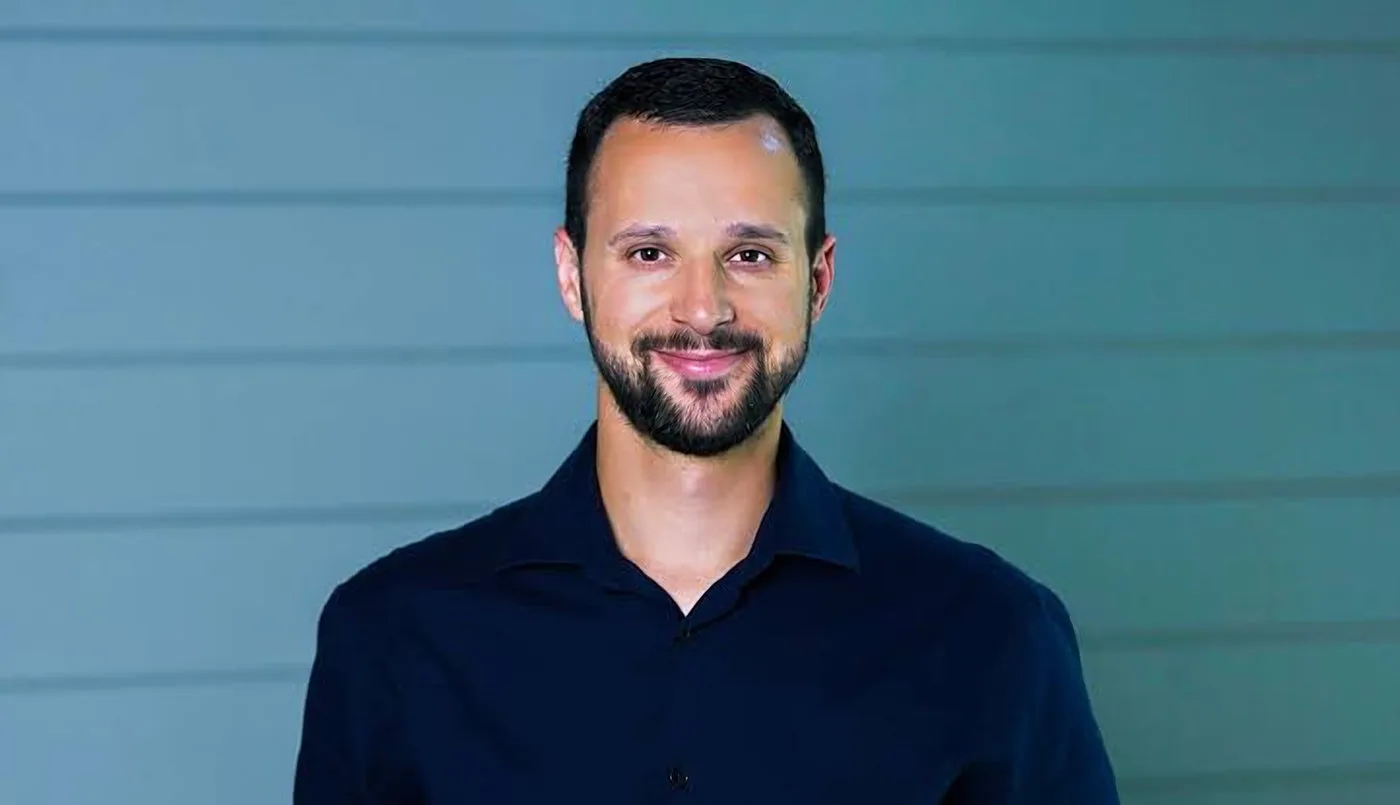
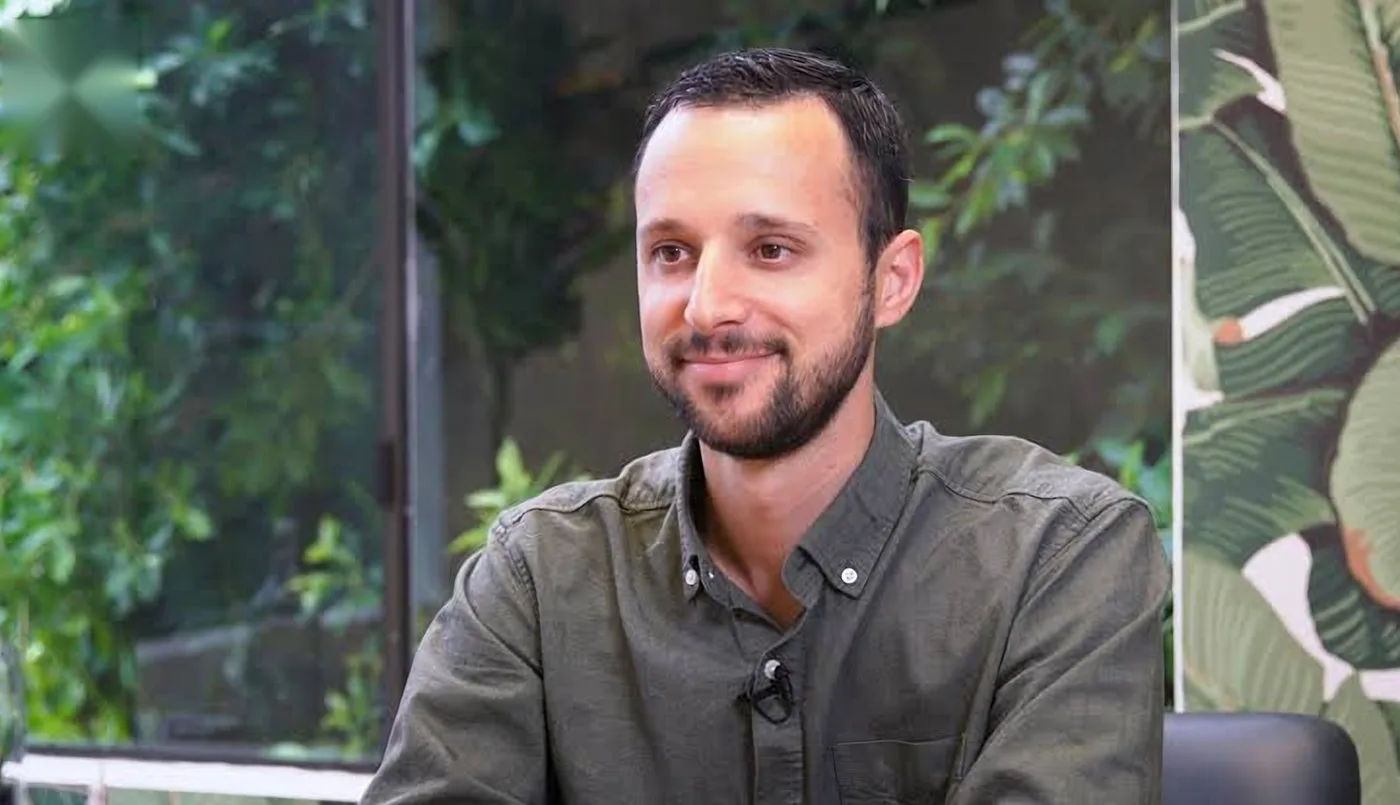
Joel Warsh, aka DrJoelGator of the popular parenting Instagram account, is a Board-Certified Pediatrician in Los Angeles, California, who specializes in Parenting, Wellness and Integrative Medicine. He has authored multiple books, including his latest, "Between a Shot and a Hard Place: Tackling Difficult Vaccine Questions with Balance, Data, and Clarity."
Dr. Joel "Gator" Warch is a featured contributor in the Biohack Yourself Magazine Fall 2026 issue with Ashton Hall on the cover, available in stores and online on November 17, 2026.
Disclaimer:
Contributor content reflects the personal views and experiences of the author and does not necessarily represent the views of Biohack Yourself Media LLC, Lolli Brands Entertainment LLC, or any of their affiliates. Content is provided for editorial, educational, and entertainment purposes only. It is not medical or dental advice. Always consult qualified professionals before making health decisions. By reading, you agree to hold us harmless for reliance on this material. See full disclaimers at www.biohackyourself.com/termsanddisclaimers