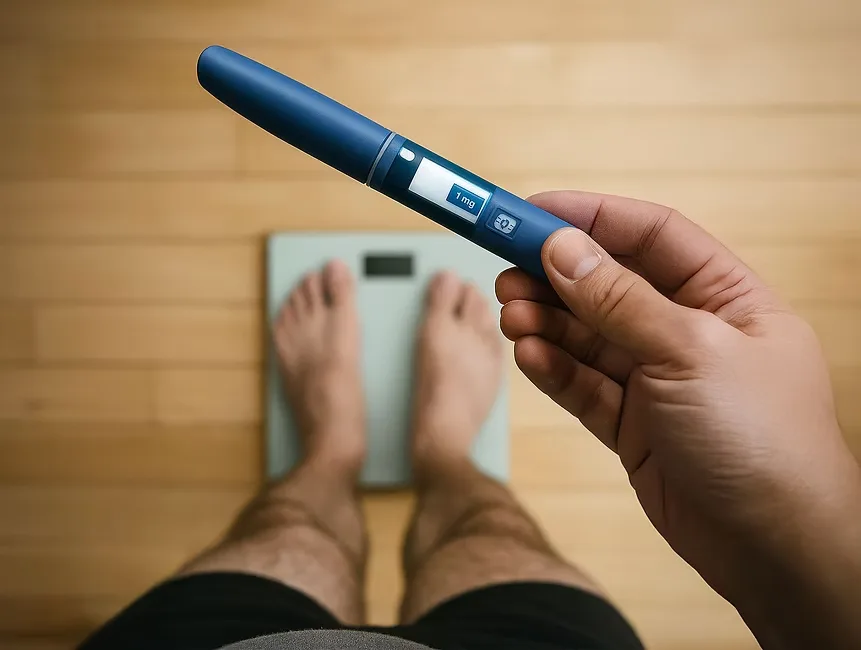
GLP-1 medications have been making waves in weight loss clinics and longevity forums alike. You’ve likely seen the dramatic before-and-after photos. Maybe a friend’s doctor prescribed it. Maybe you're wondering if it’s right for you.
But beyond the headlines, what’s actually happening in the body with GLP-1 weight loss before and after? How fast do results show up? And are these changes sustainable, or is there more to the story?
Let’s dig into what GLP-1 is, what the research really says, what users report, and how to think critically about supporting your metabolism both with and without pharmaceuticals.
What Is GLP-1 and Why Is It Linked to Weight Loss?
GLP-1, or glucagon-like peptide-1, is a hormone your body produces naturally after you eat. It plays a key role in regulating blood sugar and satiety by:
- Slowing gastric emptying (so you feel fuller longer)
- Stimulating insulin secretion
- Reducing appetite by acting on brain receptors
In recent years, GLP-1 receptor agonists, including medications like semaglutide (Ozempic, Wegovy) and liraglutide (Saxenda), have gained FDA approval for weight management, originally developed for type 2 diabetes.
To understand the full picture, check out this explainer on how GLP-1 works from the Mimio team.

What “Before and After” Really Looks Like
Most people who start a GLP-1 prescription see noticeable results in the first 1 to 3 months. Appetite tends to decline within days. Weight loss often accelerates after week four, with consistent use and lifestyle support.
Let’s break down the timeline.
Weeks 1–4: Adjustment Phase
- Appetite decreases
- Possible nausea or GI symptoms
- Small changes in food behavior
Months 1–3: Visible Weight Change
- Clothes fit differently
- Weight drops 5–10% from baseline
- More energy due to stabilized blood sugar
Months 3–6: Plateau or Continued Loss
- Up to 15% reduction in body weight
- Visible changes in face, midsection, and muscle tone
- Some users may hit a plateau and adjust dosage or lifestyle

Starting a GLP-1 prescription
Most people see noticeable results in the first 1 to 3 months.
Real User Experiences: The Nuance Behind the Numbers
Scroll through forums or talk to GLP-1 users, and you’ll find a range of stories. Some are glowing. Others are complicated.
Positive outcomes:
- “I finally felt like food wasn’t controlling me.”
- “I’ve lost 30 pounds in six months without extreme dieting.”
- “My A1c improved alongside the weight loss.”
Common challenges:
- Digestive side effects (nausea, constipation)
- Plateaus after the initial weight drop
- Weight regain after stopping the medication
The science backs this variability. Some people respond quickly, others need time, and lifestyle still plays a huge role. GLP-1 medications influence appetite, but not willpower, motivation, or habits.
What’s Behind the Transformation?
So what’s actually going on physiologically with GLP-1 weight loss before and after?
- Appetite reduction leads to a consistent caloric deficit.
- Improved insulin sensitivity means better fat metabolism.
- Slower digestion can reduce food reward signals in the brain.
- Less blood sugar volatility = fewer cravings and crashes.
These changes compound over time, creating visible body composition shifts. But they don’t build muscle, increase mitochondrial health, or activate cellular repair. That’s where support systems come in.
Are There Natural Alternatives or Complements?
Here’s where things get interesting.
GLP-1 medications work well for appetite control, but they’re not your only option. Strategies that mimic fasting biology, like caloric restriction, autophagy activation, or metabolic supplements can achieve similar downstream effects without pharmaceutical input.
Mimio Fasting Biomimetic is one example. It’s designed to recreate the cellular conditions of a 36-hour fast, helping to improve fat metabolism, reduce inflammation, and support natural energy production without having to skip meals.
For those using GLP-1 medications, Mimio may help maintain metabolic health while minimizing muscle loss. For others, it could offer a natural path to similar benefits by tapping into your body’s existing pathways.
What to Consider Before Starting GLP-1
GLP-1s are powerful, but they’re not for everyone. Here’s what to weigh:
Pros:
- Clinically proven for weight loss
- Reduces cravings
- Supports blood sugar control
Cons:
- GI side effects are common
- Must be injected regularly
- Some weight may return after stopping
- Cost and insurance coverage vary
If you’re considering a GLP-1 or are already taking one, think long-term. What’s your exit strategy? How will you support your metabolism after the prescription ends?
That’s where lifestyle, movement, protein intake, and cell-focused supplements make all the difference.

Lifestyle support is important
Lasting transformation isn’t about looking different. It’s about feeling better.
Before and After: Beyond the Scale
Let’s be honest: the most visible benefit of GLP-1 use is weight loss. But what matters just as much, if not more, is how your body feels and functions along the way.
- Are you maintaining muscle?
- Do you have energy and mental clarity?
- Is your digestion supporting overall health?
Before and after isn't just about pounds. It's about metabolic flexibility, mitochondrial efficiency, and long-term sustainability.
If GLP-1 helps you reset your relationship with food, fantastic. But keep building the foundation: sleep, movement, hydration, stress management, and cellular support like Mimio.
There’s no denying the power of GLP-1 medications in helping people lose weight. The “before and after” results are real. But they don’t tell the whole story. Weight loss alone isn’t the goal. The real win is sustainable, healthy metabolism.
If you're considering GLP-1s, be strategic. Understand the science. Support your system holistically. And if you're looking for alternatives or add-ons, tools like Mimio can help you get similar benefits by working with your biology, not against it.
Because in the end, lasting transformation isn’t just about looking different. It’s about feeling better, functioning better, and living longer on your own terms.
Disclaimer:
Contributor content reflects the personal views and experiences of the author and does not necessarily represent the views of Biohack Yourself Media LLC, Lolli Brands Entertainment LLC, or any of their affiliates. Content is provided for editorial, educational, and entertainment purposes only. It is not medical or dental advice. Always consult qualified professionals before making health decisions. By reading, you agree to hold us harmless for reliance on this material. See full disclaimers at www.biohackyourself.com/termsanddisclaimers