Sponsored content
You've been looking forward to bedtime since lunchtime.
Your energy disappeared somewhere between your morning meetings and your afternoon responsibilities. You struggled to concentrate, reached for another cup of coffee, and promised yourself you'd get to bed early tonight.
But when your head finally hits the pillow, something strange happens.
You're suddenly wide awake.
You remember an email you forgot to send. Tomorrow's responsibilities start running through your mind. You replay a conversation from earlier in the day, then begin calculating how many hours of sleep you'll get if you fall asleep right now.
The more you try to sleep, the more frustrating it becomes.
Sound familiar?
It's one of the most confusing experiences of modern life: feeling completely exhausted throughout the day but struggling to settle down when it's finally time to rest.
And the explanation may have less to do with how tired you are than how prepared your body is for sleep.
Being Tired and Being Ready for Sleep Aren't the Same Thing
Most people assume that exhaustion should automatically lead to sleep.
After all, if you've spent the entire day working, thinking, moving, and managing responsibilities, shouldn't your body naturally switch into recovery mode?
Not necessarily.
Sleep is regulated by several interacting biological systems.
One involves sleep pressure, which gradually builds the longer you remain awake. Another is your circadian rhythm, the internal timing system that helps coordinate periods of alertness and sleepiness.
Stress and physiological arousal can complicate both.
You might feel physically drained while your mind remains alert, particularly after a demanding day filled with deadlines, emotional stress, or constant decision-making.
This state is sometimes described as being tired but wired.
Your body wants rest, but your thoughts and stress responses haven't necessarily settled.
And when bedtime becomes another situation where you feel pressured to perform, falling asleep can become even more difficult.
Why Your Brain Suddenly Gets Busy at Night
During the day, there's usually something competing for your attention.
Work. Conversations. Notifications. Errands. Family responsibilities.
But when the lights go out, those distractions disappear.
For some people, bedtime becomes the first quiet opportunity to process everything they've been carrying around mentally.
Suddenly, unfinished tasks seem urgent. Minor worries feel bigger. And thoughts that barely registered during the afternoon become difficult to ignore.
There's also a behavioral component.
If you've spent several nights struggling to fall asleep, you may begin associating bedtime with frustration.
You check the clock. You calculate how much sleep you're losing. You become increasingly determined to fall asleep.
Unfortunately, that effort can create additional tension.
Sleep isn't something you can force through concentration or determination.
It generally becomes easier when the conditions support it.

Creating a Transition Between Your Day and Your Night
Think about how much preparation goes into starting your day.
You might shower, drink coffee, review your schedule, exercise, or listen to music during your commute.
These routines help establish a transition into activity.
But what happens at the other end of the day?
For many people, there isn't much of a transition at all.
They finish working, scroll through their phones, respond to a few last messages, and climb into bed expecting their minds to become quiet immediately.
A consistent wind-down routine can help create a clearer separation between daytime demands and nighttime rest.
That might involve dimming the lights, reducing stimulating activities, practicing gentle breathing exercises, or listening to calming audio.
The goal isn't to create an elaborate bedtime ritual.
It's to give yourself an opportunity to move from activity toward relaxation before expecting sleep to happen.
And for people who find it difficult to unwind without guidance, technology-assisted relaxation is becoming another option worth exploring.
Can Light and Sound Help You Wind Down?
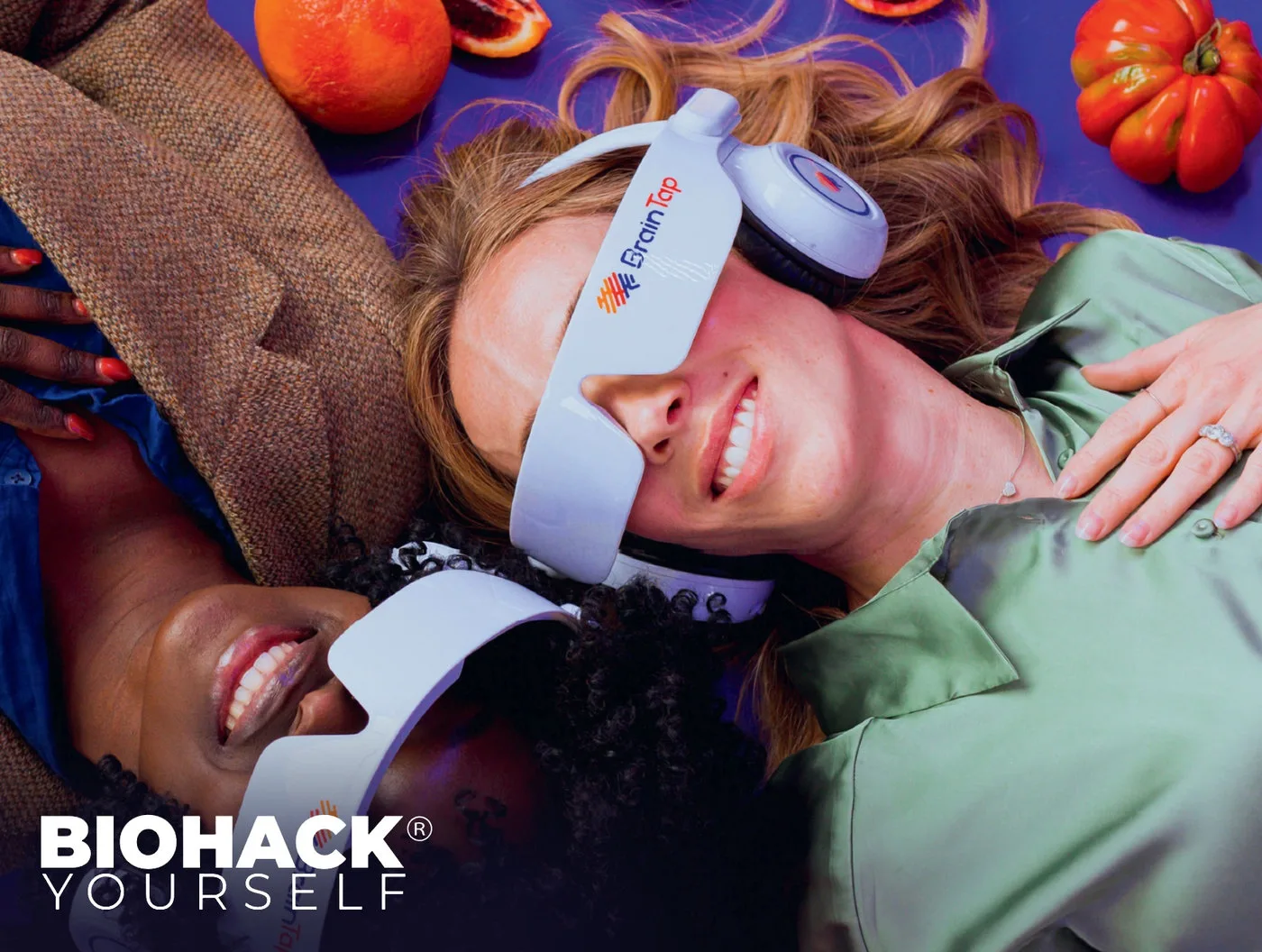
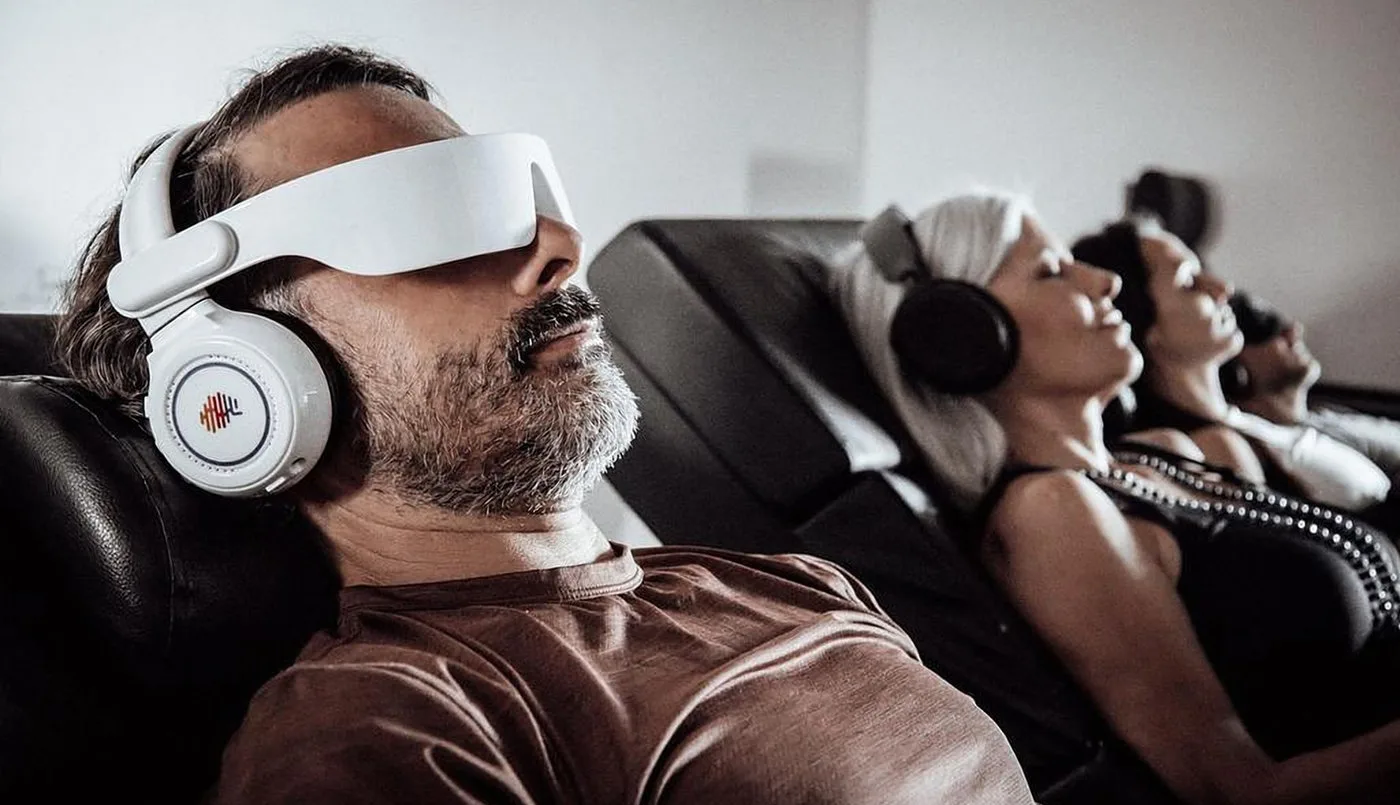
One company working in this space is BrainTap, which combines guided audio experiences with synchronized light stimulation.
The technology is designed to create structured relaxation sessions that engage both auditory and visual sensory pathways.
Rather than simply playing background music, BrainTap incorporates spoken guidance, sound-based stimulation, and light patterns intended to support relaxation, focus, and sleep preparation.
The idea draws on broader scientific interest in how sensory experiences influence attention, arousal, and mental states.
Sound can affect mood and perceived relaxation. Light also plays an important role in biological timing, although its effects depend heavily on intensity, wavelength, timing, and individual sensitivity.
Researchers have explored whether rhythmic auditory and visual stimulation can influence patterns of brain activity, a concept often discussed in relation to brainwave entrainment.
However, evidence that these techniques reliably improve sleep or produce specific restorative brain states remains limited.
BrainTap's approach is therefore best understood as a technology-assisted relaxation experience rather than a clinically established treatment for insomnia.
For someone who finds traditional meditation difficult, having a guided session to follow may offer a more approachable way to build intentional downtime into an evening routine.
When Relaxation Needs a Little Structure
Not everyone finds sitting quietly relaxing.
Some people become more aware of their racing thoughts when they try to meditate. Others struggle to maintain focus during breathing exercises or simply don't know where to begin.
That's where guided experiences can be appealing.
BrainTap offers sessions designed around different goals, including relaxation, mental recovery, focus, and sleep preparation.
Users can incorporate these experiences into dedicated periods of downtime rather than relying entirely on their ability to settle their thoughts independently.
The combination of audio guidance and sensory stimulation is intended to create an immersive experience that encourages users to disengage from everyday distractions.
Of course, an enjoyable relaxation session doesn't guarantee better sleep.
People experiencing persistent sleep difficulties may have underlying concerns such as insomnia, sleep apnea, anxiety, medication effects, or circadian rhythm disruptions that require appropriate evaluation.
And because BrainTap uses visual stimulation, individuals with photosensitive conditions or certain neurological concerns should seek medical guidance before use.
Still, for people interested in building a more intentional evening routine, guided relaxation tools may provide another way to establish consistency.
Better Sleep Doesn't Always Begin in Bed
It's tempting to think of sleep as something that begins the moment you close your eyes.
But the habits leading up to bedtime can influence how easily that transition happens.
Regular sleep and wake times, appropriate light exposure, limiting late caffeine, and creating a comfortable sleeping environment remain important foundations.
Adding a consistent relaxation routine may also help.
For some people, that means reading a book. For others, it's stretching, breathwork, or listening to calming music.
BrainTap offers a technology-assisted option for those who prefer a more structured sensory experience.
Its combination of guided audio and synchronized light reflects growing interest in making relaxation more accessible, particularly for people who struggle to slow down after demanding days.
The important thing is finding an approach that helps you create a meaningful separation between being busy and being ready to rest.
Because the answer to feeling exhausted all day isn't always going to bed earlier.
Sometimes, it's paying more attention to what happens before you get there.
Your body may be tired, but your mind deserves a chance to wind down, too.
BrainTap is a featured brand in the Biohack Yourself Magazine Fall 2026 issue with Ashton Hall on the cover, available in stores and online on November 17, 2026.
Disclaimer:
Biohack Yourself Peer Review is an editorial, educational, and entertainment process for sponsored content. It is not a scientific peer review or regulatory evaluation. Please review our full Terms & Conditions and Legal Disclaimers