Sponsored content
An athlete, a busy executive, and a 50-year-old returning to fitness may have very different goals, but their bodies all depend on the same fundamental resource: oxygen.
For the athlete, the challenge may be recovering fast enough for the next training session. For the executive, it may be maintaining energy through demanding days. For someone getting older or returning to exercise, it may be rebuilding resilience without simply pushing harder.
This is what makes oxygen-based training particularly interesting. Rather than approaching recovery as though every body has the same needs, it raises a more useful question: How might training the body's response to oxygen fit different people, lifestyles, and goals?
When Your Training Outpaces Your Recovery
For athletes and highly active adults, more training isn't always the answer.
Exercise places significant demands on the cardiovascular and muscular systems, and oxygen plays a central role in meeting those demands. Eventually, however, an athlete may reach a point where the ability to recover becomes just as important as the ability to perform.
Intermittent Hypoxic-Hyperoxic Training (IHHT) approaches adaptation differently. Rather than creating greater oxygen demand through another strenuous workout, IHHT alternates controlled periods of lower and higher oxygen while physiological responses are monitored.
That creates an interesting use case for endurance athletes, frequent gym-goers, and recreational competitors. Oxygen-based training can complement an existing routine without simply adding another physically demanding session.
The objective isn't to replace exercise. It is to explore another component of the body's ability to respond and adapt.
When Your Energy Can't Keep Up With Your Life
Not everyone interested in recovery is preparing for a competition.
Long working hours, travel, inconsistent recovery, demanding schedules, and everyday stress can leave people feeling as though their energy never fully rebounds. A busy professional may spend the day moving between meetings rather than workouts and still finish feeling physically and mentally depleted.
This is a different challenge from athletic recovery, but oxygen remains fundamental to cellular energy production.
For people interested in supporting energy and general resilience, oxygen-based training provides a way to focus on physiological adaptation without requiring another strenuous activity.
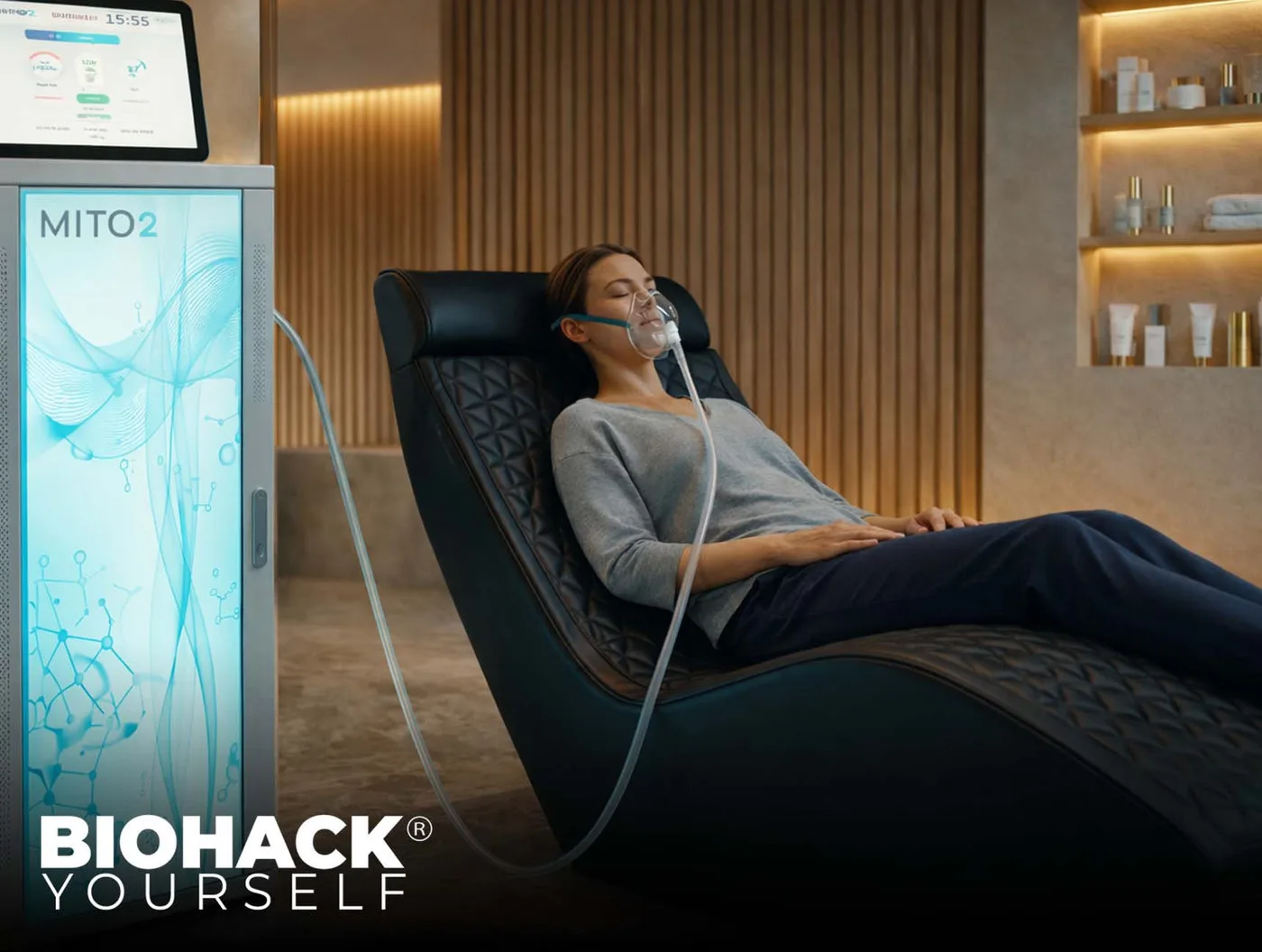
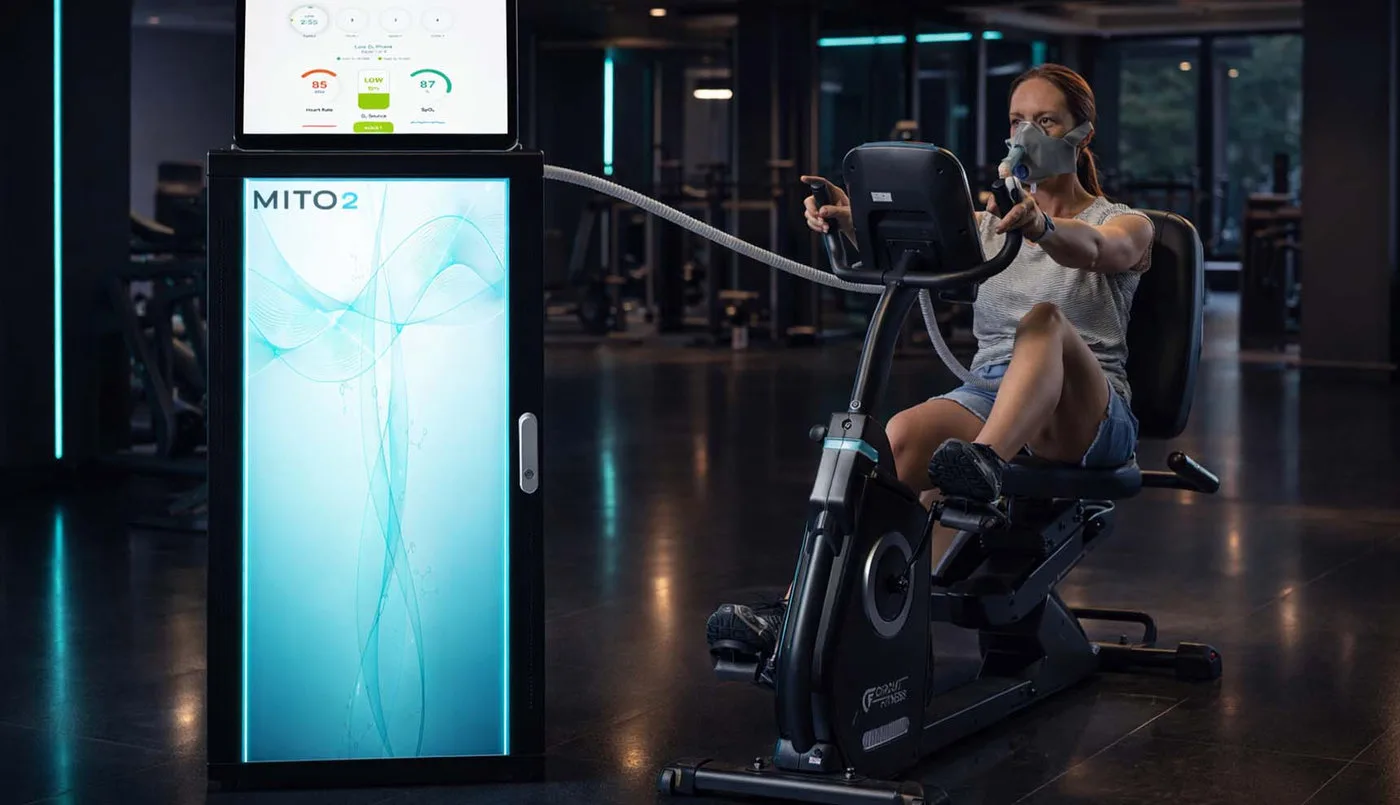
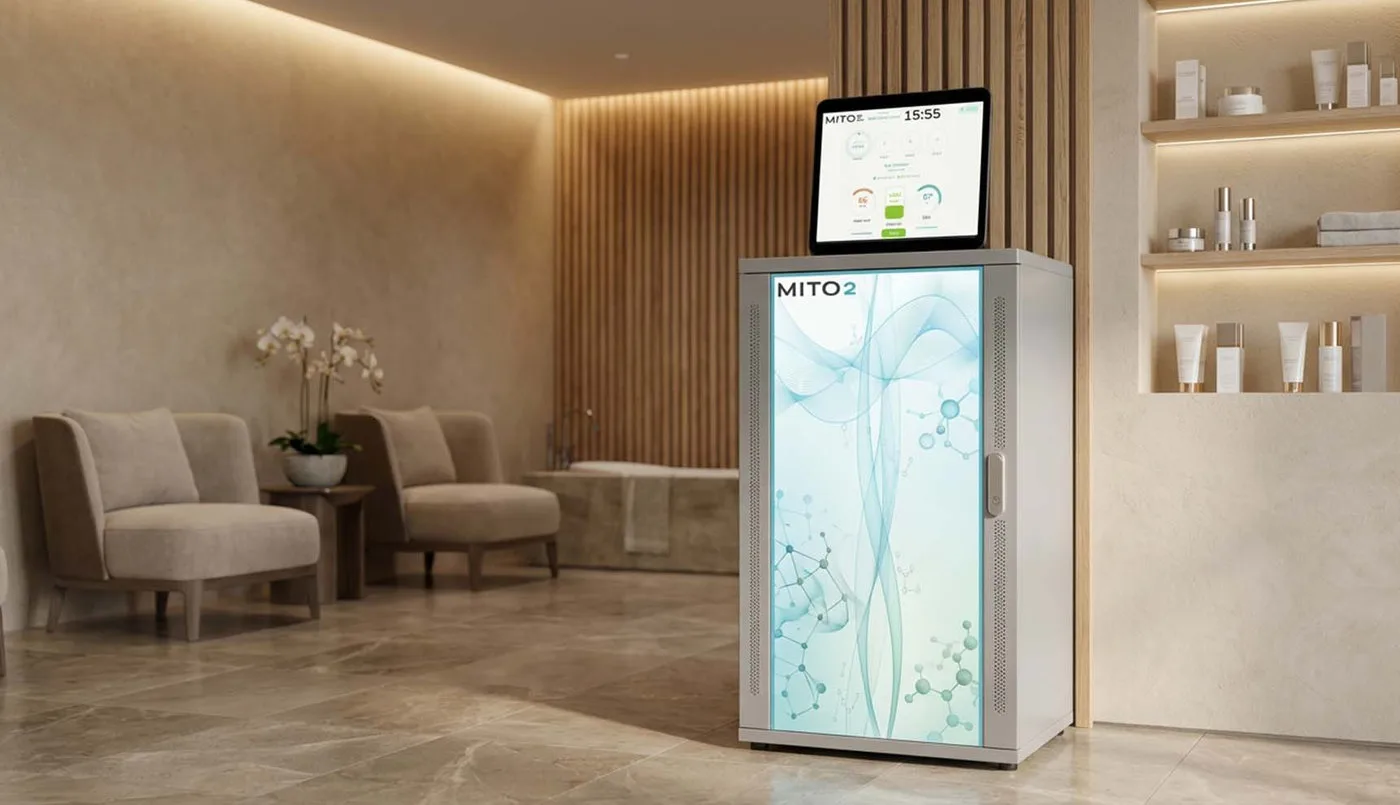
Systems such as MITO2 guide users through structured IHHT sessions while monitoring responses, including blood oxygen saturation and heart rate.
This matters because two people with similar lifestyles may respond differently to the same stimulus. Rather than assuming everyone needs an identical protocol, collected physiological data can help guide how sessions progress.
When Your Body Stops Bouncing Back Like It Used To
For many people, aging doesn't announce itself dramatically. It appears in smaller ways.
A workout takes longer to recover from. Maintaining conditioning requires more consistency. Returning to exercise after several years away feels harder than expected.
That makes recovery and physiological resilience increasingly relevant for adults in their 40s, 50s, and beyond.
It also creates a potential use case for people rebuilding their fitness after becoming less active. Instead of immediately increasing workout intensity, they may be looking for ways to gradually support their body's adaptive capacity alongside exercise and other healthy habits.
IHHT challenges the body's response to changing oxygen conditions while the individual remains at rest, making it fundamentally different from conventional cardiovascular exercise.
With MITO2 by Ergo-Flex Technologies, new users typically begin with an adaptive phase where baseline responses are established. As the body demonstrates consistent adaptation, individuals may progress into conditioning and optimization phases.
The emphasis is not on pushing everyone toward the same endpoint. Progression follows measurable physiological responses, which may be particularly relevant for people whose priorities have shifted from simply doing more to recovering and adapting more effectively.
If You Track Everything Else, Why Not Oxygen?
For biohackers, one of the most compelling aspects of oxygen-based training may be its measurability.
People routinely track sleep, heart rate, glucose, blood pressure, workouts, and other physiological signals. The purpose isn't simply to collect numbers. It's to understand how the body responds to different interventions.
MITO2 applies a similar philosophy to oxygen adaptation.
Built-in pulse oximetry and software-driven protocols monitor metrics including blood oxygen saturation, heart rate, oxygen response, and recovery patterns throughout a session.
That creates a feedback loop: complete a session, observe the response, establish patterns, and adjust progression based on measurable adaptation rather than assumption.
For someone already interested in personalized wellness, this changes the question from "Did that session feel effective?" to something more useful: What actually happened inside my body?
So, Where Does Oxygen-Based Training Fit?
The athlete may care about recovering between demanding sessions. The executive may be looking for another way to support energy and resilience. Someone in midlife may be noticing that recovery has changed, while a person returning to fitness may want to rebuild capacity gradually.
The dedicated biohacker may simply want another physiological system to measure and understand.
These people don't have the same problem, and they aren't pursuing exactly the same outcome.
That's the point.
Oxygen-based training isn't about suggesting that everyone needs the same intervention. IHHT offers a way to train the body's response to changing oxygen conditions, while systems such as MITO2 make that process guided, measurable, and progressive.
For some, oxygen training may complement athletic recovery. For others, it may fit within a broader approach to energy, conditioning, healthy aging, or physiological optimization.
The question isn't simply what oxygen-based training is.
It's where it might fit into the way you want your body to perform, recover, and adapt.
Mito2 is a featured brand in the Biohack Yourself Magazine Fall 2026 issue with Ashton Hall on the cover, available in stores and online on November 17, 2026.
Disclaimer:
Biohack Yourself Peer Review is an editorial, educational, and entertainment process for sponsored content. It is not a scientific peer review or regulatory evaluation. Please review our full Terms & Conditions and Legal Disclaimers