Most people underestimate the impact of chronic oral infections, especially those that conventional dentistry doesn't diagnose. Chronic oral infections and dental biomaterial incompatibilities remain among the greatest blind spots in modern medicine. Despite extraordinary advances in longevity science, functional medicine, and precision health, oral infections are profoundly underrecognized as sources of persistent biological stress.
Their influence extends far beyond the oral cavity. Through continuous neuroimmune signaling, trigeminal nerve activation, chronic cytokine release, reduced vagal tone, and activation of the hypothalamic-pituitary-adrenal (HPA) axis, oral inflammatory burden may contribute to autonomic dysfunction, chronic sympathetic activation, endothelial injury, oxidative stress, immune dysregulation, impaired tissue repair, accelerated biological aging, and reduced physiologic resilience.
These same mechanisms intersect with the inflammatory biology underlying cardiovascular disease, metabolic dysfunction, autoimmune disorders, neurodegeneration, impaired athletic recovery, cognitive decline, and cancer. The mouth is not merely connected to the rest of the body; it communicates continuously with the nervous, immune, vascular, and endocrine systems.
Biological and medical research has converged on a common principle: chronic inflammatory signaling, regardless of its origin, has consequences far beyond the tissue in which it begins. From a systems biology perspective, it is difficult to imagine a location better positioned to influence whole-body physiology. The oral cavity is a neurologic, immunologic, and vascular gateway to the rest of the body. It is among the most densely innervated, vascularized, and immunologically active tissues in human physiology, containing hundreds of microbial species living in constant dialogue with the immune system while lying only centimeters from the brainstem, the control center for autonomic function, cardiovascular regulation, respiration, and many of the body's most fundamental survival mechanisms.
Understanding Oral Inflammatory Burden
In biological dentistry, the oral inflammatory burden refers to the cumulative biological stress caused by chronic oral pathology. Major contributors include infected root canal-treated teeth, jawbone cavitation lesions known as covered socket residuums (CSR), degrading titanium implants and peri-implant inflammation, biomaterial incompatibilities, gingival inflammation, and airway dysfunction. Rather than viewing these conditions as isolated dental problems, biological dentistry recognizes them as persistent sources of immune activation capable of influencing autonomic regulation, systemic inflammation, tissue repair, and whole-body physiology. Chronic infections continually release bacterial endotoxins, stimulate oxidative stress, and drive inflammatory signaling beyond the oral cavity through vascular, lymphatic, and neuroimmune pathways.
Root Causes of Oral Inflammatory Burden
The principal contributors include:
1. Infected root canal-treated teeth — dead teeth that may harbor pathogens beyond the reach of normal immune surveillance while releasing bacterial endotoxins systemically.
2. Dental cavitations (covered socket residuums, CSR) — chronically inflamed jawbone lesions that develop in incompletely healed extraction sites, most commonly after wisdom tooth removal. These poorly vascularized regions may harbor microorganisms that are difficult for host immune defenses to eliminate, sustaining chronic inflammatory signaling.
3. Metal titanium implants — peri-implant inflammation and tribocorrosion around metal implants release metal particles that can trigger persistent systemic inflammation. In susceptible individuals, titanium hypersensitivity may further contribute to chronic inflammatory responses.
4. Biomaterial incompatibilities — certain restorative materials may provoke hypersensitivity reactions or other biocompatibility concerns. Examples include mercury exposure from amalgam restorations and the potential endocrine-disrupting effects of BPA/BisGMA-containing composites.
5. Periodontal inflammation and oral microbial dysbiosis, which contribute to both local and systemic inflammatory signaling.
6. Airway dysfunction, contributing to sleep-disordered breathing, bruxism, occlusal instability, excessive caries, oral dysbiosis, and myofunctional dysfunction.
Oral Infections and the Brain-Body Doom Loop
Every tooth is innervated by branches of the trigeminal nerve, the largest cranial nerve in the human body. It serves as a continuous afferent pathway transmitting physiological, sensory, and inflammatory information from the teeth and jaws directly into the brainstem.
A chronically infected root canal, a CSR cavitation lesion, a degrading titanium implant, or peri-implant inflammation continuously generates nociceptive and inflammatory signals that travel through the trigeminal ganglion into the brainstem, creating a persistent source of neural activity and immune stimulation. At the same time, chronic oral infections continuously release bacterial endotoxins, particularly lipopolysaccharides (LPS), while stimulating oxidative stress and production of inflammatory mediators, including IL-1β, IL-6, TNF-α, prostaglandins, and matrix metalloproteinases.
Within the brainstem, trigeminal pathways communicate extensively with autonomic nuclei that regulate vagal output. The vagus nerve is the body's principal parasympathetic pathway, governing recovery, digestion, immune regulation, heart-rate variability, restorative sleep, and tissue repair. Persistent trigeminal stimulation may reduce vagal tone, weakening the cholinergic anti-inflammatory pathway and shifting the autonomic nervous system away from parasympathetic recovery toward chronic sympathetic activation.
The continuous cytokine release from infections enters systemic circulation and interacts with the neuroimmune system, while persistent trigeminal input amplifies central inflammatory signaling. Together, they activate the hypothalamic-pituitary-adrenal (HPA) axis, the body's master stress-response network, driving chronic cortisol overproduction.
The result is a self-perpetuating neuroimmune loop in which persistent inflammation reinforces autonomic dysfunction, sympathetic predominance, low vagal tone, cortisol dysregulation, impaired sleep, slower tissue repair, reduced physiologic resilience, and diminished capacity for recovery.
Rather than producing a single disease or symptom, the oral inflammatory burden creates a chronic physiological state characterized by persistent inflammatory signaling, autonomic imbalance, and impaired regeneration. Clinically, patients frequently report fatigue, brain fog, poor sleep, digestive dysfunction, reduced exercise recovery, slower healing, heightened stress reactivity, and declining resilience.
Collectively, oral inflammatory burden represents a persistent source of pathogens, bacterial endotoxins, inflammatory mediators, oxidative stress, and neural stimulation that can catastrophically influence physiology throughout the body.
Eliminating Oral Inflammatory Burden With Biological Dentistry
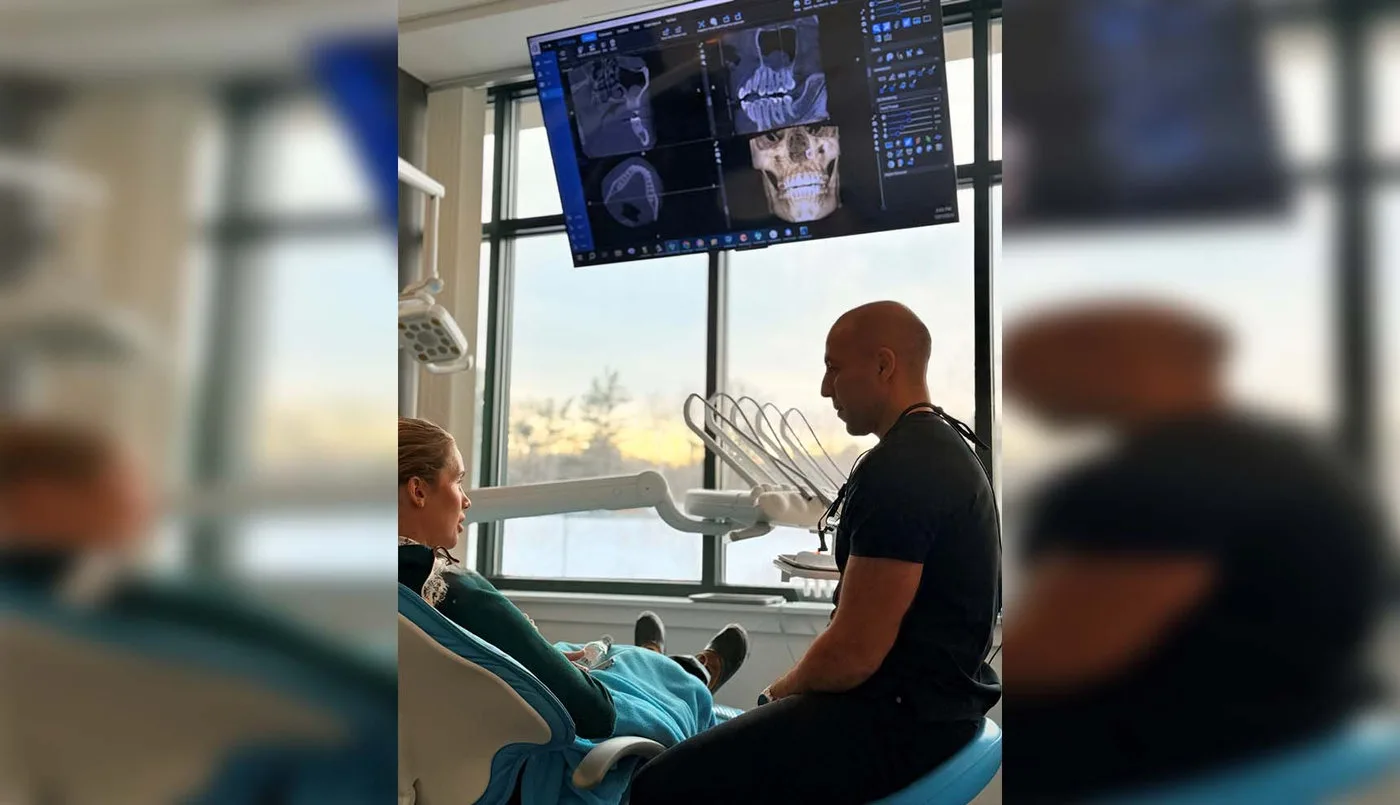
For more than a decade, my team and I have dedicated our destination practice located just outside of NYC exclusively to world-class biological oral surgery and ceramic implant reconstruction. As one of the world's most credentialed biological surgical dentists, I have collaborated with leading integrative physicians, longevity clinics, and the Pompa Program to build our concierge clinic outside New York into an international referral center.
Patients, including elite athletes, business leaders, longevity enthusiasts, and those living with cancer, autoimmune disease, and other complex medical conditions, travel to Natural Dentistry + Ceramic Implants to eliminate oral inflammatory burden through meticulous removal of infected root canal-treated teeth, degrading titanium implants, and CSR jawbone cavitations. Every reconstruction combines 100% metal-free zirconia implants with synergistic regenerative surgical protocols, hyperbaric oxygen chambers, hydrogen inhalation, photobiomodulation, PEMF, and peptide regenerative therapies, scientifically designed to restore biological function, resilience, peak performance, recovery, and lifelong health.
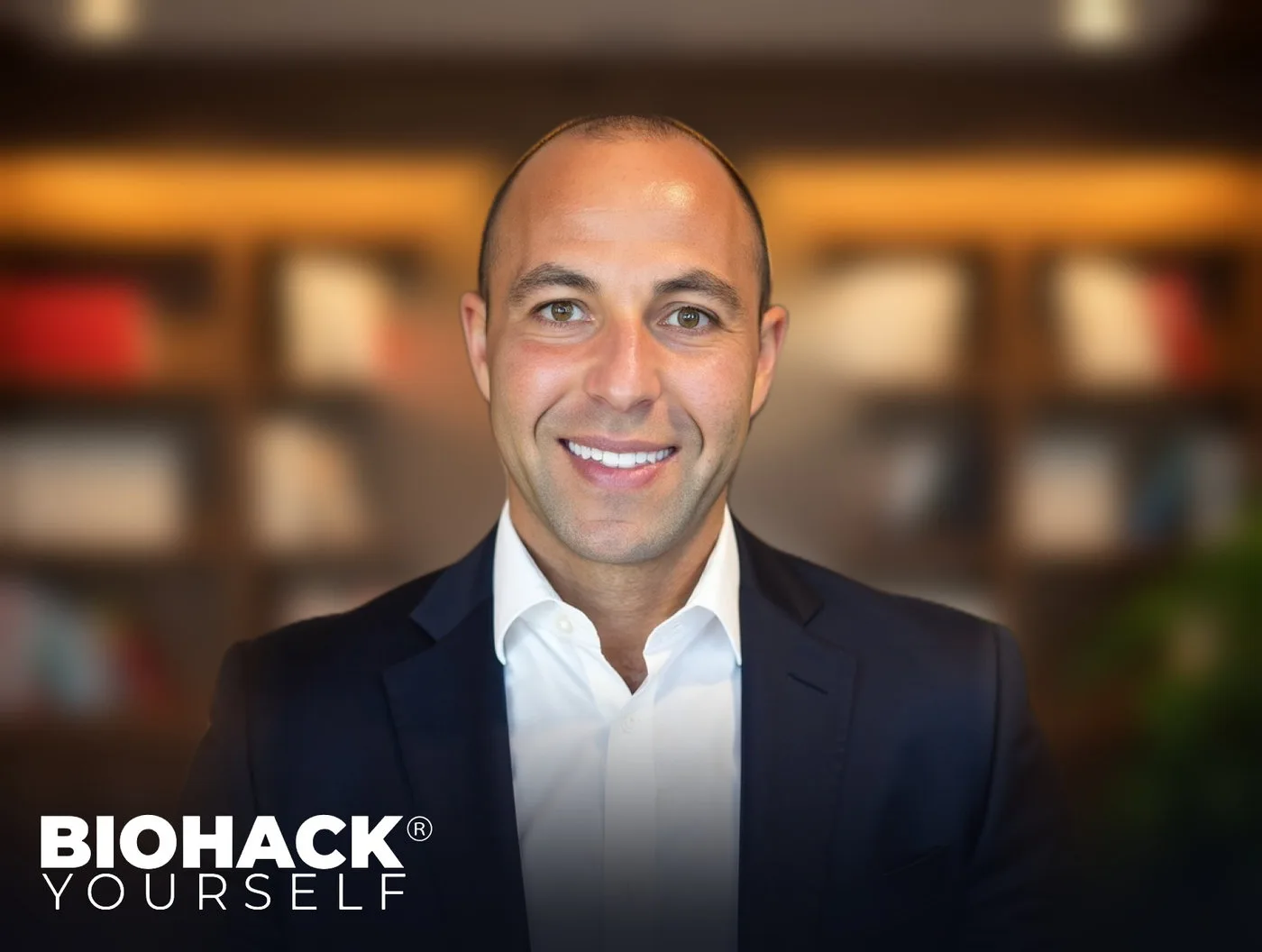
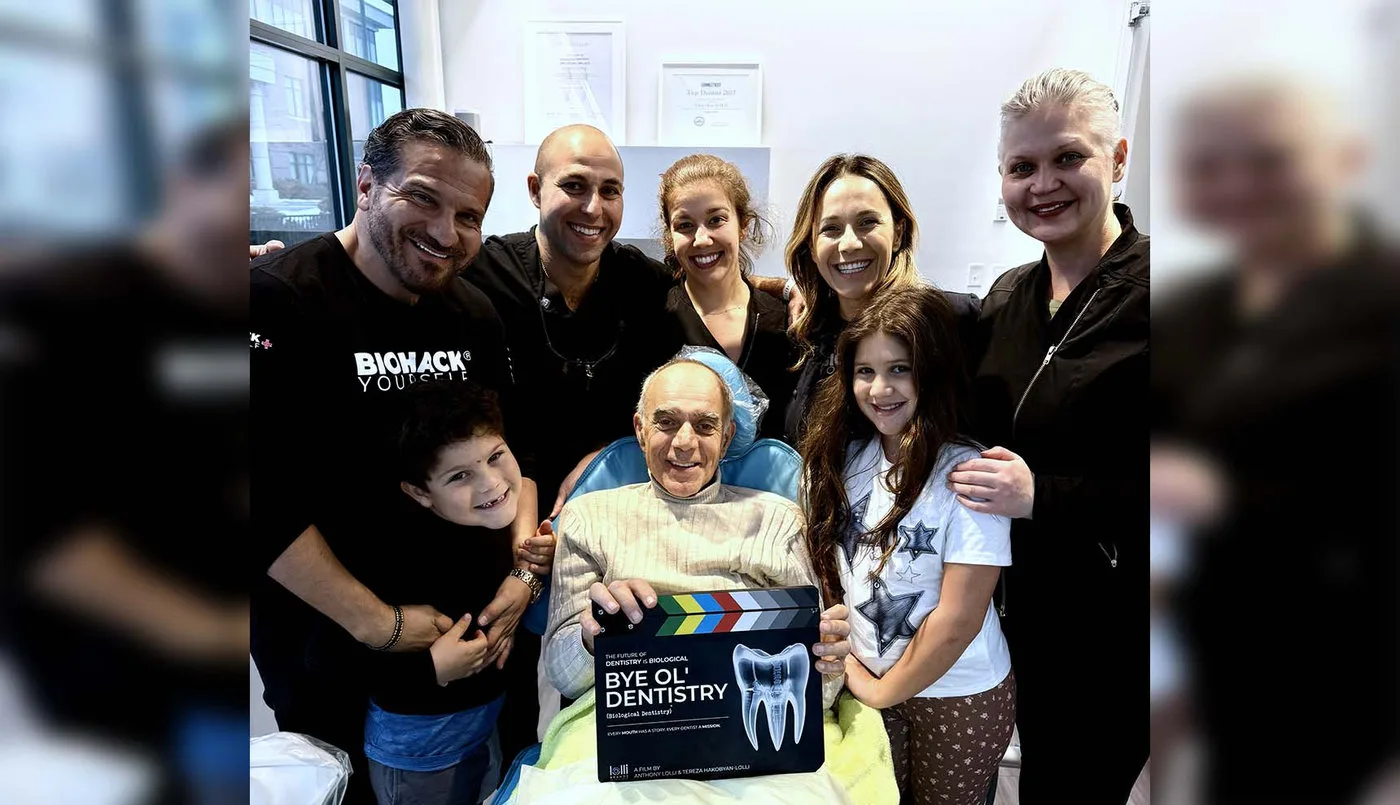
Dr. Yuriy May, DMD, is a biological dentist and ceramic implant specialist featured in Lolli Brands Entertainment’s documentary “Bye Ol’ Dentistry.” With over a decade of experience and more than 1,000 zirconia implants placed and restored, he specializes in complex full-arch reconstructions, advanced oral surgery, and esthetic implant dentistry. A respected international lecturer and educator, Dr. May has trained dentists in ceramic implant techniques since 2017. He serves on the board of the International Academy of Oral Ceramic Implantology and advocates for metal-free, biologically compatible dental solutions that integrate surgical precision, natural esthetics, and whole-body wellness.
Dr. Yuriy May is a featured contributor in the Biohack Yourself Magazine Fall 2026 issue with Ashton Hall on the cover, available in stores and online on November 17, 2026.
Disclaimer:
Contributor content reflects the personal views and experiences of the author and does not necessarily represent the views of Biohack Yourself Media LLC, Lolli Brands Entertainment LLC, or any of their affiliates. Content is provided for editorial, educational, and entertainment purposes only. It is not medical or dental advice. Always consult qualified professionals before making health decisions. By reading, you agree to hold us harmless for reliance on this material. See full disclaimers at www.biohackyourself.com/termsanddisclaimers