Sponsored content. This piece is part of a paid partner package, which is how the magazine is funded. How we make money.
Have you ever felt like there should be another level to your health?
Maybe your annual checkup comes back normal, yet you don't feel quite as energized as you'd like. Your workouts require more recovery than they used to. Mental clarity comes and goes. You sleep reasonably well, eat relatively healthy, and still feel like you're leaving potential on the table.
For many people, these experiences can be frustrating. You're not necessarily dealing with a serious illness, but you also don't feel like you're operating at your best.
Increasingly, that feeling is leading some individuals to ask a different question:
What if the answers they're looking for aren't found within the traditional healthcare system?
For a growing number of health-conscious individuals, entrepreneurs, athletes, and longevity enthusiasts, that question is leading somewhere unexpected: an airport.
The Rise of Health Optimization Travel
Historically, people traveled for healthcare when they needed specialized surgeries, treatments, or medical expertise unavailable in their local area.
Today, a new trend is emerging.
Rather than traveling to treat disease, some people are traveling to better understand their biology.
They're seeking advanced diagnostics, personalized wellness strategies, regenerative therapies, and longevity-focused interventions designed to help them optimize performance, recovery, and long-term health.
The goal is not simply to address symptoms.
The goal is to gain a deeper understanding of how the body functions and identify opportunities to improve it before larger problems arise.
Why Health Enthusiasts Want More Than a Standard Medical Test
One of the challenges of modern healthcare is that it often focuses on identifying disease rather than optimizing wellness.
As a result, many people find themselves in a frustrating middle ground.
They don't have a diagnosable condition, yet they know something feels off.
Perhaps recovery is slower than it used to be. Energy levels fluctuate throughout the day. Fitness progress stalls despite consistent effort. Stress feels harder to manage. Sleep isn't as restorative as it once was.
In these situations, standard testing may not always provide the answers people are looking for.
This is where a growing number of wellness-focused clinics are taking a broader approach, examining not only symptoms but also genetics, metabolism, lifestyle, cellular function, and other factors that may influence long-term health and performance.
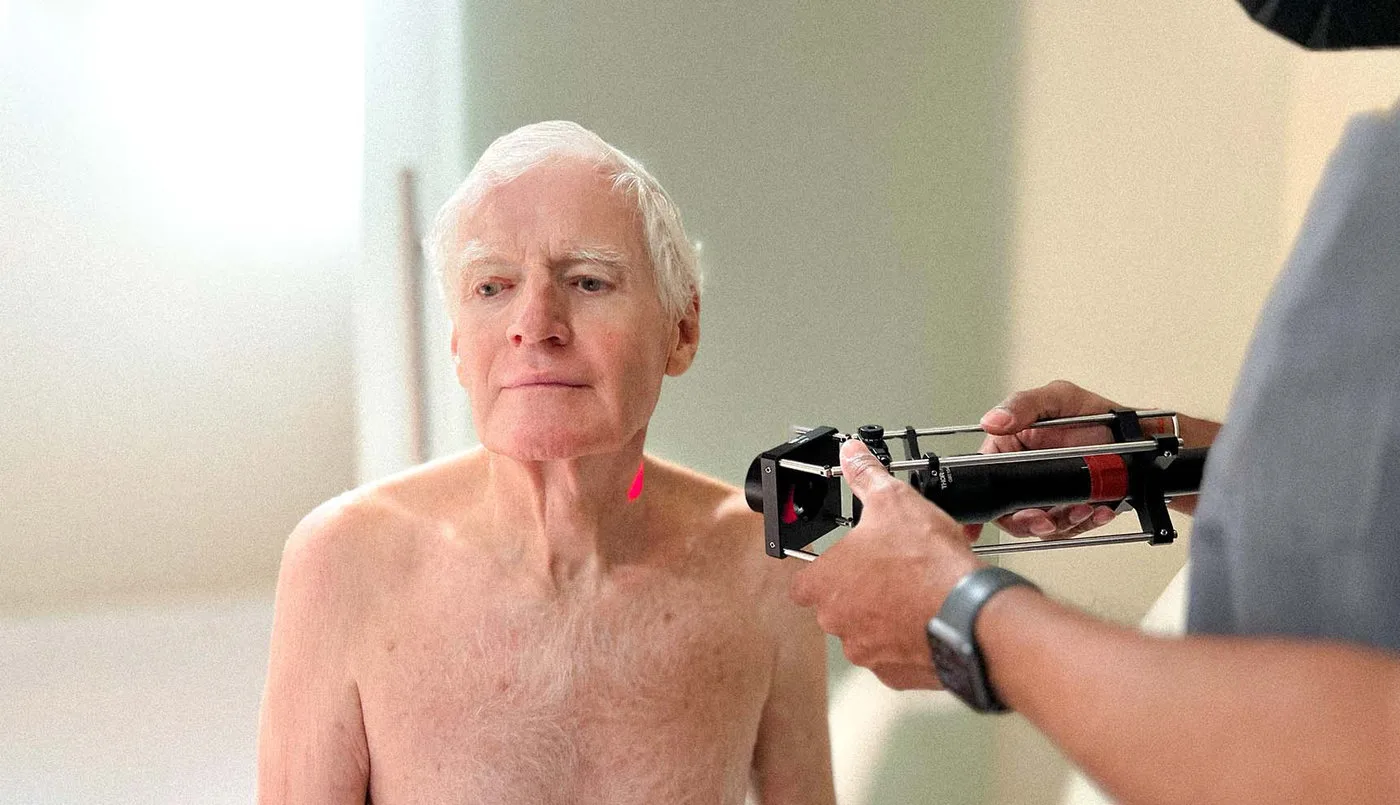
Going Beyond a Medical Test
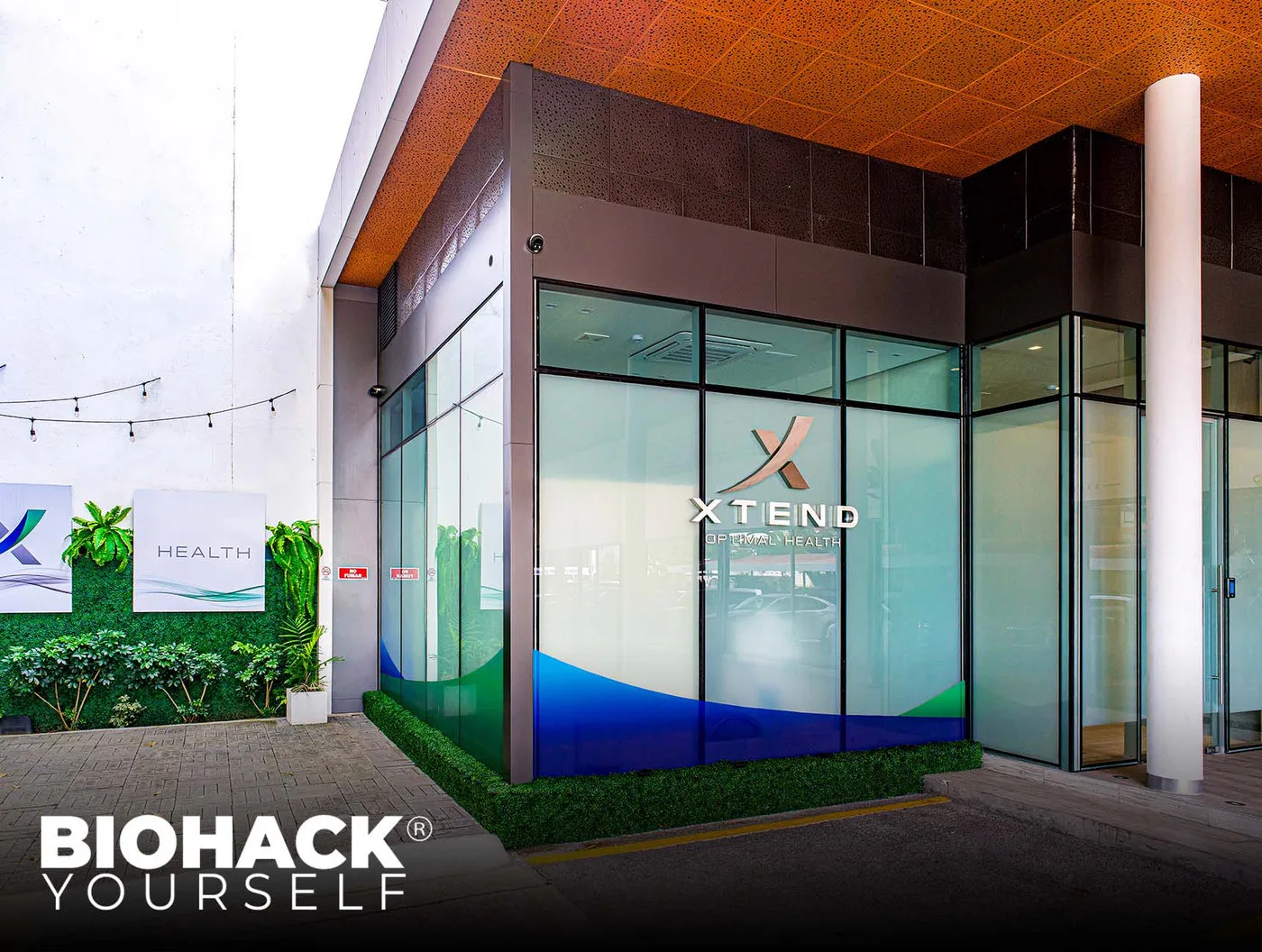
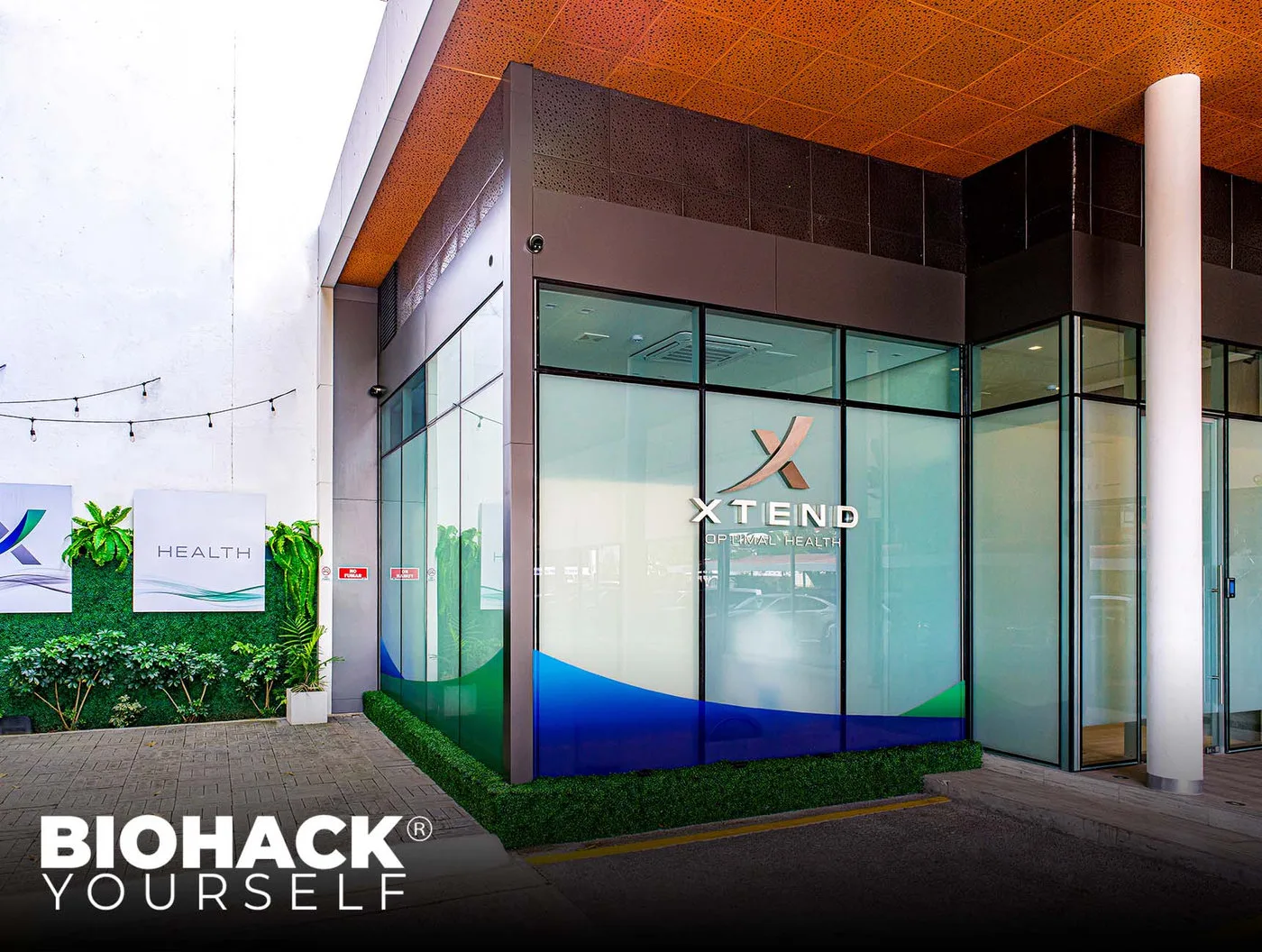
Xtend Optimal Health, located in Panama City, Panama, was built around the idea that health optimization begins with understanding the individual.
Rather than focusing solely on symptoms, the clinic's methodology is designed to examine the bigger picture.
The team looks at factors such as genetics, biochemistry, metabolism, oxidative stress, body composition, emotional well-being, and lifestyle habits to help create a personalized strategy for each individual.
Their philosophy is simple:
Before deciding what interventions may be appropriate, it's important to understand how the entire system is functioning.
To accomplish this, Xtend offers three consultation pathways:
- Medical Consultation, focused on health assessment and clinical evaluation.
- Wellness and Biohacking Consultation, focused on performance, lifestyle, and wellness optimization.
- Xtend 360 Assessment, which combines medical, wellness, and biohacking approaches into a comprehensive evaluation.
A Three-Step Process for Personalized Optimization
Xtend's approach follows a structured process designed to turn information into action.
Step 1: Consultation
The process begins with a detailed consultation aimed at understanding the individual's goals, challenges, health history, and current concerns.
Rather than applying a one-size-fits-all protocol, the focus is on identifying what success looks like for that particular person.
Step 2: Testing
Once goals are established, testing helps build a clearer picture of the body's current state.
Depending on individual needs, assessments may include:
- Live blood analysis
- Genetic testing
- Oxidative stress analysis
- Bioimpedance body composition testing
- Basal metabolic assessment
- Cellular voltage testing
- Bio-emotional testing
- Bioenergetic assessments
- Blood and urine analysis
- Biological age evaluations
Together, these tools help uncover information that may not be visible through standard evaluations alone.
Step 3: Optimization
The final stage involves using consultation findings and testing data to develop a personalized strategy.
This may include lifestyle interventions, wellness protocols, regenerative therapies, nutritional support, recovery technologies, and advanced optimization programs selected according to the individual's goals.
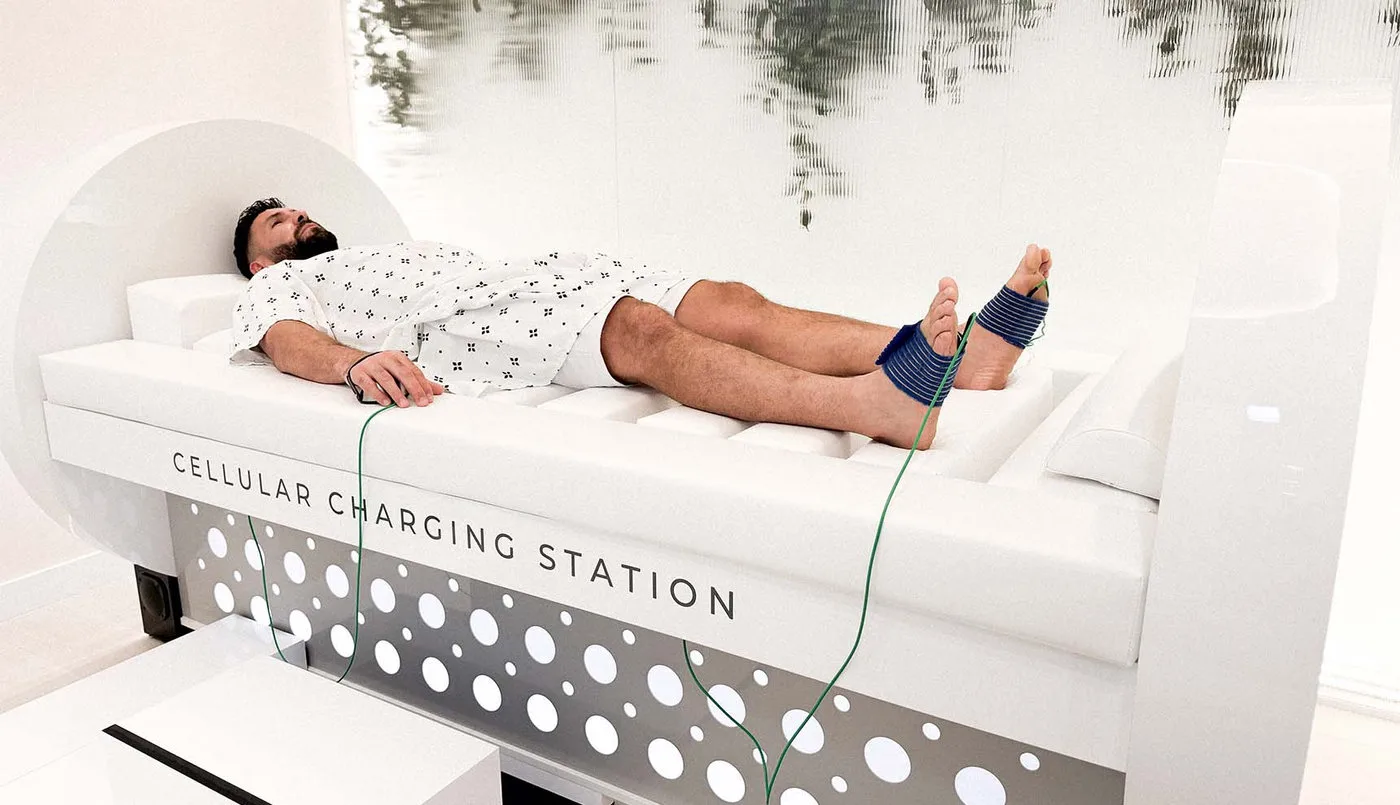
From Data to Action
The final stage of the Xtend process is optimization. Rather than applying the same protocol to every patient, the clinic uses information gathered during consultations and testing to build a personalized strategy based on individual goals, biology, and health priorities.
Depending on a person's needs, this may include therapies designed to support recovery, cellular health, metabolic function, performance, detoxification, hormone balance, immune function, cognitive health, and longevity.
Available services include:
- Minicircle FST-344 Follistatin Gene Therapy – An investigational gene therapy designed to support muscle development, physical performance, and healthy aging through follistatin expression.
- V-CELLS Autologous Therapy – Uses the body's own regenerative cells to support tissue repair, recovery, and overall cellular health.
- VSEL Stem Cells + S.O.N.G. Laser – Combines very small embryonic-like stem cells with laser technology to support regenerative and restorative processes.
- hUC MSC Exosomes – Cell-derived signaling particles that may help support cellular communication, recovery, and tissue regeneration.
- Therapeutic Plasma Exchange (TPE) – A blood filtration procedure designed to remove unwanted compounds and support overall health optimization.
- IV Nutrition Therapy – Delivers vitamins, minerals, amino acids, and antioxidants directly into the bloodstream for enhanced absorption and cellular support.
- Hyperbaric Oxygen Therapy (HBOT) – Increases oxygen delivery throughout the body to support recovery, tissue repair, and healthy metabolic function.
- EBOO (Extracorporeal Blood Oxygenation and Ozonation) – Infuses oxygen and ozone into the blood through an advanced filtration process designed to support vitality and detoxification.
- O3MAX Major Autohemotherapy – Uses ozone-treated blood to help support immune function and the body's natural defense mechanisms.
- Photon-X UVBI – Combines ultraviolet blood irradiation and ozone therapy to support immune health and overall biological resilience.
- Hormone Optimization Therapy – Helps restore hormonal balance to support energy, performance, recovery, and healthy aging.
- Amino Acid Therapy – Provides targeted amino acid support to help maintain muscle mass, improve recovery, and enhance physical performance.
- Nutritional Supplementation – Addresses nutritional gaps with personalized supplementation strategies designed to support optimal function.
- Red Charger Red Light Therapy – Uses therapeutic light wavelengths to support cellular energy production, recovery, and overall wellness.
- Brain-X Photobiomodulation – A brain-focused light therapy designed to support circulation, cognitive performance, and neurological health.
- X-Volt PEMF Therapy – Pulsed electromagnetic field therapy that may help support recovery, circulation, and pain management.
- Recover-X Compression Therapy – Uses dynamic compression technology to improve circulation and support post-exercise recovery.
- Human Regenerator – A regenerative wellness technology designed to support cellular function and overall biological optimization.
- Regenerative Sexual Enhancement – Treatments designed to support sexual wellness, performance, and regenerative health goals.
- InnerGlow Regenerative Aesthetics – Advanced aesthetic therapies focused on supporting skin health, rejuvenation, and natural vitality.
- Scar Release Therapy – Helps improve mobility and tissue function by addressing scar-related restrictions within the skin and fascia.
- Bio-Emotional Release (E-Motion) – A therapeutic approach designed to identify and address emotional patterns that may contribute to physical stress responses.
- HOCATT Detoxification Technology – A multi-modality wellness system that combines ozone, heat, carbonic acid, and other technologies to support detoxification and recovery.
- Coaching and Lifestyle Optimization – Personalized guidance and accountability designed to help individuals implement sustainable health and performance strategies.
The Future of Health May Be More Personal
The growing interest in health optimization travel reflects a broader shift in how people think about wellness.
Rather than waiting for symptoms to appear, many are becoming more proactive. They want better information, more personalized strategies, and a deeper understanding of the factors influencing their health and longevity.
For some, that journey starts with a blood test. For others, it starts with a consultation.
And increasingly, for people seeking the next level of optimization, it may start with a passport.
Because the future of health isn't just about treating illness. It's about understanding your biology well enough to unlock what's possible before problems arise.
Xtend Center is a featured brand in the Biohack Yourself Magazine Summer 2026 issue with Bryan Johnson on the cover, available in stores and online on July 27, 2026.
Disclaimer:
Biohack Yourself Peer Review is an editorial, educational, and entertainment process for sponsored content. It is not a scientific peer review or regulatory evaluation. Please review our full Terms & Conditions and Legal Disclaimers