
Ever wake up feeling like you barely slept? Forget why you walked into a room, or struggle to shake off stubborn weight even though nothing’s changed? You’re not imagining it—something in your biology has shifted.
At the center of cellular energy is the small but mighty mitochondria—tiny powerhouses inside nearly every cell that turn food into usable energy (ATP). When they falter, energy, hormones, metabolism, and even memory can begin to slide.
Here’s the kicker: research shows our mitochondria decline by about 8% every decade. By 50, most people have lost nearly half of their mitochondrial reserve, unless they actively protected it. Many “aging” symptoms are really signs of struggling mitochondria.
And the bad news? Everyday chemicals—from plastics and fragrances to cleaning products and “forever chemicals” in cookware—silently chip away at mitochondrial health, blocking your cells from making energy efficiently.
The good news? You can do something about it.
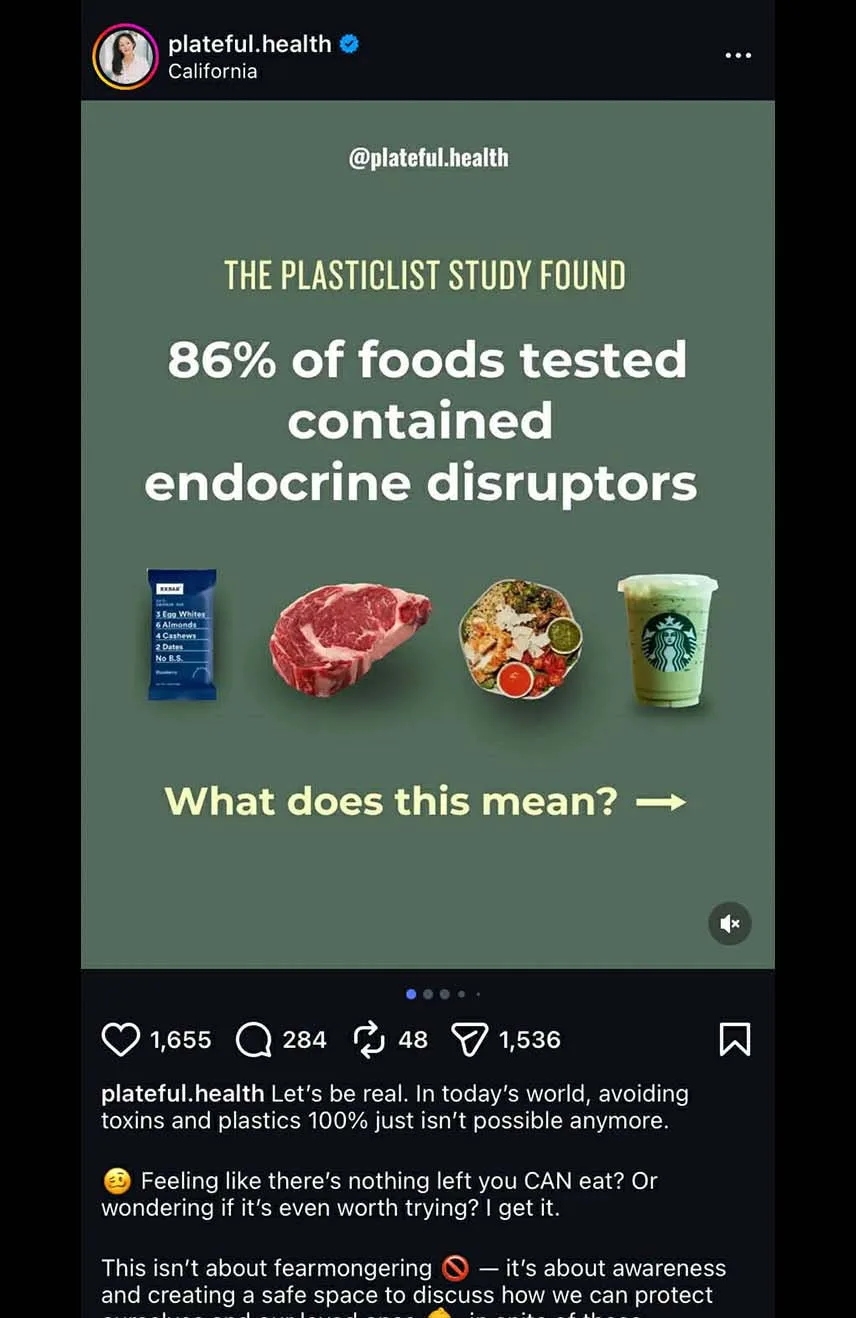
Toxins That Hurt Mitochondria
You’ve probably heard of endocrine disruptors, the chemicals that throw off hormones and metabolism. But one of the main ways they wreak havoc is by impairing mitochondria.
Let’s look at five everyday offenders science shows can harm mitochondria:
1. BPA (and its cousins BPF, BPS)
You’ll find them in plastic bottles, can linings, and thermal paper receipts. Even “BPA-free” plastics often use BPS instead, which can be just as harmful.
Human immune cells exposed to real-world BPA doses lose 25% of their mitochondrial DNA copies in weeks.
A 2024 review of 19 human studies found that BPA consistently disrupts hormone signaling, stimulates fat cell growth, and raises obesity risk—even at everyday levels. Just a 1 ng/mL increase in BPA raised obesity risk by 11%. Let’s put that into context: Eating canned soup for five days raised urinary BPA from 1.1 to 20.8 ng/mL, way above the 1ng/mL figure found to increase obesity risk!
2. PFAS (“Forever Chemicals”)
A class of 10,000+ compounds—like PFOA, PFOS, PFNA—are found in non-stick pans, stain-resistant fabrics, fast-food wrappers, and 45% of U.S. tap water.
These affect:
- Children’s Health: In 284 kids, each doubling of PFOA cut mitochondrial DNA copy number by ~6%, strongest in children 7+.
- Weight Regain: In a European study, those with higher PFOA regained ~3 extra pounds after weight loss despite staying on a healthy diet.
- Cancer Link: Women with the highest PFAS exposure had higher mitochondrial stress markers and were 3.3 times more likely to develop breast cancer.
3. Phthalates
You’ll find these in scented products, personal care, plastics, and food packaging.
Lab studies show phthalates impair mitochondrial structure and function. Prenatal exposure is linked to shorter anogenital distance in boys (a marker of future fertility), and in adults, higher levels correlate with insulin resistance, increased waist circumference, and type 2 diabetes.
4. Pesticides
You’ll find these in conventional produce and meat.
In an Agricultural Health Study, people exposed to rotenone or paraquat had 2.5 times the odds of Parkinson’s, likely due to mitochondrial disruption. Glyphosate (Roundup) has been shown to impair mitochondrial membrane potential and ATP production.
5. Heavy Metals
You can find these in fish, chocolate, rice, and protein powders.
Mercury, lead, and arsenic can induce oxidative stress (“cellular rust”) and reduce mitochondrial respiration. Chronic arsenic exposure lowers mitochondrial DNA copy number and contributes to liver injury.
How to Protect Your Mitochondria
Feeling overwhelmed? That’s normal. But awareness is power. You can’t live in a bubble, but small, consistent swaps dramatically lower your toxic load.
- Reduce Exposures: Ditch plastics and use glass or stainless steel, try to avoid microwaving food in plastic. Studies show that just two minutes can release billions of nanoplastics.
- Skip synthetic scents: Air fresheners and scented candles release phthalates; try pure essential oils instead.
- Avoid PFAS: Replace old non-stick pans, skip stain-resistant sprays, and use a quality water filter.
- Go organic when you can: Especially for produce on the Dirty Dozen list (per the Environmental Working Group).
Remember, it’s not about perfection—aim for 80/20. Lowering exposure most of the time lightens your mitochondrial burden.
Support Your Mitochondria
Most people don’t realize this, but mitochondria actually respond to light.
While excessive UV can age the skin, red and near-infrared (NIR) light energize mitochondria, helping them produce ATP more efficiently. In the 1800s, humans spent nearly half their waking hours outdoors. Today, the average American spends 93% of their time indoors—meaning most of us are light-deficient.
The fix? Get the right light at the right time:
- 10 minutes of morning sunlight to set your circadian rhythm.
- Outdoor breaks or working near a window.
- And of course, red light therapy.
Red Light Therapy
Originally studied by NASA, red light therapy (photobiomodulation) is now backed by over 1,000 studies. Red and NIR wavelengths penetrate the skin to reach mitochondria, stimulating cytochrome c oxidase. This triggers:
- increased ATP (energy) production
- nitric oxide release
- balanced inflammation
- enhanced repair
That’s why people use it for collagen support, wound healing, pain relief, and recovery.
But not all devices are equal. Look for one that’s third-party tested for irradiance, low in EMF, meets IEC medical safety standards, and is FDA-registered, like LUMEBOX.

Other Habits That Strengthen Mitochondria
Exercise: Interval and resistance training trigger mitochondrial biogenesis—the creation of new mitochondria—and improve oxygen use and insulin sensitivity.
Sleep: Deep sleep is when mitochondria repair oxidative stress and restore ATP. Skipping it means carrying yesterday’s fatigue into today.
Getting older is a privilege, but how we age is up to us. Instead of chalking up brain fog, fatigue, or dull skin to “getting older,” ask: “What can I do today to protect my mitochondria?”
Those small, daily decisions—less plastic, more sunlight, regular red light—add up to lifelong energy and vitality.
Disclaimer:
Contributor content reflects the personal views and experiences of the author and does not necessarily represent the views of Biohack Yourself Media LLC, Lolli Brands Entertainment LLC, or any of their affiliates. Content is provided for editorial, educational, and entertainment purposes only. It is not medical or dental advice. Always consult qualified professionals before making health decisions. By reading, you agree to hold us harmless for reliance on this material. See full disclaimers at www.biohackyourself.com/termsanddisclaimers