

The perimenopausal transition is more than just a moment; it’s a full-body experience that affects all twelve systems in a woman’s body. Gone are the days when menopause was merely associated with a few hot flashes, some sleepless nights, and the cessation of periods. Today, we understand the complexity of this transition and are better equipped to help women feel their best during this time.
What is Perimenopause?
Perimenopause is aptly named because it truly is a transition—a 2 to 10-year period of change and adjustment. For women with their ovaries intact, symptoms often begin in their early to mid-40s, although they can start as early as the late 30s. The average age for reaching menopause, defined as 12 consecutive months without a period, is 51-52 years old. Postmenopause, the stage that follows, lasts for the rest of a woman’s life, which could be decades.
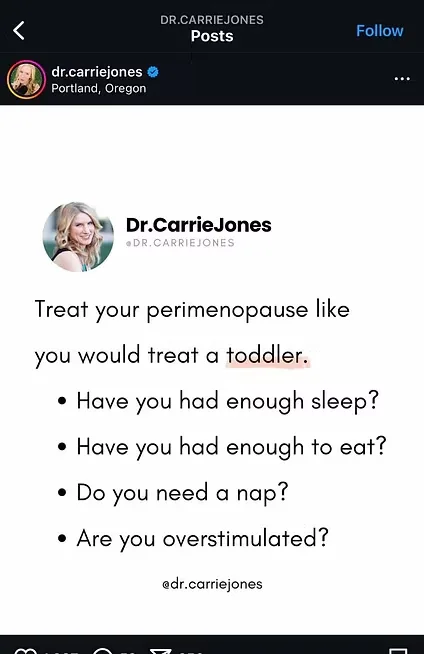
Why Optimizing Health During Perimenopause Matters
Optimizing health during perimenopause is crucial, as this is when the risk for bone loss, heart disease, muscle loss, brain changes, and more begins to significantly increase due to hormonal shifts.
Much like the chaos of puberty, this transition can feel like reversing out of adolescence. During her reproductive years, a woman’s ovarian hormones—estradiol and progesterone—typically follow a controlled monthly cycle. But as she enters perimenopause, it can feel like she’s on a completely different track. Initially, ovulation (the release of an egg) becomes less frequent, leading to a decline in progesterone. This drop can contribute to sleepless nights, anxiety, heavier periods, clots, breast tenderness, and even bone loss.
As she progresses through perimenopause, menstrual cycles may lengthen or skip months entirely, leading to longer periods of estradiol deficiency. Since estrogen receptors are found in almost every cell in the body, declining estradiol levels can have a profound impact on health. Experts suggest there may be over 100 signs and symptoms related to this transition, with estradiol loss at the core of many.
Common and Lesser-Known Symptoms
Common symptoms include hot flashes, night sweats, insomnia, mood changes, weight gain, and vaginal dryness. Lesser-known symptoms range from fatigue, phantom smells, and itchy ears, to crepey skin, hair loss, feelings of impending doom, gastrointestinal issues, bladder infections, and a lack of focus or motivation.
Hormonal changes also necessitate close monitoring of lab work, as these shifts can lead to higher levels of inflammation, glucose, insulin, cholesterol, and triglycerides. This can lead to an increased risk of cardiometabolic disease, osteoporosis/frailty, neurodegenerative disease, and even cancer.
How to Balance Your Hormones
Just Ingredients
The Silver Lining: Opportunities for Growth and Reinvention
Despite the challenges, there are wonderful aspects to this transition. Many women report feeling happier, more confident, and more content with who they are and what they stand for. The shift in hormones often brings stronger boundaries and a newfound resolve to stand up for their truth. It’s a new chapter in life, and many women find themselves redirecting their energy towards reinventing themselves.
For mothers, this might mean navigating a new parenting dynamic as children grow more independent. For others, it might be a time to hit their stride in their careers, go back to school, or explore an entirely new path. Relationships may also undergo a “spring cleaning” as women align themselves with who they are becoming.
Practical Steps for Optimizing Perimenopause
As this transition often demands a shift in health strategies, what worked in the past may no longer suffice. Here’s where the foundation of health becomes even more critical:
- Sleep: Quality sleep is non-negotiable. Women must prioritize rest and avoid burning the candle at both ends.
- Exercise: Dr. Stacy Sims, a renowned women’s health researcher, suggests incorporating weight lifting (heavier weights at lower reps) a few times a week, regular walking, and short, high-intensity training like sprints or rowing. These activities support bone health, lean muscle maintenance, brain health, mood, and more.
- Nutrition: Nutritional choices are more important than ever. Given the negative shifts in glucose, insulin, and lipids, it’s essential to evaluate dietary habits. A diet rich in protein, fruits, vegetables, quality fats, fiber, and plenty of water will go a long way in supporting overall health.
Supplemental Support
Some supplements can be particularly beneficial during perimenopause:
- Prebiotics and Resistant Starch: Found in foods like jicama, leeks, asparagus, and green bananas, these support gut health.
- Probiotics and Postbiotics: Butyrate, a postbiotic, is especially helpful in supporting a healthy GI microbiome during this stage.
- Magnesium Glycinate: Supports over 300 enzymatic reactions in the body and has calming effects, which are beneficial for mood and sleep.
- Creatine: Once associated with bodybuilding men, research now shows that 3-5 grams of creatine can benefit the brain, bones, and muscles of perimenopausal women.
- Omega-3 Fatty Acids and C15:0 (Pentadecanoic Acid): These support overall cellular and lipid health.
Laboratory Tests You Should Be Getting
WellBe
Empowering Women in Their Perimenopausal Journey
Perimenopause is a profound, complex, and deeply personal journey. But it’s also a time of empowerment and transformation. With the right knowledge, support, and proactive measures, women can navigate this transition with confidence and grace. By embracing the changes and taking charge of their health, they can truly make the most of this next chapter in their lives—because perimenopause isn’t just an end, it’s the beginning of something extraordinary.
Disclaimer:
Contributor content reflects the personal views and experiences of the author and does not necessarily represent the views of Biohack Yourself Media LLC, Lolli Brands Entertainment LLC, or any of their affiliates. Content is provided for editorial, educational, and entertainment purposes only. It is not medical or dental advice. Always consult qualified professionals before making health decisions. By reading, you agree to hold us harmless for reliance on this material. See full disclaimers at www.biohackyourself.com/termsanddisclaimers