Sponsored content
Sanjiv Lal spent more than two decades working in healthcare.
He understood the science, the laboratories, the business of biotechnology, and the complicated systems that bring medical innovations into practice.
But there's a difference between understanding healthcare from the inside and experiencing it from the other side.
When Lal faced a significant health challenge of his own, the questions he'd spent years exploring professionally suddenly became personal.
He began looking more closely at regenerative medicine, a field filled with promising research but also complicated questions about access, evidence, and clinical application.
What he discovered eventually helped shape Regen Therapy.
And it changed the way he thought about what the future of medicine might look like.
When Experience Becomes Personal
Lal's career didn't begin in the wellness industry.
Raised in Cleveland, Ohio, by immigrant parents who emphasized education, curiosity, and hard work, he developed an interest in both science and entrepreneurship.
He earned bachelor's and master's degrees in Pharmaceutical Sciences from The Ohio State University before building a career across pharmaceuticals, biotechnology, and molecular genetics.
Over 24 years, he worked with major biotechnology organizations, held leadership positions across healthcare businesses, and founded three laboratory companies, successfully exiting two.
That experience gave him an understanding of something patients rarely see: the infrastructure required to bring scientific developments into everyday healthcare.
But his personal health experience introduced a different perspective.
As he explored regenerative approaches, Lal encountered a field where scientific possibilities were expanding, yet questions about quality, physician education, and clinical implementation remained.
For someone accustomed to building healthcare businesses, those gaps represented a challenge worth investigating.
And one area of research particularly captured his attention.
What If the Future of Medicine Is in the Signals?
For years, conversations about regenerative medicine have often centered on introducing cells or biological materials into the body.
But researchers are also studying something less visible: the molecular messages cells exchange.
Cells communicate through growth factors, cytokines, extracellular vesicles, and other signaling molecules. These interactions help coordinate biological processes involving immune responses, tissue maintenance, and adaptation.
This field of research includes secretome science, which examines substances released by cells and how those substances may influence surrounding biological environments.
For Lal, the significance lies in understanding the communication systems already operating within the body.
Rather than viewing regeneration exclusively through the lens of replacing or introducing cells, he became interested in how cellular signaling might eventually inform more precise approaches to medicine.
The distinction is important.
Understanding a biological mechanism does not automatically mean scientists can safely or effectively manipulate it to treat disease. Many proposed regenerative applications remain investigational and require further clinical evidence.
But for Lal, the emerging science raised a compelling question about where future discoveries might lead.
Building Regen Therapy Around That Vision
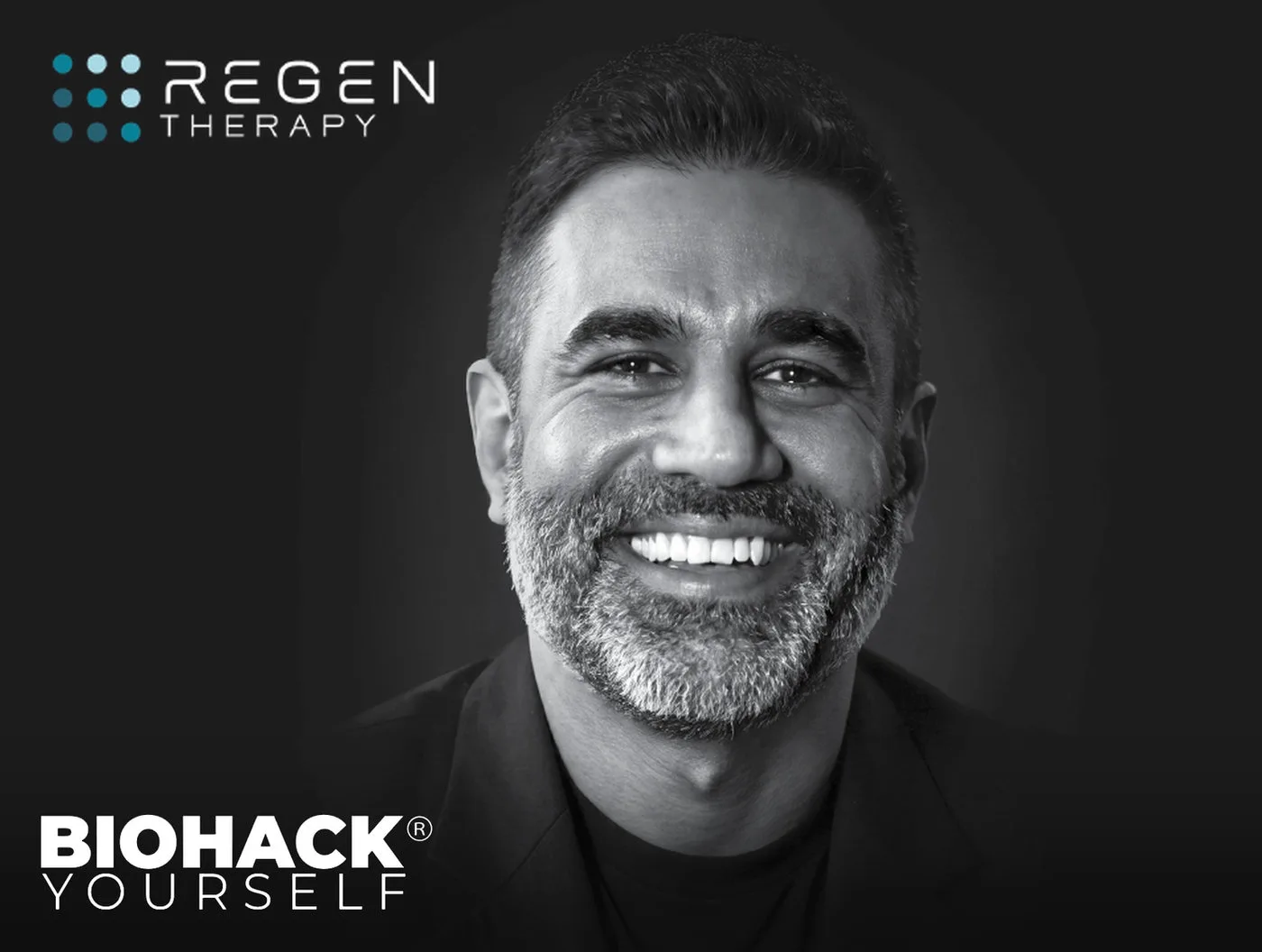
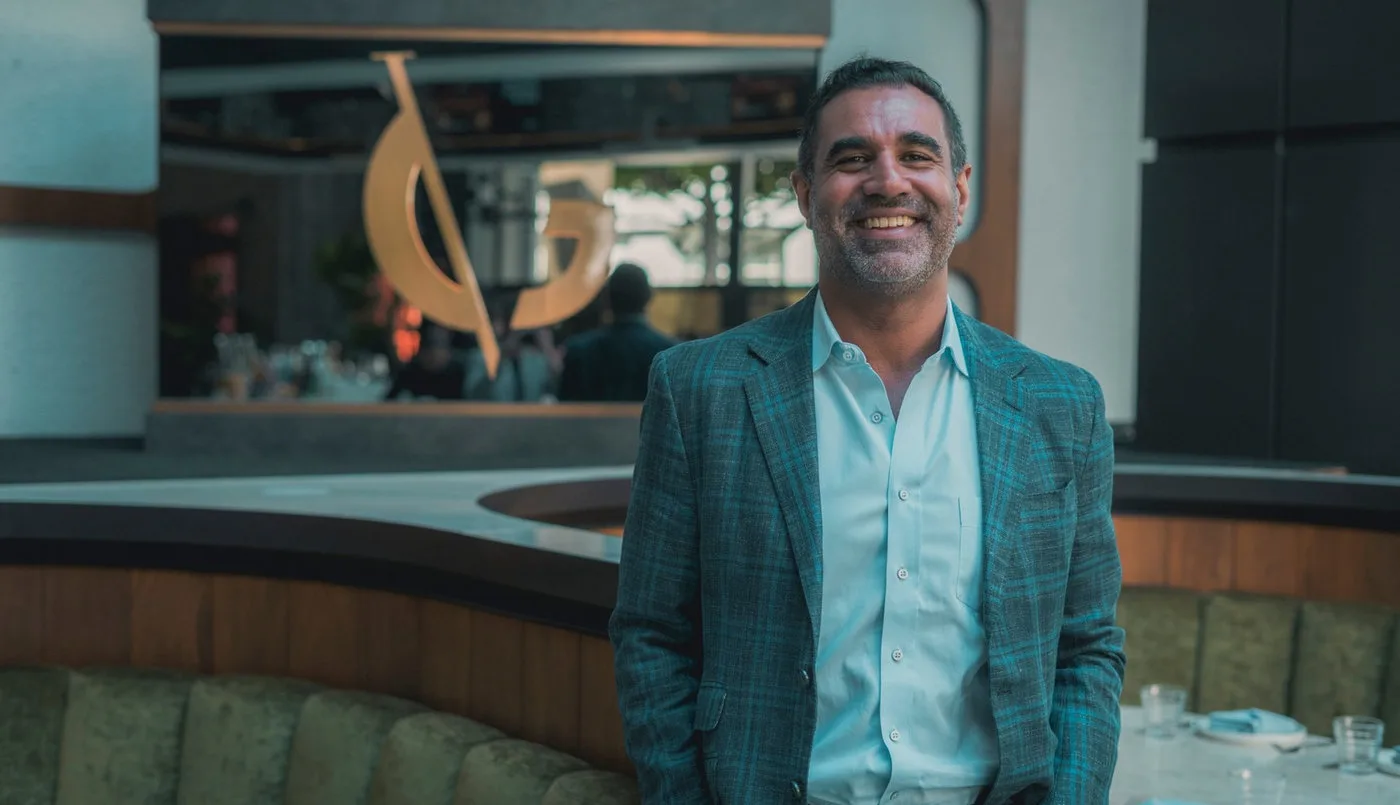
That interest helped shape Regen Therapy, the regenerative-medicine education and provider-support platform Lal co-founded and now leads as CEO.
Working alongside co-founder and President Dr. Arvind Chakravarthy, MD, MBA, Lal has focused on connecting scientific exploration with the practical needs of healthcare professionals.
The company's Cellular Health platform includes three Quantum Cell Factors formulations, each positioned around different investigational areas of cellular function.
Quantum Black focuses on cellular communication and inflammatory signaling. Quantum Blue emphasizes mitochondrial function, metabolic processes, and cellular restoration. Quantum Red is positioned around performance, resilience, and longevity-related signaling.
These distinctions describe the formulations' intended areas of investigation, not established clinical benefits.
The underlying research is evolving, and the safety and effectiveness of particular formulations
for specific medical conditions should not be assumed without appropriate clinical evidence.
For Regen Therapy, the broader ambition extends beyond individual products.
The company works with licensed providers through education, formulation access, and operational support, with an emphasis on physician involvement in evaluating emerging approaches.
That infrastructure reflects something Lal learned throughout his career: promising science alone is rarely enough.
Why Innovation Needs More Than a Breakthrough
Imagine a physician interested in a new area of regenerative research.
Understanding the science is only the beginning.
The physician must also consider product sourcing, manufacturing quality, applicable regulations, patient selection, documentation, and whether sufficient evidence exists to justify a particular intervention.
Those questions become especially important in a field where commercial enthusiasm can outpace clinical validation.
Lal's laboratory background has shaped his attention to these operational challenges.
Having built businesses in diagnostics and molecular testing, he understands that consistency, quality controls, and professional trust are essential to responsible healthcare delivery.
Regen Therapy's provider-focused model reflects that perspective.
Rather than positioning regenerative medicine as a replacement for conventional treatment, the company's stated direction emphasizes physician education and the careful evaluation of emerging technologies.
The long-term challenge is determining which scientific possibilities can eventually become safe, reproducible, and clinically useful approaches.
That requires collaboration among researchers, manufacturers, physicians, and regulators.
And it requires patience.
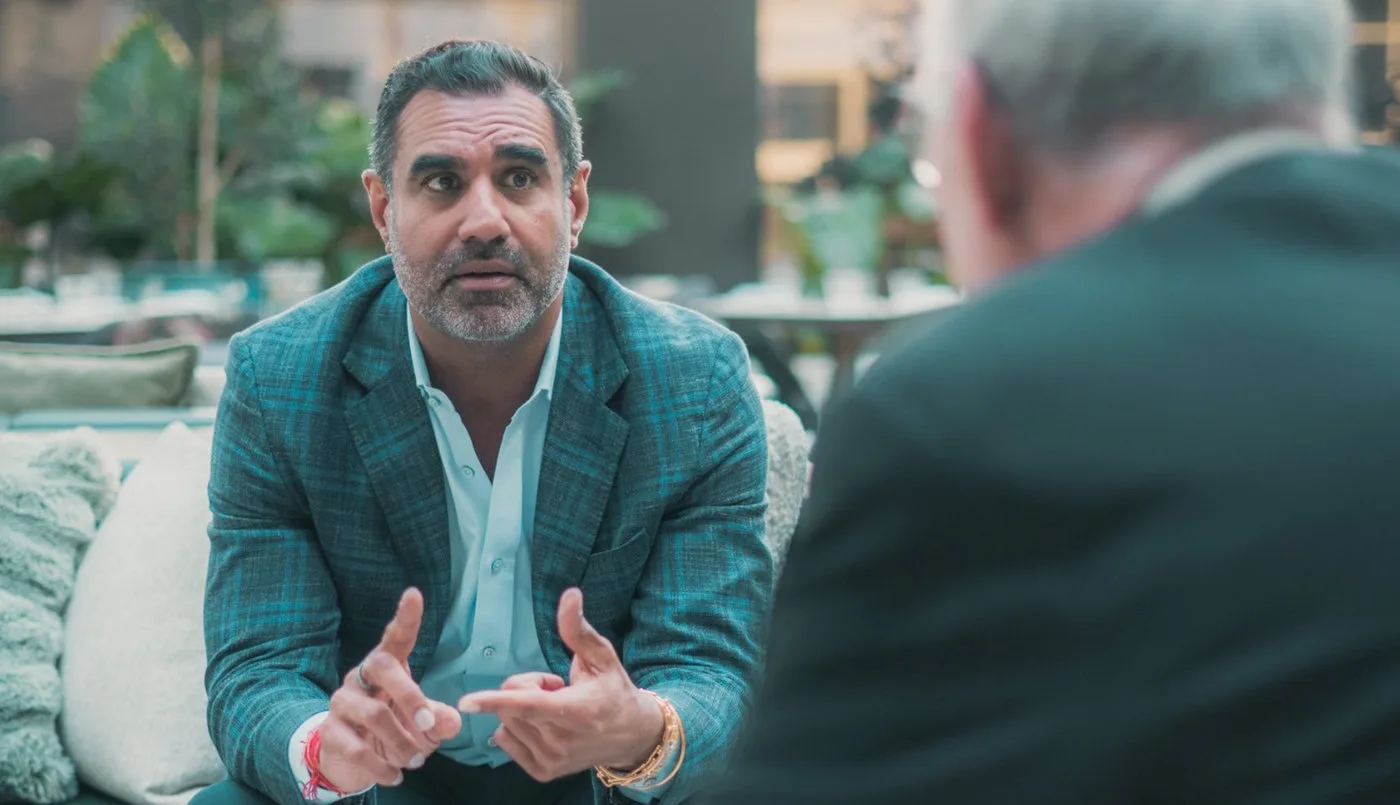
The Visionary Behind the Cell Factors
Today, Lal's interests extend across biotechnology, regenerative science, and longevity.
His work has brought him into conversations with physicians, researchers, entrepreneurs, and professionals exploring how advances in diagnostics and cellular biology might influence future healthcare.
But the experience that helped redirect his attention remains central to his story.
He spent years understanding healthcare as a scientist and entrepreneur. Becoming a patient made the questions more immediate.
What information was missing? Which emerging ideas deserved serious investigation? And what would it take to make promising research understandable and responsibly accessible to healthcare professionals?
Those questions continue to influence his work at Regen Therapy.
For Lal, the future of regenerative medicine isn't simply about discovering another compound or developing another technology.
It's about understanding biological communication while building the scientific and clinical systems needed to evaluate what those discoveries can actually accomplish.
The field still has important questions to answer, and not every promising development will become an established treatment.
But Lal's journey illustrates how a personal experience can change the direction of an already accomplished career.
After 24 years in healthcare, becoming a patient didn't erase what he knew.
It gave him a different reason to ask what medicine might become.
Regen Therapy is a featured brand in the Biohack Yourself Magazine Fall 2026 issue with Ashton Hall on the cover, available in stores and online on November 17, 2026.
Disclaimer:
Biohack Yourself Peer Review is an editorial, educational, and entertainment process for sponsored content. It is not a scientific peer review or regulatory evaluation. Please review our full Terms & Conditions and Legal Disclaimers