Sponsored content
It's 10:30 p.m. You've finished work, eaten dinner, and finally settled into bed.
There's nothing urgent left to do. Tomorrow's meetings can wait. Your phone is on silent, the lights are off, and you've given yourself enough time to get a decent night's sleep.
Yet somehow, you're still wide awake.
Your mind revisits a conversation from earlier. You remember something you forgot to finish. You start thinking about tomorrow's responsibilities.
Physically, you're exhausted. Mentally, you're still going.
It's a frustrating experience, especially when you've done everything you're supposed to do to unwind.
But sometimes, the challenge isn't finding time to relax. It's helping your body transition out of a heightened state of alertness.
When the Busy Day Follows You Home
Stress doesn't always announce itself through overwhelming anxiety or obvious physical symptoms.
Sometimes, it looks like checking your email during dinner. Feeling unusually impatient in traffic.
Struggling to concentrate after a long afternoon. Or lying awake despite being tired all day.
These experiences can have many causes, but one important piece of the picture is the autonomic nervous system.
This system helps regulate functions that happen automatically, including heart rate, digestion, and responses to stressful situations.
Its sympathetic branch prepares the body to respond to challenges, often described as "fight-or-flight." The parasympathetic branch supports functions associated with rest, digestion, and recovery.
Both are essential.
The problem isn't that our bodies experience stress. It's that repeated demands can make it difficult to feel settled once those demands have passed.
Consider someone who spends the morning rushing between meetings, handles unexpected problems throughout the afternoon, and finishes the day navigating traffic and family responsibilities.
By the time they sit down to rest, their schedule may be clear, but they might not feel relaxed.
And that's where understanding the body's stress response becomes particularly useful.
The Connection Between Your Brain and Body
Running from the brainstem through the neck and into the chest and abdomen, the vagus nerve plays an important role in communication between the brain and several major organs.
It's a key component of the parasympathetic nervous system, helping regulate functions involved in cardiovascular activity, digestion, and other automatic processes.
Researchers have become increasingly interested in whether stimulating vagal pathways could influence physiological responses to stress.
One approach being studied is non-invasive vagus nerve stimulation, which uses controlled electrical pulses delivered through the skin rather than surgically implanted devices.
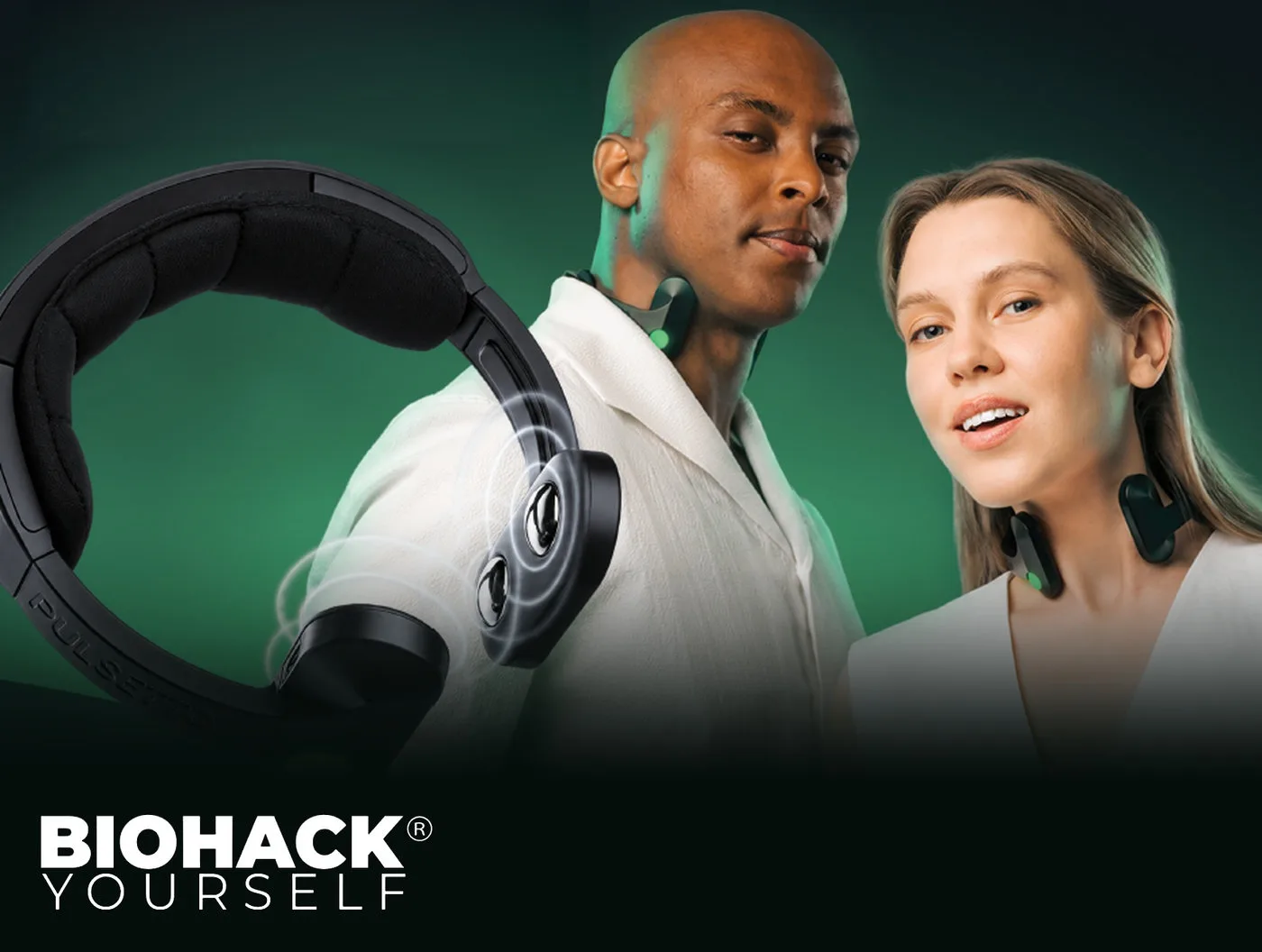
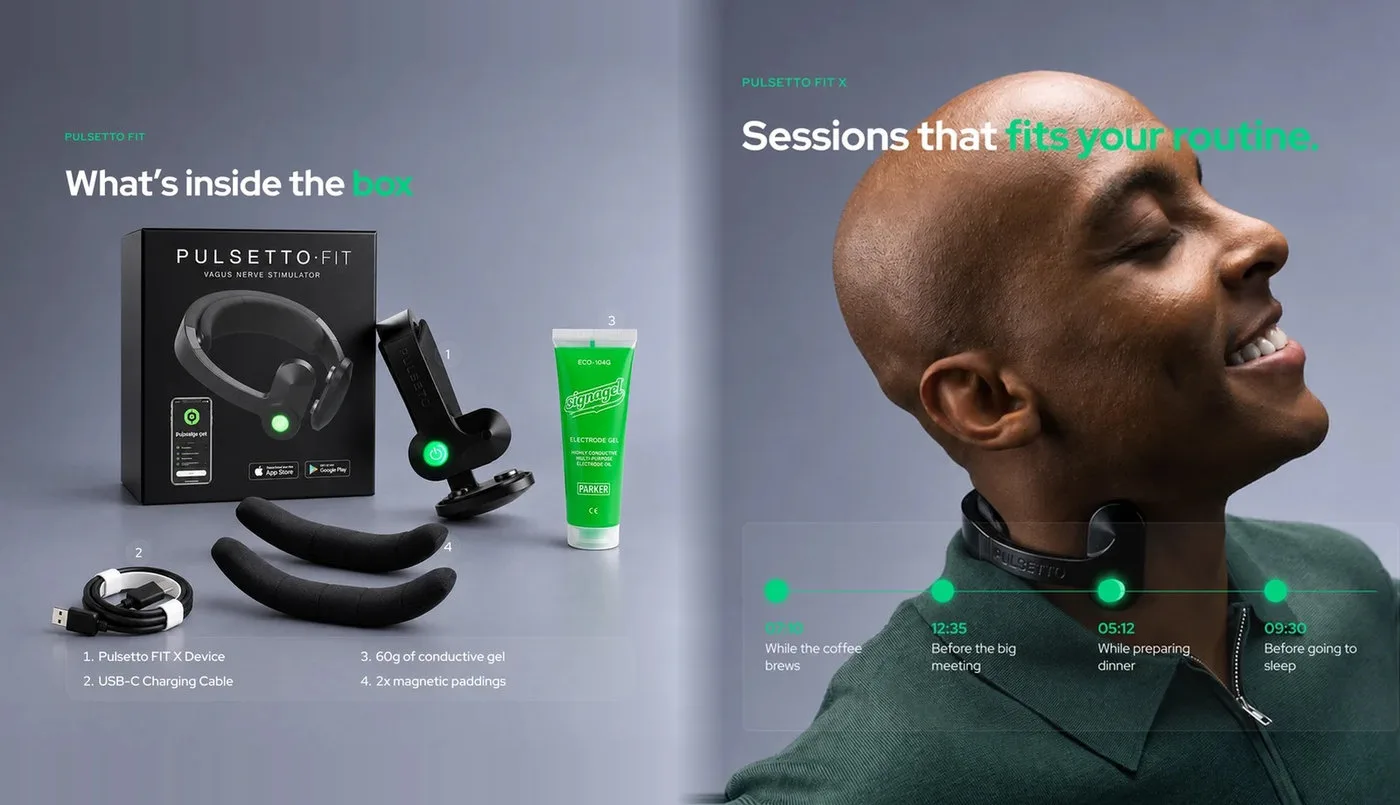
This is the technology behind Pulsetto, a wearable device designed to make vagus nerve stimulation accessible as part of a personal wellness routine.
Rather than requiring a lengthy appointment or complicated setup, Pulsetto offers guided stimulation sessions that can fit into a few minutes of the day.
Finding a Moment Between Everything Else
Imagine finishing a demanding workday and taking a few minutes before transitioning into your evening.
Or setting aside a quiet moment before bedtime, rather than immediately moving from screen time to trying to fall asleep.
For someone whose schedule rarely slows down, even establishing a short, consistent routine can create an opportunity to pay attention to how they're feeling.
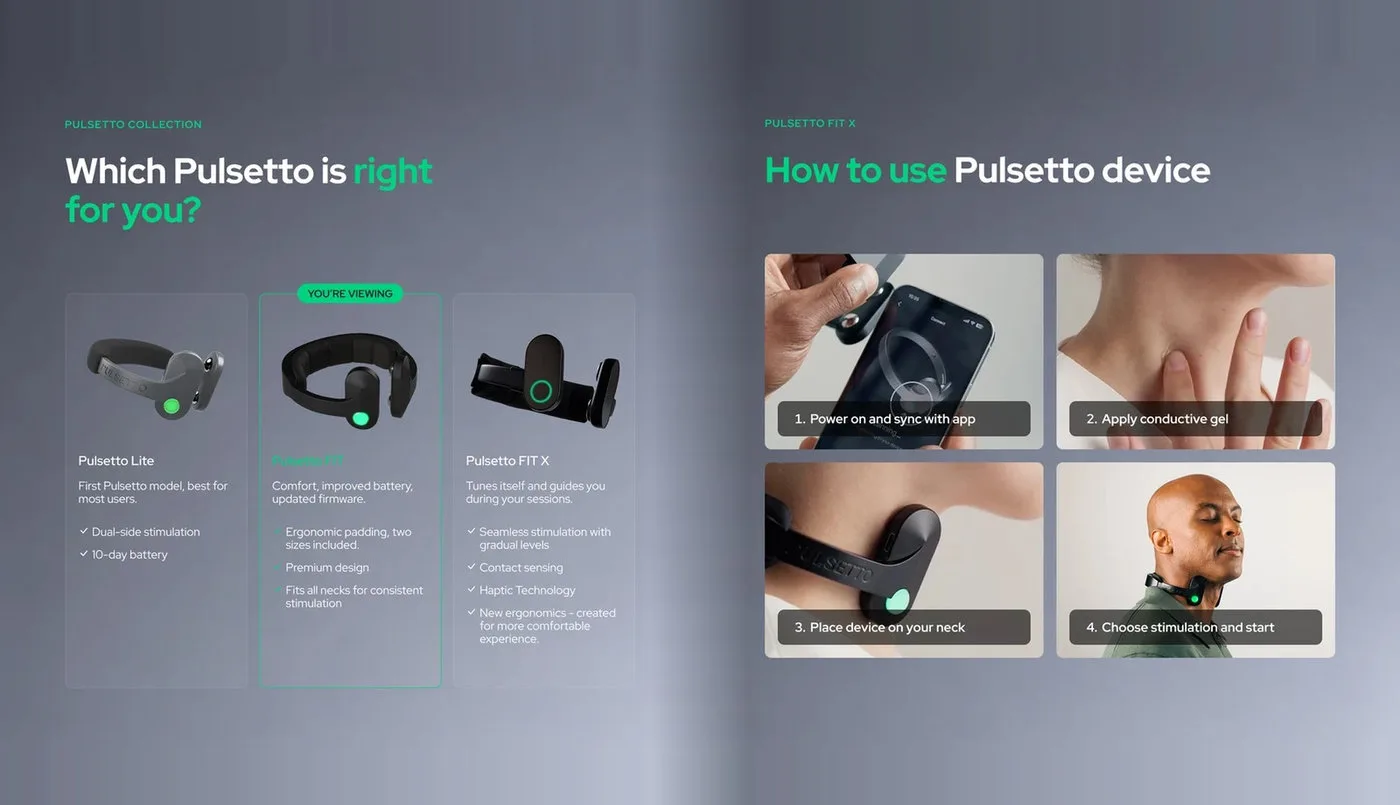
Pulsetto FIT is designed around this kind of accessibility, offering hands-free stimulation, an adjustable fit, and app-guided sessions.
The accompanying app provides structured protocols, while the device is designed for convenient use at home. Sessions may take as short as four minutes, making the technology easier to incorporate into an existing routine.
Early research points to encouraging results, including improvements in self-reported sleep disturbance over four weeks and lower levels of a cortisol biomarker in some participants, though individual results may vary.
Non-invasive vagus nerve stimulation remains an evolving research area, particularly for consumer wellness applications.
Recovery Doesn't Always Look Like Doing More
We've become accustomed to thinking that improving our well-being requires adding something substantial to our schedules.
Another workout. Another appointment. Another carefully planned routine.
But sometimes, a more realistic starting point is recognizing the moments when we struggle to shift gears.
The transition between work and home. The quiet minutes before bed. The pause after a demanding afternoon.
Pulsetto offers one technology-based approach to exploring nervous system-focused wellness within those everyday moments.
It isn't a replacement for healthy sleep habits, appropriate medical care, or addressing the underlying sources of chronic stress.
But it reflects a broader shift in how people are approaching well-being: paying attention not only to the challenges they face, but also to how they recover afterward.
Because getting through a busy day is one thing.
Being able to settle down when it's finally over is another.
Pulsetto is a featured brand in the Biohack Yourself Magazine Fall 2026 issue with Ashton Hall on the cover, available in stores and online on November 17, 2026.
Disclaimer:
Biohack Yourself Peer Review is an editorial, educational, and entertainment process for sponsored content. It is not a scientific peer review or regulatory evaluation. Please review our full Terms & Conditions and Legal Disclaimers