When the HPA Axis Is Under Attack, Only Real-Time Feedback Can Guide the Way Out
Cytomegalovirus (CMV) is a stealth pathogen. Ubiquitous, often dormant, and largely overlooked outside immunocompromised settings, it’s increasingly being recognized for its disruptive potential in healthy individuals—especially after stress, immune activation, or biohacking gone wrong.
A reactivation of CMV doesn’t just look like “post-viral fatigue.” It can trigger a full-system breakdown—including severe blood sugar instability (both dangerously low and inappropriately elevated), high blood pressure spikes, crushing head pressure, dizziness, POTS-like symptoms, palpitations, and lymphatic stagnation that creates chest and brain congestion. In some cases, it can lead to temporary loss of memory for even basic personal data—a sign of acute neurovascular and glymphatic compromise.
At the center of this storm is the HPA axis, the master coordinator of endocrine, immune, and neurological function. When CMV disrupts the hypothalamus, pituitary, or adrenals, it fractures the body’s ability to regulate energy, stress, and repair. For fast-charging, high-performing individuals, this level of internal disarray can feel like a free fall—where the very systems that once enabled high output become the source of profound dysregulation.
When this fragile terrain is then hit with popular recovery tools like PEMF, sauna, IV therapy, aggressive lymphatic drainage, or even well-intentioned supplement protocols, the result isn’t acceleration—it’s collapse. High-dose adaptogens, detoxifiers, glandulars, or mitochondrial stimulants can be too over-enervating, overwhelming a system that is already operating on threadbare reserves. What’s needed in this state isn’t stimulation—it’s precision, timing, and the ability to discern what the body can actually metabolize, regulate, and sustain.
What most people—and even many functional practitioners—don’t realize is that CMV targets the HPA axis, and biohacking without genetic and physiological precision can amplify the damage.

How CMV Targets the HPA Axis and Disrupts Systemic Regulation
The hypothalamic-pituitary-adrenal (HPA) axis is the body’s central command center for managing stress, regulating hormones, stabilizing blood sugar, and keeping inflammatory responses in check.
CMV reactivation has been shown to:
- Invade pituitary and adrenal tissue, disrupting hormone synthesis and signaling
- Trigger or suppress ACTH, leading to cortisol misfiring—either over-secretion or flatlining
- Mimic autoimmune patterns, especially in those with underlying viral susceptibility or methylation issues
- Destabilize blood sugar, causing unpredictable post meal hypoglycemic crashes
- Spike blood pressure to dangerous levels, particularly in the presence of vagus nerve disruption or central inflammation
- Disrupt vagal tone, triggering POTS-like symptoms and HRV suppression
- Induce head pressure and neuroinflammation, interfering with cerebral perfusion and glymphatic clearance
- Cause lymphatic congestion, especially in the thoracic and cervical regions—leading to systemic histamine activity and detox overload
- Create vasovagal storms, where the body flips between sympathetic overdrive (anxiety, pressure, hypertension) and parasympathetic collapse (dizziness, cold extremities, faintness)
These effects don’t happen in isolation. CMV doesn’t just “flare”—it deregulates the entire communication network between the brain, immune system, and vascular system.
Why Popular Biohacking Protocols Can Backfire
In an effort to recover quickly, many turn to high-powered wellness tools: PEMF, infrared saunas, lymphatic massage, IV nutrient cocktails, or cold plunges.
When the HPA axis and neuroimmune system are already destabilized by CMV, these tools can push the body into further crisis:
- PEMF and heat therapies can further reactivate and mobilize viral and immune debris faster than the lymph or liver can clear
- IVs and lymphatic stimulation can provoke vasodilatory pressure shifts, resulting in headaches, dizziness, or syncope
- Adaptogens, glandulars, and detox supplements can spike cortisol and crash blood sugar if the adrenals and pituitary are not ready
- Cold plunges or contrast showers can disrupt baroreceptor and vagal regulation, worsening sympathetic dominance
Biohacking isn’t healing when it overrides the body’s ability to regulate. Without timing and context, even the “right” tools become liabilities.

Stress Response Control
HPA axis balances hormones, sugar, and inflammation response.
The First Step: Test, Don’t Guess
Start with Insight, Not Assumptions
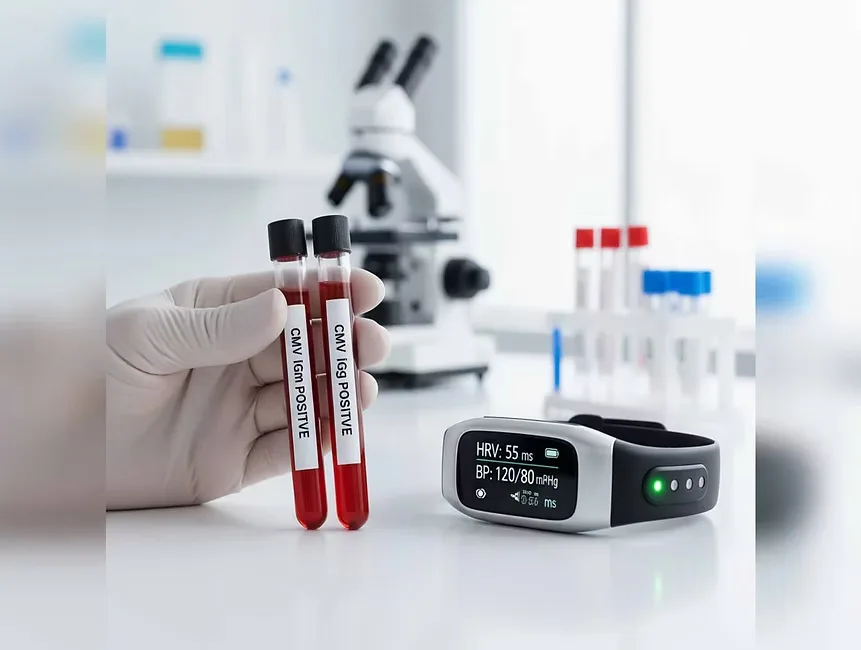
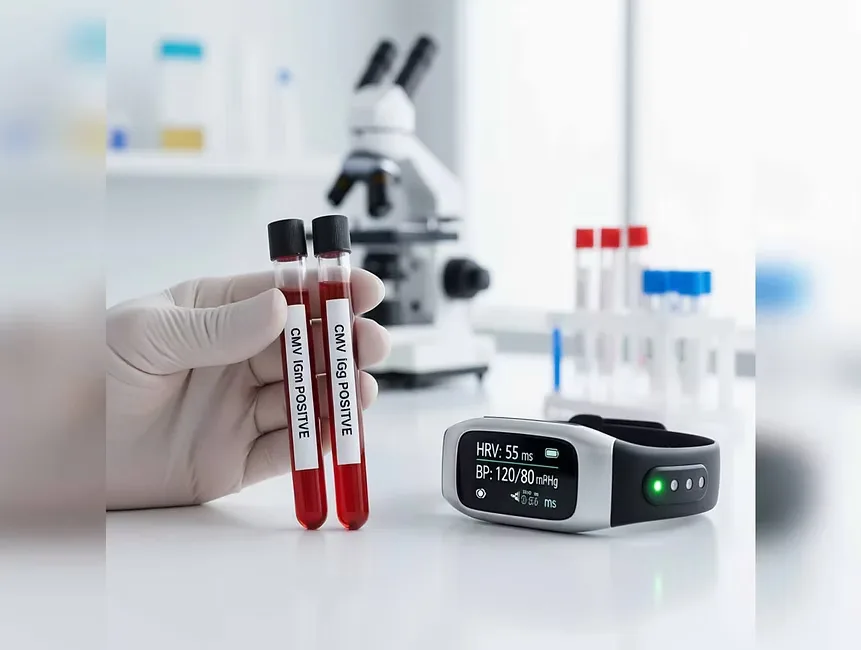
Before beginning any intervention, it is essential to determine whether CMV is active or reactivating. Foundational labs include:
- CMV IgM → may indicate recent or current reactivation
- CMV IgG → indicates prior exposure or potential latent activity
These results must be interpreted in context—not solely by reference ranges, but by a practitioner who understands the herpesvirus family (CMV, EBV, HSV, HHV-6, etc.) and the terrain-based effects of viral reactivation on the endocrine, immune, neurological, and vascular systems.
In our practice, we also use applied kinesiology—a clinical tool that allows us to access real-time biofeedback from the body. Kinesiology, when used by experienced practitioners, can offer immediate insight into which systems are under strain, which interventions are supportive (or overburdening), and whether the body is ready to receive a specific input. Especially in cases of viral reactivation, this method helps guide safe and timely decisions based on the body’s current capacity—not theoretical protocols.
While this article does not recommend or prescribe pharmaceutical antivirals, there are cases where targeted antiviral intervention may be warranted under the guidance of a skilled, licensed practitioner trained in post-viral care. These professionals understand the nuanced presentation of herpesvirus reactivation and how to strategically time and titrate interventions—including pharmaceutical options—based on individual terrain and real-time feedback.
What a Resilient CMV Recovery Strategy Might Include
Rather than stimulating a compromised system, intelligent post-CMV recovery may involve:
- Clean mineral support—kosher salt over pink salt to avoid trace mineral overstimulation
- Low-histamine, low-sulfur nutrition—squash, buckwheat, wild proteins, A2 dairy
- Gentle mitochondrial and alkalinity support—via low-oxalate greens
- Strategically applied ice—over the vagus nerve or spine to regulate tone
- No PEMF, IVs, saunas, or lymph work until the body initiates drainage on its own
- Daily use of wearables—CGM, HRV tracking, BP monitoring—for real-time physiologic feedback
- Muscle testing and somatic cues as daily guideposts, not afterthoughts

Body’s Inner Signals
Precision healing starts by tuning into natural rhythms.
The Future of Biohacking: Know Before You Go
The future of biohacking isn’t defined by how many devices, supplements, or interventions you stack. It’s not about the latest wearable, the newest IV drip, or the most advanced stem cell protocol, hormone therapy, or peptide infusion.
It’s about how deeply you listen to the body—in real time.
Precision healing doesn’t come from more tools. It comes from understanding timing, genetic terrain, and the wisdom to know when to pause instead of push.
Without that awareness, even the most advanced biohacks can become biological stressors.
Know before you go.
Disclaimer:
Contributor content reflects the personal views and experiences of the author and does not necessarily represent the views of Biohack Yourself Media LLC, Lolli Brands Entertainment LLC, or any of their affiliates. Content is provided for editorial, educational, and entertainment purposes only. It is not medical or dental advice. Always consult qualified professionals before making health decisions. By reading, you agree to hold us harmless for reliance on this material. See full disclaimers at www.biohackyourself.com/termsanddisclaimers