
The pandemic has left behind more than acute illness — it has disrupted the very molecules that anchor human connection, metabolism, and resilience. At the center of this disruption is oxytocin, the hormone of safety and flow. When oxytocin is depleted, the body shifts into survival mode: histamine levels rise, lymphatic stagnation occurs, weight and fluid retention are increased, and even our ability to feel connected to others is diminished.
This is why so many post-viral individuals — both men and women — describe not only exhaustion and weight gain, but also a painful sense of separation from themselves and from others.
In the biohacking world, we often think of devices and data. Yet some of the most effective hacks are the oldest: ancient somatic practices, energy centers like the Dan Tien, and food as medicine. When combined with modern science, these become precision tools to restore oxytocin pathways, calm histamine, and reopen the lymphatic system's flow.
How the Spike Protein Disrupts Oxytocin
Emerging research and clinical observation show that the spike protein does not simply provoke an acute immune response. It may alter the regulatory molecules of safety and connection — most notably oxytocin — and sets off downstream effects across the immune, lymphatic, and emotional systems.
- Hypothalamic–Pituitary Disruption: Spike protein fragments can trigger neuroinflammation in the hypothalamus and pituitary, the centers that regulate oxytocin production. Research shows that SARS-CoV-2 can invade cells within the hypothalamus, the brain’s command center for oxytocin production. Damage to this region has the potential to disrupt oxytocin-secreting neurons, lowering output and weakening the pathways that regulate connection, safety, and resilience.
- Mast Cell Activation & Histamine Surges: There is clinical evidence that the spike protein can express the histamine receptor genes. Oxytocin normally calms mast cells, keeping histamine in check. With oxytocin disruption, mast cells are further disinhibited — histamine rises unchecked, driving inflammation, vascular permeability, and tissue irritation.
- Lymphatic Stagnation & Fluid Retention: Histamine excess increases capillary leakage and interstitial fluid accumulation, while low oxytocin reduces vagal tone, slowing lymphatic pumping. The result is swelling, edema, and weight gain from water retention rather than fat. This is in addition to the spike protein hurting the lymphatic system via endothelial injury and impaired flow.
- Social & Emotional Separation: Oxytocin is the molecule of bonding and trust. When suppressed, the nervous system perceives threat instead of connection, leading to withdrawal and disconnection. For men, this often shows up as emotional flatness or withdrawal; for women, as anxiety, loneliness, and difficulty nurturing.
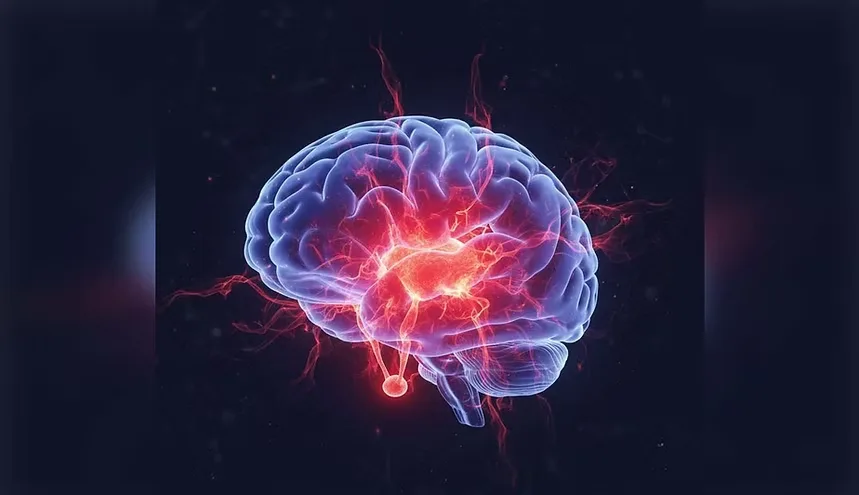
Lighting Up the Brain
Healing begins when neural inflammation gives way to flow.
Gene-Smart® Nutrition & Food as Medicine
Food is one of the oldest and most elegant biohacks. Long before supplements and wearables, diet shaped physiology at the cellular level — influencing inflammation, protein folding, and metabolic efficiency. Certain foods rich in amyloids, sulfur, oxalates, or histamine can act as stressors, especially in genetically sensitive individuals, by driving misfolded proteins, immune overactivation, and metabolic congestion.
The spike protein compounds these vulnerabilities, as it can promote amyloid-like aggregation and amplify inflammatory cascades, making dietary precision more important than ever. Choosing low-amyloid, low-sulfur, low-oxalate, and low-histamine foods aligned with an individual’s genetic terrain reduces these bottlenecks, helping preserve oxytocin signaling, stabilize immune function, and support resilient recovery.
Somatic Biohacking: The 10-Part Somatic Play™
True biohacking is not only biochemical — it is somatic. Oxytocin is not just produced in the brain but is released through body cues of safety: touch, posture, breath, and rhythm.
- The 10-Part Somatic Play™: A body-based sequence I developed to re-educate the nervous system and restore oxytocin flow. This practice uses gentle cupping, holding, gliding, and positional resets to create rhythmic signals of safety:
- Eye cupping – soothing cranial nerves, reducing ocular strain, and signaling calm to the brainstem.
- Ear cupping – stimulating vagal pathways through the auricular branch, enhancing parasympathetic tone.
- Occipital holding – releasing pressure at the brainstem entry point, allowing fluid and nerve flow.
- Heart hold – placing the hand over the chest to restore coherence between heartbeat and breath.
- Dan Tien (belly) support – grounding energy at the body’s center of gravity to stabilize vagal tone. (The Dan Tien, or “elixir field,” described in Chinese medicine and martial arts, sits just below the navel. It is now understood as the body’s center of gravity — where breath, stability, and nervous system grounding originate.)
- Lying on the left side – encouraging lymphatic drainage through gravity-assisted flow.
- Clavicle glides – gentle strokes to open lymphatic channels and ease upper body congestion.
- –10. Rhythmic integration – repeating these cues in sequence with slow breath and intention, teaching the body to toggle between contraction and release.
Together, these movements act as a biohack for oxytocin pathways, awakening the circuitry of safety and belonging while supporting lymphatic flow.
The Oxytocin–Histamine–Weight Connection
Low oxytocin is not just a hormone imbalance — it is a systems disruption. When oxytocin falls, mast cells become dysregulated, and lymphocytes slow. The result is:
- Lymph stagnation – fluid is held instead of cleared.
- Tissue swelling – histamine-driven inflammation thickens interstitial spaces.
- Weight gain through water retention – not fat, but fluid the body cannot release.
For both men and women, this creates frustration: a body that feels heavy, swollen, and disconnected from its former vitality. Understanding this biology reframes weight gain and fatigue as terrain issues, not personal failures.

Restoring Calm Through Movement
Gentle somatic flow reawakens safety, balance, and connection.
VI. Integrated Function
When these levers are combined, the body moves from stagnation to flow:
- Oxytocin restored → lymph circulation reawakened.
- Histamine calmed → mast cells stabilized, vagal tone strengthened.
- Viruses contained → immune surveillance rebalanced.
- Lymphatic burden reduced → swelling and weight begin to resolve.
Metabolic stability regained → fatigue lessens, resilience returns.
Conclusion
Biohacking is not always about the newest gadget. Sometimes it is about reclaiming the timeless hacks: food, breath, rhythm, posture, and touch — reframed through modern science.
The rise in post-pandemic autoimmune symptoms, weight gain, and exhaustion is not about discipline or diet failure. It is the direct result of spike protein–mediated oxytocin disruption, amplified by viral persistence, histamine overload, and lymphatic stagnation.
Combining Gene-Smart® nutrition, somatic biohacking through the 10-Part Somatic Play™, terrain-specific nourishment, detox binders, natural oxytocin renewal practices, and, in some bio-individual cases, practitioner-guided oxytocin support — reframes the story.
Disclaimer:
Contributor content reflects the personal views and experiences of the author and does not necessarily represent the views of Biohack Yourself Media LLC, Lolli Brands Entertainment LLC, or any of their affiliates. Content is provided for editorial, educational, and entertainment purposes only. It is not medical or dental advice. Always consult qualified professionals before making health decisions. By reading, you agree to hold us harmless for reliance on this material. See full disclaimers at www.biohackyourself.com/termsanddisclaimers