Sponsored content
You've finished work, put your phone away, and finally found a quiet moment to yourself.
But your body hasn't received the message.
Your shoulders remain tense. Your thoughts keep racing. Even when you're physically exhausted, relaxing feels like another task you have to accomplish.
It's a familiar experience for people navigating demanding schedules, constant stimulation, and everyday stress.
We often think relaxation begins with changing our environment. Taking a walk, practicing meditation, or getting more sleep can certainly help.
But what if another approach involved influencing the nervous system itself?
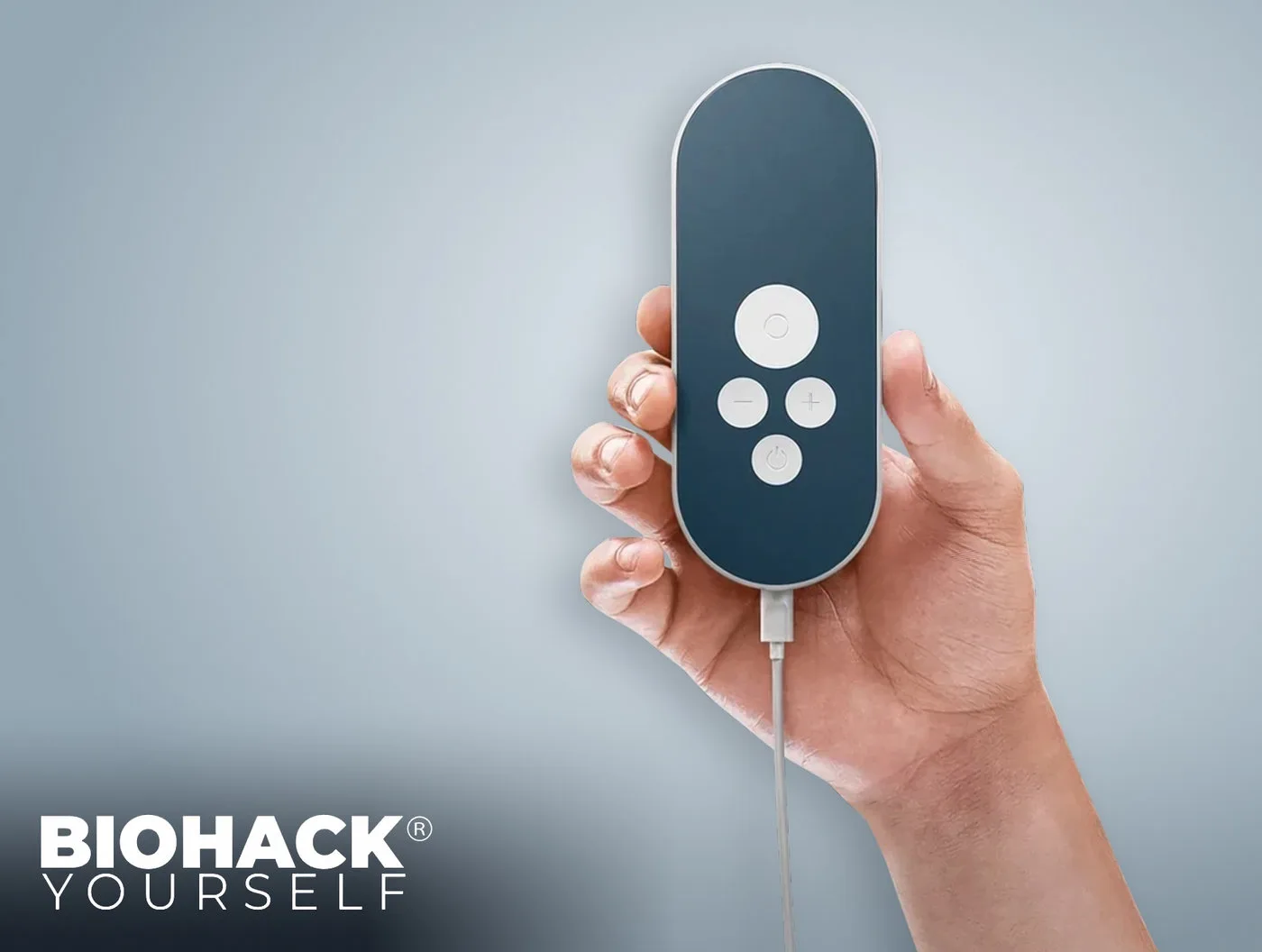
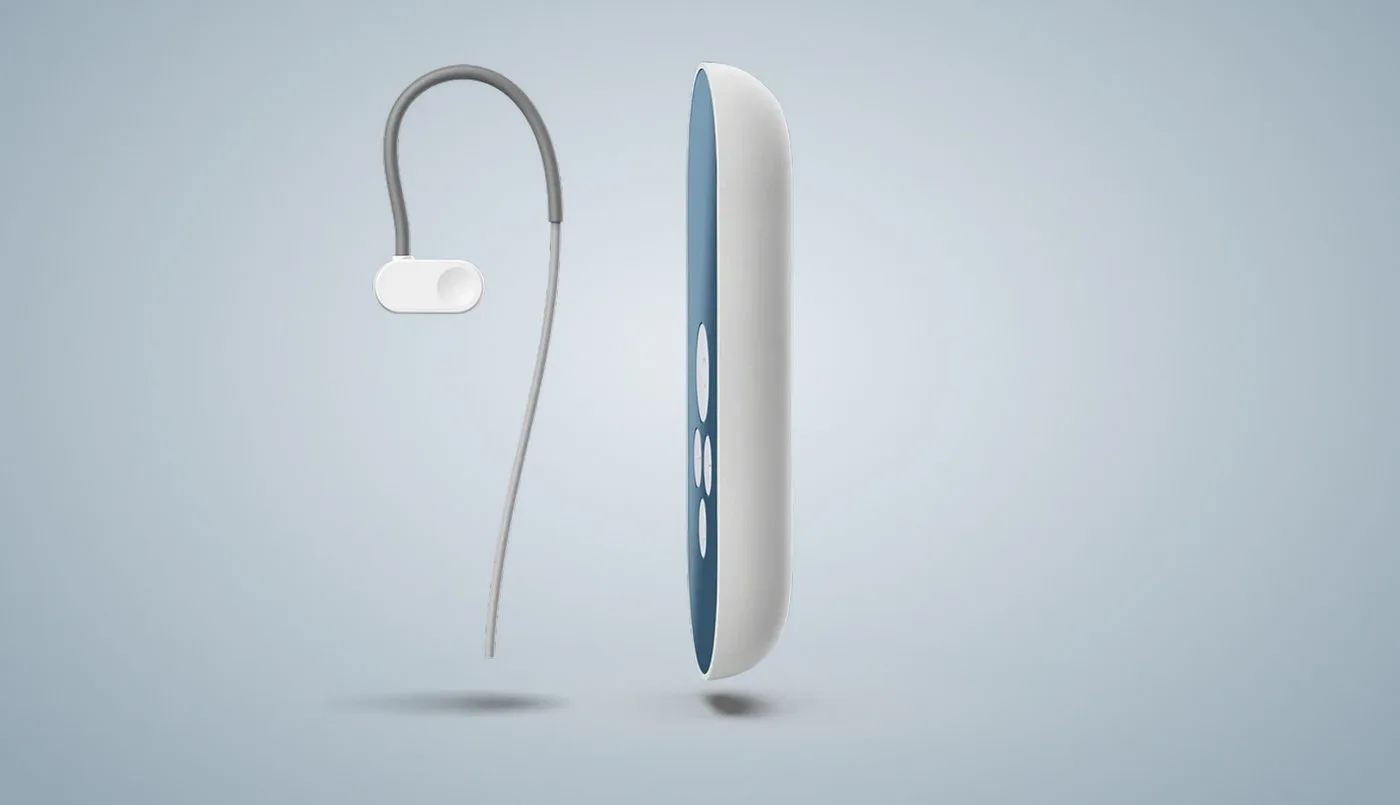
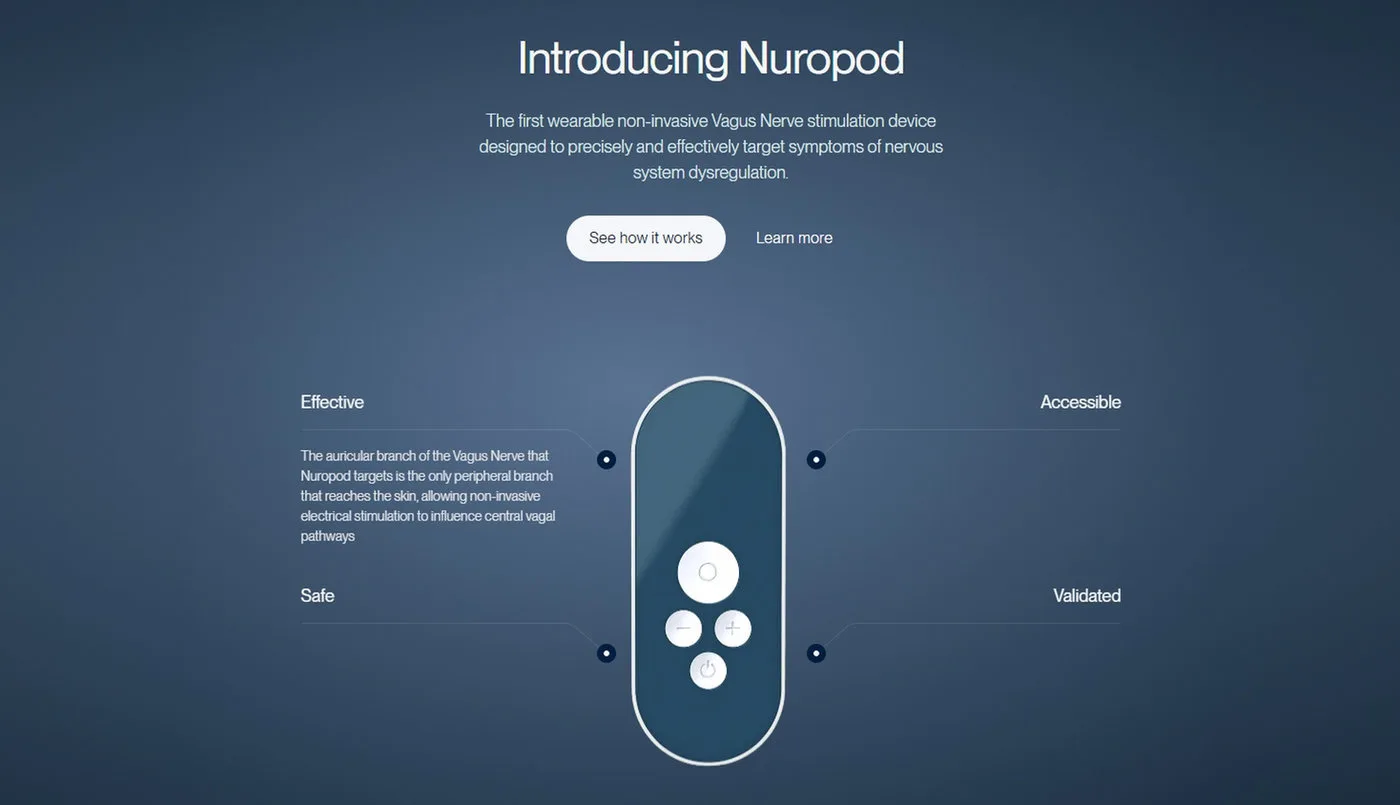
That's the idea behind Nuropod, a wearable neuromodulation device designed to stimulate the vagus nerve through the ear.
Why Your Nervous System Matters More Than You Think
Your autonomic nervous system constantly regulates functions you rarely think about, including heart rate, digestion, and aspects of breathing.
It operates through interconnected pathways, including the sympathetic and parasympathetic nervous systems.
The sympathetic system helps prepare your body to respond to challenges, while parasympathetic activity supports functions associated with rest, digestion, and recovery.
Both are essential.
Problems may arise when ongoing stress makes it difficult to transition into a more relaxed state.
You might notice difficulty unwinding, disrupted sleep, or persistent feelings of tension.
That's why researchers are increasingly interested in technologies that may influence autonomic nervous system activity.
One area receiving attention involves the vagus nerve.
The Surprising Connection Between Your Ear and Your Brain
The vagus nerve connects the brain with multiple organs and plays an important role in regulating autonomic functions.
Interestingly, one of its branches reaches the outer ear.
This creates an opportunity to stimulate nerve pathways without surgically implanting a device.
Nuropod uses Auricular Vagal Neuromodulation Therapy, or AVNT, to deliver controlled electrical signals through an electrode positioned near the ear.
The stimulation is intended to engage vagal pathways involved in communication between the brain and body.
Unlike implanted vagus nerve stimulators, the wearable approach is noninvasive.
Researchers are investigating whether this type of stimulation may influence stress-related responses, autonomic regulation, and other physiological processes.
However, individual responses vary, and the mechanisms and long-term effects of noninvasive stimulation remain areas of ongoing study.
What Does This Have to Do With Recovery?
Recovery involves more than allowing your muscles to rest.
Sleep quality, stress regulation, and nervous system activity can all influence how prepared you feel for another demanding day.
One measurement frequently discussed in recovery research is heart rate variability, or HRV.
HRV reflects variations in the time between heartbeats and provides information about autonomic nervous system activity.
Nuropod's underlying Parasym technology has been investigated in more than 60 completed studies exploring various health and performance applications.
Research involving auricular vagus nerve stimulation has examined outcomes related to HRV, fatigue, sleep, and stress-associated symptoms.
Some studies have reported encouraging findings, although results depend on the population, treatment protocol, and outcome measured.
Importantly, a higher HRV reading doesn't automatically mean someone is healthier, and improvements in research settings don't guarantee similar results for every user.
Why Biohackers Are Paying Attention
For people interested in longevity and performance, nervous system regulation has become another area worth exploring.
Rather than focusing exclusively on exercise intensity, supplements, or wearable metrics, some are investigating how their bodies respond to periods of stress and recovery.
Nuropod has also appeared in Bryan Johnson's Netflix documentary "Don't Die," bringing additional attention to ear-based vagus nerve stimulation.
Its portable design makes the technology accessible outside traditional clinical environments, while its research background provides a foundation for continued investigation.
Still, emerging wellness technologies should complement established habits rather than replace them.
Consistent sleep, appropriate physical activity, balanced nutrition, and effective stress-management practices remain important foundations of well-being.
Is Vagus Nerve Stimulation Right for Everyone?
Although Nuropod is designed for adult use, it isn't appropriate for everyone.
People who are pregnant, have undergone cervical vagotomy, have severe resting bradycardia, or have certain permanent implants near the ear should not use the device.
Other circumstances, including implanted electronic devices and significant cardiovascular conditions, require professional assessment and potentially supervised use.
Following the device's instructions and consulting a healthcare professional when appropriate are essential.
A Different Way to Think About Relaxation
Feeling relaxed isn't always as simple as deciding to slow down.
Your nervous system plays an ongoing role in how your body responds to daily demands and transitions between activity and rest.
Technologies such as Nuropod introduce another avenue for exploring that relationship through noninvasive vagus nerve stimulation.
The science continues to evolve, but the underlying question is worth considering.
What if supporting recovery meant paying attention not only to what your body does, but also to how your nervous system responds?
Nuropod is a featured brand in the Biohack Yourself Magazine Fall 2026 issue with Ashton Hall on the cover, available in stores and online on November 17, 2026.
Disclaimer:
Biohack Yourself Peer Review is an editorial, educational, and entertainment process for sponsored content. It is not a scientific peer review or regulatory evaluation. Please review our full Terms & Conditions and Legal Disclaimers