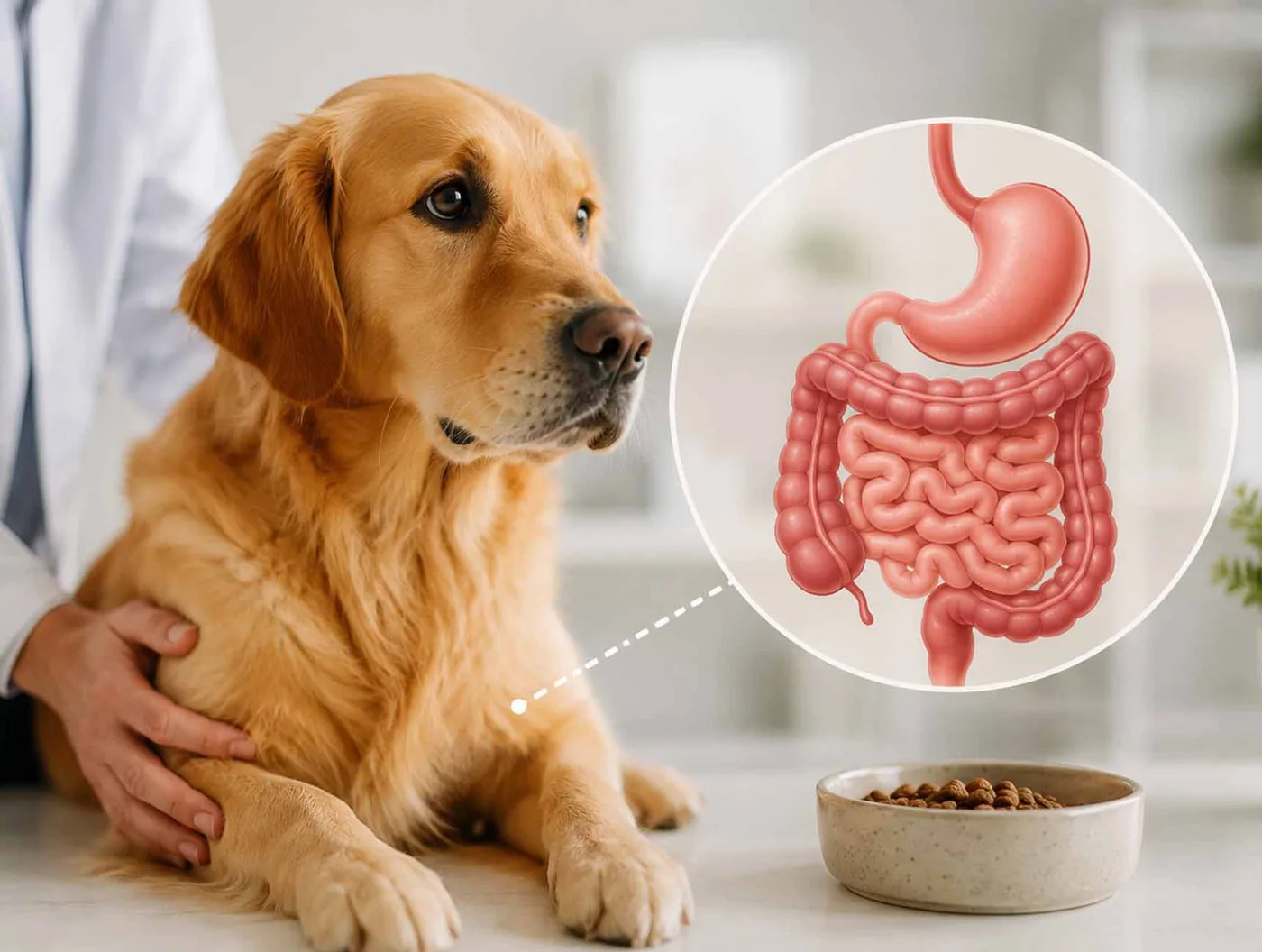
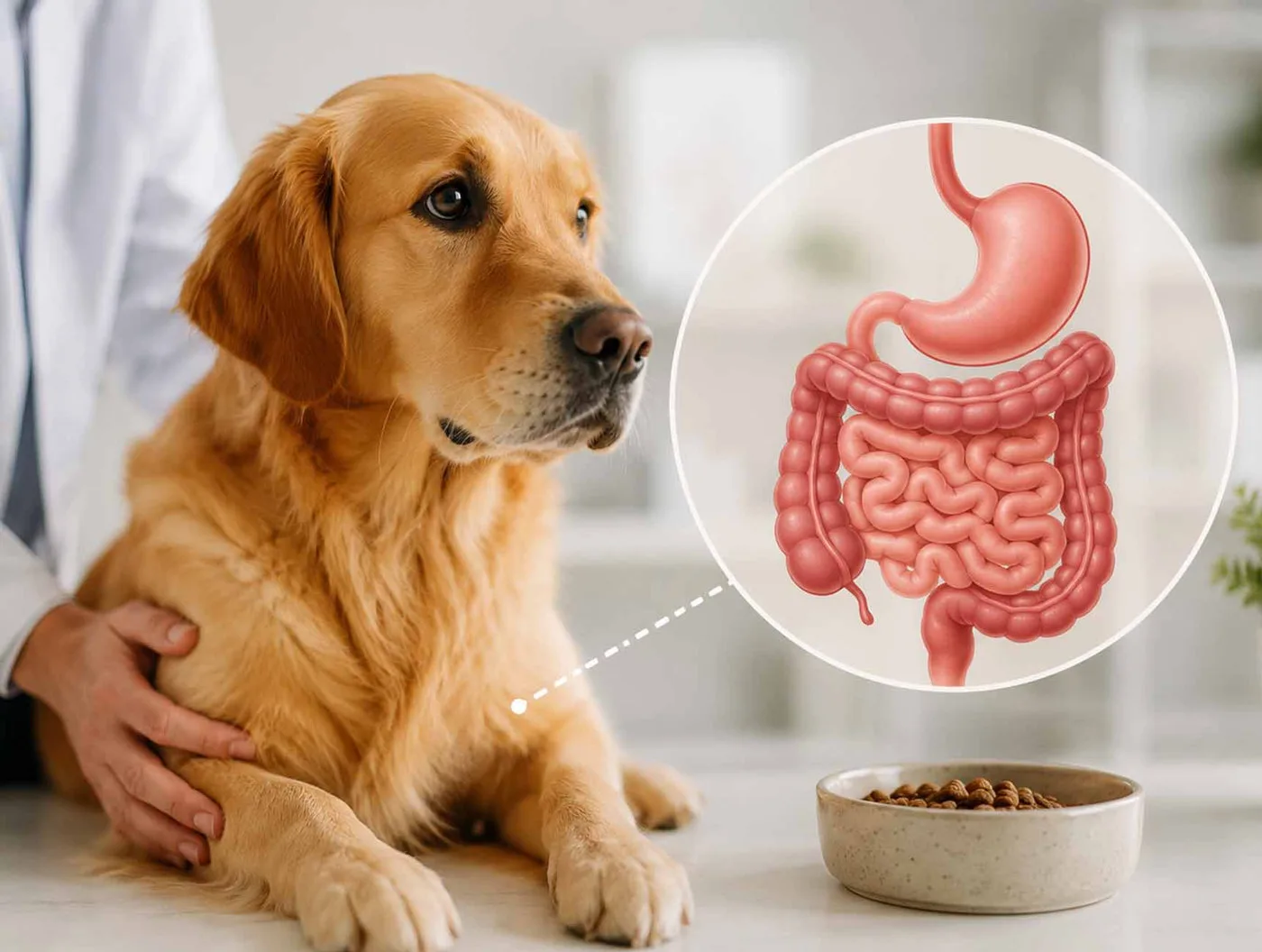
Gastrointestinal (GI) issues are one of the top reasons for veterinary visits. Symptoms can range from anorexia (refusing to eat), vomiting, diarrhea, constipation, to a rumbly tummy.
Understanding the underlying root cause of these issues can help create more effective, long-term solutions.

In Cats: Chronic GI Symptoms: A study analyzing over a million adult cats visiting Banfield Pet Hospital found that approximately 2% exhibited chronic vomiting and/or diarrhea. Specifically, 1.4% experienced chronic vomiting, 0.4% had chronic diarrhea, and 0.2% presented with both symptoms at different times.
Parasitic Infections: Research indicates a higher prevalence of gastrointestinal parasites in stray cats (71%) compared to household cats (40%). Common parasites identified include Toxocara cati, Ancylostoma species, and Isospora species.
In Dogs: Overall GI Disorders: Data from the Dog Aging Project, encompassing over 43,000 dogs, revealed that 30% had a history of at least one gastrointestinal disorder. The most frequently reported conditions were infectious diseases (17%), chronic diarrhea (3%), ingestion of foreign bodies (2%), anal sac impactions (2%), and pancreatitis (2%).
Seasonal Gastroenteritis: A study focusing on gastroenteritis in dogs reported a higher occurrence during the winter months (December to February), accounting for 30.19% of cases.
When GI Issues Become Chronic: Leaky Gut as the Root Cause Leading to Inflammation
The root cause of many chronic GI issues, including irritable bowel syndrome (IBS) and inflammatory bowel disease (IBD), is often linked to leaky gut syndrome.
What is Leaky Gut?
Leaky gut occurs when the intestinal lining becomes abnormally permeable, allowing toxins, pathogens, and undigested food particles to enter the bloodstream. This triggers an immune response, leading to chronic inflammation.
There are several key contributors to leaky gut syndrome in pets, many of which are linked to modern lifestyles and feeding habits:
- Processed Foods: Highly processed pet foods (commercial kibble and canned diets) are enzymatically dead, are often filled with fillers, preservatives, GMOs, synthetic vitamins, and low-quality proteins, all of which can damage the gut lining and disrupt the gut microbiome.
- Antibiotics: While antibiotics can be lifesaving, even a single round can negatively impact the gut microbiome, killing beneficial gut bacteria and potentially leading to dysbiosis (an imbalance of gut bacteria), which compromises the gut’s integrity.
- Steroids and Immunosuppressive drugs: These drugs disrupt the natural balance of the gut flora, cause long-term damage to the immune system, and damage the tight junctions of the gut lining, leading to more leaky gut and inflammation.
- Stress: Stress affects pets just as much as it does humans. Elevated stress hormones like cortisol damage the gut lining and suppress the immune system.
- Environmental Toxins: Exposure to toxins such as pesticides, herbicides, heavy metals, and chemicals in household cleaners can contribute to the degradation of the gut lining.
- Genetic Predisposition: Only 5% of gene expression is related to genetic predisposition. 95% of genetic expression is driven by epigenetics (lifestyle and environmental factors) that modulate gene expression.
Because inflammation will go to the weakest link in the body, it can show up as:
- Allergies and Skin Issues: The release of histamine in response to toxins crossing the gut barrier can cause itchy skin, chronic ear infections, and allergic reactions. These immune system disruptions may also contribute to GI sensitivity.
- Chronic Infections: A weakened gut barrier allows harmful pathogens to infiltrate the bloodstream, leading to recurring infections that further destabilize gut health, potentially setting the stage for IBD or IBS.
- Autoimmune Conditions: Persistent immune stimulation from leaky gut can cause the immune system to attack its own tissues, contributing to chronic inflammation in the GI tract, a hallmark of IBD.
- Digestive Upset: Symptoms such as vomiting, diarrhea, gas, and bloating indicate gut microbiome imbalances and inflammation, which are key precursors to IBS and IBD.
- Joint Pain: Systemic inflammation caused by leaky gut can lead to joint pain and arthritis, especially in older pets. This chronic inflammation often mirrors the inflammatory processes seen in GI disorders.

Addressing the early signs of leaky gut can prevent the progression to more severe GI diseases like IBS and IBD.
Gastrointestinal issues in pets can stem from many factors, with leaky gut syndrome at the root. When these problems are left untreated/unresolved, they may evolve into more chronic conditions like Irritable Bowel Syndrome (IBS) and Inflammatory Bowel Disease (IBD). While these two disorders share overlapping symptoms, they are distinct in their causes and effects.
Understanding IBS:
- Irritable Bowel Syndrome (IBS) is a functional disorder of the gastrointestinal system, meaning the digestive system appears structurally normal, but its function is impaired.
Symptoms of IBS include:
- Diarrhea, constipation, bloating, gas, and abdominal discomfort.
- It’s often triggered by food sensitivities, stress, or imbalances in the gut microbiome.
Understanding IBD:
- Inflammatory Bowel Disease (IBD) is an autoimmune condition where the immune system attacks the lining of the intestines, causing chronic inflammation.
Symptoms of IBD include:
- Vomiting, diarrhea, weight loss, poor appetite, and abdominal discomfort.
- In severe cases, IBD can result in permanent damage to the intestines.
IBD causes chronic inflammation and structural changes in the GI tract, often leading to more severe symptoms and long-term health problems.
Diagnosing IBS and IBD:
Because the symptoms of IBS and IBD mimic hundreds of other diseases, it is critically important to rule out other potential causes. The allopathic diagnostic workup typically includes:
- Blood Work – CBC, blood chemistry, thyroid, urinalysis, pancreatitis screening, and proper nutrient absorption.
- Fecal analysis for parasites and pathogens
- Abdominal x-rays.
- Abdominal ultrasound
- If indicated, an intestinal biopsy is performed to diagnose IBD
An integrative diagnostic workup includes all of the above plus:
- Test for nutrient deficiencies
- Test for toxicities
- Evaluate the microbiome
- Test for leaky gut
- Bioenergetic testing
Western Medicine: Symptom Management vs. Root Cause
Traditional veterinary treatments, such as antibiotics, steroids, and prescription diets, tend to manage symptoms but don’t address the underlying gut imbalances that cause issues like IBS and IBD. This often leads to relapses, requiring ongoing treatments that only provide temporary relief.
Traditional Allopathic Treatments For IBS And IBD In Pets And Their Side Effects:
- Converting the pet to a highly processed prescription diet: Though they may offer some temporary relief, they are enzymatically dead, contain hormones, chemicals, and genetically modified ingredients. They don’t restore balance to the gut microbiome or address the root causes of the dis-ease.
- Deworming: Often done empirically, without knowing if the product is needed or effective against suspected pathogens.
- Antibiotics: Kill beneficial bacteria, leading to gut imbalances and worsening leaky gut.
- Immunosuppressants and Corticosteroids: Can result in immune suppression, weight gain, and further damage to the tight junctions in the gut lining.
While traditional treatments may provide short-term relief for gastrointestinal disorders like IBS and IBD, they often fail to address the underlying causes. A holistic approach focuses on identifying and treating the root causes of these conditions by identifying deficiencies/toxicities, eliminating the causative lifestyle factors, healing the gut and microbiome, and strengthening the immune system through natural therapies.
Comprehensive Diagnostic Approach
To effectively heal the gut, we must first identify underlying deficiencies, toxicities, and microbiome imbalances. In addition to standard tests (CBC, blood chemistries, thyroid, abdominal x-rays, abdominal ultrasound, and intestinal biopsy), the integrative approach also includes:
- Nutrient Deficiency Testing – Identifying essential vitamins, minerals, fatty acids, and amino acids lacking in the body.
- Toxicity Screening – Detecting heavy metals, pesticides, and environmental toxins that disrupt gut health.
- Microbiome Analysis – Assessing gut bacteria imbalances and identifying pathogens contributing to inflammation.
Holistic Solutions for GI Health
By focusing on gut health, reducing inflammation, and restoring balance in the body, we can address the root causes of GI issues and promote healing.
- Species-Appropriate Raw Diets: Nutrient-dense, grass-fed/grass-finished raw diets are designed to support gut health by reducing inflammation and enhancing nutrient absorption. Unlike highly processed kibble, raw diets provide biologically appropriate nutrition, which reduces exposure to harmful additives and fillers. Click Here for more information on raw feeding!
- Digestive Enzymes: Digestive enzymes are produced by the pancreas to aid in breaking down proteins, fats, and carbohydrates. When feeding highly processed diets, the pancreas becomes depleted and is unable to properly assist in breaking down the food. Click Here for EvoLove Digestive Enzymes!
- Probiotics and Fermented Foods: Homemade kefir and sauerkraut juice contain beneficial bacteria that help replenish and balance the gut microbiome, reducing inflammation and supporting immune health.
- Vibration Therapy and Assisted Lymphatic Therapy: Techniques like vibration plates and fascia decompression promote lymphatic drainage, reduce inflammation, stimulate the immune system, and enhance detoxification. Click Here to learn how you can perform fascia decompression at home!
- Rectal Ozone Therapy: Ozone therapy introduces oxygen-rich ozone into the colon to reduce inflammation, break down biofilm, stimulate antioxidant production (glutathione), and promote GI healing.
- Fecal Matter Transplantation (FMT): This therapy transfers healthy fecal matter from a donor pet into the affected pet’s gut to promote healthy gut flora, especially useful after long-term antibiotic use.
Case Study: Transforming Pet Health with Holistic Approaches
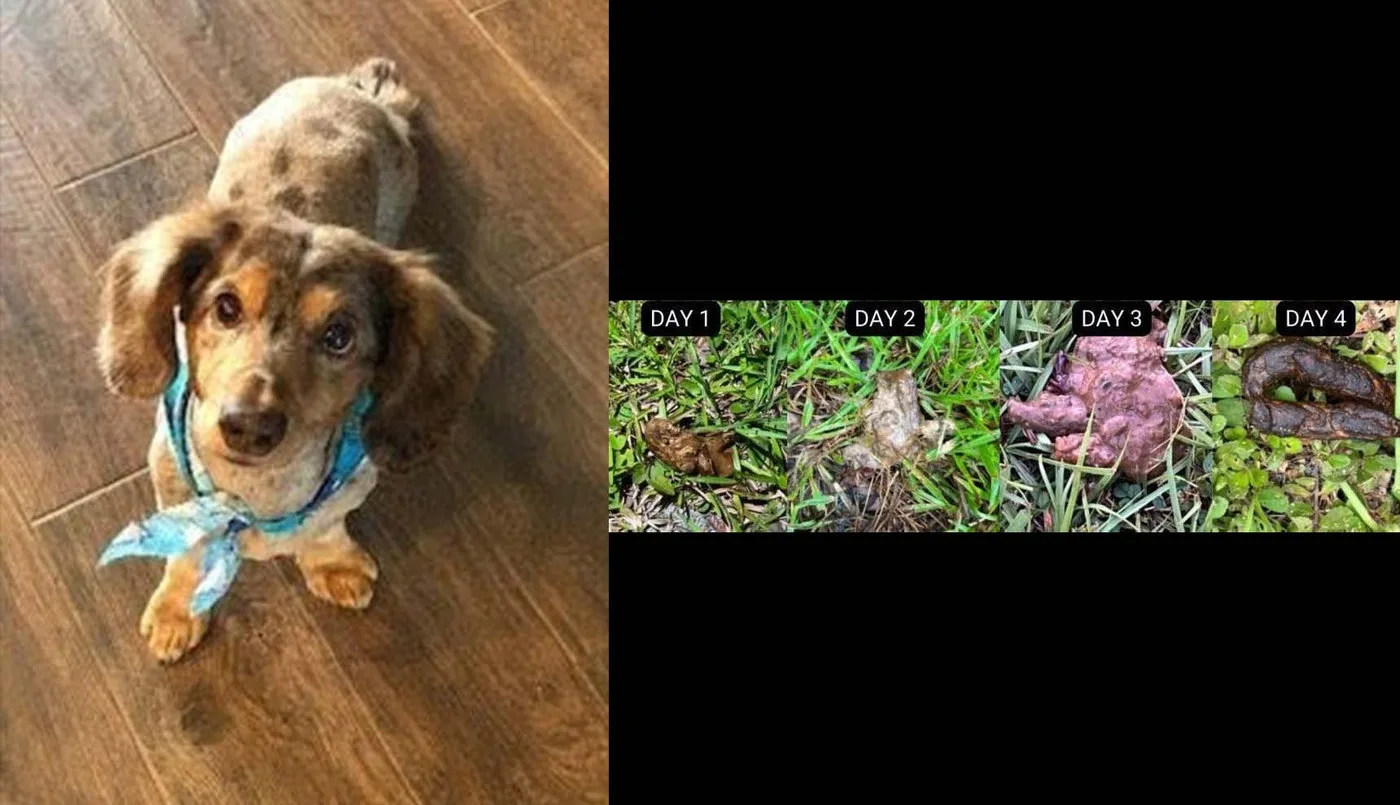
Cookie’s Journey: Cookie, a dachshund, struggled with chronic IBD and endured recurring digestive issues 2-3 times a week for 4 years. Despite following a conventional treatment plan. The traditional approach failed to provide lasting relief, and he continued to suffer from frequent flare-ups and discomfort. However, after switching to a raw diet, incorporating digestive enzymes, and undergoing fecal matter transplantation, Cookie’s bowel movements normalized within days, and his quality of life dramatically improved.
Conclusion: Empowering Pet Parents For Better Health
Epigenetics (lifestyle) accounts for 95% of why pets get debilitating GI dis-ease. Genetics (having bad genes) accounts for 5% of cases. By adopting a holistic approach to pet health, pet parents can help their furry companions overcome chronic gastrointestinal issues and, better yet, prevent health challenges!
Become an empowered pet parent today by taking The Empowered Pet Parent Course! Module One Is Free: Go to www.transformingvetmedicine.com
Disclaimer:
Contributor content reflects the personal views and experiences of the author and does not necessarily represent the views of Biohack Yourself Media LLC, Lolli Brands Entertainment LLC, or any of their affiliates. Content is provided for editorial, educational, and entertainment purposes only. It is not medical or dental advice. Always consult qualified professionals before making health decisions. By reading, you agree to hold us harmless for reliance on this material. See full disclaimers at www.biohackyourself.com/termsanddisclaimers