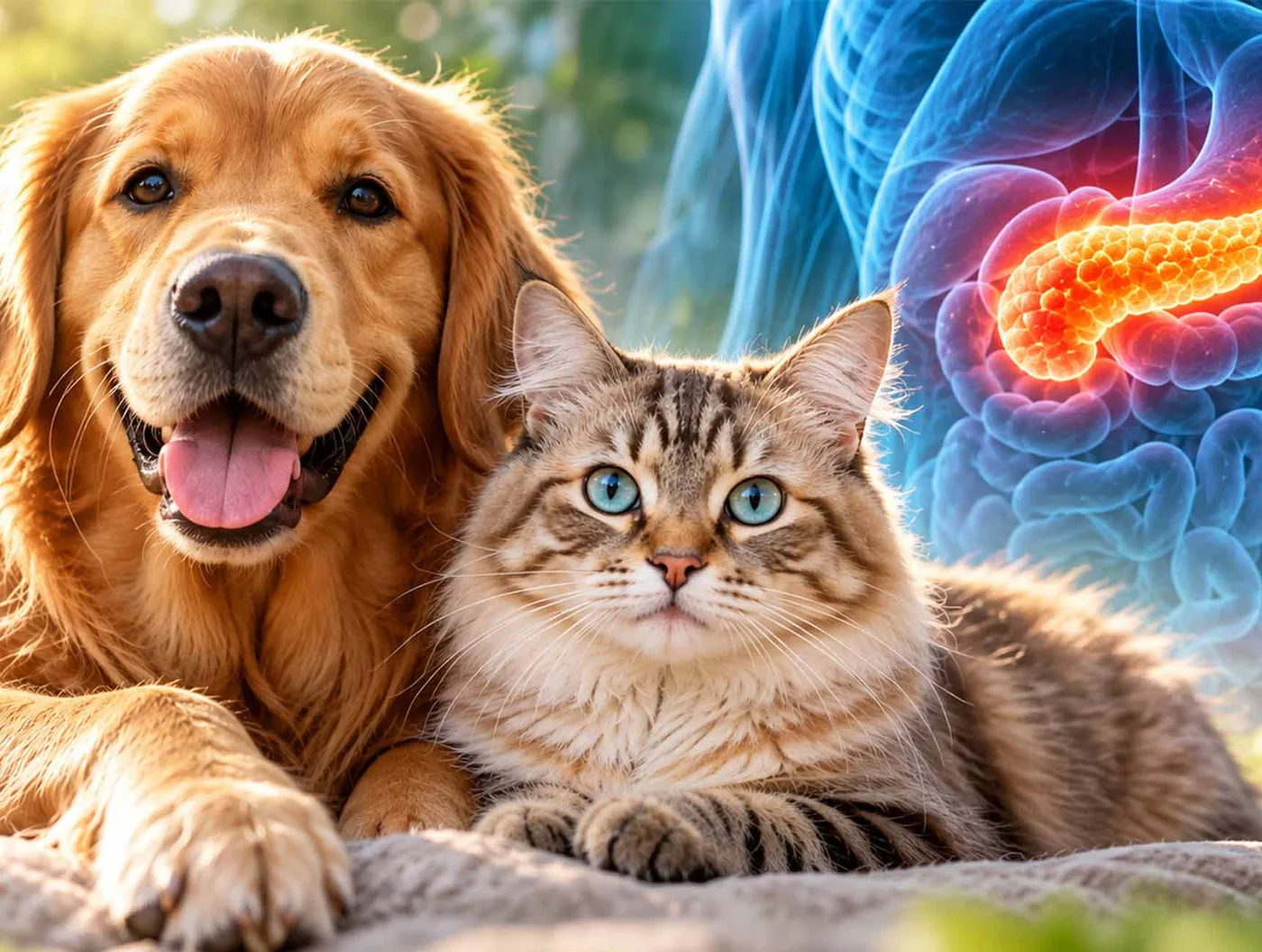
Though any dog or cat can develop pancreatitis, Miniature Schnauzers, Yorkshire Terriers, and Dachshunds are particularly susceptible to this condition.
Siamese cats are commonly reported to be more susceptible to pancreatitis and other gastrointestinal issues. Also, cats related to the Siamese, such as Oriental Shorthairs, may also have a higher risk.
The disease can range from acute to chronic, and severe cases can be life-threatening.
What is Pancreatitis?
The pancreas is an organ responsible for producing enzymes for digestion and hormones like insulin.
- Dogs are scavenger carnivores; they are ideally designed to eat a diet of raw meat, fat, bone, and organ meat in a proper ratio.
- Cats are obligate carnivores, meaning their bodies are biologically designed to thrive on a diet of high-protein animal-based foods. Their natural prey-based diet includes raw meat, fat, organs, and small amounts of pre-digested carbohydrates from their prey’s stomach contents.
Processed dry pet food is enzymatically dead (this is also true for canned food too), and it is exceedingly high in carbs, and if not organic, it is loaded with hormones, chemicals and pesticides.
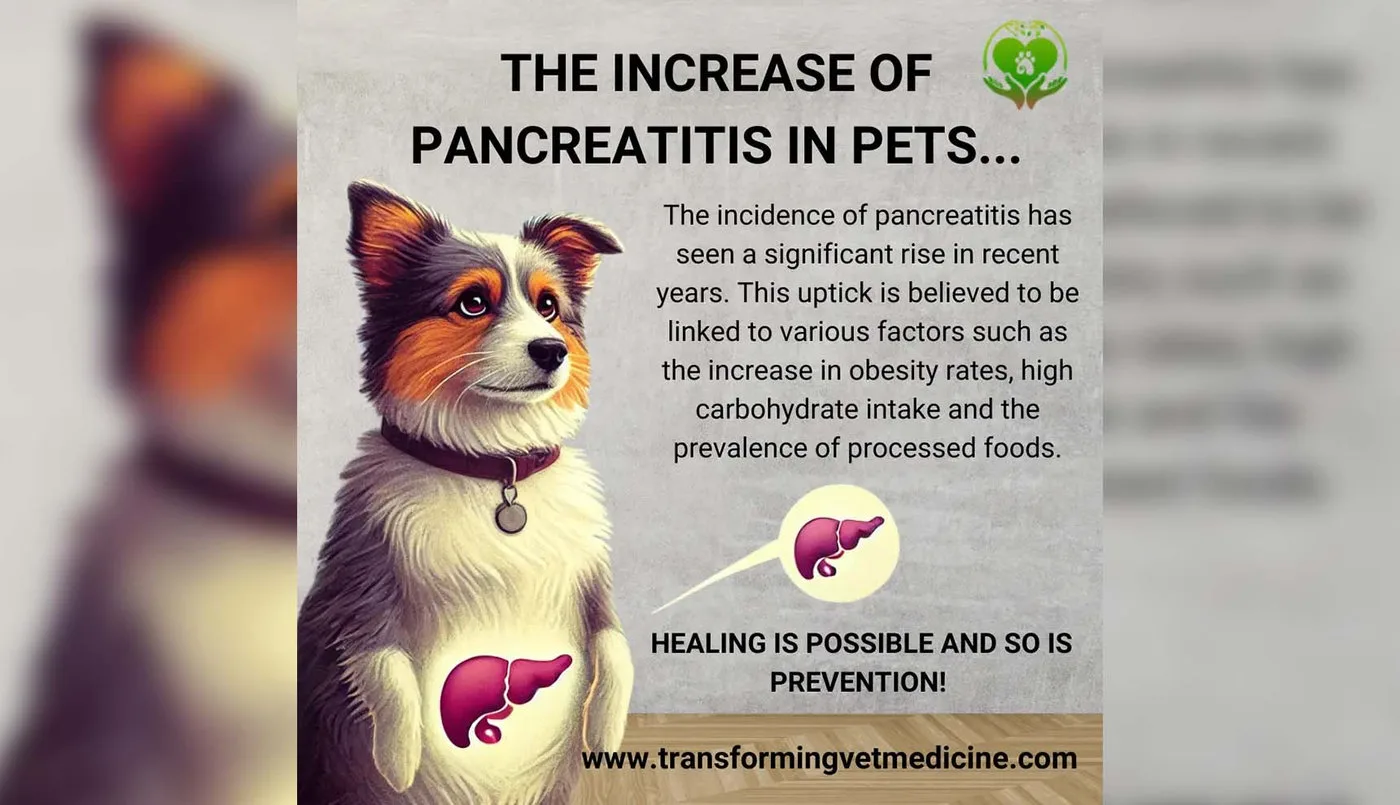
Since the natural enzymes in living food are destroyed in the processing, there is an increased strain on the pancreas to provide all the digestive enzymes. This, along with the constant demand for insulin to reduce the excessive carbohydrates, results in the pancreas becoming inflamed.
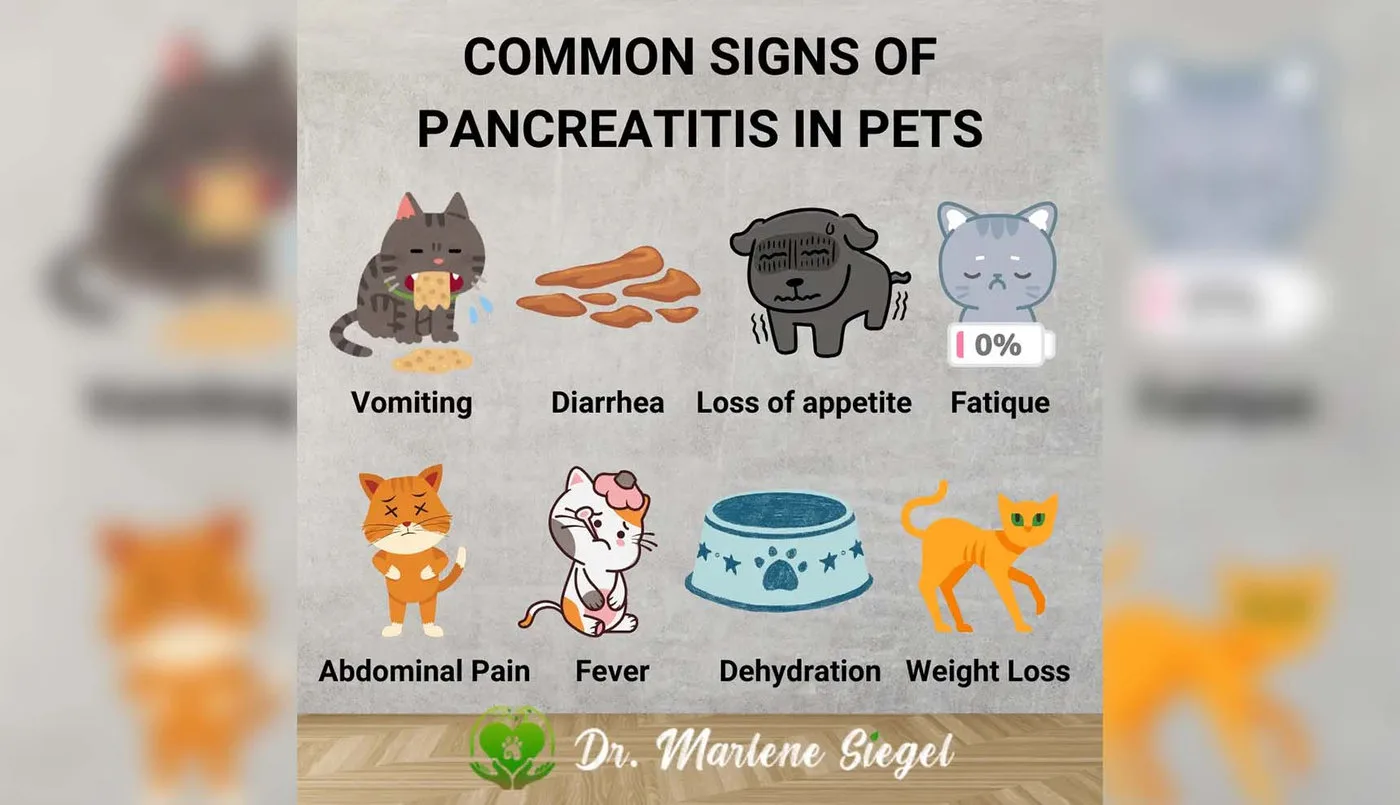
Pancreatitis can manifest as:
- Acute pancreatitis: Sudden and severe, requiring hospitalization and supportive care.
- Chronic pancreatitis: Recurrent or persistent inflammation that can lead to long-term damage.
How does Pancreatitis Develop?
Key contributors include:
- High-fat diets or sudden ingestion of fatty foods.
- Inappropriate diets such as kibble or processed foods.
- Obesity or metabolic disorders, including diabetes.
- Breed predispositions, with Miniature Schnauzers, Yorkshire Terriers, and Dachshunds at higher risk. This is similar for Oriental breeds of cats such as Siamese cats.
- Medications or toxins that stress the pancreas.
- Trauma or infections.
Prevention:
The traditional Western medicine approach is to recommend a “special diet” to manage the condition. Sadly, these so-called therapeutic diets are highly processed and exceedingly high in carbohydrates (sugar), grains, fillers, hormones, chemicals, and pesticides (glyphosate), ingredients that contribute to pancreatitis.
The Holistic Solution
The holistic approach addresses the root causes of pancreatitis, rather than masking and suppressing symptoms with specialty diets. Integrative strategies focus on improving overall health, testing for deficiencies and toxicities, reducing inflammation, and supporting digestion and the gut microbiome. The following are strategies for prevention:
Stop doing the things that are contributing to the problem!
- Feed a Species-Appropriate Diet
- Maintain a Healthy Weight
- Avoid Table Scraps
- Support Digestive Health
- Address Inflammation
- Reduce Toxins
- Regular Vet Check-Ups
Take Action!
Don’t let fear or old belief systems dictate your pet’s health. A raw, species-appropriate diet has helped millions of dogs and cats recover from pancreatitis and live full, vibrant lives.
Take the Empowered Pet Parent Course and learn how to implement a lifestyle that will help your fur baby thrive!
Get the course now click here!
Disclaimer:
Contributor content reflects the personal views and experiences of the author and does not necessarily represent the views of Biohack Yourself Media LLC, Lolli Brands Entertainment LLC, or any of their affiliates. Content is provided for editorial, educational, and entertainment purposes only. It is not medical or dental advice. Always consult qualified professionals before making health decisions. By reading, you agree to hold us harmless for reliance on this material. See full disclaimers at www.biohackyourself.com/termsanddisclaimers