Demystifying Cancer In Dogs And Cats
Cancer is not an outside enemy that invades the body; it is the patient's own cells that have gone rogue because the conditions (the terrain) have become inhospitable. All cancers result from a combination of four conditions:
- Deficiencies of essential nutrients that the body needs in order to function properly. These include essential vitamins, minerals, fatty acids, and amino acids.
- Toxicities to the level that overwhelm the body's organs of elimination, resulting in dis-ease.
- Mitochondrial dysfunction resulting in inadequate energy production (ATP) and inhibited communication with the microbiome.
- Trapped Emotions have been shown to be associated with all diseases. There is significance to the tumor type, its location in the pet’s body, and the owner's emotional state. Oral tumors may be associated with owners who are close-minded, challenged to receive new ideas, or have trouble expressing their needs and desires.
In most cases, there is a combination of deficiencies and toxicities.
Oral cancer in pets, especially dogs, is common.
Statistics In Dogs:
- Oral tumors make up 6-15% of all tumors in dogs.
- Melanomas are the most common, accounting for up to 30% of cases.
- Melanomas are highly aggressive tumors with a high likelihood of early metastasis (primarily to lymph nodes and lungs) in 50-80% of cases.
- Squamous cell carcinoma (SCC) is another frequent neoplasm, representing 25% of oral tumors. SCC is also known for its aggressive local invasion.
- Fibrosarcoma in dogs are somewhat less common than melanomas and SCC but are still significant; they are locally aggressive and often affect older dogs. Oral fibrosarcomas account for up to 8-10% of all oral tumors. These tumors are typically aggressive locally, often infiltrating surrounding tissues and bone, making complete surgical removal challenging. They have a high tendency to recur locally even after surgery. Certain large breeds, like Golden Retrievers, are more predisposed.
Statistics In Cats:
- Oral tumors account for 3-10% of all tumors.
- Squamous cell carcinoma (SCC) is the most common, making up 70% of cases, and is extremely aggressive, with the potential to cause significant destruction to nearby tissues, including bone.
- Fibrosarcoma in cats, though less common than SCC, are the second most frequent type. Like in dogs, feline fibrosarcomas are aggressive but tend to metastasize later than other types. They commonly affect middle-aged to older cats. Fibrosarcomas are sometimes associated with injection sites, especially vaccines, making this a unique risk factor for feline cases.
Other types of oral tumors in pets:
- Acanthomatous Ameloblastoma (previously called acanthomatous epulis): A benign but locally invasive tumor arising from the periodontal ligament. It typically affects the gums, particularly in the lower jaw of dogs. Although benign, it can invade the bone and cause significant oral discomfort, requiring surgical removal.
- Peripheral Odontogenic Fibroma: Another benign tumor formerly categorized under "epulis," arising from periodontal tissues. It grows slowly and is less invasive than acanthomatous ameloblastoma. This tumor generally affects the gums and is more common in older dogs.
- Osteosarcoma of the Jaw: Though osteosarcoma commonly occurs in limbs, it can also affect the bones in the jaw. Oral osteosarcoma in pets is particularly aggressive and can invade local structures, with a risk of metastasis to the lungs and other organs.
- Chondrosarcoma: A rare type of cancer that arises from cartilage cells and can occur in the jaw or other areas of the skull. It tends to be less aggressive than osteosarcoma but can still invade nearby tissues and cause discomfort.
- Undifferentiated Sarcomas: These are less common, aggressive soft tissue tumors that can originate in various oral tissues. They are challenging to classify under standard types and may have varied behaviors depending on their location and growth patterns.
- Papillomas: Usually benign growths caused by papillomavirus. Papillomas appear as small, wart-like lumps in the mouth, often seen in young dogs. Although not malignant, they may cause irritation or lead to infection.
Early cancer detection is crucial, as the 5-year survival rate for pets with untreated oral cancers is less than 20%. With an integrative approach, however, survival rates and quality of life can improve dramatically.
Western Approach: Diagnostics for Oral Tumors
Typically involves:
- A thorough physical exam
- Preoperative blood work (CBC, Chemistries, Thyroid, and UA)
- A fine-needle aspirate or a biopsy of the mass.
- Imaging (X-rays, CT, or MRI) may be warranted to evaluate the extent of bone involvement and dissemination of the mass.
Western Treatment Options: Surgery, Radiation, and Chemotherapy
Surgical resection is the primary treatment for many oral tumors in pets, aiming to remove as much of the tumor as possible with clear margins. In some cases, this involves a mandibulectomy or maxillectomy (removal of part of the jaw), which, while somewhat effective, can lead to disfigurement, pain, and reduced quality of life, deterring many pet owners from pursuing it.
For pets diagnosed with melanoma, fibrosarcoma, or squamous cell carcinoma, survival outcomes vary depending on the type of tumor and the treatments used:
- Melanoma: Surgery is the primary approach for controlling local melanoma tumors in Western medicine, with dogs often achieving 1-2 years of survival if complete resection is possible. However, due to melanoma’s high potential for spreading, chemotherapy and radiation may add limited survival benefits, generally extending life by 6-12 months post-treatment (3)
- Fibrosarcoma: In Western medicine, surgical removal is also standard for fibrosarcoma. If wide margins are obtained, survival may extend to 1-2 years, but local recurrence is frequent. Radiation therapy can be used if surgical margins are insufficient. Chemotherapy generally has a limited impact on survival for fibrosarcoma, unless there is a high risk of metastasis (3)
- Squamous Cell Carcinoma (SCC): In western medicine, outcomes depend heavily on the SCC’s location. In oral SCC, early surgical intervention can lead to survival of 1-2 years, with radiation providing additional control if resection is not complete. Chemotherapy may be used to address metastatic concerns, but its effect on survival varies.
When surgery does not completely clear the tumor or if it is inoperable, radiation therapy may be used, though it has side effects such as tissue damage in surrounding areas. Chemotherapy is another option, especially for aggressive melanomas, but often not curative.
A Bioregulatory Approach To Cancer
Tests for everything a Western practice does but also seeks to identify and resolve the root cause(s):
- Cancer markers: Thymidine Kinase 1 (TK1) is involved in cellular proliferation through the recovery of Thymidine in the DNA salvage pathway. TK1 is a good marker for identifying growth in certain cancers, as it is elevated in actively dividing tumors. It is also a useful marker for monitoring therapeutic efficacy. As the tumor burden goes down, TK1 goes down.
- Systemic Inflammation: Canine C-Reactive Protein (cCRP) measures inflammation.
- Nutrient deficiencies: Vitamin D and Magnesium play a vital role in the innate immune system. University studies have shown that 85% of animals eating a kibble diet are vitamin D-deficient. In my experience, doing nutrient testing on thousands of animals over the last 5 years, almost 90% of the animals tested that were eating a kibble diet had multiple significant deficiencies in nutrients, including zinc, selenium, calcium, copper, Vitamin D, magnesium, and B vitamins.
- Toxicities: Over 85% of the animals I tested for heavy metals (arsenic, mercury, lead, cadmium, strontium, and antimony) had significant elevations in 4 or more heavy metals.
- Glyphosate is toxic even at low levels, melting the actin filaments in the tight junctions and inhibiting mineral absorption. Every animal I have tested has been positive for some level of glyphosate.
- Testing for mutations in oncogenes and tumor suppressors is a new concept in veterinary medicine. Canine tumors share mutational hotspots with human tumors in oncogenes, including PIK3CA, KRAS, NRAS, BRAF, KIT, and EGFR. Companies then study which chemotherapeutic drug is most effective against the gene mutation, guiding the treatment options with more precision. The downside of this technology is that at this time, only chemo drugs are being studied for efficacy against various gene mutations. I trust that in the future, biomarkers will be found that allow testing on safe and effective alternative therapies as well.
The Expanded Tool Kit
The traditional “tool kit” (Surgery, Chemo, and Radiation) is insufficient to meet the challenges of today's turbo cancers. Other safe and effective options include:
- Ozone Therapy: There are thousands of published articles citing the use of ozone in cancer therapy. It turns on over two hundred anti-inflammatory pathways, can improve oxygenation, and stimulate the immune response. Improved cellular oxygen levels result in an environment less favorable for tumor growth. Common methods of administration include intravenous (MAHT), intramuscular (mAHT), intralesional, subcutaneous, and rectal.
- Photodynamic Therapy (PDT): PDT uses a photosensitizer (like curcumin, riboflavin, indocyanine green, or Vit C, to name a few) that is taken up by the abnormal cells. When the specific wavelength of light that activates the compound is introduced, it makes the compounds more enzymatically active. This results in free radicals that induce cancer cell death. Research has shown that PDT can also stimulate immune cells such as neutrophils and macrophages, potentially boosting the body's natural defenses against cancer. This immune-stimulating effect makes PDT appealing in integrative cancer care.
- Methylene Blue: Systemic use in cats is limited. Traditionally used to treat methemoglobin, it can cause toxic effects, including haemoconcentration, hypothermia, acidosis, hypercapnia, hypoxia, increases in blood pressure, changes in respiratory frequency and amplitude, corneal injury, conjunctival damage, and Heinz body formation. It can be used topically in dogs and sparingly in cats with oral tumors due to its photodynamic activity. Methylene blue is activated by specific wavelengths of light, which produce reactive oxygen species that can selectively destroy cancer cells. It also activates the 4th activation center in the Krebs cycle, improving mitochondrial activity. Using methylene blue topically is increasingly explored in oncology for its lower toxicity, making it useful for delicate areas like the oral cavity, where many traditional therapies pose higher risks.
- Hyperbaric Oxygen Therapy (HBOT), when used in conjunction with antiangiogenic supplements, improves oxygen concentration levels, making the environment less favorable for cancer tissue to grow.
- Supplements that target anticancer pathways are effective adjunct therapies. These include Nitrilosides like B17, Salvestrols (natural phytochemicals produced within plants, which are metabolized by the CYP1B1 enzyme, which then produces metabolites that are anti-cancer agents), Mushrooms, CBD, Low Dose Naltrexone, and Mistletoe.
- Immune Modulation: Therapies that stimulate the immune system to recognize and attack cancer cells are increasingly part of veterinary oncology. By enhancing the immune system’s detection of cancer, immune modulators can help slow disease progression, particularly in combination with other treatments that target tumor cells directly.
- Targeted Gene Therapy: Gene therapy approaches aim to correct or modify genetic mutations that drive cancer growth. Targeted gene therapy has shown potential in reducing tumor growth by delivering therapeutic genes directly to cancer cells, leaving normal cells less affected. This specificity minimizes the adverse effects seen with broader treatments like chemotherapy and radiation.
- Checkpoint Inhibitors: These drugs block proteins that tumors use to evade immune detection, helping T-cells attack cancer cells. They are being explored in veterinary medicine, showing promising results in dogs, particularly for melanoma.
- Immunotherapy: This approach utilizes the body’s immune system through various modalities, including monoclonal antibodies, cancer vaccines, and cytokine therapy. It is often less toxic than traditional chemotherapy and has demonstrated effectiveness in treating various cancers.
- Targeting Biological Pathways: Focusing on specific molecular pathways and mutations in cancer cells allows for personalized treatments, with combination therapies enhancing effectiveness.
Cast Studies:
Bentley’s journey - Squamous Cell Carcinoma:
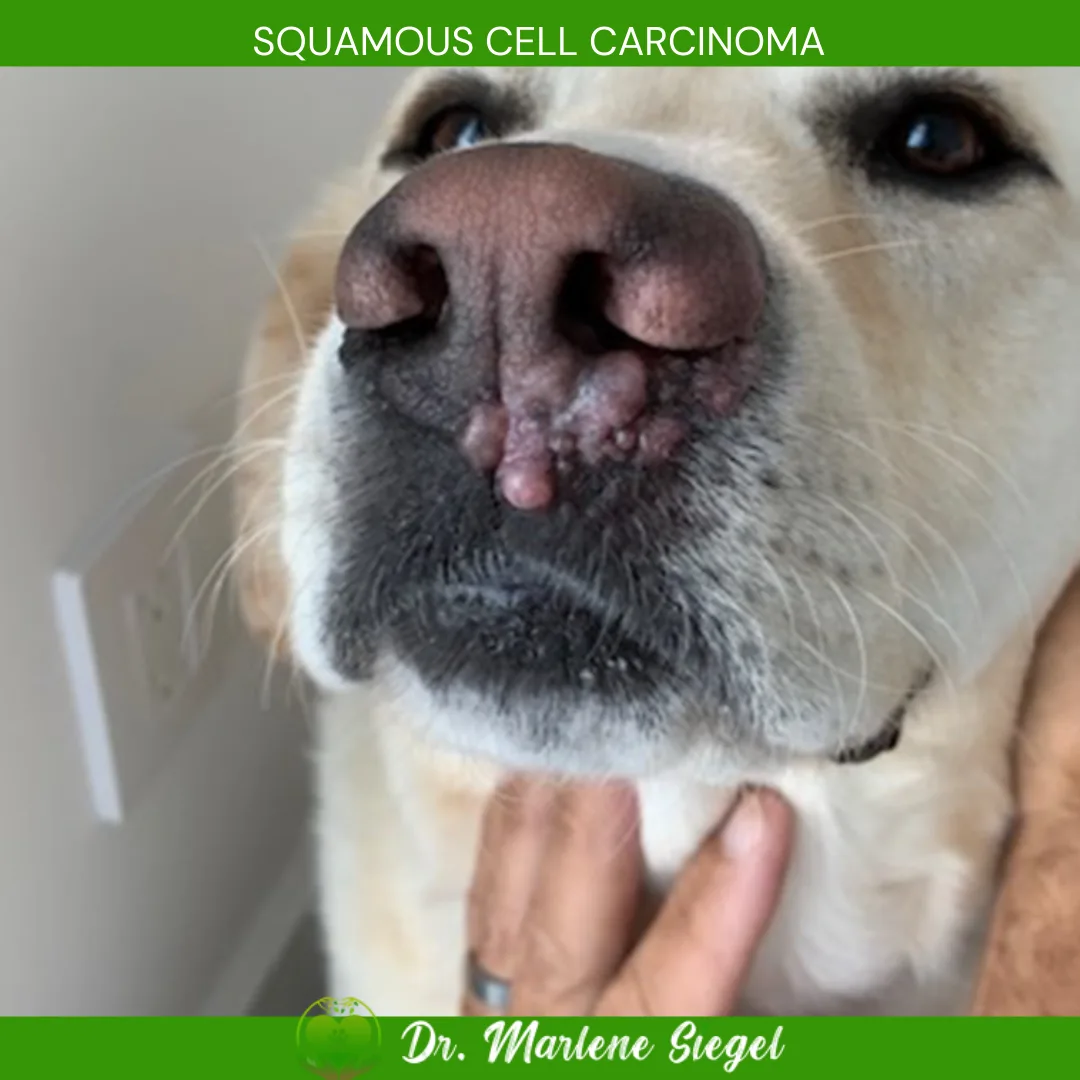
Image 1 - Caption 1: Bentley, diagnosed with squamous cell carcinoma involving the muzzle, roof of the mouth, and lymph nodes. He was treated with integrative therapies that supported his healing while maintaining his quality of life.
Bentley was a five ½ year-old male neutered yellow lab. The owners took him to their local vet after he developed facial bumps. The vet did not do a workup but treated with antibiotics and steroids. The lesions got worse, and his owners requested a biopsy. The results proved Squamous Cell Carcinoma.
The owners then sought the opinion of a board-certified veterinary oncologist, who told them the only option was to remove his nose, a choice they immediately declined due to the severity of disfigurement and discomfort this surgery would create.
They came to me looking for alternative options that would give Bentley an extended quality of life. His physical exam revealed multiple nodules around the muzzle and a small, ulcerated lesion in the roof of his mouth. A thorough workup revealed deficiencies in Vitamin D, selenium, zinc, magnesium, and copper. He had elevated toxic metals, including strontium, antimony, mercury, and lead.
Bentley was converted from a kibble diet to a grass-fed/grass-finished raw diet with the appropriate vitamins, minerals, and fatty acids. Go to www.evolovestore.com for more information on the products Bentley was taking.
He began weekly detoxification. His treatment day began with the promotion of a parasympathetic state using a special PEMF device. There was a special focus on detoxification of the liver and lymphatics/ fascia.
Some of his immune-supporting supplements included Salvestrols, Black seed oil, CBD, LDN, and mushrooms.
Specific products were used to reduce inflammation and heal the leaky gut.
Cancer therapies included IV and rectal ozone, high-dose Vitamin C, IV and intralesional ICG and other photoactivators, followed by intravenous and topical photodynamic therapy.
Hyperbaric oxygen, Halo therapy, infrared therapy, light and gemstone therapies, energy work, chiropractic adjustments, mistletoe, homeopathy, and topical applications of Neoplasene or 5 ALA were also implemented. The owner applied Methylene Blue at home and photoactivated it with a laser red light.
Bentley’s progress was monitored with TK1 and cCRP. Spikes and drops correlated with the tumor response (necrosis) and reduction of the tumor burden. The lesion on the roof of the mouth resolved in a few months. He developed an SQ nodule in the region of the prescapular LN. This mass was removed, and histopathology confirmed it was SCC with a majority of the tumor being necrotic (it appeared the therapies were effective). Over the following 15 months, the facial lesions got extremely aggressive and then quickly resolved. The upper lip had severe ulceration and destruction, yet the incredible resilience and regeneration of the lip, including repigmentation, was miraculous to see.
It is critically important to note that the #1 concern the owners had for Bentley was that he maintained his quality of life. If at any point he was suffering, they wanted to euthanize.
During Bentley's entire treatment period, he ate well (he LOVED his raw food), was bright and active, clearly indicating he was enjoying quality of life.
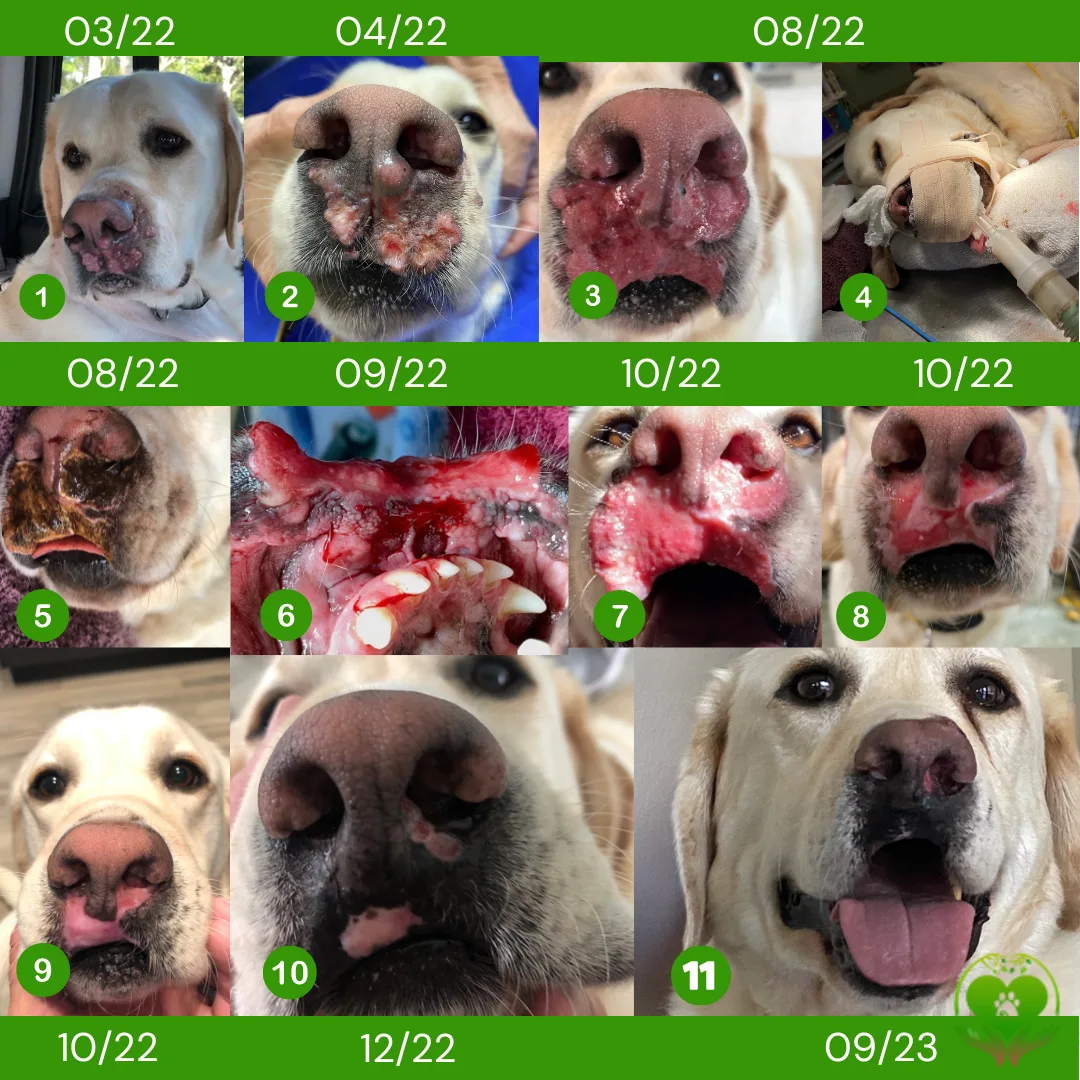
Image 2.Caption 2:
1. Lesions at presentation
2. Therapies destroying lesions but new one continued to appear
3. No longer seeing individual lesions, it became a confluent ulcerated region
4. General anesthesia was required each week to apply topical therapy
5. Achieved good tumor destruction after topical therapies
6. View of the underside of the upper lip showing the deep erosion of the lip
7. Front view of the upper lip. No new lesions. Granulation tissue filling in.
8. Tissue healing and wound contracture.
9. Continuing wound healing and repigmentation of the upper lip.
10. Lip has reformed and almost fully repigmented.
11. 18 months from onset of therapy.
Beau’s journey - Oral Melanoma:
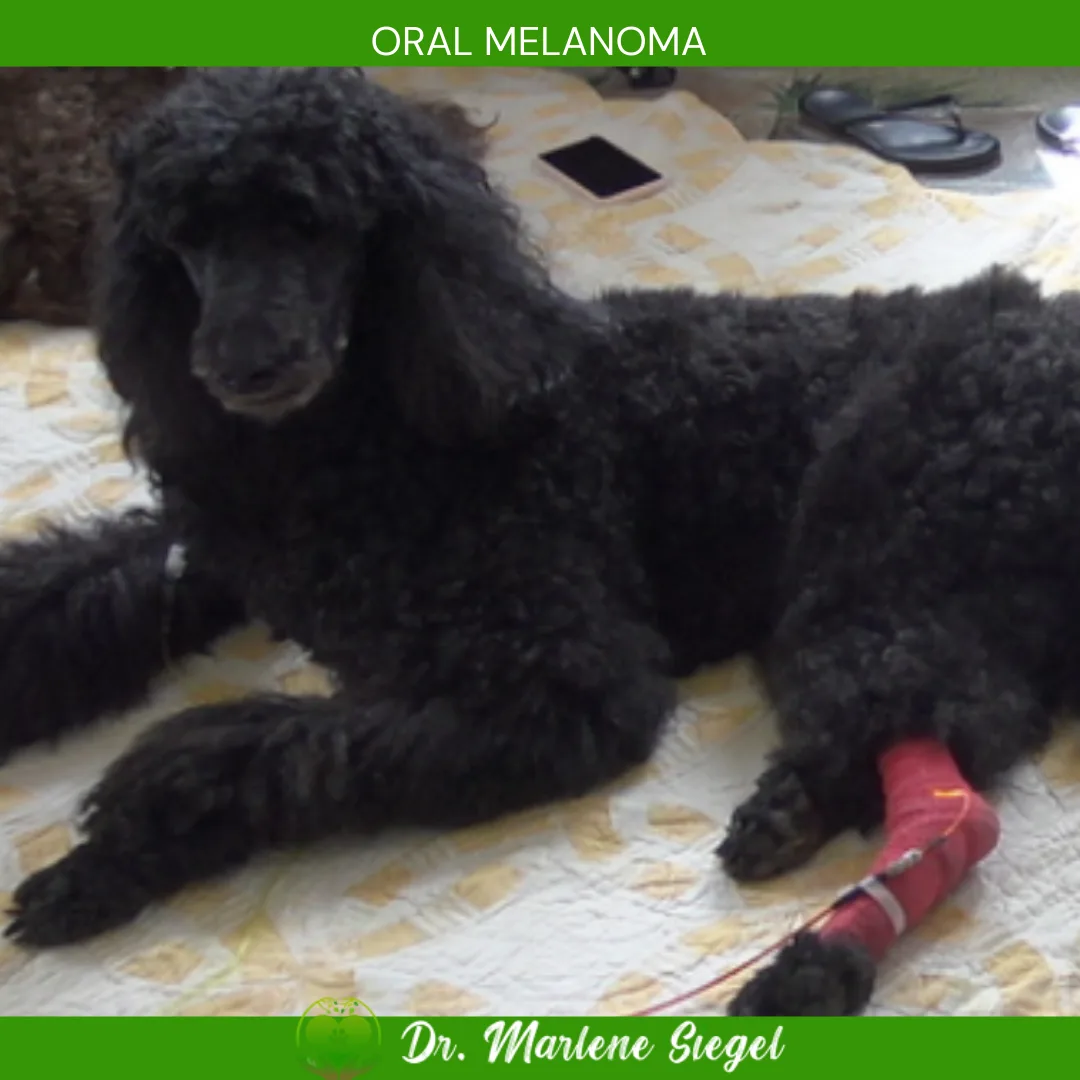
Image 3 and caption 3: Beau, was diagnosed with oral melanoma after successful resolution of an anal sac carcinoma a year earlier.
Beau was a 12-year-old standard poodle that presented for an anal sac carcinoma. A full diagnostic workup similar to Bentley’s was performed. The anal sac tumor was surgically resected, and he underwent 10 weeks of detoxification and photodynamic therapy as described for Bentley. He transitioned to a raw diet with the proper essential nutrients and anticancer supplements.
Beau experienced no recurrence or metastasis of the anal sac carcinoma.
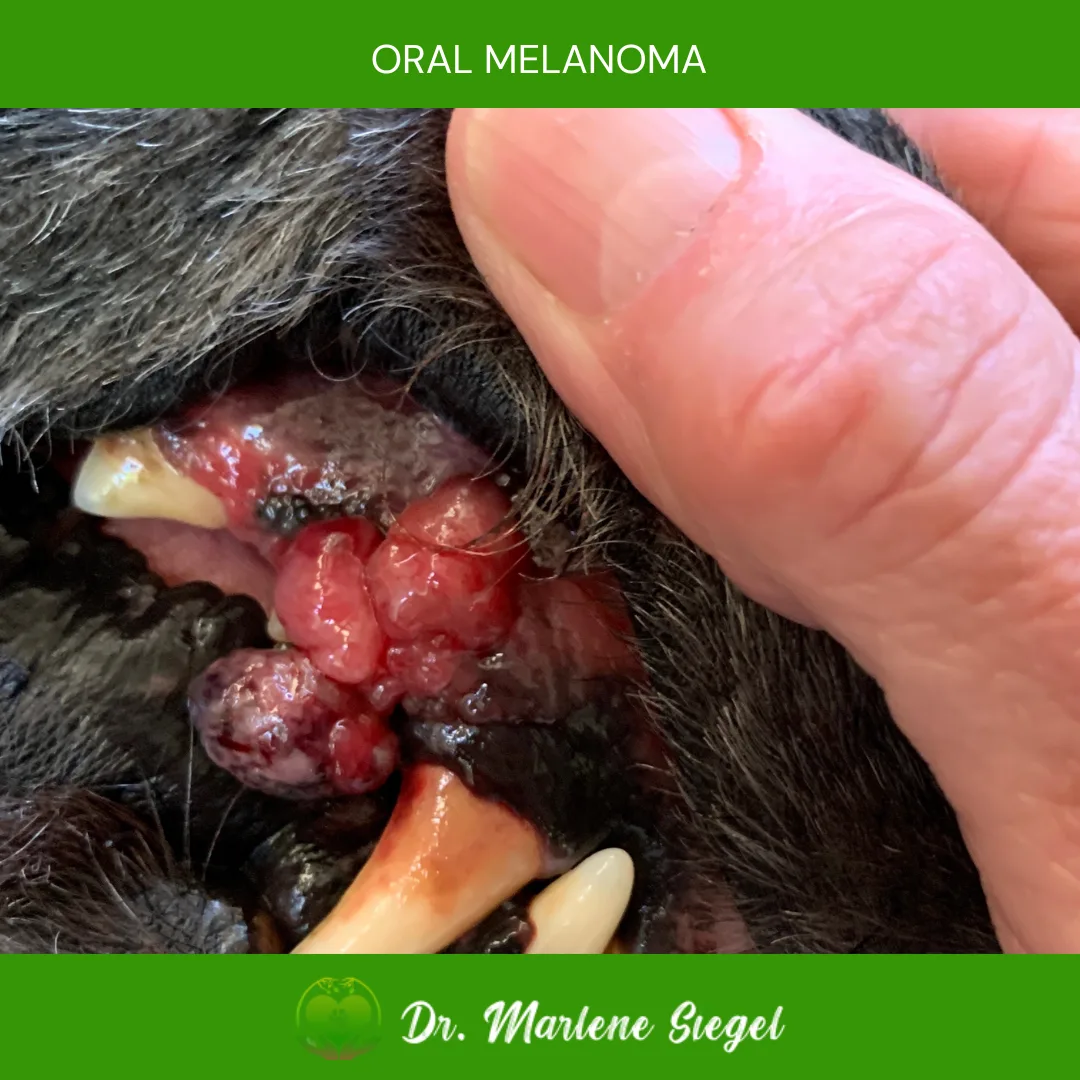
A year later, Beau developed an oral melanoma.
His treatment resumed with IV therapies, Photodynamic Therapy, detoxification, and supplements.
Oral melanoma is characteristically aggressive, growing quickly. For Beau, the area of the upper palate associated with the tumor became depigmented, but no evidence of tumor growth was observed for the remainder of his life (over a year).
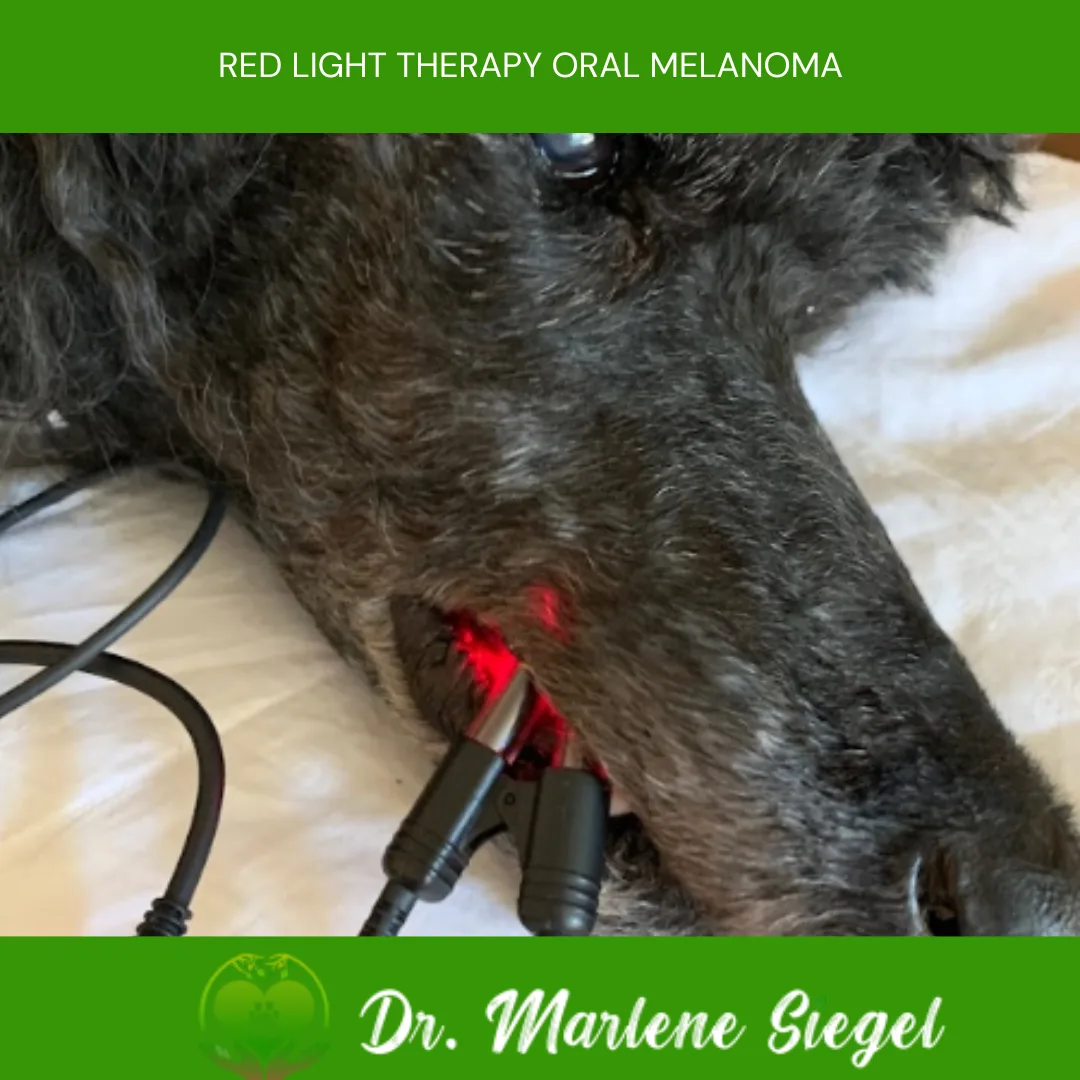
Image 5. Caption 5: Beau receiving topical PhotoDynamic Therapy with red light.
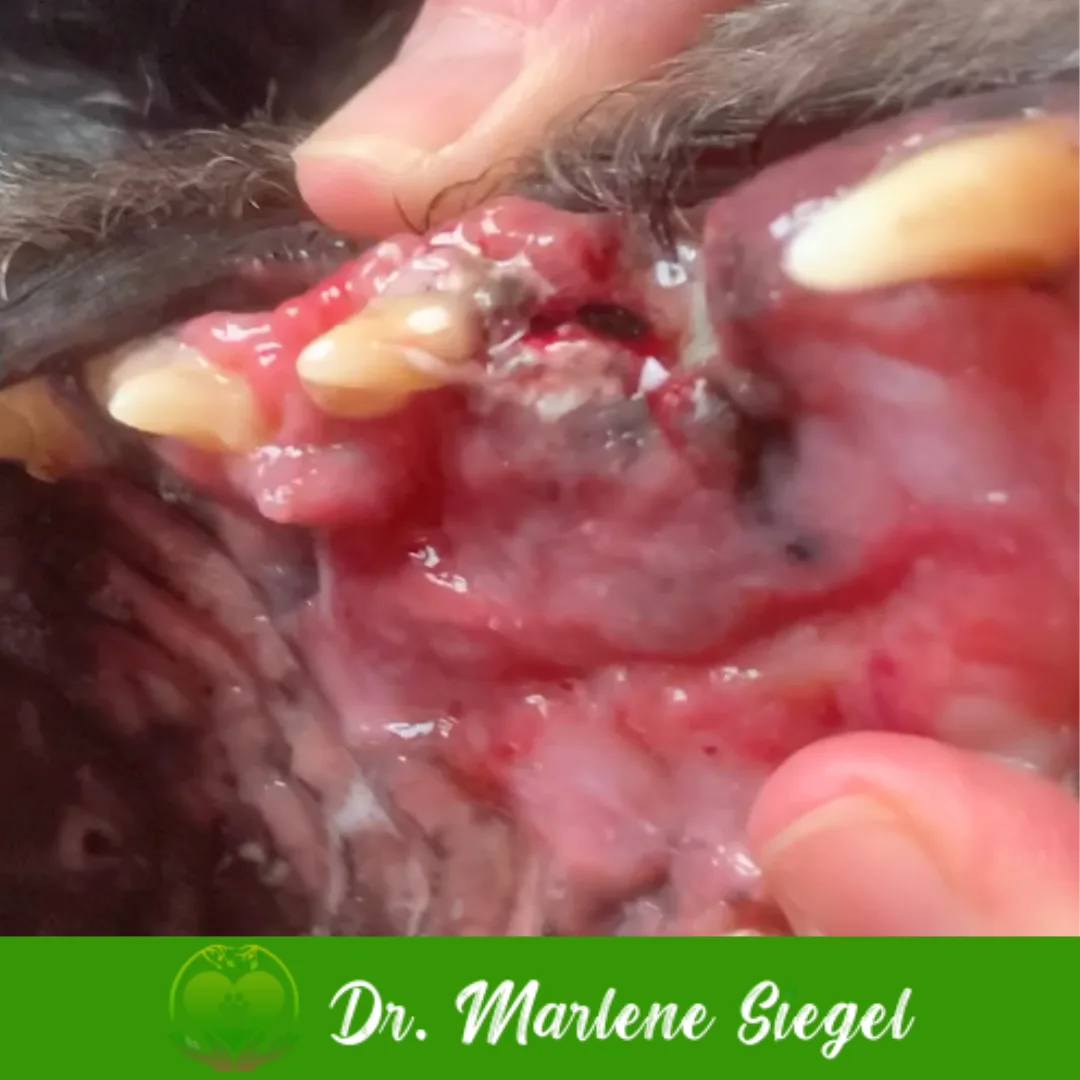
Image and Caption 6: The biopsy site (roof of the mouth). Though the tissue depigmented, no tumor ever grew back. Beau maintained 100% quality of life.
Maybelle's journey - Oral Fibrosarcoma:
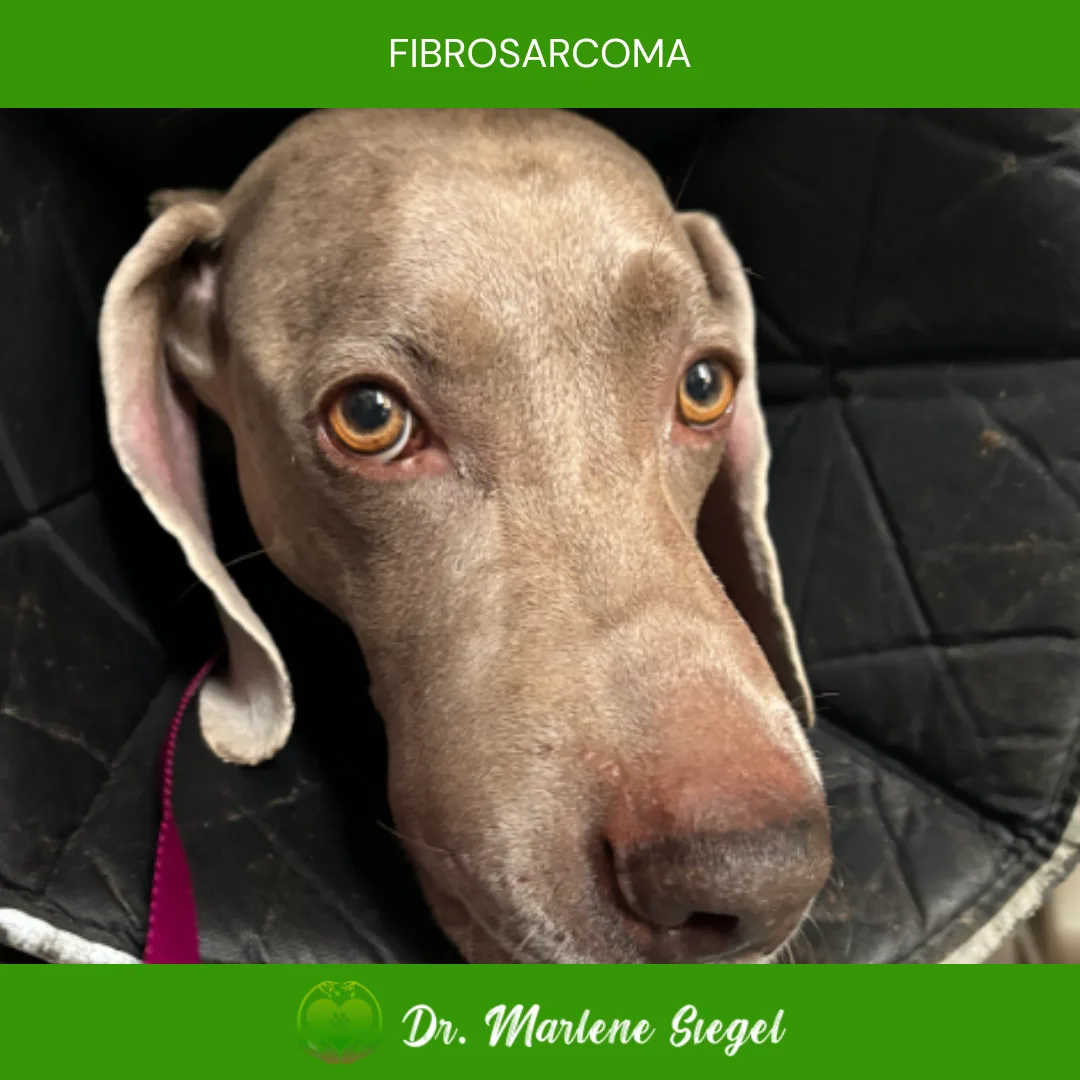
Image and Caption 8: After an initial gum tumor was removed by her primary DVM, the lesion quickly recurred. The client then sought a comprehensive integrative approach. I addressed her deficiencies and toxicities and combined advanced integrative therapies for a successful resolution in 15 weeks.
Maybelle presented to her primary veterinarian with a growth on her gum, lateral to her right upper canine. Her primary vet removed it, but did not perform other diagnostics or provide other therapies. The lesion returned within 3 weeks.
I performed a similar workup as with Bentley, identifying her deficiencies and toxicities. I removed the mass, sending it in for histopathology, and treated the surgery site with topical Neoplasene.
Maybell’s diet and supplement regimen, detoxification, and therapies were similar to Bentley’s, with modifications based on her test results. Maybell was deficient in Vitamin D, cobalamin, magnesium, and copper, and was below the mean on almost all the vitamins and minerals. She had low levels of arsenic, cadmium, mercury, and lead. Glyphosate levels were mild.
Her TK1 was elevated at presentation, indicative of a fast-growing tumor. As therapies progressed and the tumor regressed, TK1 dropped accordingly.
Maybell was also started on Immunotherapy IV and orally, along with a checkpoint inhibitor.
8 weeks into therapy, Maybell’s tumor was tested for gene mutations. 3 Biomarkers were identified in the following genes: BRAF, PTEN, and SETD2. A chemotherapy regimen for the BRAF mutation was added to the regimen.
As with most of the tumors we can physically see, the lesion became extremely aggressive. It grew so large in her mouth that it was inhibiting her ability to eat or close her mouth. I surgically debulked it and took the opportunity to reapply Neoplasene and inject the area with ICG.
No regrowth of the tumor has been observed since October. The roof of the mouth appears to be healing. Maybell is continuing to undergo therapy at the time of this publication.
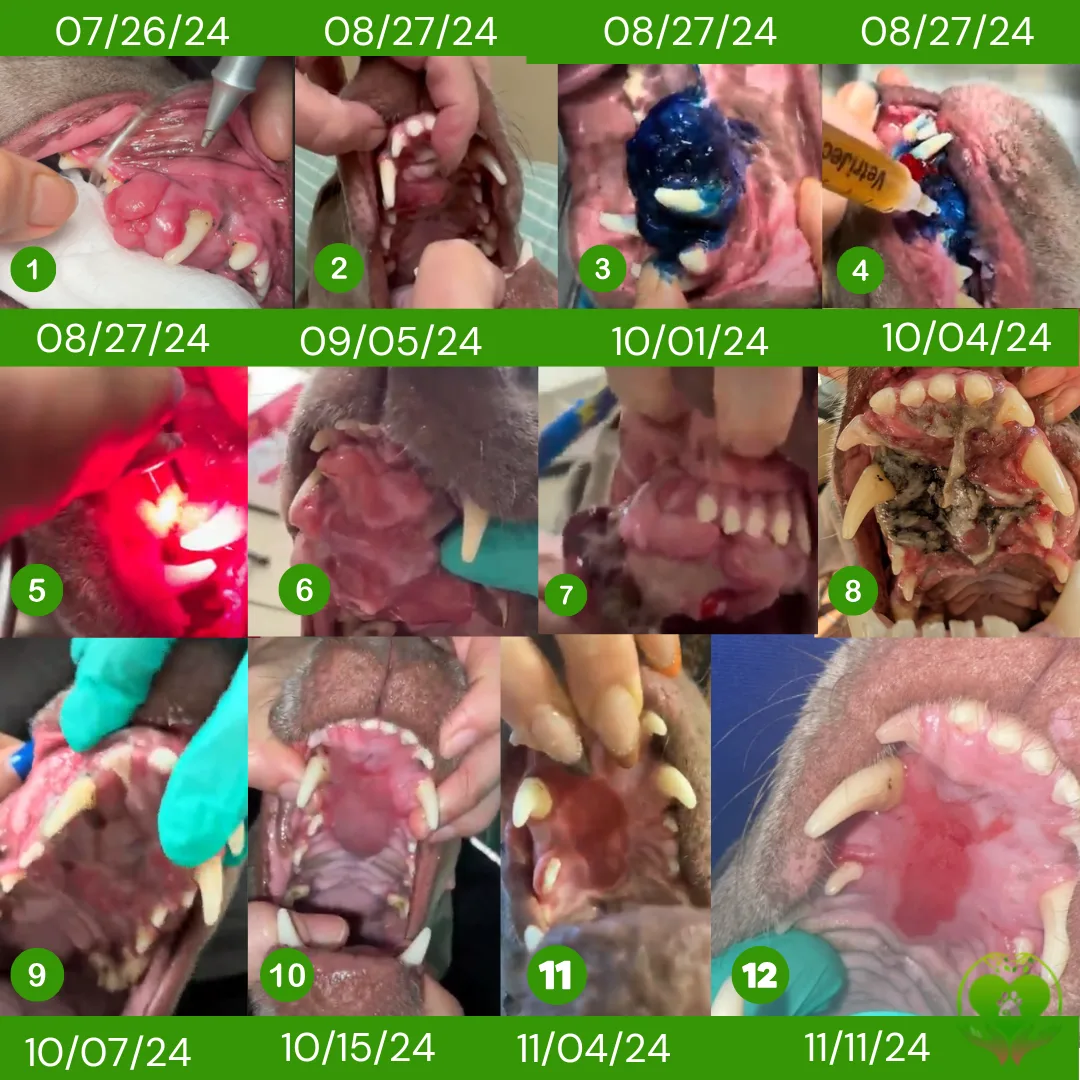
Image and Caption 9:
1. Onset of therapy. Resecting the tumor for the 2nd time.
2. Observing the response to topical Neoplasene applied after biopsy
3. Tumor slowly growing. Application of Methylene Blue topically.
4. Injecting the mass with injectable Neoplasene after applying Methylene Blue.
5. Photoactivating the Methylene Blue.
6. Tumor is slowly growing but also has areas of necrosis.
7. Preop- the mass is so large it is inhibiting eating and closing of the mouth.
8. 3 days post op. The dead tissue is the result of Neoplasene and ICG applied post op on 10/1/24.
9. The lesion on the roof of the mouth is still inflamed but not growing.
10. Inflammation is resolving, granulation tissue is contracting.
11. Continuing to see wound healing.
12. At the time of publication, the oral cavity continues to heal.
To Summarize An Alternative Approach To Cancer Therapy
- Take a thorough history, including past health challenges, diagnostics, and therapeutic outcomes.
- Assessing the owner’s belief systems and emotions regarding the journey ahead with their fur baby. Owners who are optimistic, coachable, open to learning, and have a positive outlook tend to have better outcomes than pet parents who are “victims,” stuck in fear, anger, blame, shame, or frustration.
- Complete a thorough physical exam- from the tooter to the snooter.
- Focus on improving the lifestyle factors (the epigenetic influences) that have contributed to the dis-ease. This includes diet, digestion, environmental toxin exposures, electromagnetic frequencies, and reframing negative beliefs the owners may exhibit.
- Thorough diagnostic tests (same as in Western medicine) plus identifying deficiencies and toxicities.
- Supplementing the essential nutrients.
- Support detoxification of all organs of elimination (kidney, colon, lungs, liver, skin, and lymphatics/fascia).
- Support the natural anticancer pathways in the body. This involves supplements and targeted therapies. Nitrilosides (Vitamin B17), Salvestrols, Betaglucans, Ozone, HBOT, Light Therapy, Assisted Lymphatic Therapy, Fascia Decompression, and more…
- Support mitochondrial biogenesis (make more and stronger mitochondria for maximum energy production and communication with the microbiome.
- Introduce targeted cancer therapies: The goal is to choose safe and effective therapies that allow the patient to maintain quality of life.
Too often, veterinarians are forced to tell their clients “there is nothing more that can be done”. We hear “cancer” and think “no hope”. But there IS more that can be done!
Treating cancer requires a multifaceted approach. We need to have a bigger tool kit and strategies that bring together body, mind, and spirit.
By focusing on restoring the body’s terrain, utilizing nature’s pharmacy, and integrating cutting-edge therapies, it is possible to not only extend the lifespan but also improve the quality of life for pets and their pet parents. This integrative approach provides the balance necessary to help the body move from surviving to thriving.
Disclaimer:
Contributor content reflects the personal views and experiences of the author and does not necessarily represent the views of Biohack Yourself Media LLC, Lolli Brands Entertainment LLC, or any of their affiliates. Content is provided for editorial, educational, and entertainment purposes only. It is not medical or dental advice. Always consult qualified professionals before making health decisions. By reading, you agree to hold us harmless for reliance on this material. See full disclaimers at www.biohackyourself.com/termsanddisclaimers