

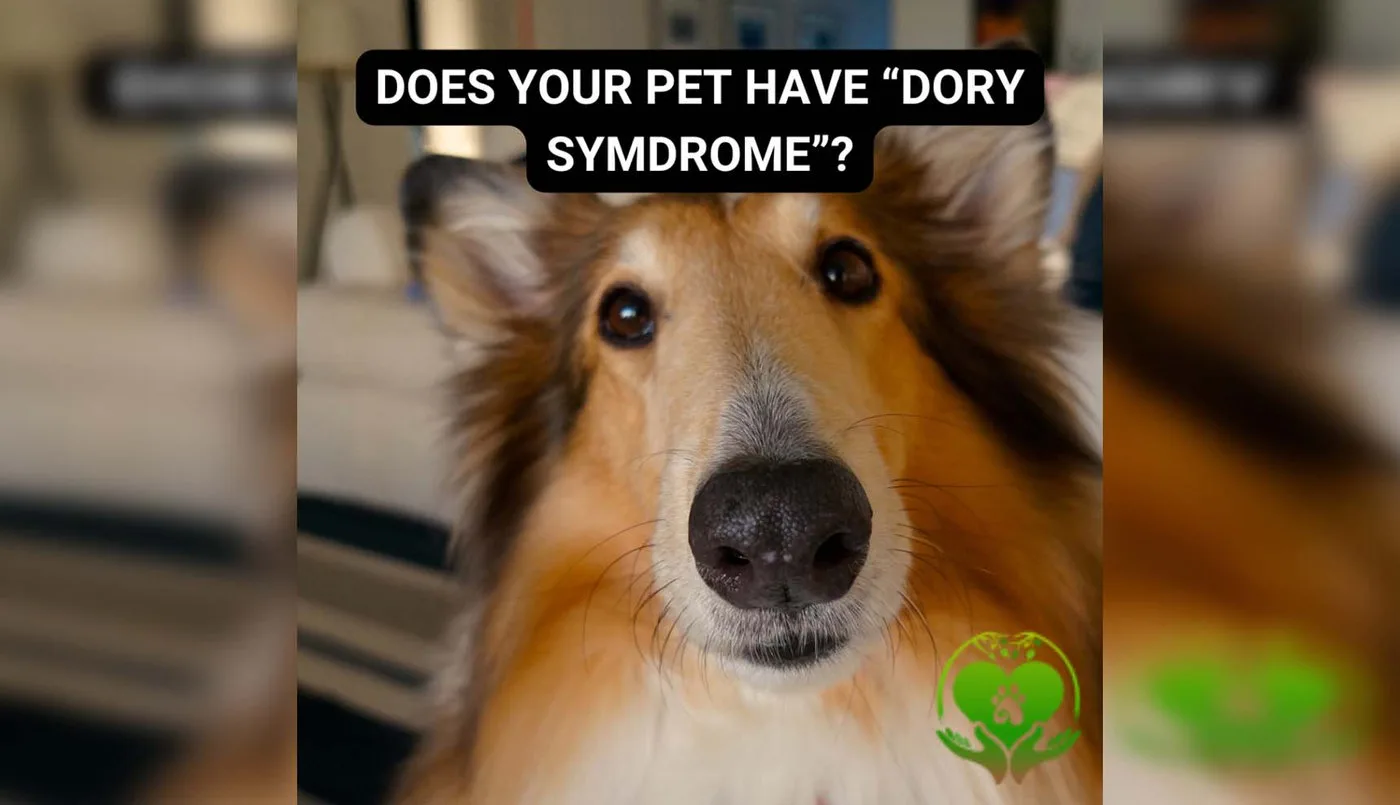
As advancements in veterinary medicine and pet care extend the lifespans of our fur babies, cognitive decline has become an increasingly common issue. Cognitive Dysfunction Syndrome (CDS) in pets, often compared to Alzheimer’s disease in humans, affects a significant portion of aging dogs and cats.
Alarming Statistics
- Studies estimate that 28% of dogs aged 11-12 years and 68% of dogs aged 15-16 years exhibit signs of cognitive dysfunction. (Landsberg et al., 2012)]
- Among cats, over 50% of those aged 15 years or older show some level of cognitive impairment. [(Gunn-Moore et al., 2007)]
- Certain breeds appear more predisposed to cognitive decline, with smaller breeds like Toy Poodles, Chihuahuas, and Dachshunds showing a higher incidence, potentially due to longer lifespans. Large breeds such as Labrador Retrievers and German Shepherds also show notable cases, though often diagnosed later due to shorter life expectancy.

Symptoms of Cognitive Dysfunction Syndrome (CDS) in Pets
Cognitive Dysfunction Syndrome (CDS) in pets presents with a range of behavioral and neurological symptoms, often mistaken for normal aging. The symptoms can be categorized into several key areas:
- Disorientation (Confusion & Memory Loss)
- Wandering aimlessly or staring at walls
- Getting “stuck” in corners or behind furniture
- Difficulty recognizing familiar people, pets, or environments
- Appearing lost in familiar surroundings
- Altered Sleep-Wake Cycles (Sundowning Syndrome)
- Increased restlessness at night (pacing, whining, or barking/meowing)
- Sleeping more during the day and staying awake at night
- Frequent nighttime waking and vocalization
- Changes in Social Behavior
- Increased clinginess or withdrawal from family members
- Decreased interest in affection or playtime
- Sudden aggression or irritability without an apparent cause
- House Soiling & Loss of Training
- Forgetting previously learned commands or house-training rules
- Urinating or defecating indoors despite being let outside
- Not signaling to go outside as they used to
- Anxiety & Increased Fear Responses
- New or increased sensitivity to loud noises
- Generalized anxiety, restlessness, or excessive panting
- Increased irritability, fearfulness, or unexplained aggression
- Decreased Activity & Cognitive Function
- Less interest in toys, walks, or problem-solving activities
- Difficulty learning new commands or routines
- Decreased responsiveness to their name or basic cues
- Compulsive or Repetitive Behaviors
- Pacing, circling, or walking in repetitive patterns
- Excessive licking or grooming (even to the point of hair loss)
- Head bobbing or staring into space for extended periods
Contributing Factors:
- Moisture: Hot, humid environments (like Florida) can contribute to ear infections. Bathing or swimming can leave ear canals damp, creating a bacteria-friendly environment.
- Wax Build-Up: Excessive wax can trap debris and allow bacteria to thrive.
- Excess Hair in the ear canal: Like wax, hair can trap moisture and debris.
- Yeast Overgrowth: Seen as varying degrees of black, pasty earwax. To properly diagnose this condition, veterinarians should perform an “ear cytology”, where they take some of the material, smear it on a microscope slide, and look under high microscope magnification. Often occurs when pets are fed processed diets or there is an underlying gut imbalance.
- Bacterial infections: The ear canal may develop a discharge. The diagnosis is made based on an ear cytology (and if warranted, a bacterial culture).
- Polyps: These benign growths, often found in the ear canal or middle ear, can cause persistent ear infections, discharge, head shaking, and discomfort. Polyps may obstruct airflow, trap moisture, and create an ideal environment for bacteria and yeast to thrive.
- Cancer: Malignant tumors in the ear can present symptoms similar to infections, including swelling, pain, persistent discharge, and resistance to standard treatments. Ear cancers can be associated with chronic inflammation, environmental toxins, and nutritional deficiencies.
The Role of Epigenetics in CDS
Traditionally, aging and cognitive decline were considered inevitable consequences of genetic predisposition. However, emerging research in epigenetics, a field studying how environmental factors influence gene expression, suggests that lifestyle and diet play a crucial role in cognitive health.
Factors affecting cognitive health through epigenetic mechanisms:
- Diet: High levels of processed foods (kibble and can) and inflammatory ingredients (genetically modified ingredients, canola, soy, and high carbohydrates) contribute to oxidative stress and neurodegeneration.
- Toxin Exposure: Pesticides, heavy metals, and environmental pollutants can accelerate cognitive decline.
- Gut Microbiome: A disrupted microbiome affects neurotransmitter production and brain health.
- Chronic Stress: Stress-induced hormonal imbalances may trigger or exacerbate cognitive dysfunction. This could include the stress the family exhibits that the pet entrains to.
Traditional Approaches to CDS
Veterinary medicine has conventionally managed CDS using a combination of pharmaceuticals and mental stimulation activities:
- Selegiline (Anipryl): A monoamine oxidase inhibitor (MAOI) that can help slow dopamine depletion and improve cognitive function. However, it may cause side effects such as restlessness, gastrointestinal upset, disorientation, or interactions with other medications.
- Diets Enriched with Antioxidants: Commercially available prescription diets made by big box companies aim to reduce oxidative stress. Sadly, these products are also highly processed and contain inflammatory ingredients.
- Environmental Enrichment: Increased interaction, puzzle toys, and regular physical activity help maintain cognitive engagement.
- Melatonin and Anti-Anxiety Medications: Used to regulate sleep cycles and reduce anxiety-related behaviors. However, they may cause drowsiness, gastrointestinal upset and changes in behavior.
Holistic and Integrative Approaches to CDS - Addressing The Root Cause
Holistic and integrative approaches offer promising alternatives to not only manage symptoms but also potentially slow or reverse CDS syndrome.
Before diving into nutritional therapy, it is essential to assess your pet’s baseline health. Diagnostic testing for deficiencies and toxicities provides invaluable insights into your pet’s unique needs. Identifying heavy metal accumulation, hormonal imbalances, and nutrient deficiencies can help tailor a targeted treatment plan. This proactive step not only guides interventions but also empowers pet parents with the knowledge to make informed decisions.
The Empowered Pet Parent Course provides a comprehensive guide on which tests to request. Click Here For More On The Course!
- Nutritional Therapy
- Species Appropriate Diet: A raw, nutrient-dense, grass-fed/grass-finished diet eliminates harmful additives and focuses on biologically appropriate nutrition, which strengthens the gut and immune system. Given the critical role of the gut-brain axis, optimal nutrition can significantly impact cognitive health. Click Here For More!
- Essential Fatty Acids: Omega-3 fatty acids (DHA & EPA) have been shown to support brain function and reduce inflammation. Plant-based products over fish oils are ideal to eliminate the concerns of mercury contamination and rancidity. Click Here For More!
- Amino Acids – Provide the precursors for neurotransmitters such as serotonin and dopamine. Click Here!
- Essential Vitamins and Minerals – These are the vitamins and minerals the body cannot produce in sufficient quantities on its own. Because a large portion of today’s food is nutrient-depleted (due to being grown on nutrient-depleted soils), these must be supplemented in the diet. Click Here!
- Antioxidants: Turmeric counteracts oxidative damage and reduces inflammation. Click Here For More!
- Molecular Hydrogen: Having pets drink water infused with molecular hydrogen is one of the easiest and most effective ways to introduce antioxidants through the drinking water. Click Here For More!
- Prebiotics & Probiotics: Supporting gut health and the microbiome is critically important to enhance neurotransmitter function. It is ideal to feed fermented foods, like homemade raw organic kefir or raw organic sauerkraut juice.
- Herbal and Natural Therapies
- CBD Oil: Studies show CBD may reduce neuroinflammation and support cognitive function.
- Five-Seed Oil Blend for Brain and Nervous System Health: A combination of nutrient-dense, organic cold-pressed healthy seed oils can provide essential fatty acids, antioxidants, and anti-inflammatory compounds to support brain function and slow cognitive decline. Click Here!
- Pumpkin Seed Oil – Rich in zinc, magnesium, and tryptophan, pumpkin seed oil supports neurotransmitter production, calms anxiety, and improves sleep cycles in aging pets. It also contains phytosterols that reduce brain inflammation. Click Here
- Milk Thistle Oil – Traditionally used for liver detoxification, milk thistle oil also supports brain health by reducing oxidative stress and promoting glutathione production, the body’s master antioxidant. The active compound, silymarin, has been shown to protect neurons from degeneration and improve cognitive function. Click Here
- Regenerative and Energy-Based Therapies
- Ozone Therapy: Enhances oxygen delivery to brain tissues and reduces oxidative stress by promoting glutathione production. View Products Click Here!
- Pulsed Electromagnetic Field (PEMF) Therapy: In addition to utilizing frequencies that promote a parasympathetic state, some PEMF devices stimulate cellular repair and neurogenesis. Click Here For More!
- Acupuncture & Traditional Chinese Medicine (TCM): Helps improve circulation and energy flow to the brain.
- Assisted Lymphatic Therapy: Improves immune function and detoxification. Click Here For More Info!
- Fascia Decompression: Improves immune function and detoxification. Click Here For More Info!
- Hyperbaric Oxygen Therapy: Improves circulation, oxygenation, and detoxification. Click Here For More Info!
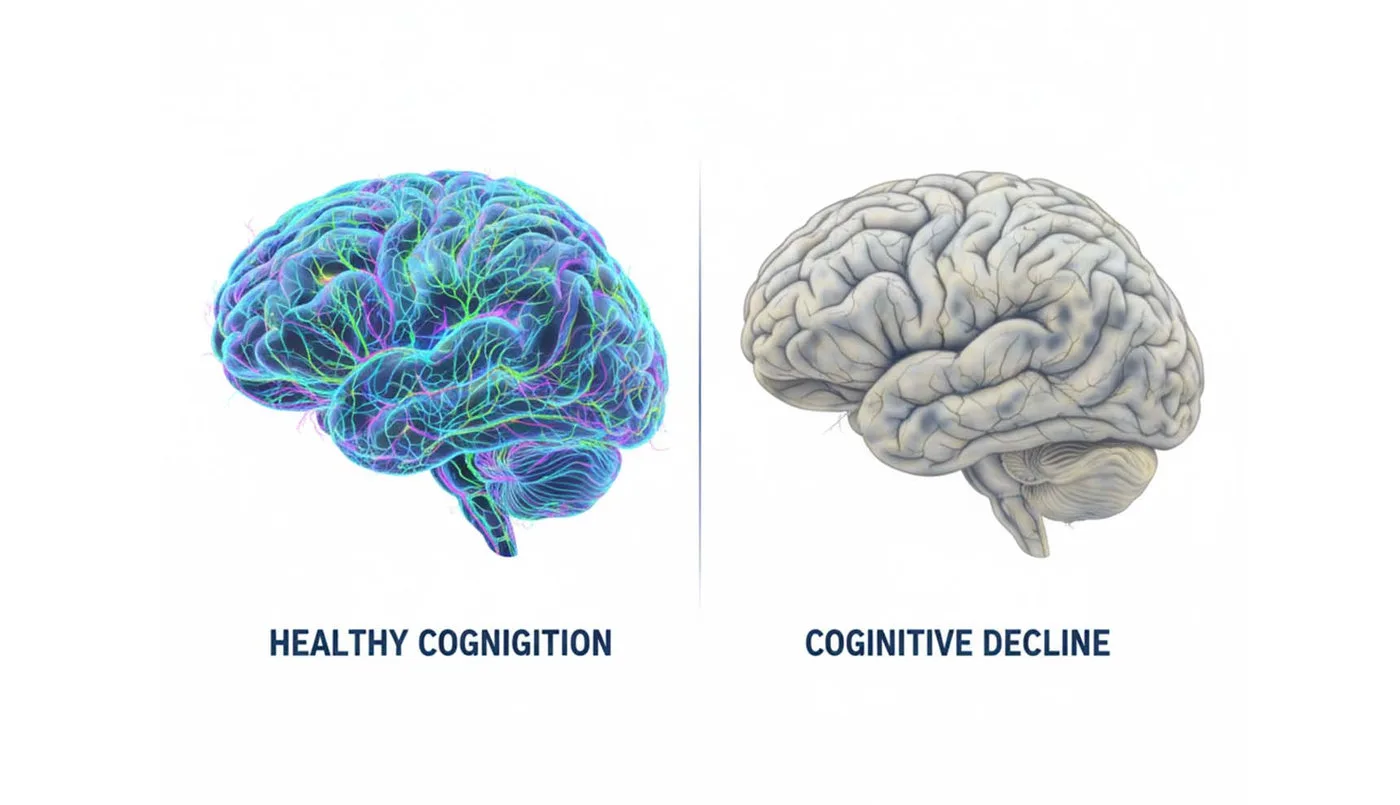
Cognitive Dysfunction Syndrome is no longer limited to a pharmaceutically driven symptom management approach. With advancements in epigenetics and holistic therapies, pet parents have a variety of options to help their aging pets maintain cognitive health and thrive in their later years. By addressing the root causes of neurodegeneration and implementing integrative strategies, pets can have a higher quality of life well into their senior years.
Even better, pet parents can avoid and prevent cognitive decline by being proactive rather than reactive. The key is to implement lifestyle, dietary, and holistic wellness strategies before symptoms appear. This is what you’ll learn to implement in The Empowered Pet Parent Course. This will be your guide to creating a thriving, disease-resistant life for your pet. Take the course now.
Disclaimer:
Contributor content reflects the personal views and experiences of the author and does not necessarily represent the views of Biohack Yourself Media LLC, Lolli Brands Entertainment LLC, or any of their affiliates. Content is provided for editorial, educational, and entertainment purposes only. It is not medical or dental advice. Always consult qualified professionals before making health decisions. By reading, you agree to hold us harmless for reliance on this material. See full disclaimers at www.biohackyourself.com/termsanddisclaimers