Sponsored content
Imagine ordering a research peptide labeled 99% pure.
At first glance, that number sounds reassuring. It suggests the product contains very little unwanted material and meets a high standard of quality.
But there's an important question researchers should ask before accepting that percentage at face value.
What exactly was tested?
A purity result can tell you something about a compound's composition, but it doesn't necessarily confirm its identity, the amount inside the vial, or whether contaminants are present.
In laboratory research, those distinctions matter.
When experiments depend on precise materials, understanding what's inside a vial becomes part of protecting the reliability of the research itself.
And that's why peptide quality involves considerably more than a single percentage.
What Does 99% Purity Actually Mean?
Peptides are chains of amino acids that researchers investigate for their roles in biological signaling and cellular processes.
Their applications in scientific research continue expanding, but the quality of the materials used can influence experimental consistency.
One common method for evaluating peptide purity is high-performance liquid chromatography, or HPLC.
This analytical technique separates components within a sample, allowing laboratories to estimate the proportion associated with the intended compound.
A reported purity of 99% or higher may indicate a high proportion of the target material under the test conditions.
However, purity is not the same as identity, quantity, or sterility.
A vial could produce a favorable chromatographic purity result while still requiring additional testing to establish whether it contains the correct compound and labeled amount.
That's why researchers benefit from looking beyond the headline percentage.
The Questions a Purity Test Doesn't Answer
Consider two vials displaying identical purity results.
One has undergone additional testing for identity, content, microbial contamination, and heavy metals.
The other provides only a basic purity report.
Although their labels look similar, the available information about their quality is very different.
This is where comprehensive analytical testing becomes valuable.
Certified-Pep approaches research peptide verification through a ten-part testing framework designed to examine multiple aspects of product quality.
Its testing categories include purity, identity, content, sterility, endotoxins, heavy metals, fentanyl screening, solubility, seal integrity, and batch consistency.
Each addresses a different question.
Identity testing helps establish whether the material corresponds to the intended peptide. Content testing evaluates whether the amount matches the label.
Sterility and endotoxin testing examine different contamination risks, while heavy-metal screening looks for substances such as arsenic, lead, cadmium, and mercury.
Solubility and seal-integrity assessments provide additional information about product characteristics and packaging.
Together, these evaluations create a more complete quality picture than purity testing alone.
Why Independent Verification Matters
Testing becomes more meaningful when researchers can examine the documentation themselves.
A Certificate of Analysis, commonly called a COA, provides analytical information about a particular material or production lot.
However, not every COA offers the same level of transparency.
A generic report may not establish whether the specific vial being used belongs to the tested batch.
Certified-Pep addresses this concern by placing a lot number and QR code on each vial.
Scanning the code provides access to the corresponding laboratory report, allowing researchers to examine batch-specific information rather than relying solely on a product description.
Most of its catalog is tested through Vanguard Laboratory in Olympia, Washington, an independent laboratory accredited to ISO/IEC 17025.
The company's COA library also allows researchers to explore available reports.
This approach makes verification part of the research workflow.
Instead of simply seeing a purity percentage, researchers can examine documentation associated with the specific lot they receive.
Of course, a laboratory report should still be interpreted according to the tests performed, their methods, and the scope of the laboratory's accreditation.
Why Manufacturing Location and Standards Matter
Quality doesn't begin when a finished vial reaches a testing laboratory.
It begins during manufacturing.
Peptide production involves controlled chemical processes, purification, handling, and packaging. Variations at these stages can affect the characteristics of the finished material.
Certified-Pep manufactures its research peptides in Texas through a U.S.-based facility operating under current Good Manufacturing Practice, or cGMP, protocols.
The company combines domestic manufacturing with independent U.S. laboratory testing and batch-specific documentation.
This creates a framework for examining quality across multiple stages, from production through verification.
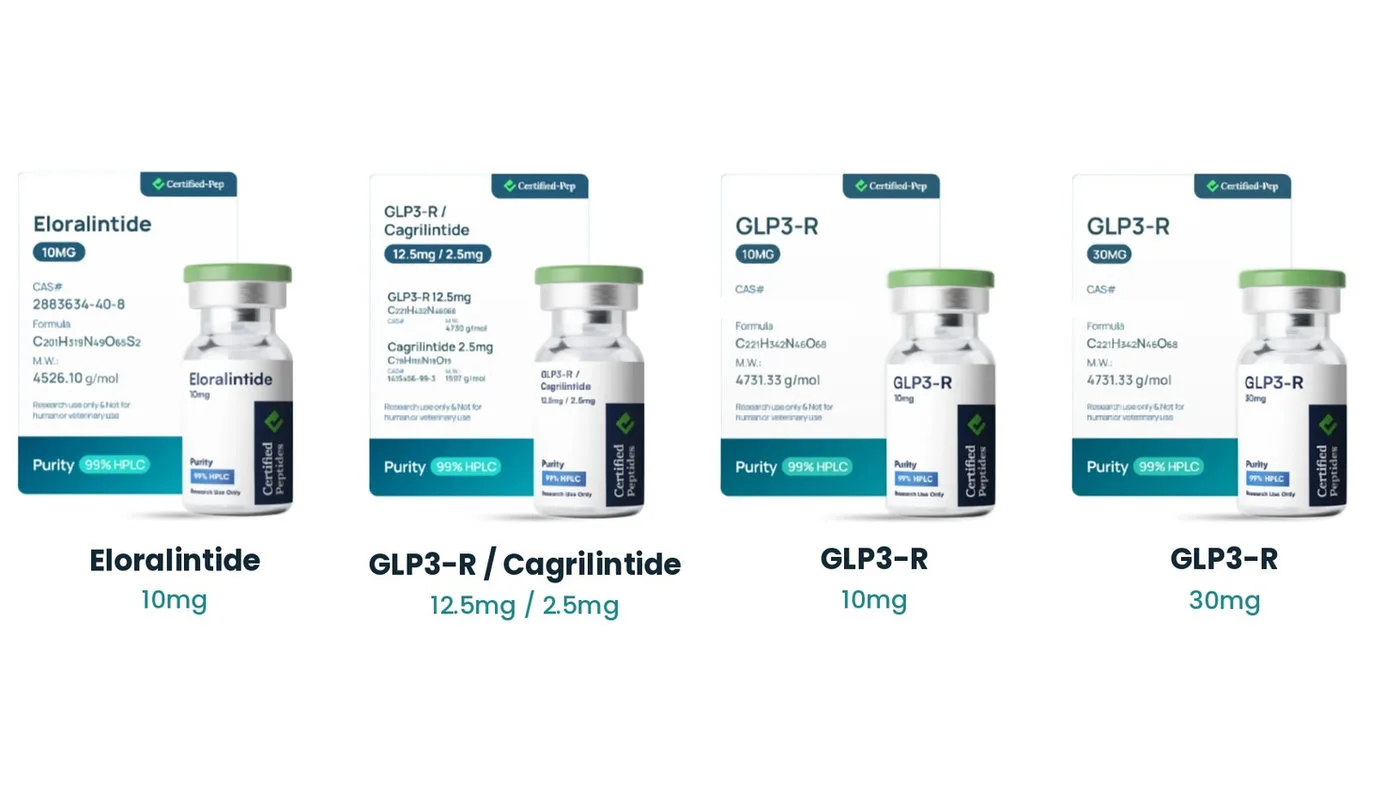
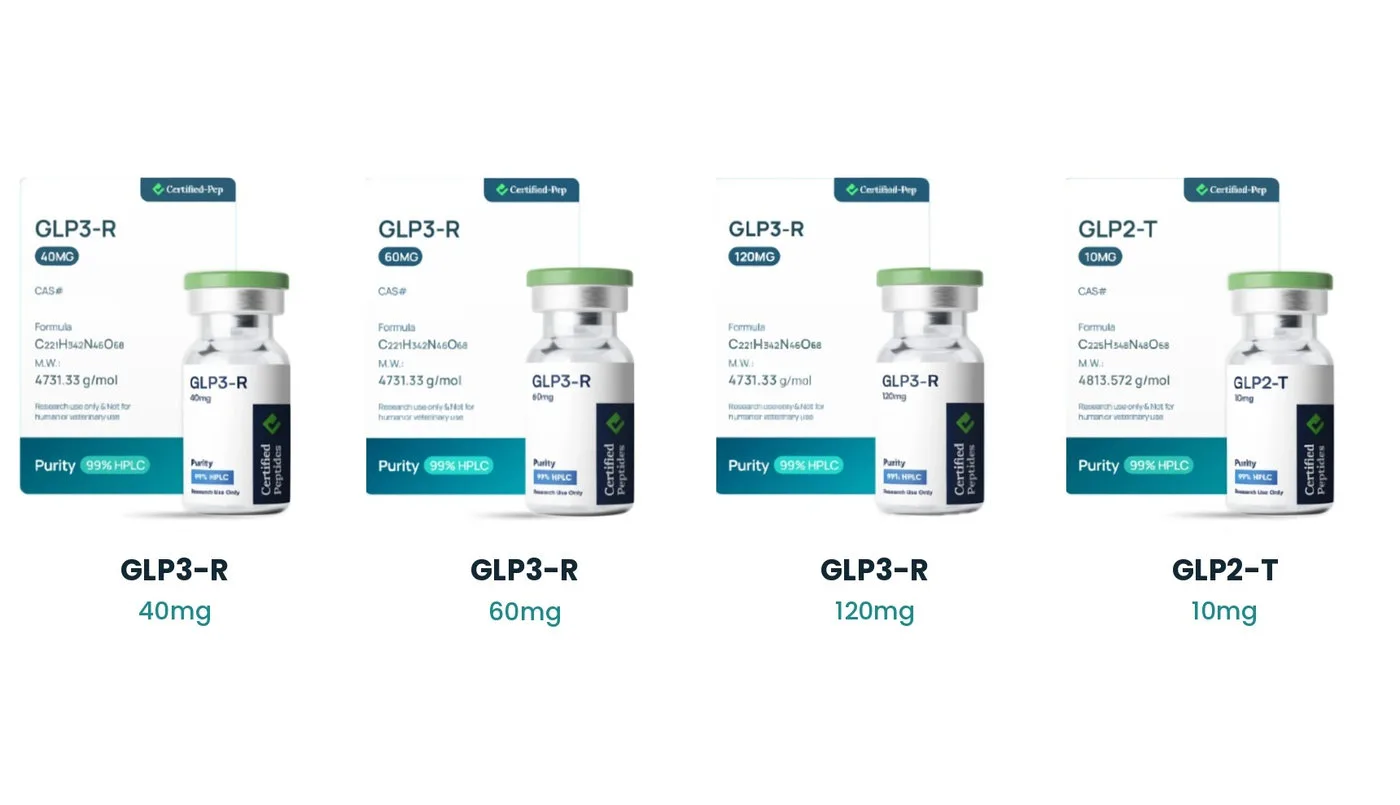
Certified-Pep also supplies several research product categories, including lyophilized peptides, capsules, lipotropics, and research bundles.
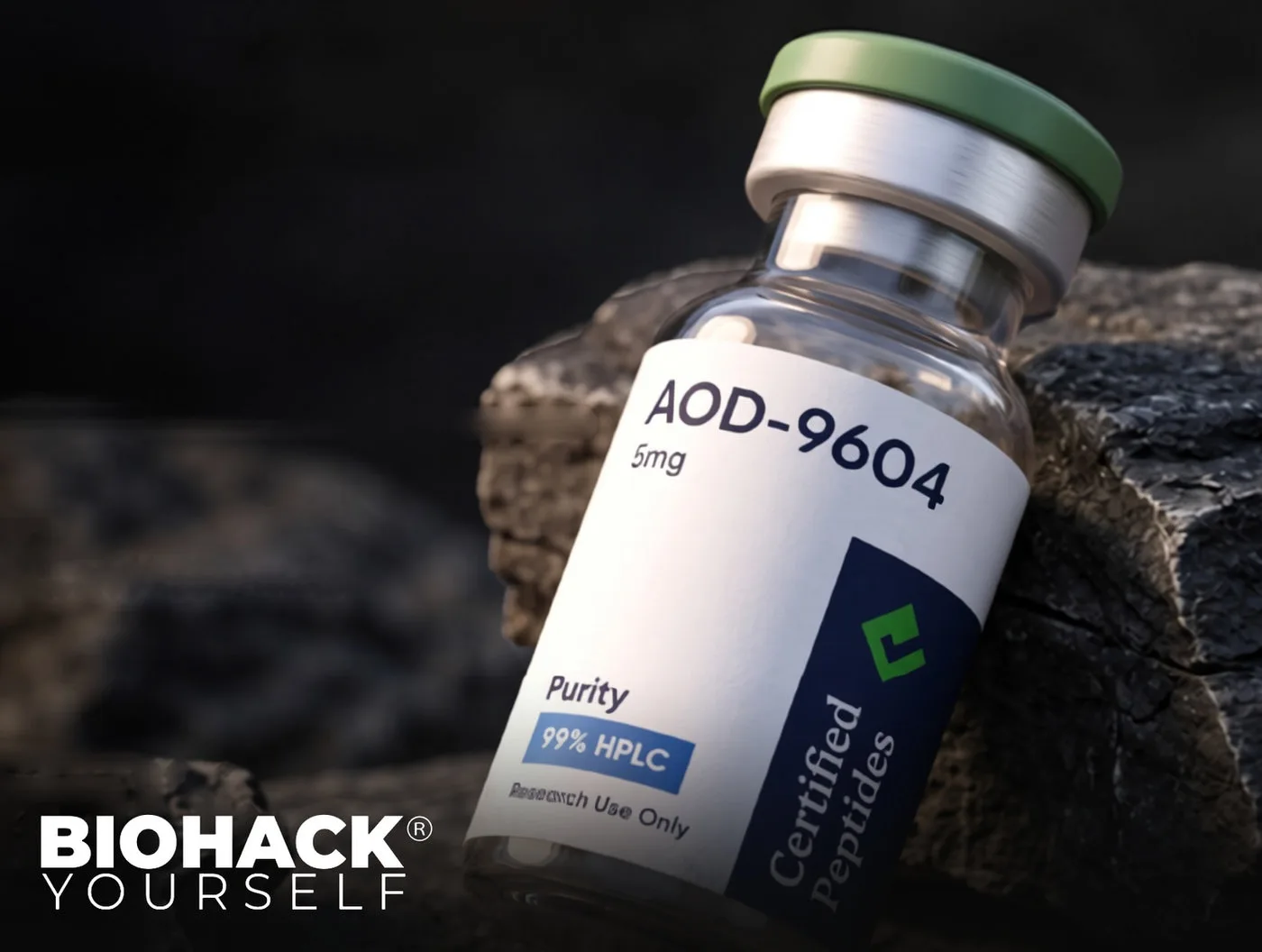
Its peptide catalog includes compounds such as BPC-157, TB-500, GHK-Cu, MOTS-c, and AOD-9604, the latter featured in its advertisement.
These materials are supplied for laboratory research purposes, not personal supplementation or self-treatment.
Importantly, following manufacturing protocols or obtaining favorable analytical results does not establish that a research compound is safe or effective for human use.
Why Batch Consistency Deserves Attention
For researchers, consistency matters because experiments often involve comparing results across different samples, conditions, or time periods.
If the characteristics of a research material vary unexpectedly between batches, interpreting those results can become more difficult.
Batch-specific testing helps provide information about whether materials meet defined specifications.
It also supports traceability when researchers need to identify which production lot was used in a particular experiment.
Certified-Pep's QR-linked verification system reflects this emphasis on documentation.
Rather than treating quality as a general promise attached to a brand, it gives researchers a way to examine information associated with individual lots.
The Difference Is in the Documentation
As interest in peptide research grows, evaluating suppliers requires more than comparing product names or purity percentages.
Manufacturing practices, independent testing, batch traceability, and accessible documentation all deserve consideration.
Certified-Pep places these elements at the center of its research-material offering, combining U.S. manufacturing with a ten-part testing framework and individually verifiable laboratory reports.
Its products are strictly for laboratory research use and are not intended for human consumption.
Ultimately, a 99% purity label can be useful information.
But for researchers who depend on precision, the more important question may be whether the evidence behind that number is available to examine.
Because in scientific research, trust becomes more meaningful when it can be verified.
Certified-Pep is a featured brand in the Biohack Yourself Magazine Fall 2026 issue with Ashton Hall on the cover, available in stores and online on November 17, 2026.
Disclaimer:
Biohack Yourself Peer Review is an editorial, educational, and entertainment process for sponsored content. It is not a scientific peer review or regulatory evaluation. Please review our full Terms & Conditions and Legal Disclaimers