As adults, we make many intentional diet and lifestyle choices to optimize our mental fitness and emotional well-being, but what about making these same choices for the children in our lives? Recent statistics show that 20% of children in the United States have a mental, emotional, developmental or behavioral disorder and that mental health challenges are the leading cause of death and disability for high school students. These statistics highlight a vital need for the same wellness efforts that are made for adults, to be directed toward children as well. Nutritional Psychiatry offers a tangible and powerful solution.
Children have an incredible potential to benefit from a diet full of nutritious brain foods. Therefore, any step we take away from the “standard American diet”, called “SAD" for a reason, is a good step. The brain of a child is still developing, and foods are crucial for ensuring proper growth and development and supporting children's cognitive and emotional potential.

Our modern food environment is full of addictive, highly processed ingredients that have made ‘eating the rainbow’ more appealing to most kids in the form of a bag of candy or colorful cereal rather than a nutrient-dense and veggie-packed salad. However, combatting the sometimes picky and stubborn palates of children can be possible with small, intentional changes over time. The following guidance explains which nutrients are most important for children, through the lens of Nutritional, Lifestyle and Metabolic Psychiatry, and provides tips and tricks for incorporating such mood-boosting ingredients into their diets, as well as a few lifestyle practices to support their curiosity and cognitive development.
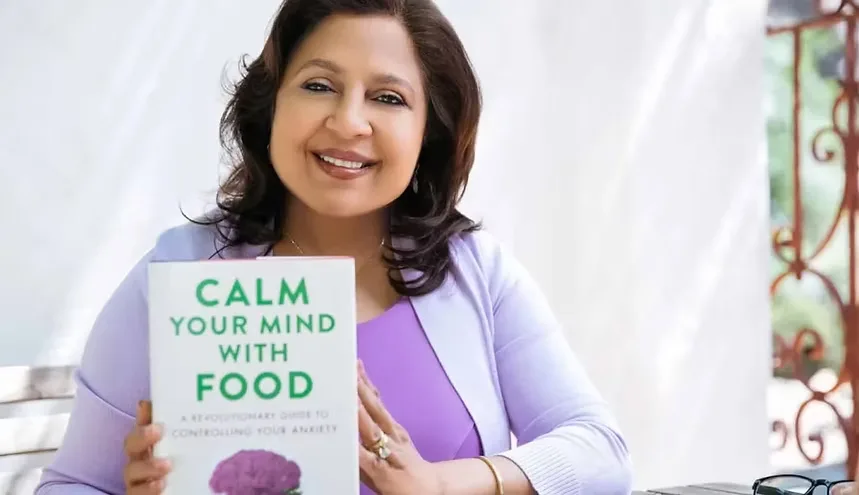
Calm your mind with food
Dr. Uma Naidoo
Childhood Nutrition
The first few years of life set the foundation for thinking, learning and brain health. The foods children are fed and the behaviors they are taught toward food promote their future physical and mental health, particularly cognition, temperament, motor skills and language development. Many studies show that starting babies off with a nutritious and balanced diet in infancy is key to promoting long-term health and well-being. It is recommended that childhood foods be diverse and include plenty of nutrients that support growth and development. Specifically, foods rich in omega-3 fatty acids, vitamin A, B12 and D, as well as iron, folate, iodine, zinc and choline support optimal brain development. Similarly, avoiding processed and ultra-processed foods with added sugars or chemicals can prevent the development of sugar addiction and poor mental health caused by the inflammation associated with these foods.
When speaking with parents or young people, an easy acronym to remember when looking to eat brain healthy, is to reach for CALM nutrients.
For the full list of CALM FOODS , see page 187 of Calm your Mind with Food:
C: Vitamin C: citrus fruit, choline (from eggs, peas, chicken or quinoa)
A: Antioxidants: colorful fruit and vegetables
L: Liquids: plain water, a calming tea like lavender
M: Magnesium: Leafy greens, fish, black beans, almonds, pumpkin seeds, avocados
Incorporating the CALM foods into the diet can be done in fun and interesting ways that children will enjoy! Here are some of my favorite ways to prepare these mood-boosting foods for children:
- Superfood smoothies: smoothies are a quick and tasty way to get lots of nutrients into the diet, and perhaps disguise some foods that kids resist eating. You can even call it a “Green or Blue monster milkshake” if it helps. Then add folate and fiber rich leafy greens into the blender, along with flax seeds, chia seeds or walnuts which are full of plant-based omega-3’s, fiber and protein; antioxidant-rich berries and creamy healthy fats from avocado which also contain vitamins and minerals for a power food smoothie. Limit the fruit to 1 serving of blueberries or half a banana or some strawberries for example. The idea is to create a smoothie full of nutrients to support your child's physical and mental growth. Bonus tip: adding plain unsweetened dairy or coconut yogurt can increase your smoothie’s creaminess and add protein, as well as gut healthy probiotics!
- Roasted, Steamed or Air Fryer veggies: eating a colorful variety of plant polyphenols is so important for getting enough fiber and phytonutrients, as well as fueling both gut health and mental health. Roasting or steaming vegetables like broccoli, squash, asparagus, cauliflower and carrots will help soften foods for young children and the variety of textures and colors will keep children interested and curious all while providing them with anti-inflammatory nutrients. Another idea is using an air fryer which adds a crispy crunch texture without deep frying. Try zucchini, carrot or green bean fries. Also adding spices and herbs, as your child will tolerate, such as turmeric with a pinch of black pepper, rosemary, oregano, parsley and thyme will add flavor and brain-boosting power!
- Plant based dips and spreads: lentils and legumes are healthy, plant based sources of iron, zinc, protein and fiber, benefitting both the gut and the brain. Homemade hummus is a great way to incorporate these foods into your child’s diet and can be used in so many ways - from a dip with veggie sticks (celery, cucumber, zucchini, carrot) or a spread on slices of delicious lycopene rich tomatoes. Get creative with your kids by thinking of bright orange carrot hummus or a deep purple beet monster dip, or a Green Ninja spinach dip.
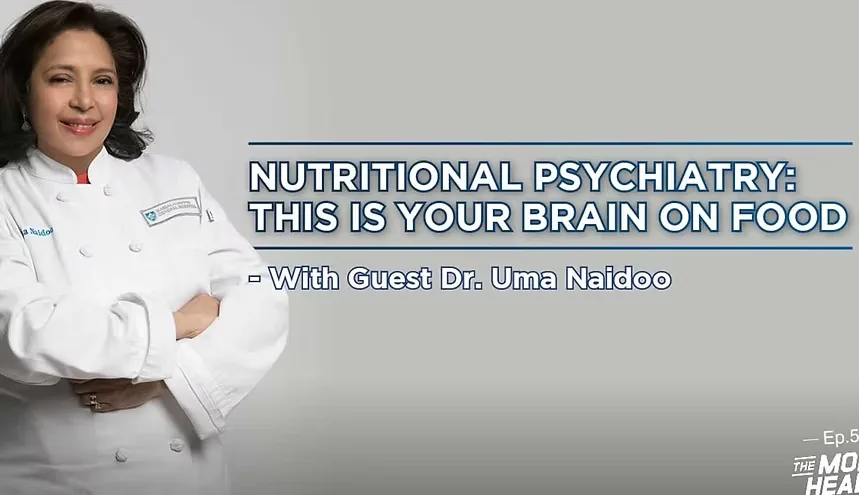
Nutritional Psychiatry
The model health show
- Start introducing seafood early: seafood is highly nutritious for the developing brain, but for kids, it can be an acquired taste. If you eat seafood, adding it into the diet at a young age can increase the likelihood of children enjoying them and reaping their nutrient benefits throughout life. Foods such as salmon are soft and mild enough for young children and are incredible sources of omega-3 fatty acids which promote proper brain development and function, as well as happier moods!
- Eggs: never underestimate the nutrient power of eggs! Whole eggs (yolk included) are an excellent source of proteins, healthy fats, vitamins A, D, E, K & B12 and choline. Choline is specifically important for young children as it has been shown to improve brain development and long-term memory. Scrambled eggs are an easy and neutral way to include all of these nutrients into your child’s diet. My one caveat if you do eat eggs is trying to obtain pastured eggs. If you don’t eat eggs, choline is also found in beans.
- “Meatballs”: Whether you are using beans, lentils or pasture raised ground turkey, meat or veggie ‘balls’ are an easy vehicle to add in plant fiber, and nutritious veggies like shredded spinach or grated zucchini. Use flax seeds to bind these for added omega-3s and toss in spices for even more brain benefits. Bake them in the oven as a healthier option too.
- Snack Foods: Instead of ultra-processed snacks laced with sodium, preservatives or sugar - think of fresh bites like natural almond butter on celery sticks, or seed butter for dipping different sweet peppers or apple slices.
One last thing is whenever possible, I encourage you to enjoy meals with your children, setting an example of healthy eating, encouraging communication and conversation, and showing gratitude model behaviors and habits that influence their developing brains too.
Disclaimer:
Contributor content reflects the personal views and experiences of the author and does not necessarily represent the views of Biohack Yourself Media LLC, Lolli Brands Entertainment LLC, or any of their affiliates. Content is provided for editorial, educational, and entertainment purposes only. It is not medical or dental advice. Always consult qualified professionals before making health decisions. By reading, you agree to hold us harmless for reliance on this material. See full disclaimers at www.biohackyourself.com/termsanddisclaimers